After a long day in Kilimani, the mix of traffic, desk work, and gym soreness can leave your body feeling tight and tired. When you finally get a free hour, you don’t want to guess your way into a disappointing session.
This guide helps you find the Best Massage in Kilimani without hype. You’ll learn what to look for in safety, therapist skill, hygiene, comfort, and value, so you can book with confidence and walk out feeling better.
Because Kilimani is busy and spread out, details matter, especially around Kindaruma Road where many people squeeze in self-care between errands. The right place should feel calm from the start, not rushed or chaotic, even if you’re coming in quickly from the Yaya Centre or Adams Arcade area.
Next, you’ll get practical tips on choosing the right therapist, picking massage styles that match your goal (pain relief, stress, recovery, or better sleep), and spotting what a good spa experience looks like on the ground. You’ll also see typical price ranges in Kilimani and how to book smart (timing, questions to ask, and what to confirm before you show up), so your session meets your needs the first time.
What makes a massage place the best in Kilimani? A simple checklist
A great massage in Kilimani isn’t about fancy words on a menu. It’s about what you can feel and notice, from the first minute to the last. Think of it like getting a haircut: the best place asks what you want, checks in as they work, and leaves you feeling better, not sore and confused.
Use the checklist below to spot quality fast. It focuses on what matters most: the therapist, the space, the value, and your safety.
Therapist skill, licensing, and how to tell you are in good hands
The fastest way to tell if you’ve found the Best Massage in Kilimani is how the therapist starts. A skilled therapist doesn’t jump straight into pressure. First, they ask what brings you in, where you feel pain, and what you want from the session (relaxation, recovery, or pain relief). That quick chat protects you and helps them choose the right approach.
Skill also shows in small habits during the massage. They warm up the muscles, then build pressure slowly. They don’t “hunt” for pain and stay there. Instead, they work in a planned way, like ironing a wrinkled shirt section by section, not scrubbing one spot until it burns.
Look for these signs you’re in good hands:
- They ask about pain points and goals before you get on the bed, and they listen without rushing.
- They explain what they’re doing in simple language, especially if they’re working on a sensitive area (neck, lower back, glutes).
- They adjust pressure smoothly when you ask, and they check in, especially during deep tissue work.
- They notice your body cues, like holding your breath, tensing your shoulders, or flinching, then soften their approach.
- They keep it professional, with calm communication and clear boundaries.
Before you book, ask a few quick questions. You’re not being difficult, you’re being smart:
- “How long have you been practicing, and what styles do you do most?”
- “Do you have experience with sports massage or gym recovery work?”
- “If I’m pregnant (or suspect I might be), what’s your prenatal safety approach?”
- “I have an old injury, how do you adjust massage for that?”
- “If something hurts, how do you want me to tell you during the session?”
Red flags are usually obvious once you know what to watch for. Be careful if the therapist rushes you onto the bed, skips consultation, pushes extreme pressure as “the only way,” or ignores pain cues when you say something feels sharp or wrong. A good therapist works with you, not on you.
If you leave feeling “beaten up” instead of looser, the pressure was not skillful, it was just strong.
Cleanliness, privacy, and comfort, the basics you should never compromise on
In a busy area like Kilimani, hygiene and privacy separate a relaxing session from a stressful one. Cleanliness is not a bonus. It’s the foundation. You should see or sense it right away: the room smells fresh (not like old oil), linens feel crisp, and the space looks cared for.
Here’s what good hygiene looks like in real life:
- Fresh linens for every client, including face covers or a clean towel barrier.
- The therapist washes or sanitizes hands before the massage.
- The room is clean in the corners, not just the middle.
- Oils or lotions look and smell clean, and they come from clean containers.
- Any tools (like hot stones or cups) are cleaned between clients.
Privacy matters just as much. A professional spa uses proper draping, meaning only the area being worked on is exposed, and everything else stays covered. They should knock before entering, close doors fully, and avoid loud chatter outside your room. You should never feel like you’re on display or being watched.
If you’re shy, a first timer, or you simply prefer a female or male therapist, it’s okay to say so. Keep it polite and direct when you call or message:
- “I’m more comfortable with a female therapist, is that available?”
- “This is my first massage, can we keep it modest with extra draping?”
- “Please focus on my back and shoulders, and avoid my stomach.”
A good place won’t make you feel awkward for asking. They’ll confirm your preference, explain what to expect, and keep communication respectful. Comfort is also practical: a supportive bed, a face cradle that doesn’t strain your neck, and room temperature that doesn’t leave you shivering. When those basics are right, your body relaxes faster, and the massage works better.
Great massage value, pricing, time, and what packages should include
Value is more than the number on the price list. Two places can charge the same, yet one gives you a full, thoughtful session while the other eats up your time with delays. In Kilimani, compare value by looking at what you actually get on the table.
Start with time. Most spas offer:
- 60 minutes: Best for one main goal, like neck and shoulders, lower back relief, or general relaxation.
- 90 minutes: Better if you want full-body work plus focused time on problem areas.
- 120 minutes: Great for slow, detailed work, especially if you carry tension everywhere or want a mix (like deep tissue plus stretching).
Also ask what the clock includes. Some places count changing time as part of your session. Others start timing only when hands-on work begins. That difference can turn a “60-minute” booking into a rushed experience.
Next, look at consistency. A great spa can match you with the same therapist when you find someone you like. That matters because the therapist learns your body over time, like a mechanic who knows the sound of your car when something is off.
When you compare packages, insist on clear details. A trustworthy package should tell you:
- What’s included (full body vs focused areas, add-ons like hot stones, scrub, or aromatherapy).
- Who the package is for (relaxation, pain relief, recovery).
- How long each session lasts.
- Any deposit rules and how cancellation or rescheduling works.
Instead of chasing the cheapest deal, think in tiers. In Kilimani you’ll often see budget, mid-range, and premium options. Budget can be fine for simple relaxation, but it should still be clean and professional. Mid-range often gives the best balance of therapist skill and comfort. Premium should justify itself with top-level service, better privacy, and high consistency.
A good-value massage leaves you feeling cared for, not hurried, and it doesn’t surprise you with hidden add-ons.
Safety and boundaries, especially for deep tissue and special conditions
Deep tissue can be helpful, but it’s also where mistakes happen. Safe deep tissue feels like “good pain,” a strong pressure you can breathe through. Harmful pain feels sharp, electric, or like bruising that makes you tense up. If you can’t relax your jaw or you’re holding your breath, the pressure is too much.
Some people should take extra care and speak up before booking:
- Pregnancy (especially first trimester, or any high-risk pregnancy).
- High blood pressure or heart conditions.
- Recent surgery, fractures, or fresh injuries.
- Varicose veins or clotting concerns.
- Ongoing numbness, tingling, or nerve pain.
That doesn’t mean you can’t get a massage. It means the therapist must adjust techniques, avoid certain areas, and sometimes recommend a lighter style. A professional therapist will ask about these issues and may suggest you check with a clinician first if something sounds risky.
Boundaries are part of safety too. You should feel in control of your body the whole time. Set expectations early: what areas to avoid, what level of pressure you want, and whether you’re okay with stretching or focused work near sensitive muscles. During the session, use clear phrases:
- “Please reduce the pressure by half.”
- “That feels sharp, move to a different area.”
- “I need a short break.”
- “Let’s stop the session.”
A reputable spa will respect this immediately, without debate or attitude. Your comfort is not a favor they grant. It’s the standard. When a place takes safety and boundaries seriously, you can relax fully, which is the real point of booking in the first place.
Best massage in Kilimani: the top massage styles and when to choose each one
The Best Massage in Kilimani isn’t one “perfect” style that works for everyone. It’s the style that matches your body today, your stress level, and how you want to feel after. Some days you need calm, slow work that helps you switch off. Other days you want targeted pressure that breaks up stubborn knots from long hours at a desk or tough gym sessions.
Use the guide below like a simple menu with a purpose. Each style has a different “personality,” and when you pick well, you get better results with less guesswork. As you read, keep one thing in mind: a good therapist can adjust almost any style to fit you, as long as you communicate clearly.
Swedish massage for full body relaxation and better sleep
Swedish massage feels like your body is being gently “ironed out.” The therapist uses long, smooth strokes, light kneading, and steady rhythm to calm your nervous system. Pressure usually sits in the gentle to medium range, and it builds slowly so your muscles soften without you bracing.
This is often the best starting point if you’re new to massage, or if your main goal is to feel lighter and sleep better. It also fits well when you have stress tension (tight jaw, raised shoulders, headaches from screens), or mild muscle tightness that doesn’t need intense work.
Swedish tends to be best for:
- People getting their first massage
- Stress, burnout, and mental overload
- Light neck and shoulder tension from desk work
- Anyone who wants a full-body reset without soreness after
To get more value from the session, be specific about focus areas. Here’s a mini script you can use at the start:
Mini script to tell your therapist
- “I’d like a Swedish massage with medium pressure overall.”
- “Please spend extra time on my shoulders and neck, they feel tight from sitting.”
- “My lower back gets sore, can you work there gently and avoid sharp pressure?”
- “If you find a tender spot, please ease in slowly and check in before increasing pressure.”
After one session, most people feel calmer, looser, and more “settled” in their body. You may sleep better the same night, especially if stress is the main issue. However, if tension has built up for months, one massage won’t erase it. A short series (for example weekly or bi-weekly for a few sessions) often creates more lasting change because your muscles stop snapping back into the same guarded pattern.
If your goal is better sleep, ask for slower pacing, lighter pressure near the neck, and a quiet finish so your body stays in rest mode.
Deep tissue and sports style massage for stubborn knots and active bodies
Deep tissue and sports massage both use firmer pressure, but they have different goals. Deep tissue targets deeper muscle layers and tight bands, working slowly to release knots. Sports massage focuses on movement and performance, often mixing deep work with faster strokes, stretching, and work around common “overuse” areas.
In simple terms, deep tissue is like untangling a tight rope knot, while sports massage is like tuning up your body so it moves cleaner.
These styles are a good idea when you deal with:
- Upper back knots from posture and stress
- Tight hips (common if you sit a lot or train legs)
- Post-workout soreness that feels heavy and stuck, not just tired
- Repeated tight spots that return even after rest
Even so, more pressure isn’t always better. Avoid deep work if you have a fresh injury, fever, skin irritation, or unexplained nerve symptoms (numbness, tingling, shooting pain). Also skip it right after a very intense workout if you feel “wrecked,” because your muscles may be too inflamed.
A simple pressure scale makes communication easy. Agree on a number early, then adjust as needed:
- 1 to 3: very light, calming
- 4 to 6: firm but comfortable, you can breathe normally
- 7 to 8: strong, intense but controlled, still “good pain”
- 9 to 10: too much for most people, often leads to guarding
Sharp pain is not the goal. When pressure feels sharp, your body tenses to protect itself. That tension blocks the work and can leave you sore for the wrong reason. Instead, aim for a strong sensation you can breathe through, with a feeling of release afterward.
Aftercare matters more with these styles. Plan for it like you would after a hard training day:
- Drink water during the day, and consider something warm later (shower or heat pack).
- Expect mild soreness for 24 to 48 hours, especially if you haven’t had deep work recently.
- Keep movement easy, a short walk helps more than staying still all day.
If you want a clear way to ask for the right kind of intensity, try this:
- “Let’s stay at a 6 out of 10. If you need more, ask first.”
- “If I say it’s sharp, please back off and work around it.”
Aromatherapy massage when your mind feels busy or anxious
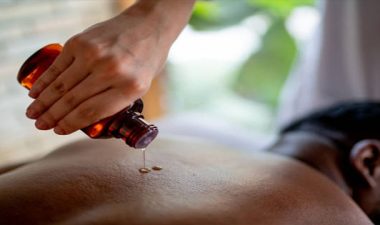
Aromatherapy massage adds essential oils to a massage session to support relaxation through scent. The therapist typically mixes a few drops of essential oil into a carrier oil or lotion, then uses it during the massage. This matters because essential oils are concentrated, and safe use depends on proper dilution and skin comfort.
The biggest benefit here is often the mood shift. Scent travels straight to the parts of your brain linked to memory and emotion. So even a simple smell can act like a “signal” that tells your body, you’re safe, you can soften now. That’s why aromatherapy is a great pick when your mind won’t slow down, even when you’re physically tired.
Common preferences people request include:
- Lavender: often chosen for a calm, bedtime feel
- Eucalyptus: often picked when you want a fresh, clear sensation
- Citrus blends: popular when you want something bright and uplifting
This isn’t about treating medical conditions. It’s about comfort, association, and helping you relax more easily during the session.
Because skin and noses vary, a professional therapist should do quick checks before starting:
- Ask about asthma, migraines, pregnancy, and allergies
- Offer a simple “smell test” from the bottle or tissue first
- Check whether you prefer the oil on the skin, in the room, or both
If you’re sensitive to scent, you still have options. You can ask for:
- Low-scent dilution (very light aroma)
- Oil applied only to the back or feet, not near the face
- Unscented lotion with a standard relaxing massage instead
A helpful way to phrase it is:
- “Strong scents give me a headache, can we keep it very light or go unscented?”
- “Please avoid oils near my face and neck, I prefer scent to stay subtle.”
Aromatherapy pairs well with Swedish-style strokes, so you get both physical relaxation and a calmer headspace. If your week has felt noisy and your thoughts keep looping, this choice often helps you feel more present by the time you get off the table.
Hot stone or hot oil massage for deep warmth and fast tension release
Heat-based massage is for the days when your body feels like it’s holding tension under the surface. Hot stone massage uses smooth, warmed stones placed on key areas (often the back, shoulders, or legs) and sometimes used as tools for gliding strokes. Hot oil massage uses warmed oil, applied in a way that keeps the body feeling cozy and loose.
Heat helps muscles relax because it increases comfort and encourages the body to stop bracing. Think of it like warming butter before spreading it. The tissue becomes more pliable, so the therapist can work with less force and still get good results.
Here’s what you can expect during the session:
- The therapist checks the heat level before placing stones or oil on your skin.
- Warmth settles in first, then massage strokes follow once your muscles soften.
- Many people feel tension “melt” in the upper back and lower back faster than with a non-heat massage.
This option is a favorite for:
- Cold weather days when you can’t get warm
- Tight backs and shoulders from stress
- People who want quick relief without very deep pressure
- Anyone who finds deep tissue too intense but still wants a strong result
Safety comes first with heat. A good therapist should keep checking comfort because heat can feel different as your body relaxes. Speak up early and clearly:
- “That’s a bit hot, please reduce the heat.”
- “Warm is fine, but I don’t want it close to burning.”
Avoid heat massage if you have heat sensitivity, reduced sensation in an area, or active skin irritation. Also mention any skin issues (rashes, sunburn, recent peeling, or very dry cracked areas) so the therapist can adjust products and avoid making it worse.
For best results, ask for a balanced approach:
- “Use the heat to relax the area first, then do moderate pressure on the knots.”
- “Please focus heat on my upper back and shoulders, that’s where I carry stress.”
When done well, hot stone or hot oil massage can feel like a fast exhale for your whole body, especially after long days in Kilimani traffic and long hours sitting still.
How to get an amazing massage experience in Kilimani, from booking to aftercare
A great massage starts before you step into the room. The best sessions feel smooth from booking to the moment you stand up, because you shared the right info, set a clear goal, and gave your body time to absorb the work after.
Use this as a simple playbook. It helps you get the results you want from the Best Massage in Kilimani, whether you are booking for stress, pain, recovery, or better sleep.
Before you go: what to share, what to avoid, and how to choose the right time
When you book (or when you arrive), treat the first minute like a quick map. If the therapist knows your body history, they can choose safer techniques and avoid triggering pain. Keep it simple and direct, you don’t need to over-explain.
Here’s a short checklist you can share in one message or at the start:
- Injuries and medical issues: old shoulder strain, lower back flare-ups, knee pain, nerve symptoms (numbness or tingling).
- Pregnancy: how far along, any complications, and what positions feel comfortable.
- Allergies and sensitivities: nut oils, strong scents, asthma, skin reactions, migraines from perfume.
- Pressure preference: light, medium, firm, or “firm but I want to breathe easily.”
- Focus areas and no-go zones: neck and shoulders, hips, feet, plus any areas you want avoided.
Also share what you did that day. A heavy leg workout, a long drive, or a stressful meeting changes what your body needs. A skilled therapist adjusts, but only if they know.
Timing matters more than people think, because massage changes circulation and your nervous system. Plan your session like you would plan a workout or a nap.
Simple timing tips that work:
- Avoid a heavy meal for about 1 to 2 hours before your appointment. A full stomach makes it hard to relax.
- Arrive 10 to 15 minutes early when you can. Rushing keeps your shoulders up and your breathing shallow.
- Choose an evening session if your goal is sleep, deep calm, or switching off your brain.
- Pick a lunchtime session if you want a reset, less tension, and better focus for the afternoon.
What you wear and bring can make the whole visit feel easier. Go for clothes that slip on fast after the massage, because buttons and tight waistbands feel annoying when you are relaxed.
What to wear and bring:
- Wear loose clothing (a soft top, easy trousers, or a simple dress).
- Bring a hair tie if your hair touches your neck.
- Carry a bottle of water for the ride home.
- Skip heavy perfume or strong body spray, especially in small rooms.
If it’s your first visit, tell them. “It’s my first massage, please explain draping and check pressure often.” That one line removes a lot of stress.
Finally, choose your session length with your goal in mind. A 60-minute massage works well for one main area. If you want full-body plus real time on problem spots, 90 minutes usually feels less rushed.
During the session: how to ask for the pressure you want without feeling awkward
Pressure requests only feel awkward when you wait too long. Think of it like getting a haircut. If you speak up early, the stylist adjusts and everyone wins. Massage works the same way.
Start by setting a goal in one sentence. This gives the therapist a clear target and helps them decide pacing.
Quick goals you can say at the start:
- “Today I want deep relaxation, slow pace, and medium pressure.”
- “My goal is pain relief in my neck and upper back, please focus there.”
- “I’m recovering from training, I want sports-style work and gentle stretching.”
Next, use a simple pressure scale. Numbers remove confusion, because “firm” means different things to different people.
- 1 to 3: very light
- 4 to 6: medium to firm, comfortable
- 7 to 8: strong, still controlled
- 9 to 10: too much for most people
Try these phrases. They sound normal, and they get results fast:
- “Can we keep it around a 5 out of 10?”
- “That spot feels tender. Please ease in slowly.”
- “That’s getting sharp. Please reduce pressure and work around it.”
- “I like firm pressure, but I want to stay relaxed.”
- “Can you spend a bit more time on my right shoulder blade?”
Draping is also part of comfort, especially if you are new. A professional therapist uses towels or sheets to cover you, and they only expose the area they are working on. If you want extra coverage, ask once and move on. You don’t need to justify it.
- “Please keep the draping modest, I’m more comfortable that way.”
- “I’d like you to avoid my stomach and chest area.”
Breathing helps the massage “land.” If you notice you’re holding your breath, the pressure is probably too high, or you are bracing without realizing it. Exhale slowly when they sink into a tight spot. That tiny change can turn intensity into relief.
Comfort settings are not picky requests, they are part of a good session. Speak up about the room before you go silent.
Easy ways to ask:
- “Could you make the room a bit warmer?”
- “Can we lower the music a little?”
- “That oil feels heavy, can we use less?”
- “I’m sensitive to scent, please use unscented.”
Your phone can ruin the whole effect. Put it on silent, not vibrate. Vibrate mode still pulls your attention back to your to-do list. If you’re expecting an urgent call, tell the therapist before the session so you both agree on what happens if it rings.
One more tip that improves results: ask for a short “landing” at the end. Many people hop up too fast, then feel dizzy or disoriented.
- “At the end, can I have one minute to breathe before I get up?”
Aftercare that actually helps: hydration, stretching, and when to book again
After a massage, your body keeps processing the work. Some people feel light and floaty. Others feel sleepy, quiet, or emotionally calm. Mild soreness can happen too, especially after deep tissue or sports massage.
Normal after-massage feelings:
- Sleepiness or deep calm
- Mild soreness, like after a good workout
- More bathroom trips than usual
- A loose, warm feeling in tight areas
Not normal, and worth paying attention to:
- Sharp pain that gets worse over hours
- Dizziness that lasts or feels scary
- Numbness, tingling, or weakness that is new
- Severe headache that doesn’t settle
If something feels wrong, don’t “push through.” Contact the spa for advice, and consider a clinician if symptoms are strong or persistent.
For most people, simple aftercare keeps the benefits longer. Think of massage like wringing out a sponge. It works best when you do not immediately clamp the sponge back into the same stressed shape.
Here’s an easy routine for the next few hours:
- Drink water steadily (not all at once). Aim for extra sips through the day.
- Take a warm shower if you can, especially after deep work. Heat helps the muscles stay soft.
- Do a gentle stretch for tight areas, then stop before it turns painful.
- Go for a light walk for 10 to 20 minutes. This helps circulation and reduces stiffness.
- Eat a simple meal, then avoid heavy alcohol right away, because it can increase dehydration.
Stretching does not need to be fancy. Keep it slow, breathe, and hold for about 20 to 30 seconds. Focus on the areas that usually tighten back up, like hips, hamstrings, chest, and upper back. If you feel sharp pain, stop and switch to a lighter movement.
The best aftercare is boring but consistent: water, warmth, gentle movement, and early sleep.
Booking again depends on why you came in. One massage can feel great, yet patterns usually return if stress and posture stay the same. The goal is not to live on the massage table. It’s to use sessions at the right rhythm so your body stays easier to manage.
A simple schedule that fits most people:
- Monthly: good for stress management, general relaxation, and maintenance.
- Every 1 to 2 weeks: best for chronic neck and shoulder tension, desk-related tightness, or recurring headaches linked to muscle strain.
- Occasional sessions: helpful before events, after travel, or during high-stress periods.
- Recovery-focused: if you train hard, book around your training load. Many people prefer a lighter session after tough weeks, and deeper work when they are not inflamed.
When you do rebook, share what happened after the last massage. Tell them what felt amazing, what felt too intense, and which spot improved. That feedback helps your next session feel even more dialed in, which is how people end up saying they found the Best Massage in Kilimani for their body.
Why Happiness Massage & SPA Stands Out
If you want the Best Massage in Kilimani, the difference usually comes down to the basics done well, every single time. Happiness Massage & SPA focuses on a calm, no-drama experience, from the way the space feels to how sessions are booked and handled. That matters because you can’t relax if you feel rushed, exposed, or unsure what comes next.
Think of a good spa like a good host. You feel welcome, you know what to expect, and you can finally let your shoulders drop. Here are the practical reasons this spot stands out for many Kilimani regulars.
A calm Kilimani location that feels like a real break
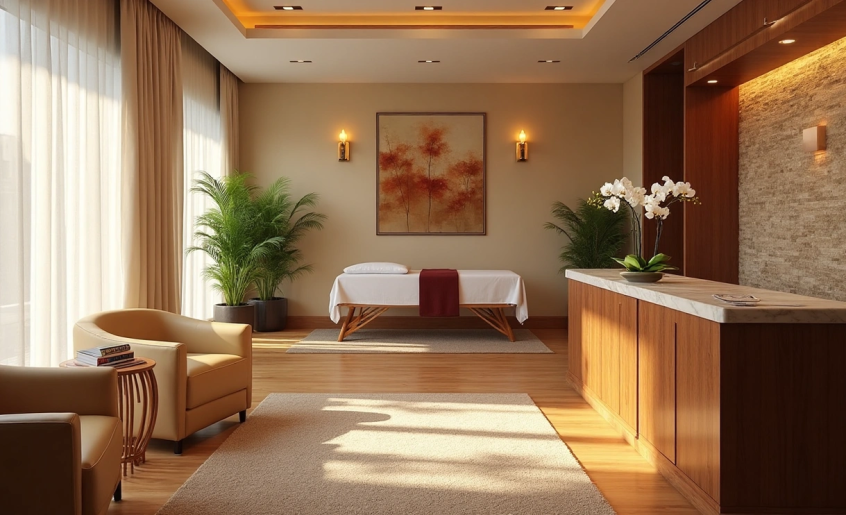
Kilimani is busy, loud, and always moving. So when you step into a spa, you want the opposite. Happiness Massage & SPA positions itself as a serene, quiet place in the Jade Residency, Kindaruma area, which suits anyone who wants a proper reset, not a quick rub in a noisy setting.
That calm vibe isn’t just for comfort. It affects your nervous system. When the room feels safe and quiet, your body stops bracing. As a result, even a medium-pressure session can feel deeper and more effective.
If you often carry tension in your jaw, shoulders, or lower back, a peaceful setting helps you soften faster. In other words, you spend less time “warming up” and more time actually benefiting.
A focused menu of massages people actually ask for
Some spas offer huge menus that sound impressive, but feel inconsistent. Here, the messaging stays centered on a few popular options clients know and request, like Swedish, aromatherapy, hot stone, and hot oil. That focus can be a good sign because teams get more practice with the same core styles.
It also makes choosing easier. If your goal is sleep and stress relief, Swedish or aromatherapy fits. If your body feels tight and cold, heat-based options can help you relax without demanding extreme pressure.
Before you book, it still helps to be direct about what you want. Try this simple line:
- “I want to relax, but please spend extra time on my upper back and neck.”
Clear input plus a clear menu usually leads to a better session.
Packages and pricing that make planning simple
In Kilimani, one of the biggest frustrations is unclear pricing or surprise add-ons. Happiness Massage & SPA highlights plan-style packages and pricing on its site, which helps you decide before you arrive. That small detail can remove a lot of stress, especially if you’re booking around work or a tight budget.
Packages also help if you’re not looking for a one-off treat. If you already know your tension comes back every two weeks, a bundle can make it easier to stay consistent.
If a spa shows you prices and session options upfront, it often signals organized service, and fewer awkward surprises later.
A booking-first approach that reduces rushing and waiting
Nothing kills a good massage like feeling hurried, or sitting around while your appointment time slides. Happiness Massage & SPA encourages booking in advance, which sets the tone for a smoother visit. It also helps the spa plan therapists, room timing, and your preferred session length.
This matters more than most people think. When therapists run late, sessions get shortened, and pressure work becomes sloppy. On the other hand, when bookings stay structured, you usually get a steadier pace, better checks on pressure, and a calmer ending.
If you want to protect your time, confirm two things when you reserve:
- The hands-on time you are paying for (60, 90, or 120 minutes).
- Whether you can request a specific therapist if you find a good fit.
Social proof and clear contact details that build trust
A spa can look nice online and still disappoint in person. What helps is when a business shows real signals of accountability, like client testimonials, clear working hours, and visible contact options (including messaging and social media). Happiness Massage & SPA includes those details, which makes it easier to ask questions before you commit.
Use that opening to advocate for your comfort. For example:
- “I’m sensitive to strong scents, can we use unscented oil?”
- “I prefer medium pressure, around a 5 out of 10.”
- “Please avoid my lower back today, it’s flared up.”
When a spa invites questions and makes it easy to reach them, you start the session with more confidence. That confidence is a big part of getting the result you want.
Conclusion
The Best Massage in Kilimani is the one that fits your body and your goal, not the one with the longest menu. Start with the basics, a skilled therapist who asks questions, clean rooms and linens, clear draping, and pressure that feels controlled, not aggressive. When those standards are solid, you can relax because you know you’re safe and respected.
Next, match the style to what you need right now. Swedish and aromatherapy suit stress and sleep, while deep tissue or sports work best for stubborn knots and training fatigue. If you want fast comfort without extreme pressure, heat-based sessions like hot stone or hot oil can soften tension quickly.
Then, protect your results with smart booking and simple aftercare. Share injuries and sensitivities upfront, choose 60 minutes for one main issue or 90 minutes for full-body plus focus time, and book ahead during peak hours so you don’t feel rushed. Afterward, drink water, take a warm shower, and keep movement gentle so your muscles stay loose.
Thanks for reading, now pick your goal (relaxation, pain relief, or recovery), choose your session length, and schedule a time you can actually enjoy. What would make you walk out saying, “That was the right massage for me”?