
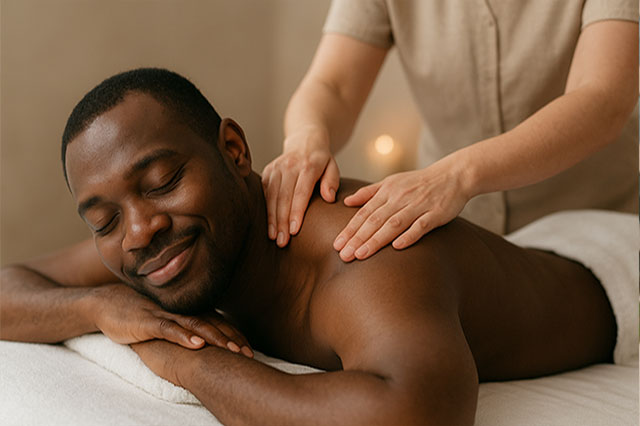
Deep Tissue Massage Guide, Benefits, Session Tips, and Safety
If you love that deep, slow pressure that seems to find the exact spot that’s been bothering you, Deep Tissue Massage might be your favorite kind of reset. It often feels focused and steady, with firm strokes that work layer by layer, especially around tight areas like the neck, shoulders, back, and hips.
People usually book deep tissue massage for stubborn knots, postural tension from long hours of sitting, and muscles that feel stuck after workouts or stress. It shouldn’t feel like a fight, though, you can expect strong pressure, but you should still be able to breathe and relax.
In this guide, you’ll learn the real benefits, who it tends to help most, what a session is like, and how to care for your body afterward. We’ll also cover simple safety tips and when it’s smart to choose a gentler option.
What deep tissue massage really is (and how it is different from a relaxing massage)
Deep Tissue Massage is a focused style of bodywork that targets deeper layers of muscle fibers and fascia. Your muscles are made of fibers that can shorten and tighten under stress, posture, or training. Fascia is the thin, strong web that wraps muscles and helps them glide. When that web gets stiff, movement can feel restricted, like a sweater that shrank in the wash.
The goal is not just to “press harder.” Instead, a therapist works slowly to reduce muscle guarding (your body’s reflex to protect a sore spot), ease stubborn tightness, and help your tissues move better again. That can mean better range of motion, less pulling around joints, and fewer recurring knots in the same places.
A relaxing massage, on the other hand, is usually designed to calm your nervous system and soothe surface tension. It often uses lighter to medium pressure with flowing strokes. Both are useful. The right choice depends on what your body is asking for today, comfort, recovery, or targeted change.
The sweet spot is strong but safe pressure. Discomfort can feel like a “good pain,” but it should never be sharp, zinging, or breath-stealing.
The main techniques therapists use and what they are trying to change
Deep work is usually slow because tissue changes slowly. When pressure sinks in gradually, the body has time to stop bracing. That’s often when a tight band starts to soften. Fast, heavy pressure can trigger guarding instead, which makes the area feel more sensitive and less cooperative.
Here are the most common techniques and what they aim to do:
- Slow strokes: The therapist moves at a steady pace along the muscle. This helps warm the tissue and encourages the muscle fibers to lengthen without fighting back.
- Sustained pressure: Pressure is held on a tight spot for several seconds. The goal is to let the nervous system “re-check” the area and release some protective tension.
- Stripping: A slow, gliding stroke follows the length of a muscle band (for example, along the upper traps or forearm). It’s meant to smooth ropey fibers and improve how layers slide.
- Friction: Small, focused movements go across the grain of the muscle or around a tendon edge. This can help break up sticky spots in the fascia and restore cleaner movement.
- Trigger point work: A trigger point is a sensitive knot that can refer sensation elsewhere (like a neck knot that sends ache toward the head). The therapist applies careful pressure until the intensity drops, then eases off.
- Stretching: Stretching may happen during the session or at the end. It reinforces the new “length” your tissues found, especially after hips, chest, calves, or neck work.
Because deep pressure can feel intense, breathing is your secret tool. Slow inhales and longer exhales tell your nervous system you’re safe, which reduces guarding. If you catch yourself holding your breath, that’s usually a sign the pressure is too much, or the pace is too fast.
Communication keeps the work effective and comfortable. A simple pressure scale helps a lot:
- 1 to 3: Light, soothing pressure.
- 4 to 6: Firm, productive pressure (most deep tissue work lives here).
- 7 to 8: Very intense, only if you can still breathe and relax.
- 9 to 10: Too much, your body will brace.
Expect your therapist to check in regularly, especially on tender areas like the neck, low back, glutes, and IT band region. Speak up early, not after you’re already tense. Useful cues include: “slower,” “less direct,” “that feels sharp,” or “stay right there but reduce pressure.”
Deep tissue vs Swedish massage, which one fits your goal today?
If your main goal is to settle your mind and soften overall tension, Swedish massage usually fits best. The strokes are more flowing and rhythmic, and the pressure tends to stay light to medium. That makes it great for stress relief, sleep support, and days when your body feels a bit sore but not stuck. If you’ve had a long week and everything feels “fried,” Swedish often helps you drop into relaxation faster.
Deep Tissue Massage fits better when you want to change something specific, like a stubborn knot under the shoulder blade, tight hips from desk posture, or a thick band of tension after training. It’s also a common choice when you feel limited, for example when turning your neck feels restricted, or when your calves and hamstrings feel like they won’t lengthen. For training recovery, it can help when you feel heavy and tight, although timing matters. Right after a very hard session, some people do better with gentler work first.
Even so, it’s rarely an either-or choice. Many of the best sessions blend both styles. A therapist might start with Swedish-style strokes to warm the area and calm the nervous system. Then they shift into slower, deeper work where you need it most. After that, they may return to lighter strokes to help your body absorb the change. If you’re unsure what to book, share your top two goals (for example, “stress relief and neck tightness”), then let the pressure and technique match your body that day.
Common myths that make people nervous (and what is actually true)
Myth: “It has to hurt to work.”
Truth: Helpful intensity feels like a strong stretch or a satisfying ache, not pain that makes you flinch or tense your jaw. If you can’t breathe smoothly, the pressure is too high. Deep tissue works best when your body stays relaxed enough to stop guarding.
Myth: “Bruising is normal.”
Truth: Bruising can happen, but it shouldn’t be the goal or the standard. Easy bruising, blood thinners, or very aggressive pressure can increase the risk. A skilled therapist can usually get results with slower pacing and better angles, not force. If you bruise often, mention it before the session.
Myth: “Toxins are being released.”
Truth: What you’re more likely feeling is a mix of improved circulation, nervous system shifts, and normal soreness from worked tissue. Your liver and kidneys handle waste removal every day. Instead of worrying about “toxins,” focus on practical aftercare: hydrate, eat a normal meal, and keep movement gentle.
Myth: “One session fixes everything.”
Truth: Tightness that built up over months rarely disappears in an hour. Many people feel looser right away, but lasting change often takes a few sessions plus simple habits between visits. Think of deep tissue like ironing a wrinkled shirt, one pass helps, but repeated, careful passes smooth it out.
A safer expectation is this: you should leave feeling more open and grounded, even if a few spots feel tender. Mild soreness for a day or two can be normal. Sharp pain during the session, numbness, or pain that worsens fast is not normal, and it’s a sign to adjust or stop.
Benefits you can feel, from stubborn knots to better movement
Deep Tissue Massage is popular for a reason, you can often feel the change right away. Tight areas soften, breathing gets easier, and movement stops feeling like it has a rusty hinge. Still, the best results usually come from a mix of smart pressure, good timing, and simple habits between sessions.
Think of deep work like slowly warming and reshaping stiff clay. When the pressure is steady and controlled, your body often stops bracing, and those “stuck” spots start to let go. The benefits below are the ones people notice most, especially if they deal with desk posture, heavy training, or stress that lives in the shoulders.
Pain and tension relief for overworked areas like neck, shoulders, and lower back
Most “knots” are your body’s way of protecting you. When a muscle thinks a joint is at risk or gets overworked, it tightens up like a guard dog on duty. That’s helpful at first, but when the alarm stays on, you get that constant tug in the neck, the hot ache across the shoulders, or the low back that feels locked after sitting.
Deep pressure helps because it’s slow and specific. As the therapist sinks in gradually, your nervous system gets a clear message: this is safe. As a result, muscle guarding can dial down, and the tissue can soften instead of fighting back. Trigger points often respond well to this style too, especially when the therapist holds steady pressure until the “zing” fades and the area feels less reactive.
You’ll often notice relief in everyday moments, not just on the table. For example:
- Turning your head while driving feels smoother.
- Your shoulders stop creeping up toward your ears at the laptop.
- Standing up after a long meeting feels less stiff in the low back.
A realistic expectation helps here. Some tenderness is normal, especially if the area was irritated or tight for a long time. Mild soreness can feel like you trained hard at the gym. For many people, that fades within 24 to 48 hours. If the area feels sharp, swollen, bruised, or worse after two days, that’s a sign the pressure was too much, or the area needs a gentler approach next time.
A good deep tissue session leaves you feeling “worked” but not wrecked. You should still feel steady on your feet and calm in your body.
Deep tissue is often a good choice when you have stubborn, familiar tension patterns. On the other hand, if you’re in a flare-up, feel very sensitive to touch, or can’t relax into pressure, you may do better starting with lighter work and building up.
Better flexibility and posture when muscles stop “holding on”
Flexibility is not just about stretching harder. Often, it’s about your body trusting the movement again. When muscles and fascia stay tight, they can limit your range like a jacket that’s too small across the shoulders. Deep Tissue Massage can help by reducing the “holding on” response in areas that commonly shorten with modern life.
Desk posture is a big one. Hips and chest often tighten from sitting, while the upper back gets lazy and the neck does overtime. Over time, you may notice:
- Your head drifting forward, which loads the neck and upper traps.
- Tight hip flexors pulling the pelvis, which can add strain to the low back.
- A tight chest making it harder to stand tall, even when you try.
When deep work helps those areas relax, posture often improves in a natural way. You don’t have to force a military stance. Instead, your ribs stack more easily over your pelvis, your shoulders settle, and walking feels less “clunky.” Range of motion can also improve, because muscles glide better when they’re not locked down.
Regular sessions usually beat one intense session. The body learns through repetition, so a steady rhythm plus simple daily movement tends to stick best. You don’t need a long routine either. Try this short 3-step reset later (gentle, not aggressive):
- Slow neck rolls: Make small circles, then reverse, keep your jaw relaxed.
- Doorway chest stretch: Forearm on the door frame, step through slightly, breathe out slowly.
- Hip flexor stretch: One knee down, tuck the pelvis slightly, then shift forward until you feel the front of the hip open.
Do it once a day for a week and notice what changes. If a stretch causes sharp pain or nerve-like tingling, skip it and choose a gentler option.
Sports and active life support, recovery, and injury prevention habits
Training builds strength, but it also builds tension. Deep Tissue Massage can support an active routine by improving tissue quality, easing “ropey” areas, and helping you manage delayed onset muscle soreness (DOMS). It won’t replace a proper warm-up, good sleep, and smart programming, but it can be a useful tool when your muscles feel overloaded or your movement feels restricted.
Examples show up fast in active bodies:
Runners often feel it in the calves and feet. Tight calves can make every step feel heavier, and the Achilles area can get cranky when the load ramps up. A deep session that focuses on the calf complex (plus gentle foot work) can help the lower leg feel less grippy.
Gym training commonly hits the low back and glutes. Heavy deadlifts, long hours sitting, or bracing under load can leave the back feeling tight and protective. Deep work can help reduce that bracing so you move more freely, especially when the hips and glutes also get attention.
Cyclists often carry tightness in the hips and quads. Hours in a flexed position can shorten the front of the hips and make it harder to stand tall off the bike. Targeted deep work can help the hips extend again, which often improves comfort in daily movement.
It’s important to keep claims grounded. Deep tissue can support recovery and comfort, but it is not a replacement for rehab. If you have a true injury, recurring sharp pain, or weakness that changes your gait, get assessed by a qualified clinician and use massage as a supportive add-on.
Timing matters too. Very deep work can leave you tender, so it’s usually smart to avoid intense sessions right before a big event. If you have a race, match, or heavy training day coming up, choose lighter work, focus on circulation, and keep pressure at a level that doesn’t leave you sore.
A practical rule many athletes use: schedule deeper sessions after harder blocks, then taper intensity as performance day gets closer.
Stress, sleep, and mood, why deep work can still be calming
Deep Tissue Massage sounds intense, yet many people find it surprisingly calming. That’s because relaxation isn’t only about light touch. It’s about the nervous system feeling safe. Slow contact, steady pressure, and a therapist who checks in often can help your body switch out of “on guard” mode.
Breathing plays a big role. When you take slower breaths and lengthen your exhale, your body gets the signal to soften. In contrast, if you hold your breath or tense your jaw, your system reads the pressure as a threat. That’s why good deep work feels steady and respectful, not rushed or forceful.
Some people feel sleepy after a session because their system finally downshifts. Muscles unclench, the mind quiets, and you realize how tired you were. That post-massage “floaty” feeling is common, especially after weeks of stress or poor sleep.
To help your body settle afterward, keep it simple:
- Drink water as you normally would, then have a regular meal.
- Take a calm walk or do light stretching later in the day.
- Prioritize an early night if you can, because recovery often stacks best with sleep.
If deep pressure tends to overstimulate you, that’s not a failure. It just means your body may respond better to a gentler session, slower pacing, or a blend of deep and relaxing work. The goal stays the same either way: you should leave feeling safer in your body, not more keyed up.
What happens in a deep tissue massage session, step by step
A Deep Tissue Massage session is usually calm, structured, and very personal to your body. The “steps” are not just what the therapist does, they also include what you share, how you breathe, and how you adjust pressure so the work stays productive.
Most sessions follow a simple flow: you arrive, you talk through goals and any health flags, you get comfortable on the table with proper draping, then the therapist warms the tissue before working deeper where you need it. Afterward, you’ll get a few pointers so your body keeps the gains instead of tightening right back up.
Before you arrive, how to prepare so you get better results
Start with the basics, because they make a bigger difference than people think. Eat a light meal one to two hours before your appointment. A heavy lunch can make you feel sluggish on the table, while showing up hungry can make you feel shaky once you relax.
Hydration helps too. Drink water through the day, then take a normal glass before you leave. Don’t overdo it right before the session or you’ll spend the whole time thinking about the bathroom.
Try to arrive early. Even 10 minutes gives you time to breathe, use the restroom, and settle. Rushing in with tight shoulders and a racing mind makes it harder to relax into deeper pressure.
Right before deep work, skip anything that taxes the same muscles. Avoid heavy workouts right before, especially intense leg day, long runs, or hard lifting. If you trained earlier, tell your therapist what you did and what feels tender. That way they can choose a safer pace and pressure.
A little prep at home also makes the session more focused:
- Note your problem areas: Write down the top 2 or 3 spots, for example “right shoulder blade,” “left hip,” or “low back after sitting.”
- Think about pressure preference: Decide what “firm but okay” feels like for you. Everyone’s pain tolerance is different, and that’s normal.
- Pick easy clothing: Wear something simple to change out of. You’ll undress to your comfort level, and you’ll be covered with a sheet or towel (draping) the whole time.
When you arrive, expect a short intake chat. The therapist may ask about your work posture, exercise routine, sleep, and what movements trigger pain. They’ll also ask about injuries, medications, and areas you want to avoid. This isn’t small talk, it shapes the whole plan.
One more thing: if you have obvious “not today” issues, reschedule and protect your body. Common contraindications include fever, a new injury (especially swelling or sharp pain), or a skin infection or rash. You’ll get the full safety breakdown in the next section of the guide, but it’s worth keeping these big red flags in mind now.
The best sessions start with a clear goal and a relaxed nervous system, not with you gritting your teeth and “pushing through.”
During the massage, how to communicate about pressure and “good pain”
Deep tissue work can feel intense, but it should still feel safe. Think of it like stretching a stiff knot in a rope. You might feel strong pressure and a deep ache, yet you should still breathe and let your shoulders drop.
Most therapists start by helping your body settle. They may use lighter strokes first to warm the area, then go deeper in slow passes. This pace matters because fast, heavy pressure often makes the body brace. Slow pressure gives your muscles time to stop guarding.
Here’s what usually happens step by step once you’re on the table:
- Draping and comfort check: You lie under a sheet or towel. Only the area being worked on is uncovered. You can ask for adjustments (pillow, bolsters, temperature).
- Oil or lotion application: The therapist uses a small amount so they can glide without skin pulling. Deep work still needs slip, just not the “slippery” feel of a relaxation massage.
- Warm-up strokes: Broader contact warms tissue and helps you trust the pressure.
- Focused deep work: Slower pressure targets specific bands, knots, and trigger points. The therapist might use hands, knuckles, forearms, or elbows, always with control.
- Re-check and reset: They often revisit the area with lighter strokes to help it calm down.
Communication is the skill that makes deep tissue feel like “ahh, that’s the spot” instead of “why am I surviving this?” You don’t need the perfect words. Simple, honest feedback works.
Try these easy phrases in the moment:
- “That pressure is a bit much, can you go down one level?”
- “Yes, that’s intense, but it feels like a good stretch.”
- “Can you go slower right there?”
- “That feels sharp, please ease up or change the angle.”
- “My foot is tingling, can we stop and adjust?”
- “I’m holding my breath, can you lighten it a little?”
Knowing the difference between productive intensity and warning signs helps you speak up fast.
Good deep pressure often feels like:
- A strong, steady ache that fades as you breathe.
- A “hurts-so-good” feeling that stays in one spot.
- A release afterward, like the muscle finally unclenched.
Signals to stop or change pressure include:
- Sharp or stabbing pain (it feels pointed, not broad).
- Zinging or electric sensations that travel down an arm or leg.
- Tingling or numbness, even if it seems mild at first.
- Pain that makes you tighten your jaw, curl your toes, or hold your breath.
If any of those show up, say it right away. There’s no award for being tough on the table. Besides, your therapist can usually get better results with a small adjustment: a different angle, less depth, more warm-up, or working nearby before returning to the spot.
Breathing helps you stay in the sweet spot. A simple trick is to inhale through your nose, then exhale longer than you inhale. On tender points, exhale as the therapist sinks in. Your body often follows your breath.
Also, don’t worry about “ruining the flow.” Feedback is part of the session. The goal is progress, not performance.
After the massage, what to do for the next 24 to 48 hours
After deep work, you might feel loose and light, or you might feel like you did a solid workout. Both can be normal. Mild soreness is common, especially in areas that were tight for a long time. It often peaks the next day, then fades.
Treat the next day like smart recovery. You’re helping your body lock in the change.
In the first few hours, keep it simple:
- Drink water as you normally would, and keep sipping through the day.
- Eat a normal meal with protein and carbs, especially if you feel a bit drained.
- Take a calm walk to keep circulation moving.
A warm shower later can feel great. Heat helps tissues relax, and it can ease that “worked” feeling. Some people also like a warm compress on the area for 10 to 15 minutes.
Gentle movement beats total rest. Try easy light stretching only if it feels good. Think of soft lengthening, not forcing a big range. If a stretch creates sharp pain or tingling, back off.
Training is where many people overdo it. If the session was deep and focused, it’s usually smart to avoid intense exercise for a bit. Heavy lifting, sprint work, or long runs can pile stress onto tissue that’s already sensitive.
A practical way to choose your next workout:
- If you feel only mild tenderness, you can do easy cardio or a light session.
- If you feel sore in specific muscles, choose gentle mobility and lower intensity.
- If you feel wiped out, take a rest day and focus on sleep.
Think of deep tissue like ironing out a wrinkled shirt. It looks better right away, but you still want to hang it properly afterward.
Pay attention to your body, and take warning signs seriously. Call your therapist to discuss adjustments for next time, or seek medical advice if you notice:
- Pain that worsens over 24 to 48 hours instead of easing
- Numbness, tingling, or weakness that doesn’t fade quickly
- Severe bruising or swelling
- Dizziness, nausea, or feeling unsteady after you leave
Most of the time, good aftercare is simple: hydrate, move gently, sleep well, and give your body a day to settle. That’s how you turn a strong Deep Tissue Massage session into results you can actually feel in daily life.
Safety, who should avoid deep tissue massage, and how often to book it
Deep Tissue Massage can feel amazing when your body needs focused work. Still, strong pressure is like strong coffee, it suits some days and some people, but not all. The safest sessions happen when you match the technique to your health, your current symptoms, and your goal.
Use this section as a practical filter. If anything here sounds like you, pause and get guidance first. When in doubt, choose a gentler session and build up over time.
When deep pressure is not a good idea (and safer options to ask for)
Some situations make deep pressure risky because it can irritate tissue, raise stress on healing areas, or increase bleeding and bruising. If you have blood clots (or a history of clots), or a clotting disorder, avoid Deep Tissue Massage unless your doctor clears it. Strong pressure can be unsafe around clot risk, especially in the legs.
The same goes for uncontrolled high blood pressure. Massage can be relaxing, yet deep work can also feel intense and spike stress in the moment. If your blood pressure is not well-managed, get medical advice before booking deep pressure, and tell your therapist your current status.
Hold off if you are healing. Recent surgery, fractures, and fresh injuries need time and medical clearance. Even if the sore area is not directly touched, your body is still recovering, and deep work can be too much. Severe osteoporosis is another clear reason to avoid heavy pressure because bones can be fragile. In that case, ask for light, supportive work only.
Pregnancy needs extra care. Some people enjoy massage while pregnant, but deep pressure on certain areas and positions may not be appropriate. Always tell the therapist you are pregnant, how far along you are, and any concerns (for example, swelling, pain, or high-risk guidance). When in doubt, choose gentle relaxation work and avoid aggressive techniques.
Cancer care also needs a tailored approach. If you are in active cancer treatment (or recently completed it), get clearance from your oncology team first. Treatment can affect skin, nerves, immune function, bruising risk, and lymph nodes. A therapist should adapt pressure, avoid sensitive areas, and keep the goal supportive, not intense.
Skip deep work, and usually skip massage entirely, if you have any of the following right now:
- Open wounds, burns, or fresh scars that are not fully healed
- Skin infections, contagious rashes, or unexplained spreading redness
- Fever or flu-like symptoms (your body needs rest, not stimulation)
- Active inflammation with heat, swelling, and sharp pain (a flare-up is not the time to push)
If your body is already waving a red flag (fever, swelling, infection, new severe pain), reschedule. Massage works better when your system is stable.
When deep pressure is not right, you still have good options. Ask for Swedish massage if you want full-body relaxation and gentle circulation support. If you feel tight but sensitive, request gentle myofascial work (slow, light pressure that helps tissues soften without forcing). On rough weeks, you can also book a session that focuses on calming the nervous system, with light-to-medium pressure, breathing cues, and longer, soothing strokes.
How often should you get deep tissue massage for real progress?
The best schedule depends on why you are booking. Deep Tissue Massage can create change, but your body needs time to adapt. Think of it like strength training, one hard session helps, but the progress comes from the pattern.
If you have acute tightness (for example, your neck locked up after travel, or your hip feels stuck after a tough workout block), try 1 to 2 sessions close together, then space out. A simple plan looks like one session, then another 5 to 10 days later, and then reassess. The first session often reduces guarding, the next session tends to hold the gains.
For ongoing posture tension (desk shoulders, tight hips, recurring low back stiffness), a steady rhythm usually works best. Many people do well with a session every 2 to 4 weeks. That gives you enough time to recover, keep moving, and notice what comes back. If you wait until you are in a full knot crisis, you often need more work to get back to baseline.
Athletes and very active people should match massage to training cycles. During high-volume weeks, deeper work can help when muscles feel heavy and restricted, as long as it does not crush recovery. As a rule, schedule deeper sessions after hard weeks, then keep pressure lighter closer to race day or big events. Meanwhile, if you are lifting heavy or doing speed work, avoid very intense deep work 24 to 48 hours before key sessions.
Here is a simple way to choose frequency without overthinking it:
- New pain or sudden tightness: book soon, then follow up once.
- Chronic tension pattern: stay consistent, every few weeks.
- Performance focus: plan around training, not random dates.
Massage alone cannot outwork your daily habits. The fastest progress usually comes from a mix of bodywork plus daily movement and basic strength work. Short walks, gentle mobility, and two to three strength sessions a week often keep your tissues from snapping back into the same knots. Even five minutes a day helps, because your body learns from repetition.
How to pick the right therapist and get the most value from each visit
A great Deep Tissue Massage therapist does not chase pain. They chase results with control, pacing, and clear feedback. Credentials and training matter, but so does the way the therapist works in the room. You should feel safe, listened to, and never pressured to tolerate intensity.
Start with the basics: the space should look clean, smell fresh, and feel professional. The therapist should ask about injuries, medications (including blood thinners), recent surgery, pregnancy, and any red flags. During the session, they should explain what they are doing, check in on pressure, and adjust quickly when you speak up. Most importantly, a good therapist respects boundaries and comfort, because tense muscles do not release well.
Use this quick checklist style scan before and during your visit: Is the therapist qualified and confident without being forceful; is hygiene clearly a priority; do they ask about your health history; do you agree on a goal and a pressure range; do they get clear consent before working sensitive areas; do they slow down on tender points instead of grinding; do they welcome feedback; and do you leave feeling worked but steady, not shaky or bruised up?
To get more value from each appointment, arrive with one clear goal (for example, “right shoulder tightness” or “hips feel restricted”), and one secondary goal (like sleep or stress). Then be honest about what you feel on the table. If your breath gets stuck or your body braces, say so. Deep work should feel like a controlled stretch, not like someone trying to win a battle with your muscles.
Conclusion
Deep Tissue Massage works best for people who carry stubborn tension, train hard, sit long hours, or keep feeling the same knots return. When it’s done well, the pressure feels firm and focused, you can still breathe, your body stays soft, and any intensity settles as the therapist slows down and adjusts.
Afterward, give your body a simple recovery window, drink water as you normally would, take a gentle walk, and skip heavy training if you feel tender. Mild soreness can happen, but you should still feel steady and more open than before.
If you’re ready for that targeted reset, book a session and share your top two goals up front. Still feeling unsure about deep pressure, ask for a calmer style first, then build up over time as your body learns to relax into it.