Long hours at a desk, phone hunch, and that familiar lower-back ache can make even simple tasks feel harder. When your neck stays tight and your shoulders won’t drop, it’s normal to start looking for something that helps you recover at home.
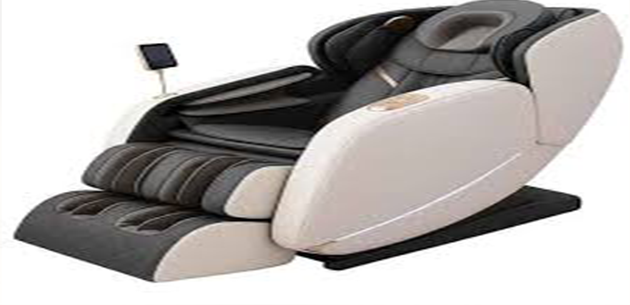
A Massage Chair is a powered seat that uses rollers, airbags, vibration, and heat to mimic parts of a hands-on massage. It’s built for comfort and muscle relief, especially after sitting all day or training, but it’s not medical treatment and it won’t “fix” an injury on its own. Think of it as a practical recovery tool you can use in short sessions, not a replacement for professional care when you need it.
In this guide, you’ll learn how massage chairs work in plain language, what features matter (and which ones are just noise), and how to pick a chair that fits your body size, space, and budget. You’ll also get clear safety tips, including who should check with a clinician first, plus a simple way to decide whether buying a chair makes sense or if booking regular spa sessions is the better move for you.
What a Massage Chair Actually Does, and How the Best Ones Work
A Massage Chair doesn’t “massage” the way a therapist does. There are no hands feeling knots and adjusting pressure second by second. Instead, the chair uses rollers to press and glide along your back, airbags to squeeze and release around your limbs, plus vibration and heat in some areas.
When it’s a good chair and it fits your body well, the result can feel surprisingly close to a basic hands-on session. You might notice looser shoulders, a calmer lower back, and easier breathing. Some people also sleep better after consistent use. Still, it’s best to keep expectations realistic: a chair supports comfort and recovery, but it won’t cure injuries or replace medical care when pain is sharp, sudden, or getting worse.
The main massage types you will see in chairs (kneading, tapping, shiatsu, rolling)
Most chairs mix a few “styles” into presets. Knowing what each one feels like makes demos less confusing, and it helps you avoid settings that feel too aggressive.
- Kneading: Rollers move in small circles or alternating motions, like thumbs working a tight spot. It usually feels slow and deep, especially around the shoulders and lower back. People who sit all day tend to like kneading because it targets that “stuck” feeling in the neck and upper traps.
- Tapping: A fast, rhythmic drumming effect. It can feel energizing, like a quick wake-up for tired muscles. Tapping often hits the mid-back and shoulders. Athletes sometimes like it post-workout, but sensitive users may find it too sharp at high intensity.
- Shiatsu: In chairs, this usually means firmer, more focused pressure on specific points, often combined with kneading. It can feel intense, like the chair is “pressing into” tight bands. It’s popular with people who like deep pressure, especially around the shoulder blades and lower back.
- Rolling: Rollers travel up and down your spine with steady pressure. This feels more like a stretch and warm-up than a knot-buster. Rolling is great for the full back, and it’s often the most comfortable choice for first-time users.
When you test a chair in-store or during a demo, keep it simple so you can feel what’s happening:
- Start gentle (lowest intensity, shortest session). Your body needs a minute to settle in.
- Test neck and lower back first, because poor fit shows up there fast. If the rollers hit too high or too low, comfort drops.
- Run a full-body program last, after you’ve adjusted speed, width, and intensity. A preset can feel “too much” only because one area is set too strong.
A good demo feels controlled and adjustable. If you’re bracing or holding your breath, the setting is too strong.
Key parts inside the chair: rollers, tracks, airbags, and body scanning
Think of the chair as a moving massage machine with a few core parts working together. Better chairs don’t just add more features, they improve how those parts fit your body.
Rollers do most of the “hands-on” work for your back. Many chairs let you change roller width and strength. Some also include a 3D or 4D style adjustment (more range in and out, plus speed changes). In plain terms, that means the chair can go from light pressure to deeper pressure without feeling like a hard plastic push.
Tracks are the rails the roller unit rides on. Track design affects where the rollers can reach:
- S-track follows the natural S-curve of your spine. It tends to keep steady contact along the neck, mid-back, and lower back, which many people find more natural.
- L-track extends farther down from the lower back toward the glutes and upper hamstrings. If you carry tension in your hips from sitting or driving, this extra coverage can matter.
If you want the simplest rule: choose S-track for spine contour and consistent back contact, choose L-track for more coverage down low.
Airbags provide the squeeze-and-release feeling. They don’t “dig in” like rollers, but they can relax you fast by compressing muscles and improving circulation comfort. You’ll often see airbags in:
- Shoulders and upper arms (helps with desk posture tightness)
- Forearms and hands (nice if you type or use your phone a lot)
- Hips and thighs (comforting pressure, can feel like a gentle hug)
- Calves and feet (great for standing jobs, or end-of-day heaviness)
Body scanning is the chair’s way of sizing you up. It uses sensors to estimate things like your height, shoulder width, and where your neck starts. Then it adjusts roller position and sometimes airbag timing. This matters because poor alignment is the fastest way to turn a relaxing session into an annoying one. If the “neck” rollers hit your upper back, you’ll tense up. If the lower rollers ride too high, your low back won’t get relief. Good scanning improves comfort and safety, because it reduces the chance of strong pressure landing in the wrong spot.
Heat, zero gravity, and stretching programs: what helps and what is just nice to have
Extra features can be helpful, but only if they match what your body actually needs. Otherwise, they’re just expensive buttons you won’t press.
Heat in a Massage Chair usually warms the lower back, and sometimes the seat, calves, or feet. It doesn’t get as hot as a heating pad for most models, and that’s a good thing. The goal is gentle warmth that helps your body relax so the rollers feel smoother. Heat is especially useful if you often feel stiff at the start of a session, or if your low back tightens after long sitting.
Zero gravity is a recline position that shifts your weight so you feel more “supported” and less compressed. In that posture, your back can soften into the chair, and roller pressure often feels deeper without needing higher intensity. People with tight hips or heavy-feeling legs also like it because it reduces pressure points from sitting upright.
Stretch programs use the recline plus airbags to hold and gently pull parts of your body, often around the hips, shoulders, and legs. Done well, it feels like a careful assisted stretch. Done too strong, it can feel like the chair is forcing range you don’t have.
Here’s a practical way to decide what’s worth paying for:
- If you want daily relaxation after work, prioritize comfortable rollers, good body scanning, and quiet operation. Heat is a solid bonus.
- If you deal with hip and glute tension, consider an L-track and a chair with decent stretch options.
- If your legs feel heavy after long days, strong calf and foot airbags can be more useful than fancy back modes.
- If you’re sensitive to pressure, focus on wide adjustability, especially roller intensity and speed, because that’s what keeps sessions pleasant.
Who should be careful or ask a doctor first
Most people can use a Massage Chair safely when they keep sessions short and intensity moderate. Still, a few situations call for extra caution, or a quick check-in with a clinician first.
Be careful or ask a doctor first if you have:
- Pregnancy (especially later stages, because pressure and positioning matter)
- Recent surgery or healing wounds
- Severe osteoporosis or fragile bones
- A history of blood clots or clotting disorders
- Serious back conditions (for example, severe disc issues, spinal instability, or nerve compression)
- Pacemakers or implanted devices (some chairs use strong motors and magnets, so confirm safety for your device and model)
- Uncontrolled high blood pressure
- Severe varicose veins, especially for strong calf compression
During any session, listen to your body and stop if something feels wrong. The chair should feel like pressure and release, not harm. End the session if you notice sharp pain, numbness or tingling that doesn’t fade quickly, or dizziness. When in doubt, drop intensity, shorten the session, and choose gentle rolling or light kneading until you know what your body tolerates.
How to Choose the Right Massage Chair for Your Body, Space, and Budget
A Massage Chair can feel amazing, or it can end up as a pricey coat rack. The difference is fit. Before you compare buttons and presets, decide what you want it to change in your day, then check if it suits your body, your room, and your long-term costs.
A simple decision process helps you stay grounded:
- Pick one main goal (not five). Pain relief and deep pressure often need different settings than sleep support.
- Confirm fit first (height, shoulder position, seat width, footrest reach). A perfect feature list can’t fix poor alignment.
- Choose essentials you’ll use weekly, then add extras only if they solve a real problem.
- Plan the logistics (space, delivery, power stability, cleaning, service access). This is where many buyers get surprised.
Start with your goal: pain relief, relaxation, recovery after workouts, or better sleep
Most people buy a Massage Chair hoping it will “do everything.” In practice, you get the best value by matching a chair’s strengths to your most common problem. Below are common buyer profiles, plus the features that usually matter most.
- Desk worker with neck and shoulder tension: You want a chair that “finds” your shoulders fast and doesn’t punch your neck.
- Look for good shoulder scanning and easy roller height adjustment.
- Prioritize adjustable intensity and roller width control, because neck areas can feel harsh.
- A neck pillow insert helps if rollers hit too high.
- Lower back soreness from sitting or driving: You need consistent contact in the lumbar area, plus warmth that loosens you up.
- Choose lumbar heat (not just “heat,” confirm where it lands).
- Look for strong, smooth rollers that can maintain pressure without feeling sharp.
- An S-track often keeps steadier lumbar contact, while an L-track adds glute coverage if hips also feel tight.
- Athlete or active person (post-workout recovery): Your legs take a beating, so don’t buy a chair that only focuses on the back.
- Prioritize calf and foot coverage, including foot rollers.
- Look for a stretch program and strong airbags in calves, thighs, and hips.
- Make sure intensity can go high, but also dial down for rest days.
- Older adults or anyone sensitive to pressure: Comfort and control matter more than power.
- Choose gentle programs and a clear way to lower intensity quickly.
- Prioritize easy controls (big buttons, simple remote, clear labels).
- Avoid chairs that only feel good on “deep” settings.
- Stress and sleep support: You’re buying calm, not a workout for your muscles.
- Look for a quiet motor and slow kneading programs.
- Heat can help, but only if it’s gentle and consistent.
- A smoother roller feel beats “strongest on the market” claims.
If your main goal is relaxation and better sleep, a chair that’s quiet and comfortable at low intensity will get used more often than a powerful chair that feels stressful.
Fit and comfort checks that matter more than fancy features
A Massage Chair should meet your body where it is. If the rollers miss your shoulder blades or the footrest can’t reach, you’ll keep shifting around, and that ruins the session. Start with the basics, even if the salesperson wants to show you Bluetooth speakers.
Key fit points to check before you fall in love with any feature:
- Height range: Confirm the chair can scan and adjust to your height. If you’re near the minimum or maximum, test carefully.
- Weight limit: Stay within the stated limit for safety and durability.
- Seat width and hip comfort: Tight seats cause pressure points. You shouldn’t feel squeezed before the airbags even start.
- Footrest extension: Your calves should sit naturally, not float. Your feet should reach the rollers without pointing your toes.
- Shoulder position: Rollers should land between the spine and shoulder blade, not on the shoulder joint.
- Neck pillow use: If neck rollers feel too intense, a pillow can soften contact. However, it shouldn’t force your chin forward.
Here’s a quick 5-minute test routine you can follow in a showroom (or during a home demo). Keep notes on your phone, because chairs blur together after the third try.
- Minute 1, scan and alignment: Run body scan, then check shoulder position. Adjust roller height until it matches your shoulders.
- Minute 2, gentle rolling: Use slow rolling up and down the back. Notice if contact stays even on the lower back.
- Minute 3, kneading on shoulders: Increase intensity one step. You want “good pressure,” not a flinch.
- Minute 4, feet and calves: Turn on foot rollers and calf airbags. Confirm the squeeze feels supportive, not painful.
- Minute 5, recline and noise check: Recline to your likely at-home position. Listen for motor noise and rattles.
Noise and upholstery affect daily use more than people expect. If you live in an apartment or share walls, a quieter chair matters. Also consider climate and comfort:
- Leather or faux leather wipes clean easily, but can feel warm and sticky in hot weather.
- Fabric breathes better, but can trap dust and oils, so you’ll need more frequent vacuuming or spot cleaning.
A short comfort checklist to keep you honest:
- Rollers hit the right zones without constant adjusting.
- Your feet reach without stretching.
- The chair feels good on low intensity, not only on strong modes.
- Noise stays tolerable in a quiet room.
- You can operate it fast, even when you’re tired.
Which features are worth paying for (and which you can skip)
Most feature lists look impressive. Still, only a few features decide whether your Massage Chair becomes a daily habit. Think in terms of “must use” versus “nice to have.”
Worth paying for (for most people):
- Adjustable intensity and speed: This is the difference between “I love it” and “it hurts.”
- Manual controls (not only presets): You should be able to move rollers to a spot and stay there.
- Reliable body scanning: Better alignment means better comfort, especially for neck and shoulders.
- Heat in the zone you need: Lumbar heat helps many people; extra heat zones only matter if you’ll use them.
Worth paying for if it matches your goal:
- Foot rollers: Great for standing jobs, runners, and anyone with tired feet.
- Calf and thigh airbags: Helpful for leg heaviness and recovery days.
- Saved programs: Useful if you want one-button sessions and share the chair with family.
Usually skippable extras (unless you truly care):
- Bluetooth speakers: Your phone and a small speaker already work.
- App control: Handy, but a simple remote is often faster.
- Voice control: Cool in theory, but not a deal breaker for comfort.
To make budgeting easier, here’s what you can generally expect by tier. Prices vary by market, so focus on capability, not labels.
| Budget tier | What you can expect | Best for |
|---|---|---|
| Entry | Basic rollers, fewer adjustments, limited heat, simpler foot and calf options | Light relaxation, occasional use, smaller budgets |
| Mid-range | Better scanning, more intensity steps, stronger rollers, improved airbags, more reliable presets | Most buyers who want regular back, neck, and leg relief |
| Premium | Smoother deep pressure range, more refined stretch, better leg work, quieter operation, more customization | People who will use it often and want a closer-to-therapist feel |
The practical takeaway: spend for fit and control first, then pay for legs, heat, and stretch based on your goal. Everything else comes last.
Practical buying details: space, delivery, power, cleaning, and long-term maintenance
A Massage Chair is heavy, bulky, and not fun to move twice. Before you pay, check where it will live and how it will get there. This matters even more in apartments, small homes, and buildings with tight staircases.
Start with space planning. Measure your spot, then measure your doorways and hallways.
- Wall-hugging recline: Some chairs need more clearance behind them when they recline. If space is tight, choose a model designed to recline closer to the wall.
- Door width and turns: Check the narrowest point, often a corridor corner or interior door. Also confirm if armrests or foot sections detach for moving.
- Stairs and chair weight: Many units require multiple people to lift safely. If you’re above ground floor, ask about delivery handling and setup.
- Placement for ventilation: Leave breathing room around vents and motor areas. Crowding a chair into a tight corner can trap heat and dust.
Power and reliability deserve extra attention, especially where power stability can vary.
- Plug into a stable wall outlet when possible.
- Use a surge protector to reduce risk from spikes.
- Avoid extension cords if you can. If you must use one, ensure it’s heavy-duty and rated for the load.
Cleaning is simple, but only if you keep it consistent. Sweat, body oils, and dust build up slowly, then suddenly look obvious.
- Wipe high-touch areas weekly with a slightly damp soft cloth.
- Use gentle cleaners that suit the upholstery, and avoid harsh chemicals that dry or crack surfaces.
- Keep the chair out of direct sunlight, because heat and UV can fade and weaken materials.
- Vacuum around the base so debris doesn’t end up in moving parts.
For long-term maintenance, treat it like any other machine in your home.
- Check visible bolts and screws every few months, especially if the chair creaks.
- Keep the roller track area clear of coins, toys, and cables.
- Confirm you can access the chair’s service points without dismantling your room setup.
- Pay attention to warranty terms, service support, and parts availability where you live. A slightly simpler chair with clear support can beat a complex chair that’s hard to service.
If you want one final reality check, use this quick pre-buy list:
- You have a measured spot, and the chair fits through every doorway on the path in.
- The chair feels comfortable on low settings and aligns well with your shoulders and lower back.
- You can commit to basic upkeep, and you’re clear on warranty and service options.
- Your power setup is safe, with a surge protector and a stable outlet nearby.
Massage Chair vs Professional Massage: When Each Option Makes More Sense
A Massage Chair can be a great at-home tool for stress relief and daily muscle comfort. A professional massage, on the other hand, shines when you need skilled hands, a trained eye, and care tailored to your body that day.
If you feel torn, that’s normal. Many people do best with a mix: use the chair for steady upkeep, then book a therapist when your body needs more than rollers and airbags can offer.
What a massage chair is great for at home (quick daily sessions, consistency, privacy)
A Massage Chair is at its best when you use it like brushing your teeth: short, regular, and easy to stick with. Most people get better results from 10 to 20 minutes at a time, 3 to 5 days a week, instead of one long session that leaves them sore.
Convenience matters because life gets busy. When you can sit down right after work, you’re more likely to actually do it. That consistency often means:
- Less end-of-day tightness in the neck, shoulders, and lower back
- A quicker “switch off” feeling after stressful hours
- A calmer body before bed, especially with low intensity and heat
Privacy is another win. You can wear what you want, stop whenever you want, and keep the pressure light without worrying about “wasting” a booked session. If you’re new to massage, that control can help you relax faster.
To get more out of your sessions, treat them like a simple routine, not a test of toughness:
- Hydrate: Drink water after, especially if you used heat or deep kneading. Dehydration can make you feel sluggish.
- Stretch gently after: A slow chest opener, neck side stretch, or hip stretch for 30 to 60 seconds can help the loosened muscles settle.
- Avoid heavy meals right before: A full stomach plus compression and recline often feels uncomfortable. Give yourself some time to digest.
If you only have 12 minutes, use them. A short session you repeat beats a perfect routine you skip.
What a trained therapist can do that a chair cannot
A Massage Chair follows programming. A trained therapist follows you. That difference shows up the moment something feels “off”, like when one shoulder sits higher, one hip feels locked, or a knot refers pain into your arm.
A therapist can start with a quick assessment and adjust the session based on what they find, for example:
- Targeted work: They can spend time on one stubborn area instead of moving on because the program ends.
- Real-time pressure changes: If your tissue tightens, they back off. If you finally soften, they can go deeper safely.
- Technique changes: They can switch between Swedish-style relaxation work, deeper focused pressure, and slower myofascial-style holds. A chair can’t “listen” with hands.
- Positioning and support: They can adjust your posture with bolsters and angles to reduce strain on your lower back or neck.
There’s also the “toolbox” factor. Chairs can add heat, compression, and rolling, but they can’t replicate skilled add-ons that change how your body responds, such as hot oil, hot stone, or aromatherapy. Those aren’t just nice extras for many people, they can help the nervous system relax so tight areas let go.
Chairs are still useful, but it helps to frame them correctly: a Massage Chair is a recovery tool, while a therapist provides personalized care. If you have a history of injuries, recurring knots that come back fast, or pain that changes week to week, hands-on work often makes more sense.
A simple cost and value breakdown over time
Cost is not only about price, it’s about cost per use and how often you’ll stick with it. A simple way to compare is to think in three buckets: upfront cost, ongoing costs, and how many sessions you’ll actually do.
Here’s a framework you can use with any chair and any massage rate:
- Chair cost per session = (Chair price + estimated maintenance) ÷ total sessions over its lifespan
- Professional cost per session = price per visit (plus travel and tips if you include them)
- Value check = are you getting the outcome you want, or just “some pressure”?
To make the math easy, assume a chair lasts 5 years and you spend a small amount on basic upkeep. Then estimate your total sessions.
Scenario 1: Light user (2 sessions/week)
That’s about 100 sessions a year, or 500 sessions in 5 years.
If a chair costs C, your rough chair cost per session is C ÷ 500 (before maintenance). For a light user, the chair can still pay off, but only if you truly use it every week.
Scenario 2: Regular user (4 sessions/week)
That’s about 200 sessions a year, or 1,000 sessions in 5 years.
Now the per-session cost becomes C ÷ 1,000. This is where a Massage Chair often shines, because you’re spreading the cost across many uses.
Scenario 3: Family use (2 people, 3 sessions/week each)
That’s about 300 sessions a year combined, or 1,500 sessions in 5 years.
Per-session cost becomes C ÷ 1,500. If multiple people use it, the value can improve fast, as long as the chair fits everyone well.
Maintenance and wear matter too. Over time, you may deal with upholstery wear, noisy moving parts, or electronics issues. That risk is part of the deal with any machine. Still, even with occasional upkeep, the cost per session can stay low if you use it consistently.
Meanwhile, professional massage stays a steady per-visit cost. It’s usually “more expensive per session”, but you pay for expertise, not hardware. If you only need hands-on work once a month, booking sessions may beat buying a chair you rarely use.
A balanced plan: combine a massage chair routine with occasional spa visits
For a lot of people, the best approach is not either-or. It’s maintenance at home, plus targeted help when your body asks for it. Think of the Massage Chair as your weekly cleanup crew, and the therapist as the specialist you call when something needs careful attention.
A realistic schedule looks like this:
- Weekdays: 10 to 20 minutes on the chair, 3 to 5 times a week, lower intensity, focus on shoulders, back, hips, and calves.
- Monthly: one professional session for deeper work and a reset.
- As needed: book sooner during high-stress weeks, heavy training blocks, long travel, or when a tight area keeps returning.
You’ll get more from the spa visit if you share what you’ve noticed at home. Before your appointment, take 30 seconds to think through these points:
- Where you feel tight most often (for example, right shoulder blade, left hip, lower back).
- What the chair pressure feels like (too sharp on the neck, great on the calves, not enough on glutes).
- What makes symptoms better or worse (driving, desk work, workouts, sleep position).
That information helps a therapist choose pressure, pace, and technique. It also helps them avoid wasting time on areas that don’t need much attention.
One more tip: don’t try to “beat yourself up” with the chair the day before a deep massage. If you want both in the same week, keep chair sessions gentle, so your body arrives relaxed instead of irritated.
Conclusion
A Massage Chair works best as a steady, at-home routine, short sessions, good fit, and settings you can control. When you buy for your body and your space (not for the longest feature list), you get comfort you will actually use, and that is what brings results over time. Most importantly, consistency beats intensity, start gentle, then build up as your body adapts.
Use this quick checklist before you decide:
- Goal: relaxation, daily stiffness, workout recovery, or sleep support
- Fit: height range, shoulder alignment, seat comfort, footrest reach
- Intensity control: enough steps to stay comfortable, plus manual spot control
- Track type: S-track for spine contour, L-track for glutes and upper hamstrings
- Airbags: check calves and feet if leg fatigue is a big issue
- Heat: confirm it reaches the zones you care about (often the lower back)
- Noise: quiet enough for your home and your schedule
- Space: clearance for recline, plus delivery path through doors and halls
- Warranty and service: clear support and parts access where you live
- Budget: pay for fit and adjustability first, then extras you will use weekly
If you can, test a chair before buying, even a quick 5-minute run tells you a lot. Then, when it arrives, start slow for the first week, your body will thank you.
Thanks for reading, if tension or stress keeps coming back, a hands-on session can still make a big difference. Consider booking a professional massage when you want targeted work, a reset, and real-time adjustments.