Nairobi can be hard on the body. Long commutes, hours at a desk, and a quick gym session after work can leave your back tight, your calves sore, and your shoulders feeling stuck.
A Massage Gun is a handheld device that uses rapid pulses to massage your muscles. It can feel like quick relief, especially when you don’t have time for a full session, but it also comes with a learning curve.
This guide will help you pick the right massage gun for your needs, from power and attachments to battery life and noise level. It will also show you how to use it safely, which muscles respond best, and how long to spend on each area so you don’t end up more sore than you started.
Just as important, you’ll learn when a massage gun isn’t the best choice. Some pain needs rest, a proper assessment, or hands-on care, especially if you have a recent injury, nerve pain, swelling, or a condition like varicose veins. By the end, you’ll know when a quick self-massage makes sense, and when it’s smarter to book a professional massage instead.
Massage Gun basics, what it does, and who it helps most
A Massage Gun is built for quick muscle work, not luxury. Think of it like a small power tool for your soft tissue, it taps fast so your body can let go of “guarded” tightness. That’s why it’s popular with Nairobi runners, gym goers, desk workers, and people on their feet all day like salon and hospitality staff.
Used well, it can help you feel looser, warm up faster, and calm soreness after activity. Used badly, it can irritate a tender spot and leave you more sensitive. The goal is simple, help a tense muscle relax so you move better and feel less stiff.
How a massage gun works, in plain language
Most massage guns use percussion therapy, which is just fast tapping into the muscle. Picture someone drumming their fingers quickly on your shoulder. Now imagine the drumbeat is steady, controlled, and can be adjusted. That tapping can help reduce the “tight and protective” feeling your muscles get after a long day, a workout, or a tense commute.
Three settings matter more than fancy features:
- Amplitude (stroke length): How far the head travels in and out.
A higher amplitude feels deeper, like a firm thumb pressing into the muscle. A lower amplitude feels lighter, like a quick surface rub. If your calves feel like rocks after walking in town, higher amplitude can feel more satisfying, but only if you keep the pressure gentle. - Speed (percussions per minute): How fast it taps.
A slower speed often feels more tolerable on sore areas. A faster speed can feel great for warm-ups, but it can also feel “too intense” on tender muscles. When you’re unsure, start slow, then increase speed if it feels good. - Force (how hard it hits, plus how hard you push): Some devices hit harder by design, but your hand also adds force.
The safest approach is to let the gun do the work. If you press like you’re trying to “break a knot,” your body may tighten up to protect itself.
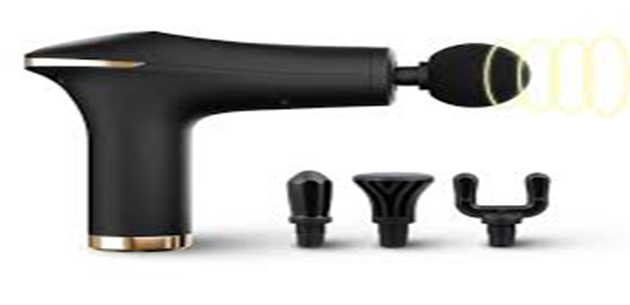
Attachments change how the pressure spreads:
- The ball head is a friendly all-rounder for big muscles like glutes and quads because it spreads pressure.
- The flat head feels more even, so it suits broad areas like the back (avoid the spine itself).
- The bullet head concentrates pressure into a small point, so it can feel intense fast. Use it carefully on thicker muscles, not bony areas.
- The fork head is shaped to work around structures like the Achilles area or along the sides of the spine, but you still avoid bones.
A quick note on vibration vs percussion: vibration often feels like a constant buzzing, while percussion feels like rapid tapping with more “in and out.” Percussion tends to reach deeper tissues more easily, while vibration can feel gentler and more calming on the surface. In real life, many devices blend both sensations, but you’ll still notice whether it feels like a buzz or a tap, and that changes comfort and depth.
If the sensation makes you tense up or hold your breath, it’s too much. Lower the speed, use a softer head, or reduce pressure.
What it can help with (and what it cannot fix)
A massage gun can be a practical tool for everyday tightness. It works best when the problem is muscular tension, mild overuse, or post-workout soreness, not when there’s a serious injury underneath.
Here are common situations where it often helps:
- Sore calves after walking: Great for people who cover long distances in Nairobi or stand for work. Use light pressure, and keep moving instead of staying in one spot.
- Tight lower back from sitting: Useful on the muscles next to the spine, the glutes, and hips. Avoid direct contact on the spine or tailbone area.
- Stiff shoulders and neck tension: It can help around the upper traps and shoulder blades, especially after laptop hours. Keep it gentle, and don’t hammer the front of the neck.
- DOMS after workouts (delayed onset muscle soreness): Helps reduce that “heavy legs” feeling a day or two after training. It won’t erase soreness, but it can make you feel more mobile.
Realistic benefits to expect:
- Temporary pain relief because the area feels less guarded
- Better warm-up before training because blood flow and comfort improve
- Less tightness after a long day, so you move more freely
Now the limits, because they matter. A massage gun does not heal:
- Torn ligaments or tendons
- Fractures or stress fractures
- Nerve issues (numbness, tingling, burning that travels down an arm or leg)
- Deep swelling, infections, or unexplained lumps
Also, it won’t “fix posture” by itself. Tight muscles are usually one part of the story. Strength, sleep, stress, and movement habits still matter.
Pay attention to red flags. If pain is sharp, sudden, spreading, or getting worse, stop and get checked by a clinician. The same goes for new weakness, numbness, or swelling, because pushing through can delay proper care.
When a massage gun is a smart choice vs booking a massage session
A massage gun shines when you need fast, local relief at home. It’s ideal for maintenance, warm-ups, and those small flare-ups of tightness that pop up after a run, a leg day, or a long matatu ride. You control the time, you don’t need an appointment, and you can treat one spot for a minute or two before bed.
On the other hand, a professional massage does things a device can’t. Skilled hands can read tissue, adjust angles, and work gradually through layers without overloading one tender point. You also get full-body relaxation, which matters when stress is driving your tension. Many people feel a deeper reset after a session, especially if the tightness keeps coming back.
Here’s a simple way to choose:
- Choose a massage gun when you have mild tightness, workout soreness, or you want a quick warm-up.
- Book a massage session when you want full-body work, you’re not sure what’s causing the pain, or the area stays tight no matter what you do.
The best results often come from pairing both. Use the Massage Gun for short, regular touch-ups, then schedule a professional session every so often to address patterns, not just symptoms. That balance helps Nairobi’s active crowd stay consistent, whether you’re training, working long shifts, or spending most days at a desk.
How to choose a massage gun that fits your body, budget, and lifestyle
A Massage Gun can be a helpful tool, but only if you actually use it. The best choice is the one that feels comfortable in your hand, suits your sensitivity level, and still has enough power for the muscles you want to treat.
In Nairobi, the “right” pick also depends on real life details: apartment noise, how often you travel with it, how easy it is to charge, and whether you can trust the seller. Get those basics right, and you’ll avoid the common cycle of buying an intense device, using it twice, then leaving it in a drawer.
Key specs that matter, stroke length, stall force, speeds, and noise
Specs sound technical, but they translate to simple outcomes: how deep it feels, whether it stalls when you press, and if it annoys your neighbors.
Stroke length (amplitude) is how far the head moves in and out each tap. Longer stroke usually feels deeper, even with light pressure. Shorter stroke tends to feel gentler and more “surface level,” which many beginners prefer.
- If you’re petite, very sore, or new to self-massage, a short-to-mid stroke often feels safer and easier to control.
- If you’re working on big legs (quads, glutes, calves) after training or long walks, a mid-to-long stroke can feel more satisfying, as long as you don’t press too hard.
Stall force is how much pressure the motor can handle before it stops. This matters because most people press harder than they think. A weak motor that stalls easily can be frustrating on thick muscles like thighs, and it can make you push even more, which is the opposite of what you want.
Here’s an easy way to think about stall force in real use:
- Lower stall force: Better for gentle work, sensitive bodies, and light pressure habits.
- Higher stall force: Better for athletic legs and people who want steady power without the device “giving up.”
Speeds (percussions per minute or RPM) control the tapping rate. More speed isn’t always better. On a tender day, fast tapping can feel sharp and irritating. For many people, comfort comes from starting slow, then increasing only if the area relaxes.
Beginner-friendly guidance:
- For warm-ups, moderate speeds can feel energizing without being harsh.
- For soreness or tight trigger spots, slower speeds are often easier to tolerate.
- For older adults, or anyone with thin skin or lower muscle mass, gentler speeds plus a soft head usually feels best.
Noise level is the spec people ignore, then regret. A loud Massage Gun can break the calm of your evening and make consistent use less likely. If you live in an apartment, share a room, or like winding down at night, quieter matters.
A tool that feels awkward or sounds annoying won’t become a habit, even if it has “better specs” on paper.
To make the numbers feel practical, this table gives beginner-friendly ranges to look for when comparing options. Brands measure noise and power differently, so treat this as a guide, not a strict rule.
| Spec | What it affects | Beginner-friendly range | When to go higher |
|---|---|---|---|
| Stroke length | Depth of the tap | 8 to 12 mm for most people | 12 to 16 mm for bigger legs and athletic users |
| Stall force | Whether it stalls under pressure | 10 to 18 kg for light pressure users | 18 kg+ for quads, glutes, and firmer pressure habits |
| Speed range | Comfort and control | Low speeds available (about 1,600 to 2,000 PPM) | Higher top-end for warm-ups, if you tolerate it |
| Noise | Whether you’ll use it often | 55 dB to 65 dB feels apartment-friendly | Above that is often “TV competing” loud |
One more “real person” tip: don’t chase intensity. If you’re very sore, recovering from a tough workout, or you’re older, choose a device that has true low settings. A Massage Gun that starts too aggressively can make you tense up, which defeats the point.
Attachments and ergonomics, picking what you will actually use
Attachments are like shoes. You might get five pairs in the box, but you’ll wear two. Pick a Massage Gun that includes the heads you’ll honestly reach for, and skip the ones that look fancy but feel too sharp.
For most people, these are the attachments that matter:
- Ball head (round): Best for large muscles like quads, glutes, and hamstrings. It spreads pressure, so it’s forgiving. If you buy one head only, this is usually it.
- Flat head: Great for broad areas where you want an even feel, like the pecs (carefully), upper back muscles (not the spine), and thighs.
- Bullet head: Useful for small, thick muscle areas, but it can feel intense fast. Treat it like a “precision tool,” not an everyday head. If it makes you flinch, switch heads.
- Fork head: Often used around the Achilles area and along either side of the spine (still avoid bones). It can also feel good on calves if you keep pressure light.
Now the “where does what work best” part that most buyers want:
Large muscles (glutes, quads, hamstrings, upper traps)
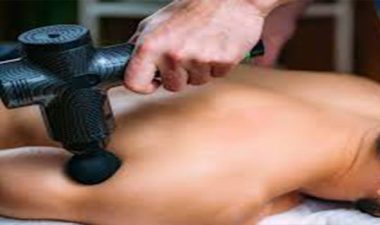
Use the ball or flat head. Keep the gun moving slowly, like you’re painting a wall. If you stay in one spot too long, tenderness can spike.
Around the shoulder blades (hard-to-reach upper back)
Use a flat or softer head, and prioritize reach. Many people buy a powerful Massage Gun, then realize they can’t angle it well for the upper back. If your shoulders get cranky from desk work, ergonomics matters as much as motor power.
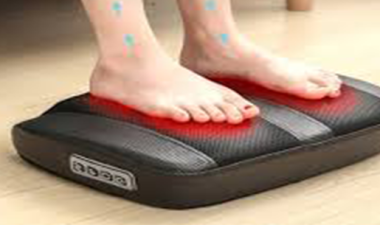
Feet (sole and arch)
A ball head on a low setting can feel good, especially after a long day walking in town. Still, don’t hammer the heel bone. Keep it light, and limit time in one area.
Calves (tight from walking, running, or heels)
The ball head works well for most people. A fork head can feel nice around the Achilles region, but don’t press into the tendon itself. Stay on the muscle belly, not the rope-like tendon.
Safety matters more with attachments because the wrong head can turn a useful session into a bruised one. Keep these rules simple:
- Avoid bony areas (shin bone, kneecap, ankle bones, spine, collarbone). If it sounds like tapping a table, you’re too close to bone.
- Avoid the front and sides of the neck. Don’t use a Massage Gun near the throat area. Stick to upper traps and muscles around the shoulder blades, and keep it gentle.
- Don’t chase “knots” aggressively. If you feel sharp pain, numbness, or tingling, stop.
Ergonomics is the quiet dealbreaker. Handle shape affects whether you can reach your own back without twisting.
- Straight handles feel simple, but they can be harder for upper back reach. Many people end up over-bending the wrist.
- Angled handles often make it easier to reach shoulders and mid-back with less strain.
- Triangular handles (or multi-grip styles) can help you hold the gun in different positions, which is useful when your hands get tired.
If you want one quick test before buying, hold the device and mimic reaching your opposite shoulder blade. If your wrist feels strained in five seconds, it will feel worse in real use.
Battery, charging, travel, and maintenance for Nairobi conditions
Battery life sounds like a small detail, until your Massage Gun dies mid-week and you can’t find the charger. Nairobi routines also include gym bags, dusty shelves, and hot afternoons, so practical ownership matters.
Battery expectations (realistic, not marketing): most people use a Massage Gun in short bursts, not 30-minute sessions. With regular 5 to 10-minute use, many decent devices last several days to a couple of weeks between charges, depending on power level. Higher speeds drain faster. Cold rooms also reduce battery performance, although that’s less of a concern for most Nairobi homes.
Charging type matters more than you think:
- USB-C charging is easier because you can share chargers with phones and laptops, and replacements are simple to find.
- Proprietary chargers work fine until they get lost or damaged. Then you’re stuck searching for a matching plug.
If you plan to carry it, look for a carrying case that fits the gun and the attachments without forcing the zip. A tight bag leads to crushed foam, loose heads, and grime building up around the attachment mount. A case also stops the trigger from getting pressed in your gym bag.
Nairobi conditions can be rough on small devices, especially if your space gets dusty or you move around a lot. A few habits keep your Massage Gun feeling new:
- Wipe it after use with a soft, slightly damp cloth, especially the handle and attachment heads. Body oils and lotion make dust stick.
- Keep vents clear. The motor needs airflow. If lint and dust clog vents, heat builds up, and performance drops.
- Check the attachment mount for grit. A crunchy or loose fit can cause rattling later.
Heat is another silent issue. Many lithium batteries dislike high temperatures, and plastic parts can warp over time. Storage is simple:
Store it indoors, in a dry place, away from direct sun. Avoid leaving it in a parked car, especially during hot afternoons. Even if it still “works,” heat can shorten battery life and increase the chance of early failure.
If you travel often, also consider weight. A heavy Massage Gun might feel powerful, but it becomes a burden if you never pack it.
How to spot quality and avoid fakes when buying locally
Buying locally is convenient, but it also comes with counterfeit risk. A fake Massage Gun can look convincing in photos, then arrive with weak power, loud rattling, and poor battery life. Safety is part of this too, because cheap batteries and poor wiring can overheat.
Start with the basics that protect you after the sale:
Ask for proof of warranty and a clear return policy. A real seller states the warranty period, how to claim it, and what counts as a defect. If the answer is vague, treat that as a warning.
Check for serial numbers and packaging details. Many legit devices include:
- A serial number on the unit or box
- A warranty card or registration method
- A manual with clear English and consistent branding
Poor print quality, missing contact details, and “too generic” packaging often show up with fakes. One sign alone doesn’t prove anything, but several signs together should slow you down.
Pricing also tells a story. If a seller offers a “top spec” Massage Gun at a price that seems impossible, it usually is. Deep discounts happen, but they should still feel realistic compared to the rest of the market.
Before you pay, test it if you can. Listen and feel, not just the power setting on the screen.
- Excessive vibration in the handle suggests poor balancing. You want the head to do the work, not your wrist.
- Rattling noises often mean loose internal parts or low build quality.
- Overheating after a few minutes on moderate speed is a red flag. Warm is normal, hot is not.
A simple strength check helps too. Turn it to a moderate setting and apply reasonable pressure into your thigh muscle (not maximum force). A strong motor should not stall easily on the thigh. If it stops with light pressure, it may struggle on glutes and calves.
Seller reputation matters, especially online. Look for consistent reviews, a physical location, and a way to reach them after purchase. Also, keep your receipt. It’s boring, but it’s your backup plan.
If the seller won’t support a return for a faulty unit, you’re buying a problem, not a tool.
To make the buying decision faster, here’s a simple checklist you can screenshot and use while shopping.
Quick Nairobi buyer checklist (screenshot this)
- Comfort first: The handle feels secure, and the weight won’t tire your hand fast.
- Gentle options: It has a true low speed that doesn’t feel harsh on sore muscles.
- Power match: It won’t stall easily on the thigh with moderate pressure.
- Noise check: It’s quiet enough that you won’t avoid using it at night.
- Useful heads: At least a ball and flat head feel good on your body.
- Safe reach: You can reach your upper back without twisting your wrist.
- Charging sanity: USB-C preferred, or the charger is easy to replace.
- Travel-ready: A proper case fits the gun, heads, and charger.
- Aftercare: Vents are easy to keep clean, and the body wipes down easily.
- Legit purchase: Warranty details are clear, serial number is present, return policy exists.
- Quality feel: No rattling, no harsh handle vibration, no quick overheating.
If you match the tool to your body and routine, the Massage Gun becomes a steady helper, not a noisy gadget you regret buying.
Safe and effective massage gun routines for common problem areas
A Massage Gun works best when you treat it like a dial, not a hammer. You want enough pressure to help a tight muscle soften, but not so much that your body braces. In other words, your goal is smoother movement, easier breathing, and less stiffness after, not a “beaten up” feeling.
Use the routines below as templates. Adjust speed and pressure based on how you feel that day, especially after a hard gym session, a long walk in town, or hours stuck in traffic. If something feels wrong, stop early and give the area a break.
The best sign you’re doing it right is simple: the muscle lets go while you can still breathe normally.
Simple rules to follow every time (time, pressure, and pain signals)
Before you start, pick the right setup. Use a ball or flat head for most areas, choose a low speed, and test on a big muscle first (like the quad). A Massage Gun should feel controlled and steady, not like it’s bouncing you around.
Here are rules that keep almost everyone safe:
- Start low, then build: Begin on the lowest speed for 10 to 15 seconds. Increase only if the muscle relaxes.
- Keep moving, always: Glide slowly over the muscle, about 2 to 3 cm per second. Don’t “park” on one point.
- Use short time blocks: Spend 30 to 60 seconds per muscle group, then move on. If you need more, do another pass later.
- Light pressure wins: Let the head sink into the muscle with the gun’s weight. If you’re white-knuckling the handle, you’re pushing too hard.
- Avoid numbness or tingling: If you feel pins and needles, burning, or electricity, stop. That can mean you’re irritating a nerve.
- Never use it on broken skin: Skip cuts, rashes, bruises, fresh scars, or inflamed acne. Also avoid any area that feels hot and swollen.
- Stay off bones and joints: If it sounds loud and “tappy,” you’re too close to a bony spot. Shift onto the muscle belly.
- Don’t use it on the front of the neck: Keep it on safer zones like upper traps and upper back muscles (more on that below).
Now the most important skill: knowing good pain vs bad pain.
“Good pain” (safe discomfort) usually feels like:
- A dull, broad ache that fades as you keep moving.
- A “hurts so good” pressure that makes you exhale, not tense.
- Warmth spreading through the muscle, followed by easier movement.
“Bad pain” (stop signals) often feels like:
- Sharp, stabbing pain, or a pinch that makes you flinch.
- Tingling, numbness, burning, or symptoms that travel down a limb.
- Pain that gets worse with each second, or makes you hold your breath.
- Tenderness that spikes later with swelling or bruising.
A simple check while using the Massage Gun: rate it out of 10. Aim for 3 to 5 out of 10. If you drift to 6 or more, reduce speed and pressure, or move to a nearby area.
Finish with quick aftercare so the results last longer:
- Hydrate: Have water after, especially if you trained or you’ve been in the heat.
- Light stretching: Hold gentle stretches for 15 to 25 seconds, no forcing. Think of it like “showing” the muscle its new length.
- Easy movement: A short walk around the house helps your body keep that loosened feeling.
Quick routines for legs, feet, and hips after walking, running, or gym
Nairobi life gives your legs a lot of work. Long walks between meetings, hikes on weekends, football with friends, cycling, or standing all day in retail or hospitality can load the calves, hips, and glutes. These routines keep you loose without overdoing it.
A few safety notes before the steps:
- Use a ball head for calves, quads, hamstrings, and glutes.
- Use low to medium speed, especially after intense training.
- Stay on muscle, not bone (avoid shin, kneecap, ankle bones, and the hip point).
- For the IT band area, treat it as a guide. Work the muscles next to it (front outer quad and side glute), and never dig into the side of the knee.
Pre-workout leg warm-up (2 to 4 minutes)
Use this before a run, gym session, or a football game. Keep pressure very light and speed moderate.
- Calves (30 seconds each): Sweep from above the Achilles up toward the back of the knee, staying on the soft part.
- Quads (30 seconds each): Glide from mid-thigh toward the hip, then back down.
- Glutes (30 seconds each): Work the outer and upper glute area, not the tailbone.
You’re done when the legs feel warmer and more “ready,” not sore.
Recovery routine (5 minutes total)
This is for after walking in town, a quick run, or a gym leg day when you want fast relief.
- Calves (60 seconds total)
Spend 30 seconds on each calf. Move slowly. Pause briefly on tight spots (2 to 3 seconds), then keep moving. - Quads (60 seconds total)
Focus on the mid-thigh and upper thigh. Avoid the kneecap area. If you feel sensitivity near the front of the hip, lighten pressure and shift slightly inward. - Hamstrings (60 seconds total)
Work the back of the thigh, stopping well above the back of the knee. The lower hamstring area can feel tender, so keep it gentle. - Glutes and hip rotators (90 seconds total)
Do 45 seconds each side. Aim for the “back pocket” area and upper outer glute. This often helps after long sitting or cycling. - Feet (30 seconds total)
On a low setting, roll lightly along the arch and the fleshy part near the heel (not the heel bone). If it feels too intense, do the foot work with a softer setting or skip it.
Takeaway: this short routine hits the big movers and calms the legs without stirring up extra soreness.
Longer recovery routine (12 minutes total)
Use this after a long hike, a harder run, a heavy squat session, or a day where you stood for hours. Keep speed low to medium. Pressure stays light to moderate.
- Feet and lower leg reset (2 minutes)
- Feet (60 seconds total): 30 seconds per foot along the arch and mid-sole.
- Calves (60 seconds total): 30 seconds per calf, then repeat the tightest side for another 15 seconds if needed.
- Quads (2 minutes)
- Each quad (60 seconds): First pass is light and fast enough to feel warmth. Second half is slower over tender zones.
- Hamstrings (2 minutes)
- Each hamstring (60 seconds): Stay centered on the muscle belly. If the back of the knee feels sensitive, move higher.
- Glutes (3 minutes)
- Each side (90 seconds): Spend the first 60 seconds on the upper outer glute, then 30 seconds closer to the center of the glute. Avoid the bony rim of the pelvis.
- Hip flexor and front hip area (1 minute)
Many people get tight here from sitting and cycling. Don’t press into the front hip bone. Instead, work the upper quad area just below the hip, 30 seconds each side, very light. - IT band area support work (2 minutes)
This is where people often go wrong. The goal isn’t to punish the side of the thigh.
- Outer quad (1 minute total): 30 seconds each side on the front outer thigh.
- Side glute (1 minute total): 30 seconds each side on the upper side glute.
Keep away from the side of the knee. If you feel a sharp zing near the knee, you’re too low.
Finish with 30 to 60 seconds of easy walking, then do a gentle quad and calf stretch. Your legs should feel lighter, not shaky.
If you feel sore for more than a day after using the Massage Gun, you likely used too much pressure or stayed too long in one spot.
Desk worker reset for neck, shoulders, and upper back (without risky spots)
Desk tension is common in Nairobi, especially if you work on a laptop, sit in meetings all day, or spend hours driving. The tightness usually isn’t only one “knot.” It’s often a pattern: head forward, shoulders up, and upper back muscles working overtime.
This routine targets safe, meaty areas:
- Upper traps (the muscle between the neck and shoulder)
- Shoulder blade muscles (around the scapula, not on the bone edge)
- Mid-back muscles (either side of the spine, not on the spine)
Areas to avoid with a Massage Gun:
- Front or sides of the neck (throat area and the big vessels)
- Directly on spine bones (neck, mid-back, lower back)
- Armpit area (sensitive nerves and vessels)
- Collarbone and shoulder point (too bony and easy to irritate)
Quick desk break routine (4 to 6 minutes)
Do this once or twice a day. Keep the speed low and pressure light. You can do it standing, with one arm resting on a desk to relax the shoulder.
- Upper traps (60 seconds total)
Do 30 seconds each side. Stay on the thick muscle, not the neck itself. If the head feels too intense, switch to a softer attachment or reduce speed. - Shoulder blade area (2 minutes total)
Spend 60 seconds per side around the shoulder blade muscles. Move in slow passes: top of the shoulder blade area, then mid, then lower. Avoid the sharp edge of the shoulder blade. - Mid-back (60 seconds total)
Work either side of the spine at bra-line level (or slightly above). Keep the gun flat, and don’t angle into the spine. - Chest opening (optional, 60 seconds total)
If your chest feels tight from hunching, lightly treat the front shoulder area (upper pec), staying away from the collarbone. Keep it gentle and short.
Then pair it with simple posture moves. They take less than a minute, but they lock in the benefit.
- Chin tuck (5 reps): Slide your head straight back (like making a double chin), hold 2 seconds, then relax. Don’t tilt up or down.
- Shoulder rolls (8 reps): Roll up, back, then down. Slow circles, not fast spins.
- Stand and breathe (3 slow breaths): Let the ribs expand, relax the jaw, and drop the shoulders.
Make it safer with better timing
A Massage Gun can’t undo eight hours of sitting by itself. The win comes from small resets.
Try this rhythm:
- Every 45 to 60 minutes, stand up for 30 to 60 seconds.
- After two or three sitting blocks, do the quick routine above.
- Keep your screen closer to eye level, so your neck doesn’t crane forward.
If your neck pain comes with headaches, dizziness, arm tingling, or pain shooting down the arm, skip the Massage Gun and get assessed. Those signs can point to irritation beyond simple muscle tightness.
Sensitive areas and special cases, lower back, pregnancy, and medical conditions
Some areas need extra caution because they sit close to bones, organs, or sensitive nerves. When in doubt, choose the gentler option: lower speed, lighter pressure, and shorter time.
Lower back, what’s safe and what to avoid
A Massage Gun can help the lower back when the issue is tight muscles from sitting, lifting, or stress. Still, the target is the muscles beside the spine, not the spine itself.
Safe approach:
- Use a flat or ball head on low speed.
- Work the erector muscles (the thick muscles running along both sides of the spine).
- Keep each side to 30 to 45 seconds, then move to glutes and hips.
Avoid:
- Directly on the spine bones.
- The kidney area (upper part of the low back, more toward the sides). If you’re not sure, stay lower and closer to the spine muscles, but never on the bone.
- Any spot that feels sharp, hot, swollen, or deeply bruised.
Often, the best lower back relief comes from treating nearby helpers:
- Glutes (60 to 90 seconds) per side
- Hip rotators (30 to 45 seconds) per side
- Upper hamstrings (30 seconds) per side
That takes strain off the back without overworking the sensitive area.
Ask your doctor first (don’t gamble here)
Skip DIY Massage Gun work until you get medical clearance if any of the following apply:
- Pregnancy (especially high-risk pregnancy)
- Blood thinners or bleeding disorders
- Varicose veins or vein problems
- Recent surgery or recent injections in the area
- DVT risk (history of clots, sudden leg swelling, unexplained calf pain)
- Neuropathy (reduced sensation, numbness, diabetic nerve pain)
- Uncontrolled hypertension or heart conditions where intense stimulation may be risky
Also be careful if you bruise easily, have fragile skin, or have an active flare of inflammation.
When to choose a professional therapist instead of DIY
A Massage Gun is great for simple maintenance. It’s not the best tool for complex pain or recurring issues. Book hands-on care (or get assessed first) if:
- Pain keeps returning in the same spot despite lighter use and rest.
- You feel nerve-like symptoms (tingling, numbness, burning, shooting pain).
- You have swelling, redness, warmth, or fever.
- There’s a new lump, unexplained bruising, or you suspect an injury.
- Your range of motion is dropping, for example you can’t turn your head or lift your arm normally.
Hands-on treatment also makes sense when you need full-body downshift, not just one tight muscle. A therapist can adjust pressure minute by minute, work around tender structures, and help you connect the dots between stress, posture, and movement habits.
If you do use a Massage Gun in special cases, keep it simple: short sessions, gentle settings, and stop early. You can always do another light pass tomorrow.
Conclusion
A Massage Gun can be a solid home tool for Nairobi life, it helps with everyday tightness, warms muscles before training, and takes the edge off soreness after long walks, desk days, or gym sessions. The best results come from picking a device that matches your body (comfortable grip, true low speeds, the right stroke length, and noise you can live with), then using it with light pressure, short time blocks, and zero time on bones, joints, or the front of the neck.
Keep it simple for the next two weeks. First, choose the specs that fit your routine and sensitivity. Next, start with a short 4 to 6-minute routine on your main problem areas, then stop. Finally, track how you feel the next day (sleep, soreness, and range of motion), and adjust speed or time instead of pressing harder.
Home recovery works best when you balance it with occasional hands-on care, especially when stress and posture keep bringing the same tension back. Thanks for reading, if you try a Massage Gun routine this week, what’s the one area you want to feel looser first?