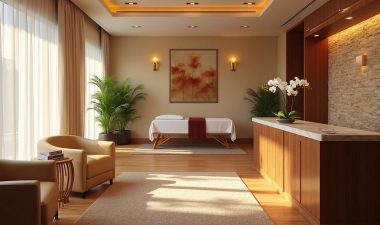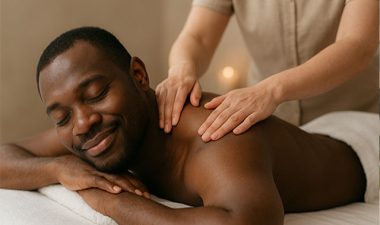
Kilimani is one of those parts of Nairobi where everything moves fast. You can walk to meetings, grab lunch, then sit in traffic on your way home, all in the same day. After a while, your neck tightens, your back aches, and sleep starts to feel light.
A massage in Kilimani Nairobi, like The Aroma Massage & SPA, Kilimani can help you reset, but only if you pick the right place and the right style for your body. This guide breaks it down in plain terms, so you don’t waste money on a session that doesn’t match what you need.
First, you’ll learn how to choose a massage based on your goal, whether that’s stress relief, muscle soreness, or simple relaxation. Next, you’ll see what to expect from the moment you arrive, including privacy, pressure levels, and how a good therapist checks in during the session.
You’ll also get practical prep tips, like what to eat (and not eat) before you go, what to wear, and when it’s best to book. We’ll talk about typical pricing ranges in Kilimani, what can affect the cost, and how to spot red flags that suggest a deal isn’t worth it.
Finally, you’ll get quick safety and hygiene checks to use before you commit, plus aftercare advice to help the results last longer. By the end, you’ll know how to book with confidence and leave feeling lighter, looser, and more rested.
Why people book massage in Kilimani Nairobi, and what benefits you can realistically feel
Most people don’t book a massage because they want luxury. They book because their body feels switched on all day, then refuses to switch off at night. In Kilimani, that can look like back and neck tension after desk work, a dull headache after hours on screens, or legs that feel heavy after the gym.
A massage in Kilimani Nairobi can help you feel more at ease in your body. The key is to keep expectations realistic. You might feel calmer, looser, and sleepier. You might also notice less stiffness and fewer “hot spots” in your shoulders or hips. What it won’t do is “fix everything” in one session, especially if the tension built up over months.
If pain is severe, spreads, or comes with numbness, weakness, fever, or a recent injury, talk to a doctor first. Massage should support your comfort, not replace medical care.
Stress, burnout, and better sleep: what a good massage can do
When stress stays high, your body behaves like it’s bracing for impact. Shoulders creep up, the jaw tightens, and breathing gets shallow. A good massage helps in a simple way: it gives your nervous system a reason to settle. As your muscles soften, your breathing often slows without you forcing it. That shift can feel like turning down the volume in your head.
You’ll know it’s working when the changes are practical, not magical. For example, you may notice your shoulders sit lower, your hands feel warmer, or your thoughts stop racing. Many people also sleep better that night, not because massage is a sleeping pill, but because the body feels safer and less keyed up.
Here are a few quick self-checks to do before and after your session:
- Breath check (30 seconds): Place a hand on your chest and one on your belly. Before the massage, the chest often does most of the work. After, you may notice more belly movement and a slower pace.
- Shoulder scan: Raise your shoulders to your ears, then drop them. After a good session, the “drop” usually feels heavier and easier.
- Jaw and brow check: Unclench your teeth and soften your forehead. If your face relaxes faster after the massage, that’s a real sign your body is letting go.
A simple rule: if you leave feeling grounded and your breathing feels easier, the session did its job, even if a few tight spots remain.
Pain and tight muscles from work, driving, and poor posture
Kilimani routines can be rough on the body. Desk work pulls the head forward, long meetings lock the hips, and screen time makes you forget to blink and breathe. Add traffic, especially if you grip the steering wheel or lean into one hip, and it’s no surprise your neck and lower back complain.
Massage often focuses on the usual trouble zones:
- Shoulders and neck: Trigger points can form in the upper traps and the muscles along the neck. They may refer sensation upward, which can feel like a tension headache.
- Lower back: Sitting for hours shortens hip flexors and loads the lumbar area. The back then feels stiff, especially when you stand up.
- Hips and glutes: Tight glutes and deep hip muscles can make you feel “stuck,” and may pull on the lower back.
- Mid-back: Rounded posture can create tender spots between the shoulder blades.
It helps to understand what kind of discomfort is normal during bodywork. Soreness can feel like a “good hurt,” similar to post-workout tenderness, and it should ease within a day or two. Sharp pain feels sudden, stabbing, burning, or alarming, and it’s a stop sign.
Communication is what makes the difference between helpful pressure and a session you regret. Tell your therapist:
- Where you feel pain, and where it spreads
- What kind of pressure you prefer (light, medium, firm)
- What movements make it worse (turning your head, bending, sitting)
If a spot feels too intense, say it early. Good therapists adjust fast, because muscles don’t release when you’re tensing to “survive” the pressure.
Recovery for active people: gym, running, and weekend sports
If you train, you already know the cycle: push hard, feel great, then wake up stiff. Massage can support recovery by helping you feel less tight, improving comfort in movement, and reducing that “rusty” feeling when you stand up after sitting. It’s not a shortcut around rest, but it can make your body feel more workable.
Timing matters. Many people prefer:
- After a hard workout: Wait a few hours, or even the next day, if you feel very tender. A gentle to moderate session often feels best here.
- On a rest day: This is a sweet spot because your body isn’t already stressed from training.
- Before an event: Keep pressure lighter and focus on relaxation and mobility, not deep soreness.
To get more from the session, keep the basics simple. Drink water, especially if you tend to forget after exercise. Later, add a few minutes of light stretching, not aggressive holds. Also, plan for a calm evening if you can. Recovery works better when you don’t jump straight back into stress and screens.
A realistic outcome: you should feel looser and move with less effort. You might still feel some soreness, especially if you asked for deep work, but it shouldn’t feel like an injury.
When massage is not a good idea, or needs extra caution
Massage is safe for many people, but there are times to pause or ask for guidance first. If you’re unsure, ask the therapist before booking and get medical advice when needed.
Be extra cautious, or avoid massage, if you have:
- Fresh injuries (sprains, strains, severe bruising) or suspected fractures
- Concerns about deep vein thrombosis (unexplained swelling, warmth, redness, or leg pain), seek urgent medical advice
- Uncontrolled high blood pressure or you feel unwell during pressure changes
- Fever or a current infection, your body needs rest
- Contagious skin issues (rashes, fungal infections, open sores)
- Recent surgery, especially if the area is still healing
- Pregnancy considerations, especially in the first trimester or if your pregnancy is high-risk, ask for a therapist trained in prenatal massage and check with your clinician
Also, don’t “push through” symptoms that sound serious. Severe pain, numbness, tingling, weakness, chest pain, or pain after an accident deserves a doctor’s opinion first. A good massage should leave you feeling supported, not worried.
How to choose the right massage and spa in Kilimani without guessing
Choosing a massage in Kilimani Nairobi shouldn’t feel like throwing darts in the dark. A good pick comes down to four things: your goal, the pressure your body can handle, the time you have, and what helps you feel safe and comfortable.
Use this quick decision path before you book:
- Name your goal: Relaxation, pain relief, recovery, better sleep, or skin comfort.
- Choose your pressure level: Light, medium, or firm (firm is not the same as painful).
- Match your time: Short sessions suit one or two areas, longer sessions suit full-body work.
- Set comfort rules: Privacy, draping, music, conversation level, and any no-go areas.
Once those are clear, it’s much easier to compare spas and styles without second-guessing yourself.
Pick the massage style that matches your goal
Massage styles sound fancy, but the difference is simple: how much pressure, how much heat, and what the session focuses on. Start with what you want to feel when you stand up from the table.
Here’s a plain-language guide to common options:
- Swedish massage (relaxation and stress relief): Uses smooth strokes and gentle kneading. It’s best for first-timers, stress, light stiffness, and sleep support. If you want to “switch off,” this is a safe starting point.
- Deep tissue (stubborn tightness and ongoing knots): Slower, firmer work that targets deeper layers. It’s best for long-term tight spots, desk-related shoulder tension, and areas that always feel “stuck.” However, it can leave you sore, especially if you go too hard too soon.
- Hot stone (warmth plus tension release): Heated stones warm muscles so the therapist can work with less force. It’s best when you feel cold, tense, or guarded, and you still want meaningful relief without intense pressure.
- Aromatherapy (mood, calm, and nervous system reset): Uses essential oils (in safe dilution) for a soothing, spa-like session. It’s best when stress is the main issue, or when you want calm plus light to medium pressure.
- Sports massage (recovery and performance support): Focuses on muscles used in training, with targeted work and stretching. It’s best for gym-goers, runners, and active people who want better comfort and mobility.
- Hot oil massage (dry skin and comfort): Warm oil helps the therapist glide smoothly while your skin feels nourished. It’s best if your skin feels dry, you prefer a softer style, or you want a deeply comforting session.
A simple match-making rule helps: the more stressed you feel, the less force you usually need. Your body releases faster when it feels safe.
Some people should avoid intense pressure, or keep it light to moderate. Choose gentler work and ask questions first if you have a new injury, bruise easily, take blood thinners, have nerve symptoms (numbness or tingling), or you’re already very sore from training. Pain that makes you hold your breath is not “good pain,” it’s your body bracing.
If you’re unsure, start with Swedish or hot stone, then adjust next time. You can always go deeper later, but you can’t undo an overly rough session.
Spot a clean, professional place fast (the hygiene and safety checklist)
A clean spa doesn’t need to look flashy, it needs to look cared for. Hygiene is not a luxury detail. It’s the foundation of a safe massage.
Use this practical checklist when you arrive (or even on a quick walk-through before you commit):
- Clean linens every time: Fresh sheet, face cover, and blanket or towel for each client. Linens should smell clean, not perfumed to hide odor.
- Hand hygiene you can see: The therapist washes hands or uses sanitizer before starting. Clean, short nails matter too.
- Fresh towels and a clean headrest: The face cradle cover should be replaced between clients. Towels should look bright and feel dry.
- Sanitized touch points: Massage table, door handles, counters, and any tools should be wiped down regularly.
- Good ventilation: The room should feel fresh, not stuffy. Strong scent can be a red flag if it’s covering dampness.
- Safe oils and products: Oils should be in clean containers. If you have allergies, the therapist should offer options and explain what they use.
- Professional boundaries: Clear explanation of what the session includes, what you’ll wear or remove, and how draping works. No pressure to accept extras.
Pay attention to how the therapist handles consent. A professional will check in and keep it normal, for example, “Is this pressure okay?” or “Do you want me to avoid your lower back?”
If something feels off, you don’t need to argue or explain your whole life. Keep it simple:
- Ask to stop or change the plan right away.
- Request a different therapist or end the session if you feel uncomfortable.
- Trust your instincts, then leave. Your comfort matters more than being polite.
Non-judgmental tip: sometimes a place is clean but not organized, especially during peak hours. What matters is how they respond when you ask. A good spa fixes issues quickly and respectfully.
Talk about pressure, pain, and privacy before the session starts
Most “bad massages” come from poor communication, not bad intent. The fix is a one-minute talk before the therapist begins. Think of it like giving a map before a road trip. You both arrive faster.
Use simple scripts like these, word for word if you want:
- Asking for lighter pressure: “Please use light to medium pressure. If I need more, I’ll tell you.”
- When you want firm but safe pressure: “Firm is okay, but I don’t want sharp pain. If I tense up, please reduce pressure.”
- Focusing on neck and shoulders: “My main issue is my neck and shoulders. Can we spend extra time there?”
- Avoiding certain areas: “Please avoid my lower back and abdomen today.”
- Setting comfort rules: “I prefer a quiet session, and I’d like you to check in before changing pressure.”
- If you’re ticklish or sensitive: “I’m sensitive around my ribs and inner arms, so go gentle there.”
A good therapist doesn’t take feedback personally. They expect it, because bodies respond differently. Also, pressure should feel like “productive discomfort,” not a threat. If you feel dizzy, nauseous, panicky, or unsafe, that’s a stop sign.
Privacy is part of quality care. Draping should cover your body at all times except the area being worked on. The therapist should leave the room (or turn away) while you undress and get on the table. You should never feel exposed or rushed.
Consent matters because massage is personal. You’re not “difficult” for speaking up. You’re setting the conditions your body needs to relax, and relaxation is what makes the work effective.
The safest sessions have clear rules: you can pause, you can change pressure, and you can end the session at any time.
A quick guide to pricing, packages, and how to avoid surprise costs
Prices for a massage in Kilimani Nairobi vary for normal reasons, and it helps to know what drives the total. When you understand the cost parts, you can compare options without guessing.
Common pricing factors include:
- Duration: Longer sessions cost more, but they often offer better value if you want full-body work. Short sessions are great for one problem area.
- Technique and tools: Hot stone, aromatherapy, and specialty work can add to the price because of extra time, products, or training.
- Therapist experience: More experienced therapists may charge more, and that can be worth it for pain issues or complex tension patterns.
- Add-ons: Scrubs, masks, extra focus time, or upgraded oils can change the total. Ask what’s included before you start.
- Peak hours: Even when the price list is standard, busy slots book faster. Some places also bundle peak times into packages.
Before you pay, ask two clear questions:
- “What’s included in this price, and are there any add-ons?”
- “How many minutes are hands-on massage time (not changing clothes or consultation)?”
Packages and memberships can be smart if you go regularly. Still, compare value, not just the headline discount. A good package spells out:
- Session length and number of sessions
- What styles are included
- Expiry date and rebooking rules
- Whether upgrades cost extra
On tips and receipts: tipping is personal, and many people tip when service feels excellent. If you’re unsure, ask at the desk what’s normal for them. Also request a receipt if you need it for tracking expenses or reimbursement, because a professional spa should handle this easily.
The bottom line is simple: clear pricing feels calm. If a place avoids answering basic cost questions, it’s safer to keep looking.
What to expect from booking to aftercare, so your massage in Kilimani Nairobi feels worth it
A great massage in Kilimani Nairobi starts before the first stroke and keeps working after you leave. The difference between “nice” and “wow, that helped” often comes down to small choices, like what you eat, what you share with your therapist, and how you treat your body later that day.
If you’re a first-timer, don’t overthink it. Most spas follow a clear flow: you book, you arrive, you answer a few questions, you get treated, then you get simple aftercare advice. Your job is to show up prepared, speak up when something doesn’t feel right, and give your body a little recovery time afterward.
Before you arrive: what to eat, what to wear, and what to share
Start by treating your appointment like a workout for your nervous system. You don’t want to arrive stuffed, dehydrated, or rushing. A calm body responds faster, and you’ll usually feel more benefit from the same session.
What to eat and drink (and when):
Have a light meal about 1 to 2 hours before your massage. Think fruit, a sandwich, soup, or a simple rice meal. Heavy, oily food right before can make you feel uncomfortable on the table, especially when you lie face down. Also, drink water during the day, because massage plus dehydration can leave you with a headache afterward.
Alcohol is another big one. If you can, avoid heavy drinking the night before and skip alcohol right before your session. Alcohol can dull your body’s signals, so you might not notice pressure that’s too much until later. It also makes dehydration and dizziness more likely.
Timing and arrival:
Try to arrive 10 to 15 minutes early. That buffer helps with parking, a quick bathroom stop, and settling your breathing. If you arrive late, the session often gets shorter, so you end up paying for stress instead of relief.
If you can shower before you go, do it. It’s not only about hygiene, it also helps you feel more comfortable being touched. If a shower isn’t possible, a quick freshen-up and deodorant is enough.
What to wear and what to bring:
Keep it simple. Wear comfortable clothes you can change out of easily.
- Choose loose clothing (a soft T-shirt, hoodie, joggers, or a dress).
- Bring fresh underwear if you’re coming from the gym or a long day.
- Avoid heavy perfume or strong body sprays, because scents can trigger headaches for others.
- If you have long hair, carry a hair tie so your neck stays accessible.
Most spas provide towels and disposable items if needed. Still, your comfort matters, so you can ask what they provide when you book.
What to share during booking or intake:
This is where you protect your body and your money. You don’t need a long story, but you do need to give the facts that change the plan. If you stay silent, the therapist has to guess.
Share these before the session starts:
- Injuries and pain spots: Recent strains, old injuries that flare up, and where the pain travels.
- Allergies or sensitive skin: Nut oils, essential oils, latex, or any product that causes itching.
- Pregnancy: Mention the trimester and any medical guidance you’ve been given.
- Preferred pressure: Light, medium, or firm (and what “too much” feels like for you).
- Areas to avoid: For example, abdomen, chest, inner thighs, or a bruised shoulder.
- Health conditions and meds that matter: Blood thinners, uncontrolled high blood pressure, recent surgery, or anything that changes bruising risk.
- Time limits: If you must leave at a set time, say it early so they plan well.
A useful way to say it: “I want medium pressure today, focus on neck and shoulders, and please avoid my lower back.”
That kind of clarity saves you from a session that feels random.
During the session: a simple play by play for first timers
Once you arrive, the front desk usually confirms your booking, session length, and massage type. Next, you might answer a few intake questions. Some places do this on paper, others do it as a short chat. Either way, it’s normal, and it’s there to keep you safe.
After that, you’ll be shown to the treatment room. The therapist should explain what to do next, then give you privacy to change. Most people undress to their comfort level. Some keep underwear on, while others remove it. There’s no single “right” choice, as long as you’re comfortable and the area stays covered.
Draping and privacy basics:
A professional massage uses draping (a sheet or towel) so you stay covered the whole time, except the area being worked on. If draping feels unclear, ask before the massage begins. You’re allowed to say, “Can you explain how you’ll keep me covered?”
Room setup (music, temperature, oils):
Expect soft music or ambient sound, low lighting, and a room that’s warm enough for you to relax. Still, bodies differ.
- If the room feels cold, ask for an extra towel or blanket.
- If the music bothers you, ask to lower it.
- If scents give you headaches, ask for unscented oil.
Oils help hands glide and reduce tugging on the skin. The therapist may warm the oil first, especially for hot oil sessions. If you have sensitive skin, you can request a patch test on your forearm.
How pressure usually gets checked:
A good therapist doesn’t guess. They start lighter, then build up while checking in. You might hear questions like “Is this pressure okay?” or “Do you want more focus here?” That’s a sign of care, not uncertainty.
Speaking up can feel awkward at first, but it’s the fastest way to get a better massage. If pressure is too deep, your body will brace. Bracing turns the session into a tug-of-war. Instead, say something simple right away:
- “Please go a bit lighter.”
- “That spot feels sharp, can you ease up or work around it?”
- “More pressure is okay, but keep it slow.”
How to relax without forcing it:
Trying hard to relax often backfires. Think of it like falling asleep, the more you chase it, the further it runs. Instead, aim for small signals of safety.
A few easy tips that work mid-session:
- Breathe out a little longer than you breathe in.
- Let your jaw hang loose and unclench your tongue from the roof of your mouth.
- Drop your shoulders toward the table when you notice them creeping up.
Some people worry about “doing it wrong.” There isn’t a wrong way. You can talk or stay quiet. You can zone out or notice every sensation. If you feel emotional for no clear reason, that can happen too. Stress lives in the body, and sometimes it leaves in surprising ways.
Aftercare that makes results last longer
The session doesn’t end when you stand up. What you do in the next few hours decides whether you feel good for one evening or for several days. Aftercare is simple, and it’s mostly about recovery.
Right after your massage:
Stand up slowly. Lightheadedness can happen, especially after deep work, heat treatments, or if you came in dehydrated. Take a minute, breathe, and drink some water.
A warm shower later can feel great. It helps rinse off oil and keeps your muscles warm. If you feel a bit tender, keep the water warm, not scalding.
The best basics for the rest of the day:
- Drink water steadily, not all at once.
- Eat a normal meal with protein and carbs, especially if you feel “floaty.”
- Do gentle stretching, but keep it light and slow.
- Choose light movement (a short walk) if you feel stiff later.
If you got deep tissue work, skip heavy workouts for the rest of the day, especially if you feel sore. Training hard on already irritated muscle can turn normal soreness into pain that lingers. If you must train, reduce the load and avoid the area that was worked deeply.
Heat vs movement for soreness:
For most people, warmth plus light movement works better than complete rest.
- Use a warm compress on tight spots for 10 to 15 minutes.
- Do easy mobility, like shoulder rolls or hip circles.
- If an area feels inflamed, tender, or puffy, skip heat and choose gentle movement instead.
What’s normal after a massage (and what isn’t):
Some post-massage feelings are expected, especially after a strong session.
Normal feelings can include:
- Mild soreness, like you did a workout
- Sleepiness or deep relaxation
- Needing to use the bathroom more often
- Temporary tenderness in “knot” areas
However, a few signs should make you pause and get help if they don’t improve:
- Dizziness that persists after water, food, and rest
- Severe pain that feels sharp, burning, or worsening
- Unusual swelling, heat, redness, or bruising that spreads quickly
The goal is relief, not recovery drama. If something feels wrong, don’t wait it out in silence.
How often should you book, and how to build a simple routine
Massage works best when it matches your real life. If you book once, feel better, then wait until you’re in pain again, results will feel inconsistent. On the other hand, you don’t need weekly sessions forever. The sweet spot is a routine that fits your body and your budget.
A practical guide to frequency (based on your goal):
- Stress relief and better sleep: Every 2 to 4 weeks helps keep tension from piling up.
- Chronic tightness (desk neck, lower back stiffness): Start weekly or every 2 weeks for a short period, then space out as your body improves.
- Gym recovery and sports: Every 1 to 3 weeks, based on training load and soreness.
- Occasional treat or special event: Once a month or whenever you want a reset.
If money is tight, you can still build a smart plan. Shorter sessions often work well when you focus on the problem area, like neck and shoulders or lower back and hips. Another budget-friendly option is alternating: one longer full-body session, then a shorter targeted session next time.
A simple 4-week starter plan (easy for first-timers):
This plan helps you learn what your body responds to, without overdoing pressure.
- Week 1 (settle in): Book a 60-minute Swedish or gentle hot stone session. Focus on relaxation and broad tension.
- Week 2 (target the main issue): Book 45 to 60 minutes focused on your top two problem areas. Keep pressure medium.
- Week 3 (adjust and deepen carefully): If soreness was mild, add a bit more pressure, or try deep tissue only on stubborn spots.
- Week 4 (maintain): Choose the style you liked most, then decide your ongoing rhythm (every 2, 3, or 4 weeks).
The routine becomes easier once you track two things: how you feel that night and how you feel two days later. If your body feels better for several days, you’re on the right schedule. If you feel wrecked after each session, reduce pressure, shorten the session, or space appointments out.
A good massage should feel like a reset button, not a punishment.
Conclusion
A great Massage in Kilimani Nairobi comes down to a few smart choices, not luck. First, pick your goal, stress relief, pain support, better sleep, or recovery. Next, match it with the right style, because Swedish and hot stone suit calm and reset, while deep tissue and sports work fit stubborn tightness and training fatigue.
Just as important, check the basics when you arrive. Clean linens, fresh towels, and good ventilation tell you a lot. Professional boundaries and clear draping matter, too. If anything feels off, it’s okay to leave.
During the session, speak up early and often. Ask for the pressure you want, and say so when something feels sharp. That one simple habit protects your body and makes the massage more effective.
Afterward, treat the next few hours as part of the care. Drink water, keep movement gentle, and skip heavy workouts if you feel tender. That aftercare is where results often last longer.
Thanks for reading. If you’re ready to book, reserve in advance, ask your questions up front, and make massage a regular part of your wellness, not only a last-minute fix.