Kilimani, Nairobi has become a go-to area for wellness and self-care, especially when you need a break without leaving town. With so many options close to Yaya Centre, Hurlingham, and Kindaruma, choosing the right spot can feel harder than it should.
This guide to Massage Places in Kilimani is for first-timers who want a safe, comfortable start, busy professionals trying to switch off after long days, and couples planning an easy, relaxing treat. It’s also handy if you’re visiting Nairobi and staying nearby, because a good massage can reset your whole trip.
So what counts as a good massage place? Start with the basics: trained therapists, clean and private rooms, clear pricing before you book, and safe practices you can trust. After that, it helps to match the style of massage to your goal, whether you want stress relief, back pain support, sports recovery, or better sleep.
In the sections ahead, you’ll learn what to look for, what to ask before your session, and how to pick a spa that fits your budget and comfort level. By the end, you’ll be able to book with confidence and walk in knowing you made a smart choice.
How to choose the right massage place in Kilimani (without wasting time or money)
Choosing between Massage Places in Kilimani can feel like scrolling forever and still not being sure. The good news is you can filter options fast, even on your phone, before you book.
Here’s a quick flow that works: pick your goal, then check hygiene and professionalism, then compare value (not just price), and finally scan reviews for patterns. If any step throws a red flag, move on. Your body, your time, and your wallet will thank you.
A massage should feel like a reset, not a gamble. Use the checks below to book with confidence.
Start with your goal, relaxation, pain relief, recovery, or better sleep
Your goal decides everything, the best massage style, the right pressure, and even how long you should book. If you skip this step, you might pay for a session that feels good for 10 minutes but doesn’t help you after.
Think of it like shoes. You wouldn’t wear hiking boots to a wedding. In the same way, a deep sports massage isn’t always the best choice when you’re stressed and running on fumes.
Start by asking yourself what you want most today:
- Relaxation and stress relief: Go for gentler styles like Swedish or aromatherapy, with slow strokes and moderate pressure. This helps your nervous system settle, especially after burnout stress or long workdays.
- Desk neck pain and tight shoulders: A focused therapeutic session can help, but it should still be controlled and specific. Good therapists work around the neck carefully and spend time on upper back, chest, and shoulder blades, not just “digging in” where it hurts.
- Low back tightness from sitting or driving: You may need a balanced approach, moderate pressure, plus stretching and work on hips and glutes. Too much pressure on the spine area can make you sore for the wrong reasons.
- Post-gym soreness or sports recovery: Sports massage techniques, deeper work, and targeted trigger point work can help, especially if timed well. If you’re very sore, start lighter and build up over sessions.
Pressure is where people waste the most money. Deep pressure isn’t automatically better, it’s just stronger. If the therapist uses heavy force without control, your muscles guard and tense up. That can leave you feeling bruised and disappointed. On the other hand, light work done with skill can melt tension because it follows muscle lines and breath pace.
A simple way to guide the therapist is to use a 1 to 10 scale. Aim for 6 to 7 out of 10 for “productive but still relaxed.” If you can’t breathe normally, it’s too much.
Before you book, message or call and share a quick health note. It helps the therapist plan and keeps you safe. Mention:
- Pregnancy or trying to conceive
- Recent injuries, especially neck, back, knees, or shoulders
- High blood pressure, blood thinners, or clot history
- Skin allergies, asthma triggers, or sensitivity to strong oils
- Any nerve symptoms (tingling, numbness, sharp shooting pain)
If a place brushes off your health questions or tells you “deep tissue fixes everything,” treat that as a red flag. A good therapist adjusts, they don’t force.
What “clean and professional” should look like in a real spa
A clean spa is not about fancy decor. It’s about habits you can see, smell, and feel. If you walk into a room and your first thought is “something feels off,” trust that instinct.
On your phone, start with photos and booking messages. In person, check the basics within the first minute. Fresh linens should be non-negotiable. The bed should have a clean sheet and a clean face cover (or a fresh towel). Towels should smell neutral and look bright, not dull or damp.
Pay attention to hygiene signals that don’t require expertise:
- The therapist washes hands or sanitizes before starting.
- The room looks dry and well-aired, with no strong damp smell.
- Tools (if used) look sanitized and stored properly.
- Oils and creams are in clean bottles, not sticky or crusted.
- There’s clear draping (you stay covered, only the area worked on is exposed).
- Treatment rooms feel private, not like a curtain in a noisy hallway.
Professionalism also shows up in how they start the session. Expect a few quick intake questions, even if you’re a walk-in. For example: “What brings you in today?”, “Where do you feel tension?”, “Any injuries or areas to avoid?”, “How much pressure do you like?” and “Are you okay with work on glutes/scalp/abdomen?” (depending on the style).
Consent should be normal, not awkward. You should feel in control of the session. You can say “no” to any area, any time, and the therapist should adjust without attitude.
Also, watch for safety basics. A responsible spa will advise you to postpone if you have:
- Fever or flu-like symptoms
- Open wounds, rashes, or contagious skin issues
- Fresh sprains or severe swelling
- Unexplained sharp pain
If a place offers to massage directly over an open wound, or pushes to “work it out” when you mention fever, don’t continue. That isn’t brave service, it’s careless.
A final detail many people miss is sound and pacing. A professional therapist doesn’t rush. They knock before entering, give you time to get on the table, and check pressure early, then again later.
Price, packages, and value, how to compare offers fairly
It’s easy to compare prices and still choose wrong. Value comes from time, skill, and what’s included, not just the number you see on a poster.
Start by comparing like-for-like. In Kilimani, the most common session lengths are 60 minutes and 90 minutes. A 60-minute session can work well for a full-body relaxation massage. However, if you want focused work on a problem area plus full-body, 90 minutes often feels less rushed.
Before you pay, ask one clear question: “What exactly is included in this price?” You want a direct answer, not vague promises.
Here’s what “fair comparison” looks like when you’re scanning offers:
- Session length: Is it a true 60 minutes of hands-on time, or does it include changing and consultation?
- Therapist experience: Can they match pressure and explain what they’re doing in simple terms?
- Add-ons: Hot stones, hot oil, aromatherapy, foot scrub, or body scrub can change the value a lot.
- Location and convenience: A slightly higher price may still be worth it if it saves you transport time and stress.
- Booking reliability: Do they confirm your slot and start on time?
Packages can be a smart way to save, but only if you already like the place. A good rule is to try one session first, then commit.
Common offers you’ll see:
- First-time promos: Useful for testing a new spa, but confirm it’s the same session length.
- Couples deals: Great for birthdays and date days, as long as both people get equal time and privacy.
- Bundles (3 or 5 sessions): Best for ongoing back tightness or stress management, because results often build with consistency.
Cheap can be fine, but it often comes with hidden costs. The main risk is a rushed service. If the schedule is packed, the therapist may spend less time on your problem areas, skip consultation, or push add-ons hard to make up margins.
A good price feels clear before you book. If you have to chase basic details, expect the same confusion during the session.
Reviews and reputation, what to look for and what to ignore
Reviews help most when you read them like a pattern, not like a score. One angry review doesn’t always mean a bad spa, and one glowing review doesn’t prove anything. What matters is consistency.
When scanning reviews, look for repeated mentions of:
- Cleanliness: fresh towels, clean rooms, good hygiene.
- Pressure control: “listened to me,” “adjusted pressure,” “not painful.”
- Punctuality: starting on time, smooth booking, no long waiting.
- Customer care: respectful staff, privacy, clear communication.
- Real service details: Swedish, deep tissue, hot stone, couples session, problem areas addressed.
Be cautious with reviews that are too vague. If many comments sound like “nice place, great service” with no detail, they don’t help you choose. Also watch for sudden spikes, like many reviews posted within a few days, all with similar wording and no specifics.
Another thing to ignore is perfection. No spa runs perfectly every day. What you want is a place that responds well when something goes wrong. If you see the owner or manager replying calmly, offering a fix, and addressing the issue, that’s a positive sign.
To confirm you’re booking a real Kilimani location, use a quick two-step check on your phone:
- Match the address on the listing with the contact page or booking message.
- Open the map pin and scan nearby landmarks (like the roads and estates you know in Kilimani).
If a spa can’t clearly explain where it is, or keeps changing directions in chat, don’t risk it. Getting lost, arriving stressed, and starting late is the opposite of what you came for.
Massage Places in Kilimani, a practical guide to the most common options
When people say they’re looking for Massage Places in Kilimani, they’re usually choosing between a few common setups. Each one can be a great option, but they shine in different situations. Some places focus on atmosphere and a full spa experience. Others focus on convenience, privacy, or a specific type of bodywork.
The goal is to match the kind of place to your real need today. Think of it like picking where to eat. A full sit-down restaurant hits differently than a quick takeaway, even if both serve good food. The same is true with massage.
Below are the options you’ll see most around Kilimani, plus what to expect, who they fit best, and the questions that save you time (and disappointment).
Dedicated spas in Kilimani, best for a calm, full experience
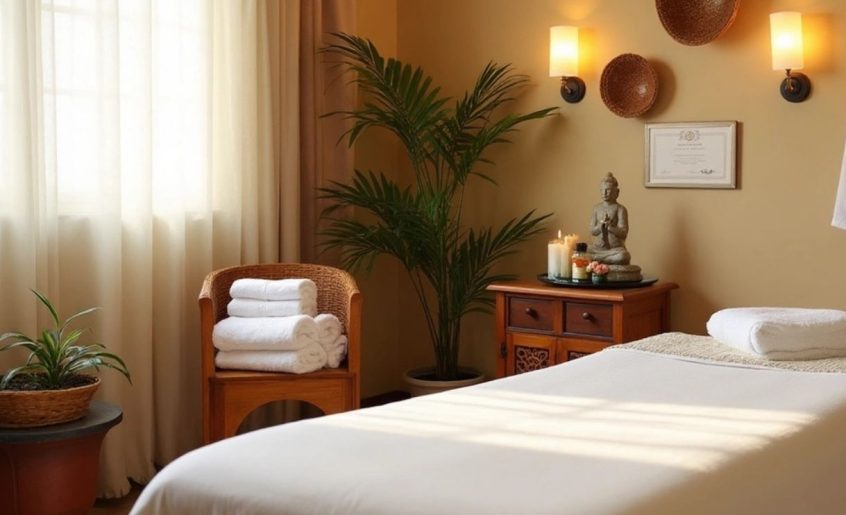
A dedicated spa is built for one thing: helping you switch off. You usually get quieter treatment rooms, softer lighting, and fewer interruptions. That matters because your nervous system relaxes faster when your surroundings feel safe and unhurried.
Most dedicated spas in Kilimani also run with clearer structure. You’ll often see a proper service menu, set session times (like 60 or 90 minutes), and a receptionist or coordinator who confirms details. Because massage is the main business, therapists tend to be more experienced with common requests, like shoulder tension, lower back tightness, and stress headaches.
Here’s what dedicated spas usually offer, even at mid-range price points:
- Better ambiance: Low noise, calm music, and private rooms that feel intentional.
- Trained therapists: More control with pressure, pacing, and draping (you stay covered).
- Clear menus: Swedish, deep tissue, aromatherapy, hot stone, and sometimes reflexology.
- Add-ons: Small upgrades that change the feel of the whole session.
A dedicated spa is a strong fit if you want stress relief, you’re a first-timer, or you’re planning a couples session. For first-timers, the biggest advantage is guidance. A good spa will help you choose the right style and pressure, instead of guessing.
Common spa add-ons you’ll see in Kilimani include:
- Aromatherapy: Scented oils to support relaxation. If you get headaches or asthma triggers, ask for a mild option or unscented oil.
- Hot stone: Warm stones used to soften tight areas. It’s soothing, but it should never feel sharp or burning.
- Hot oil: Adds glide and warmth, especially nice in the evening or in cooler weather.
- Foot scrub or body scrub: More “spa day” than “pain relief,” but it can leave your skin feeling smooth.
Before you book, ask a few practical questions so you know what you’re paying for:
- “Is this a full 60 minutes hands-on time?” Some places include changing time in the clock.
- “Can I request lighter or deeper pressure?” You want a clear “yes.”
- “Do you have male and female therapists available?” Ask if you have a preference.
- “What’s your policy if I’m late?” This avoids a rushed session.
- “Do you offer couples massage in the same room?” If that’s what you want, confirm it.
Quick tell: If the booking chat feels organized and respectful, the session often is too. If it’s chaotic, expect delays and mixed communication.
Hotel spas and wellness lounges nearby, great for convenience and privacy
Hotel spas and wellness lounges near Kilimani usually feel polished and predictable. Even when the menu is shorter, the setup often includes good changing rooms, clean showers, and a calm waiting area. For many people, that sense of order is the whole point.
The biggest pros tend to be practical:
- Consistent standards: Hotels protect their reputation, so they usually enforce hygiene and service rules.
- Easy parking and access: Helpful if you’re driving or using a ride-hailing app.
- Predictable hours: Longer operating times and clearer opening and closing schedules.
- More privacy: You can blend in and keep your visit low-key.
On the other hand, hotel spas can come with trade-offs. Prices are often higher, and sometimes you don’t get much choice in who works on you. In addition, a hotel spa may focus on relaxation, so the deepest therapeutic work might be limited, depending on the therapist on shift.
Here are common cons to watch for:
- Higher prices: You may pay extra for the brand, location, or facilities.
- Limited therapist choice: Some hotels don’t take requests, or they rotate staff.
- More rules: Arrival times, facility access, and booking policies can be strict.
If you’re visiting Nairobi and staying around Kilimani, hotel spas can be an easy win. You don’t need to figure out directions, and you can go straight back to your room after. That’s especially helpful after a deep session when your body feels heavy and relaxed.
A few booking tips for visitors:
- Ask if residents and non-residents have different rates.
- Confirm whether you can use facilities (like sauna or steam) before or after your session.
- If you’re pressed for time, book earlier in the day, because evenings can fill up fast.
About tipping: Nairobi doesn’t have one fixed rule. Some places include a service charge, while others don’t. If you feel unsure, you can ask at reception if tipping is accepted, or you can tip as a small thank you when service feels excellent. When in doubt, keep it simple, discreet, and within your comfort.
Home and office massage services in Kilimani, when you want comfort at home
Mobile massage has become popular in Kilimani because it removes the biggest barrier: travel. Instead of fighting traffic and parking, you stay home, shower in your own bathroom, and rest right after. For busy schedules, that convenience can make the difference between booking and postponing for months.
Mobile massage usually works like this: you book a time, share your location, and a therapist arrives with a portable setup. Many therapists bring a massage table, fresh linen, oils or cream, and sometimes calming music. Some will also carry disposable face covers and sanitizer.
Even so, your home setup affects the session more than people expect. A great therapist can’t fully relax your body if your space feels cramped or noisy. Do a quick prep so the session feels smooth:
- Space: Clear an area about the size of a single bed on each side, so the therapist can move around.
- Quiet: Reduce noise, mute your phone, and let housemates know you’re in a session.
- Towel and water: Keep a towel nearby (especially if oils are used), and have water ready after.
- Comfort: If you get cold easily, adjust the room temperature or keep a light blanket close.
Office massage is also an option, especially for people who sit all day. Many therapists will focus on neck, shoulders, and back, and they can work through a chair massage or a shortened table session. It’s not as “spa-like,” but it can stop tension from building into headaches.
Because mobile services bring someone into your private space, safety matters. You don’t need to be anxious, just smart and consistent. Use simple checks that reduce risk:
- Confirm identity: Ask for the therapist’s name and arrival details in advance.
- Use official booking channels: Stick to the provider’s normal contact and payment process.
- Share your location: Tell a friend or partner when the therapist arrives, especially if you live alone.
- Avoid cash if unsure: Use traceable payment options when possible, particularly for first-time bookings.
- Trust your gut: If anything feels off, reschedule. You don’t owe anyone access to your home.
This option suits people with tight schedules, new parents, and anyone who wants to stay close to home after a long day. It’s also helpful if you’re recovering from minor strain and you don’t want extra movement before and after the session.
Specialty massage spots, sports recovery, deep tissue, and body treatments
Some Massage Places in Kilimani position themselves around a specific need. That could mean sports recovery, deep tissue work, or spa-style body treatments like scrubs and wraps. These sessions can feel more targeted than a general relaxation massage, which is great when you know what your body needs.
Sports massage is a smart pick if you run, lift, cycle, or play team sports. It often includes focused work on hips, hamstrings, calves, glutes, and upper back. Pressure can be firm, but it should still feel controlled. A good sports therapist also asks about training days, old injuries, and what you want to improve (like range of motion or faster recovery).
Deep tissue fits chronic tightness, especially from desk work, driving, or long periods of stress. Still, deep tissue should not feel like punishment. Productive pressure feels intense but manageable. If you tense up, hold your breath, or feel sharp pain, it’s too much, and you won’t get the result you wanted.
Lymphatic drainage is sometimes offered for swelling or a “puffy” feeling. It uses light, rhythmic strokes, not heavy pressure. Because swelling can have medical causes, it’s best to be cautious. If you have unexplained swelling, active infection, heart issues, or a clot history, check with a clinician before booking. A responsible therapist will also ask screening questions and avoid big promises.
Body treatments are a different category. They’re less about muscle knots and more about skin feel and relaxation:
- Body scrubs: Remove dead skin and leave you feeling smooth. Great before an event or just when you want that clean-skin reset.
- Body wraps: Often moisturizing and warming. The main benefit is comfort and skin softness, not “detox” claims.
No matter the specialty, one thing matters most: training and boundaries. Specialty work needs skill, because the therapist must understand pressure, anatomy, and contraindications. In addition, you should feel listened to from minute one.
A simple way to choose safely is to speak up early. Tell the therapist:
- Where you feel tightness (and what kind of pain it is).
- What pressure you can handle today.
- Any areas you don’t want worked on.
Listen to your body afterward too. Mild soreness can happen, especially after deep work. However, bruising, nerve-like pain, or feeling “worse in a strange way” is a sign to adjust next time.
Rule of thumb: Specialty massage should feel like focused care, not a pressure contest.
Quick decision helper (plain language)
Use this when you’re choosing among Massage Places in Kilimani:
- If you want a quiet reset and a full experience, book a dedicated spa.
- If you want predictable service, easy access, and privacy (especially as a visitor), choose a hotel spa or wellness lounge.
- If you want to stay home, avoid traffic, or you’re short on time, go for home or office massage (with safety checks).
- If you have a clear goal like sports recovery, deep knots, or skin treatments, pick a specialty spot and ask about therapist training first.
Make your session feel amazing, before, during, and after the massage
A great massage starts before you step into the room. When you communicate well, dress for comfort, and speak up at the right time, you get better results with less soreness. This matters even more when you’re comparing Massage Places in Kilimani, because the best sessions usually come from clear expectations, not guesswork.
Think of your appointment like a haircut. If you don’t describe what you want, you might still get something “fine”, but not what you came for. The good news is you don’t need fancy terms. A few simple details help the spa match you with the right therapist, pressure, and style.
What to say when booking so you get the right therapist and pressure
When you book, your goal is to remove uncertainty. You want the spa to know why you’re coming, what pressure you like, and what to avoid. That way, you’re not spending the first 20 minutes “finding the right spot” while the clock keeps running.
Use this simple script. Say it in your own words, in normal sentences:
“I’d like to book a massage for (today/tomorrow). My main issue is (upper back tightness, low back tension, headaches, sore legs from gym). I prefer (light, medium, firm) pressure, around a (5/10, 7/10). Please avoid (my neck, my lower back, my left shoulder) because of (an old injury, a recent strain). I’m not pregnant / I am pregnant (X weeks) / I might be pregnant. I’m allergic or sensitive to (strong scents, nut oils, certain lotions), so I’d like unscented oil if possible. During the session, I prefer (quiet) / I prefer guidance (tell me what you’re doing and how to breathe). Also, is it possible to request a (female/male) therapist?”
A few points in that script matter more than people realize:
- Pain points (where and what kind): “Tight” and “achy” usually respond well to steady work. “Sharp” and “shooting” needs caution.
- Pressure preference: Don’t say “as hard as possible” if you’re not sure. You can always increase pressure later.
- Injuries and medical notes: Mention recent sprains, surgeries, disc issues, nerve symptoms, varicose veins, or blood thinners.
- Pregnancy: It changes positioning and technique. A good spa will adjust without drama.
- Allergies and sensitivities: Ask for unscented options if fragrances trigger headaches or asthma.
- Quiet vs guidance: Some people relax with silence, others relax with simple cues.
If therapist gender preference matters to you, say it plainly. It’s a comfort choice, not something you need to justify. Many Massage Places in Kilimani can accommodate this if you ask early, but it’s harder if you ask at the last minute.
What to wear and bring for booking day is simple:
- Wear loose, easy-to-change clothes, especially if you’re coming from work.
- Skip heavy perfume or body spray if you can, because it can clash with oils.
- If you have long hair, bring a hair tie so your neck and shoulders are easier to work on.
- Arrive a bit early if possible, because rushing keeps your body tense.
If a spa won’t answer basic questions about pressure, allergies, or therapist requests, keep looking. Clear communication is part of professional care.
During the massage, comfort, consent, and adjusting pressure
Once you’re in the room, you’re still in charge of your body. The therapist guides the session, but your comfort and consent set the limits. A good massage feels like a steady conversation, even when the room is quiet.
Start with boundaries. Before the first stroke, confirm two things in plain language:
- “Please keep pressure at a 6 out of 10.”
- “Please avoid (any area) and don’t do deep elbow pressure.”
Draping should also feel normal and respectful. You should stay covered, and the therapist should only uncover the area they’re working on. If anything feels too exposed, say so right away. You can simply say, “Can you adjust the drape, please?” You don’t need to explain more.
Pressure should feel productive, not punishing. Many people think they must “handle it” to get results. That backfires. When pressure feels unsafe, your body tightens to protect itself. Then the therapist has to work harder, and you leave sore without the relief you wanted.
Here’s a quick guide to what’s normal, and what isn’t:
Normal sensations (usually okay):
- A strong but controlled “good pain” that eases when you breathe.
- Warmth spreading through a tight muscle.
- Tenderness on knots that softens after a few slow passes.
- Sleepiness or feeling emotionally calm.
Warning signs (speak up immediately):
- Sharp pain (pinching, stabbing, electric feeling).
- Numbness or tingling, especially down an arm or leg.
- Dizziness, nausea, or cold sweats.
- Pain that makes you hold your breath or clench your jaw.
If you feel a warning sign, use short, clear words. Try any of these:
- “That’s sharp, please stop there.”
- “Less pressure, please, go lighter.”
- “My hand feels tingly, can we change position?”
- “I feel dizzy, I need a moment.”
Speaking up early is the cheat code. Don’t wait until the end and hope it improves. The first 10 minutes set the tone for the whole session. If the therapist adjusts well, your body relaxes faster, and you get more value from the time.
Consent is also about areas of the body. Some people love scalp work, others hate it. Some want glute work for low back relief, others prefer to skip it. The therapist should ask, or you can state your preference upfront. You can say, “No glutes today,” or “Glutes are okay, but keep it professional and through the sheet.”
Breathing helps, but it’s not a performance. A massage is not a toughness test. If you want guidance, ask for it. Simple cues like “inhale as I press, exhale as I release” can help your muscles let go. On the other hand, if you want silence, say so and enjoy the quiet.
One more comfort detail people forget is temperature. If you get cold, your muscles tighten. Ask for a blanket, or ask them to warm the room if possible. Comfort supports results.
Relaxation is part of the goal. If you’re bracing, forcing, or trying to “endure”, the session is working against your nervous system.
Aftercare that actually helps, water, stretching, and when soreness is normal
After a good massage, your body often feels loose, heavy, and calm. That’s the ideal time to treat yourself gently. You don’t need a complicated routine. A few small steps help you keep the benefits longer, especially after deep tissue or sports-focused work.
Start with hydration, but keep it sensible. Drink water because it supports normal body functions, not because a massage “flushes toxins.” A glass or two over the next few hours is enough for most people. If you already hydrate well, don’t force liters at once.
Next, timing matters for showers. If you had an oil massage, a warm shower later can feel great. Give it a little time first, especially if you feel lightheaded. For many people, 30 to 60 minutes after the session feels right. Keep the water warm, not scorching, because intense heat can make you feel woozy.
Stretching should be gentle. Think of it like slowly opening a stiff drawer, not yanking it. Try a few easy movements later that day, especially if you sit a lot:
- Neck stretch: Tilt your ear toward your shoulder, hold, then switch sides.
- Chest opener: Interlace fingers behind your back and lift lightly.
- Upper back release: Hug yourself and round your shoulders forward.
- Hip flexor stretch: A small lunge stretch if your front hips feel tight.
- Hamstring stretch: Straighten one leg and hinge forward slightly.
Hold each stretch with steady breathing. Stop if you feel sharp pain, tingling, or cramping.
Now, soreness. Mild soreness can be normal, especially after deep work, trigger point focus, or a strong sports session. It often feels like you did a workout you weren’t expecting. That soreness usually peaks within 24 hours and fades in 48 hours. A warm shower, light walking, and gentle stretching often help.
However, some signs mean you should get medical advice instead of waiting it out:
- Severe pain that doesn’t improve, or pain that gets worse fast
- Swelling, redness, or heat in one area
- Fever, chills, or feeling unwell after the session
- New numbness or weakness, especially in an arm or leg
- Bruising that seems excessive or appears with minimal pressure
If any of these happen, contact a clinician. Also tell the spa what you experienced, because they should document it and adjust future sessions.
Finally, how often should you book? It depends on your goal and your life. Use this as a practical guide, then adjust based on how your body responds:
- For stress and better sleep: Every 2 to 4 weeks works well for many people. If work is intense, weekly for a short period can help, then taper.
- For desk tightness and recurring knots: Start with weekly or every 2 weeks for a month. After that, move to maintenance every 3 to 4 weeks.
- For pain support (non-emergency, muscular): Consistency matters more than one intense session. Book moderate pressure, then reassess after 3 to 4 visits.
- For sports recovery: Use lighter sessions during heavy training weeks. Book deeper work on rest days, not right before a big event.
The key is this: don’t chase intensity. Chase progress. When you choose Massage Places in Kilimani, look for therapists who plan with you, adjust pressure without ego, and help you leave feeling better than you arrived.
Conclusion
Massage Places in Kilimani aren’t hard to find, but the right choice comes down to a few simple checks. First, match the massage style and pressure to your goal, whether that’s calm sleep, stress relief, or recovery. Next, look for cleanliness and professional habits you can see, like fresh linens, clear draping, and a therapist who asks the right questions. After that, compare value fairly by checking real hands-on time, what’s included, and whether the booking process feels organized. Finally, communicate clearly, because a great session depends on pressure feedback, consent, and honest health notes.
Since evenings and weekends book out quickly, plan ahead and reserve your slot early so you don’t end up rushing or settling.
Thanks for reading, now pick one option that fits your needs today and schedule your session. Your body will tell you quickly when you’ve chosen well.