
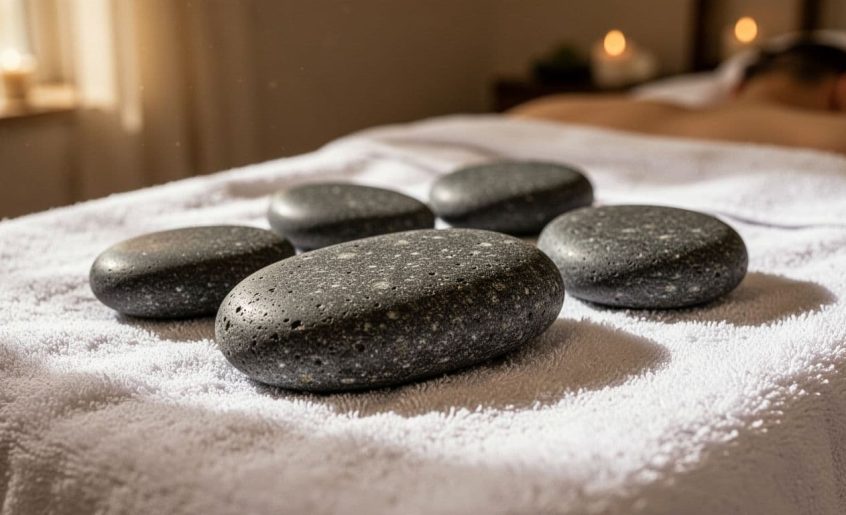
Hot Stone Massage: Benefits, Safety, and Spa Experience
A hot stone massage can feel like the whole room exhales with you, because steady warmth sinks into tight muscles and helps your body settle down fast. Smooth heated stones are placed and moved across the body to ease tension, soften stiffness, and create a calm, grounded feeling that many people crave after long days.
If you’re wondering whether it’s the right spa choice, the answer depends on what you want most, relief from knots, better circulation, or a quieter mind. It can be a good fit when your body feels heavy, sore, or overworked, and it often pairs well with other relaxing spa therapies like full day hot stone massage package. The sections ahead break down how it works, what it can help with, and what to expect in a real spa session.
How a hot stone massage actually works
A hot stone massage begins with warmth, but the real effect comes from how that warmth changes the body before the deeper work starts. Heated basalt stones rest on key areas, and the therapist also uses them as tools for slow, steady strokes. That combination helps tight muscles soften, so the massage feels smoother and more calming than pressure alone.
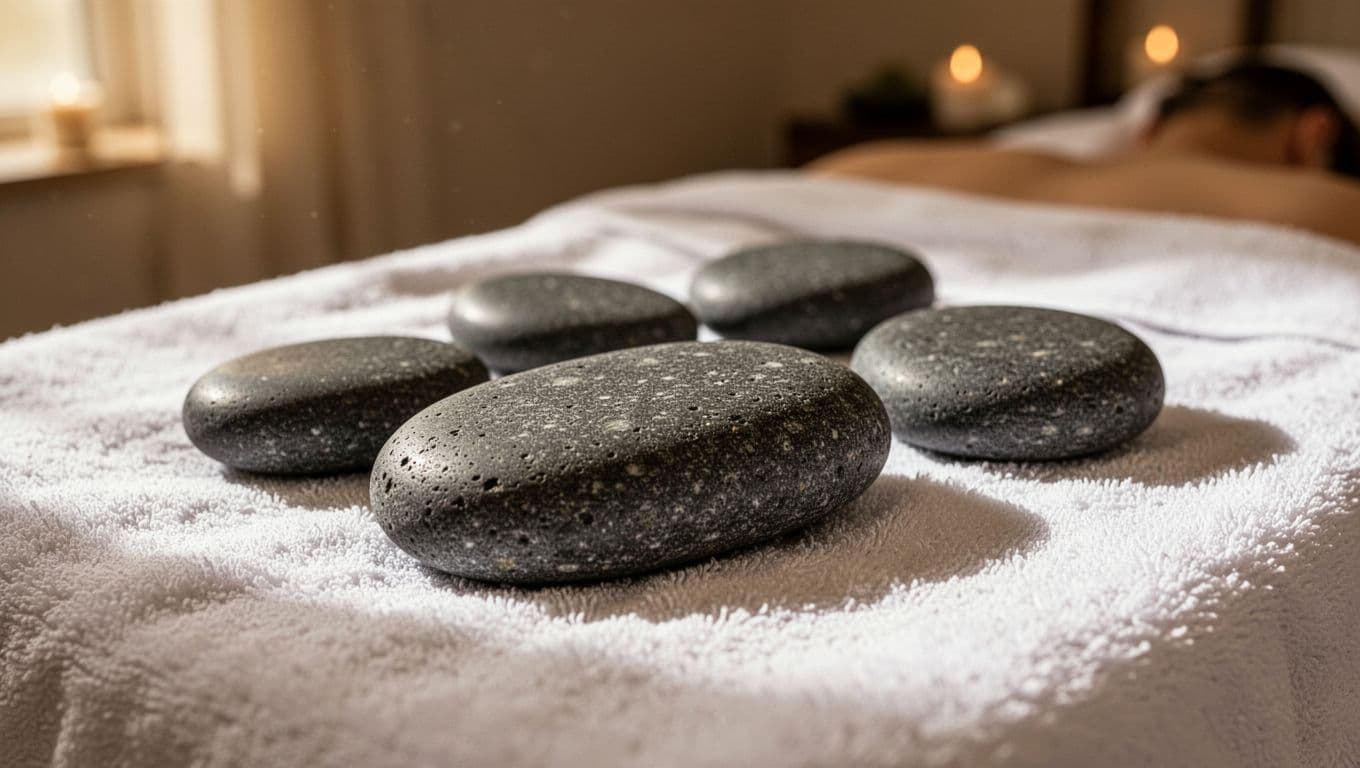 ### Why basalt stones are used instead of ordinary rocks
Basalt is a volcanic stone, and that matters. It is dense, smooth, and very good at holding heat, which makes it ideal for massage work. Ordinary rocks can be rough, uneven, or prone to cooling off too quickly, and that can make the session less comfortable and less effective.
The stone’s shape matters too. Smooth, rounded stones glide better across skin and fit more naturally into the hands of a therapist. That reduces the risk of scratching or pressure points, while also making the heat feel even and controlled. For professional hot stone massage therapy, that smooth finish is part of what keeps the experience both relaxing and safe.
Basalt is preferred because it delivers heat steadily, without feeling harsh or jagged against the body.
You can see the logic in the material itself. Basalt is strong enough to stay warm, but gentle enough for skin contact when used properly. That balance is exactly what hot stone work needs.
What the heat does to tight muscles and sore spots
Heat changes how muscles behave. When warm stones settle on stiff shoulders, a sore lower back, or tight hips, the warmth starts to sink inward and calm the tissue. Muscles often loosen a little before the therapist even begins deeper pressure, which makes the body easier to work on.
That softer response matters. Instead of forcing through tension, the therapist can use slower strokes and lighter pressure at first, then build from there. As a result, the massage often feels less intense than deep tissue work alone, but it can still reach those stubborn areas that hold stress.
Warmth also affects the nervous system. Many people feel their breathing slow and their jaw unclench after the first few moments. The body feels more open to touch, and that can make the whole session feel less guarded and more restful. For a clear overview of the technique, WebMD explains hot stone massage in simple terms.
What a typical session feels like from the client’s side
The room usually feels quiet, dim, and warm. You might hear soft music, smell a light oil scent, and feel the table beneath you before the stones even arrive. The therapist places heated stones on areas that tend to hold tension, often along the back, shoulders, legs, or palms.
At first, the stones feel like a steady wave of warmth rather than sharp heat. Then the therapist begins using them with slow massage strokes, letting the stone’s surface move with the muscles instead of fighting them. The rhythm is deliberate, not rushed, so your body has time to settle.
A session often moves in stages:
- Heating and placement: Stones rest on selected spots to warm and soften the tissue.
- Gliding strokes: The therapist uses oil and stones to move across the body with controlled pressure.
- Focused work: Tighter areas get extra attention once the muscles have loosened.
- Cooling down: The body is left calmer, lighter, and less guarded than it was at the start.
The shift can feel dramatic. What began as stiffness often turns into a heavy, floating calm, like a knot easing open thread by thread. Your muscles stay supported, but they stop resisting every touch. That is the quiet strength of hot stone work, it makes relaxation feel more reachable.
The best sessions keep the heat comfortable, not overpowering, and the therapist checks in as needed. When that balance is right, the experience feels steady, soothing, and easy to settle into.
The benefits people usually notice after a hot stone massage
A hot stone massage often gets people talking because the benefits are easy to feel. The warmth meets the body first, then the pressure follows, and that combination can change how tense, tired, or heavy you feel by the end of the session.
Most people book it for the same practical reasons: they want less stress, looser muscles, and a calmer night afterward. Some notice those changes right away. Others feel the shift later the same day, or after a few sessions when their body starts to release tension more easily.
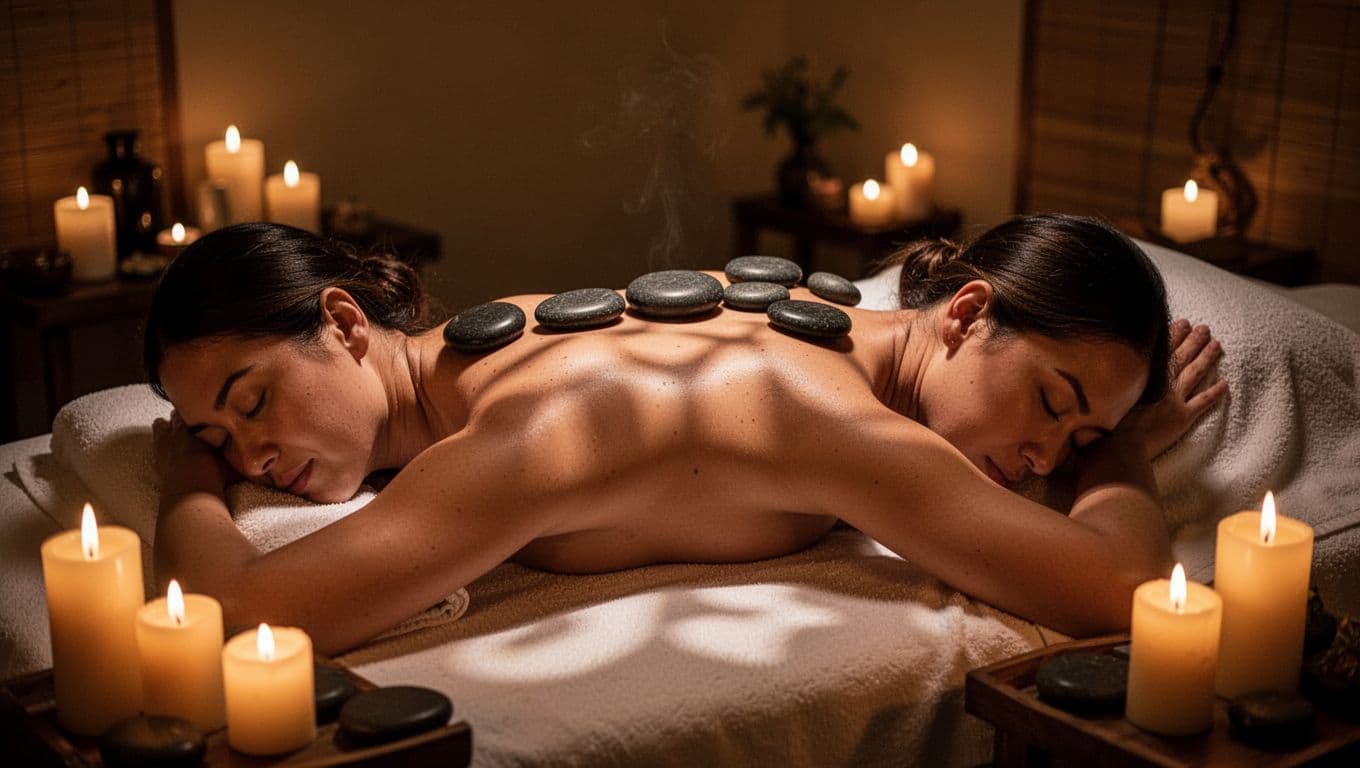 ### Relief for stress, tension, and mental fatigue
Warmth changes the pace of the body. When heated stones settle into tight areas and the therapist uses slow, steady strokes, the nervous system often starts to shift out of alert mode and into something calmer. Breathing gets slower, the jaw loosens, and the whole body stops bracing for the next thing.
That is why so many people describe a hot stone massage as mentally quiet. After a long week or a packed workday, it can feel like the noise in your head lowers a few notches. You may not leave with every problem gone, but you often leave with more space in your mind and less pressure in your shoulders.
This is also where the treatment feels different from a quick rubdown. The steady heat gives the body time to settle, so the calm does not feel forced. It builds gradually, like a room warming up after the sun has been out for a while.
For people who carry stress in their upper back, neck, or jaw, that softening can feel like a small reset. The body gets a chance to stop holding itself so tightly, and that alone can make the session feel worth it.
Help for back pain, neck tightness, and workout soreness
A lot of people arrive with the same trouble spots, shoulders that feel packed with knots, a lower back that tightens after sitting, or calves that ache after a run or a hard workout. A hot stone massage can help those areas feel less stiff because heat makes the tissue easier to work with.
The warmth often gives the therapist a better starting point. Instead of forcing pressure into a guarded muscle, the massage can move more smoothly across the area. That makes it easier to focus on stubborn spots without making the session feel harsh.
The treatment can also feel good after long hours at a desk. When you sit for too long, your hips, back, and neck often stiffen in layers. Heated stones and steady massage strokes can help unwind that pattern, especially if your body has been holding the same position day after day.
Many people notice that warm stone work feels gentler than deep pressure alone, even when it reaches the same tight spots.
For active people, the effect can be just as useful. A hot stone massage benefits overview notes that the combination of heat and massage may help with muscle tension and pain, which is why it appeals to both desk workers and weekend athletes. The body often feels less cramped afterward, and movement can feel easier for the rest of the day.
Why some people sleep better after the treatment
Sleep often improves when the body stops holding tension. After a hot stone massage, many people feel physically calmer, and that relaxed state can make it easier to settle down later that night.
The reason is simple. If your shoulders are no longer clenched and your mind feels less busy, bedtime usually feels less like a battle. You may still need your normal wind-down routine, but you’re starting from a better place.
A good session can also take the edge off that wired-but-tired feeling. That is the state where you feel exhausted, yet your body refuses to switch off. Warmth, slow pressure, and a quieter nervous system can make the evening feel softer and less restless.
The best results often come when the massage is part of a larger routine. Drink water afterward, avoid a packed schedule right away, and give your body a chance to keep settling. That way, the relaxed feeling has room to last.
Some people notice better sleep the very first night. Others feel the difference after repeat sessions, especially if stress or muscle tightness usually keeps them awake. In either case, the effect is practical, not dramatic, and that is what makes it useful.
A few benefits tend to show up most often after a hot stone massage:
- Less stress: The body feels calmer, and the mind often feels less crowded.
- Looser muscles: Tight areas usually relax more easily once the heat sinks in.
- Reduced stiffness: Back, shoulders, neck, and calves often move with less resistance.
- Better rest: A calmer body can make bedtime easier.
- Improved circulation: The warmth may help blood flow feel more active in the treated areas.
The exact response depends on the person, the pressure used, and how tense the body was before the session. Even so, the pattern is familiar. People usually leave feeling lighter, less guarded, and a little more at ease in their own skin.
Who hot stone massage is best for, and who should skip it
Hot stone massage is a strong choice when you want warmth to do some of the work for you. It often feels best for people who carry stress in their shoulders, hold tension in their back, or prefer a softer, more soothing session than a firm, heavy massage.
That said, heat is not right for everyone. If your body is dealing with inflammation, open skin, fever, or certain medical conditions, another treatment may be the safer pick. A good massage should leave you feeling better, not second-guessing the choice afterward.
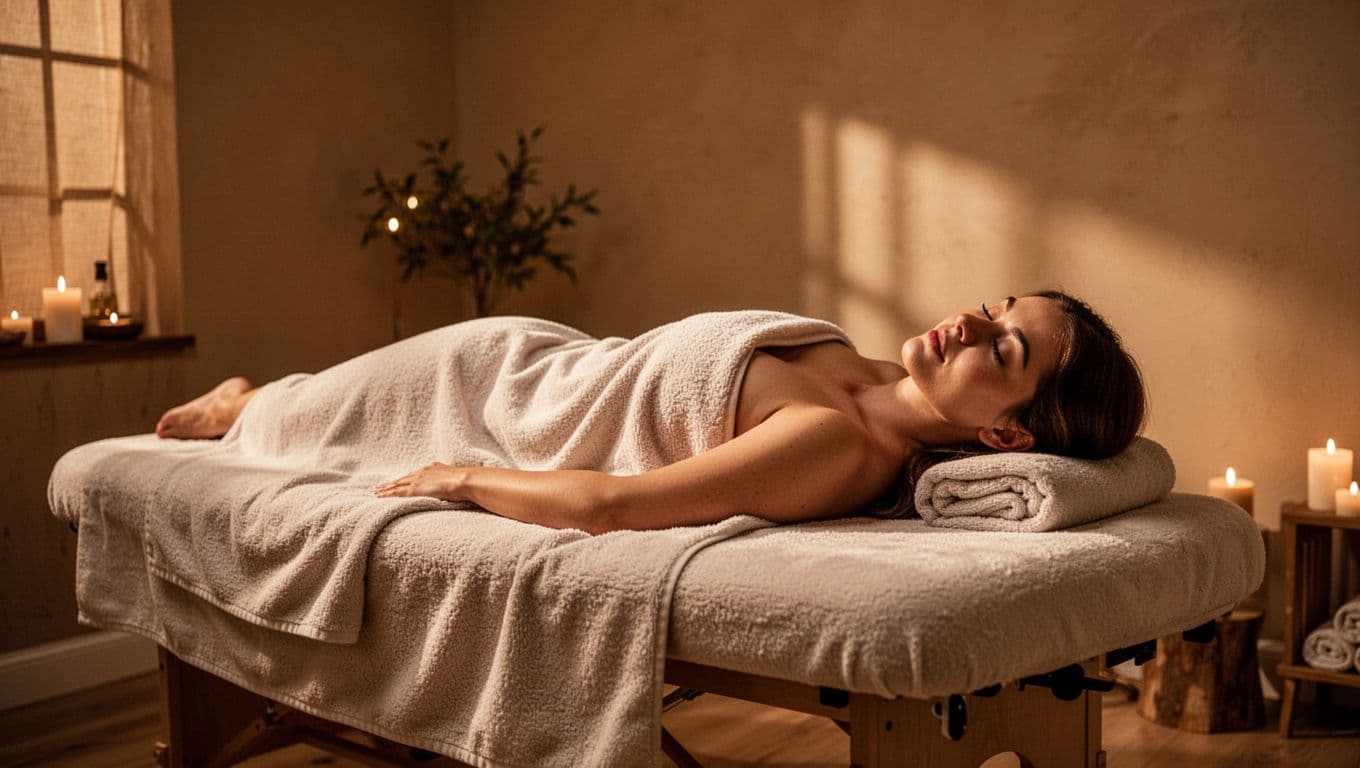 ### Good reasons to book a hot stone massage
A hot stone massage makes sense when you want your muscles to relax before the pressure even begins. The warmth helps the body soften, so the session can feel smoother and less intense than a standard massage.
People often book it for simple, practical reasons:
- You feel tense or stressed: Warm stones can help calm a busy mind and loosen that tight, guarded feeling in the neck, shoulders, and jaw.
- You want gentle pain relief: Mild muscle soreness, everyday stiffness, and post-workout tightness often respond well to heat.
- You prefer a softer touch: If deep pressure feels too much, hot stones can create a more soothing experience without losing the sense of care.
- You sit for long hours: Desk work can leave the back and hips stiff, and warmth often helps those areas ease up.
- You want to unwind fast: Some people like hot stone work because it helps the body settle quickly, almost like turning down the volume after a loud day.
If you like massage but dislike strong pressure, hot stone work can feel like a middle ground, calm, steady, and comforting.
It also appeals to people who enjoy spa treatments as a reset, not just as a fix for pain. The session feels especially good when your body is tired, your sleep has been off, or you just want a quieter hour where nothing needs your attention.
Times when another treatment may be a better fit
Sometimes the better choice is a different massage style. If you want firmer pressure and more direct work on knots, Swedish massage or deep tissue massage may suit you better. Hot stone massage can help with muscle tightness, but it usually stays gentler, so it is not the best option for everyone who wants strong bodywork.
You may want to choose another treatment if:
- You want more pressure: Deep tissue massage is a better match when you need slow, focused work on stubborn knots.
- You have active inflammation: Heat can aggravate swelling, so a cooler or lighter treatment may feel safer and more comfortable.
- You do not enjoy heat: If warm surfaces make you uneasy, the stones may distract from the relaxation instead of adding to it.
- Your skin feels irritated: Fresh sunburn, rashes, and skin sensitivity can make hot stone work uncomfortable.
- You are dealing with an acute injury: A fresh strain, bruise, or flare-up often needs a gentler approach.
Some conditions deserve extra caution or a full skip unless a medical professional says it’s safe. That includes fever, open wounds, broken skin, circulation problems, uncontrolled blood pressure, reduced sensation, and certain pregnancy concerns. Reputable massage resources, including AMTA’s hot stone safety guidance and WebMD’s overview of hot stone massage, also stress that heat should be used carefully when sensation, circulation, or skin integrity is compromised.
If you’re unsure, a different spa treatment may simply make more sense that day. Your body gives the best signal, and it’s always better to choose comfort than to push through heat that doesn’t feel right.
How to tell the therapist about health concerns before you start
A good session starts with honest conversation. Tell the therapist about any injuries, recent surgery, pregnancy, blood pressure concerns, skin issues, medication that affects sensation, or conditions that make heat feel risky.
Be direct about what you can and cannot tolerate. If you bruise easily, have sensitive skin, or don’t want stones placed on certain areas, say so before the massage begins. That way, the therapist can adjust the temperature, pressure, and placement without guessing.
A few simple details can make the session much safer:
- Share medical conditions that affect heat, circulation, or nerve sensation.
- Mention medications if they change skin sensitivity or clotting.
- Point out sore or injured areas so they can be avoided or handled lightly.
- Say how you feel about heat before the stones touch your skin.
- Speak up during the massage if anything feels too hot, sharp, or uncomfortable.
The best therapists welcome that kind of honesty. It helps them shape the session around your body instead of forcing your body to fit the treatment.
If you’re choosing hot stone massage for the first time, the smartest approach is simple, tell the therapist what you need, what you’re avoiding, and how your body usually reacts to heat. That keeps the experience calm, pleasant, and tailored to you.
What to expect at Happiness Spa in Kilimani
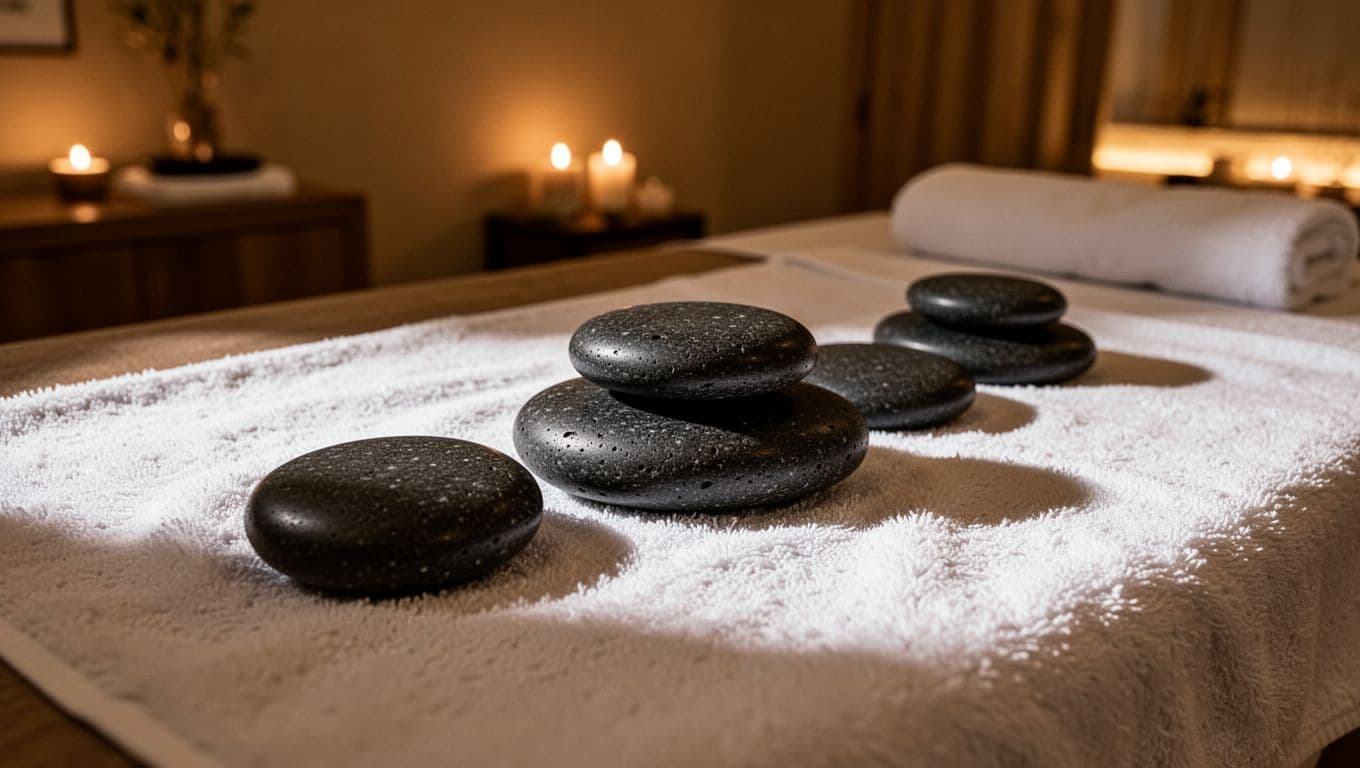
A spa visit at Happiness Spa in Kilimani should feel easy to plan and easy to settle into. That matters when you want a hot stone massage, because the treatment works best when the whole experience is calm from the start, from booking to the final minute on the table.
Kilimani is a practical stop for many Nairobi residents and visitors. It’s central, familiar, and simple to fit into a busy day. If you’re already running errands nearby or coming from work, a spa in this part of the city can feel like a short pause rather than a major trip.
 ### Why location, comfort, and booking ease matter
A good spa day starts before the massage begins. When the location is convenient, you arrive less tense, less rushed, and more ready to relax. That’s one reason Kilimani is appealing for people who want a nearby place for a hot stone massage in Nairobi.
Comfort also depends on how smoothly the booking process works. Booking ahead helps you avoid waiting around, and it gives the spa time to prepare the room, the therapist, and the session length you want. Clear communication is just as important, especially if you have questions about timing, pressure, or any health concerns.
A calm setting pulls the whole visit together. Soft lighting, a quiet room, and a welcoming front desk can make the difference between a routine appointment and a proper reset. If the space feels organized and unhurried, your body usually follows that lead.
When the location is simple, the booking is clear, and the room feels peaceful, relaxation starts much earlier.
How to choose the right hot stone session for your needs
The best session is the one that matches what your body needs that day. Some people want a gentle stress-relief treatment, while others want focused work on tight muscles after long hours at a desk or a tough workout.
Before you book, think about a few practical details:
- Session length: A shorter massage can work if you want a quick break, while a longer appointment gives the therapist more time to ease into stubborn tension.
- Pressure level: Light to medium pressure suits people who want comfort and warmth. Firmer pressure makes more sense if your muscles feel locked up.
- Focus areas: Tell the spa where you hold tension, such as the neck, shoulders, back, or legs.
- Main goal: Choose based on whether you want to relax, recover, or both.
If you’re booking for stress relief, the session should feel slower and softer. If you’re recovering from muscle strain or workout soreness, the therapist may spend more time on specific areas and use the stones to support deeper work. That small choice changes the whole feel of the appointment.
For a simple reference on how hot stone massage is usually structured, Healthline’s overview of hot stone massage explains why heat often pairs well with muscle relief and relaxation.
Questions worth asking before your appointment
A first visit goes much smoother when you ask a few direct questions ahead of time. You don’t need a long checklist, just enough to make sure the session fits your body and your comfort level.
Start with the basics:
- How hot are the stones?\
You want warmth that feels soothing, not overwhelming. The therapist should be able to explain how they monitor temperature. - How much experience does the therapist have with hot stone work?\
Experience matters because placement, pressure, and heat control all affect the outcome. - How long is the treatment?\
Confirm the total time so you know whether it fits your schedule and how much hands-on massage it includes. - What should I wear or bring?\
Most spas will guide you on clothing, jewelry, and anything else you may need to leave behind. - Can I request lighter pressure or avoid certain areas?\
This is useful if your back, feet, or shoulders are sensitive.
If you’re visiting a spa for the first time, these questions can also help you feel more at ease before you walk in. You’re not being difficult. You’re helping shape a better session.
A reputable spa will welcome that kind of conversation. It shows that you care about the treatment, and it gives the therapist a clearer picture of how to make the experience comfortable. For anyone considering a hot stone massage in Kilimani, that’s a smart way to begin.
How to get the most from your hot stone massage before and after
A great Hot Stone Massage starts before the stones touch your skin and lasts well after you leave the spa. A few small choices can make the session feel smoother, easier on your body, and more relaxing overall. If you arrive calm, stay honest during the treatment, and give yourself a little recovery time afterward, the benefits usually last longer.
 ### What to do before your appointment
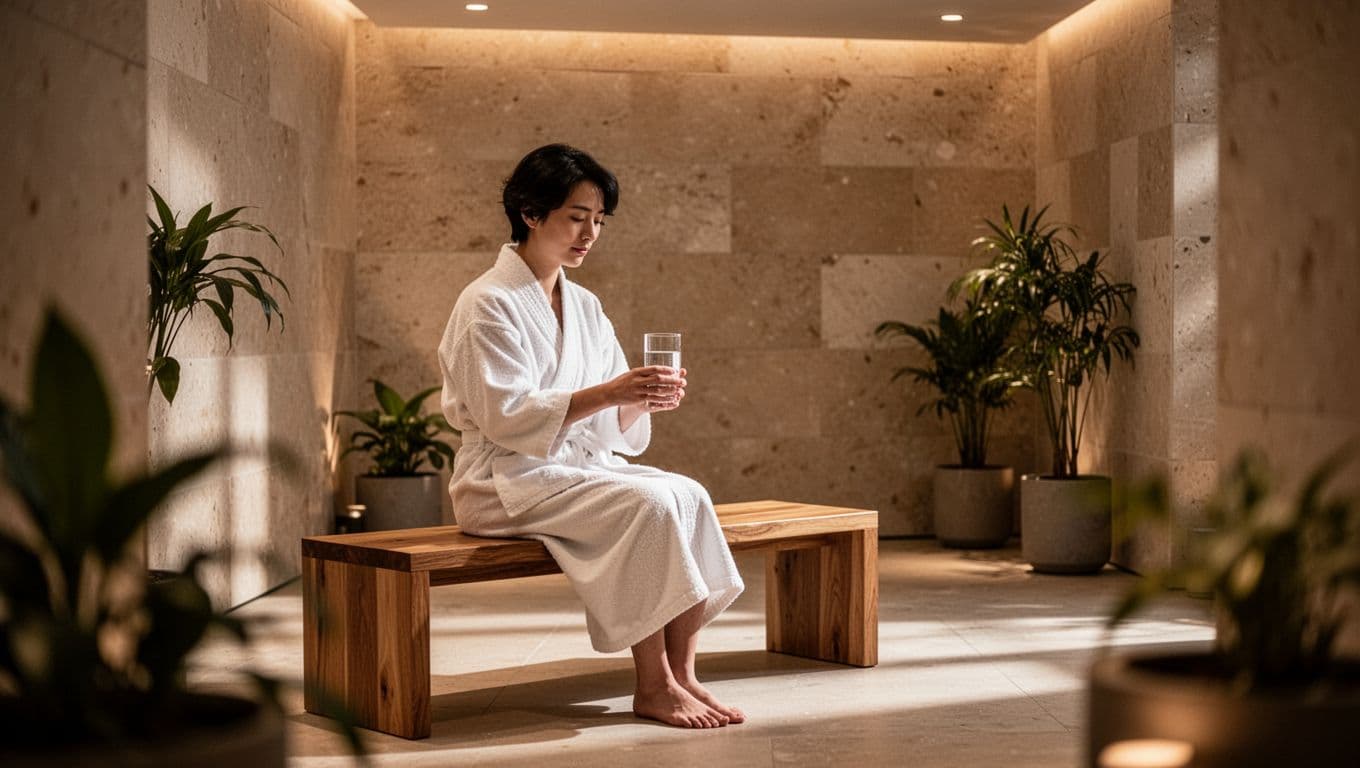
The best preparation is simple. Eat a light meal an hour or two before your visit, so you are not distracted by hunger or weighed down by a full stomach. Drink water during the day as well, because hydrated muscles tend to feel more comfortable under heat and pressure.
It also helps to skip anything that can make you feel off during the session. Heavy alcohol, a big greasy meal, or a packed schedule right before your appointment can leave your body tense and your mind scattered. Jewelry can also get in the way, so leave it at home or remove it before the massage starts.
Arrive a little early if you can. That extra time gives you space to check in, use the restroom, slow your breathing, and settle onto the table without rushing. A few quiet minutes can change the tone of the whole visit.
If you want a broader checklist for massage prep, this massage therapy guide offers helpful basics that work well before any treatment.
What to do after the massage so the relaxed feeling lasts
After the session, move slowly for a while. Your body may feel loose, warm, and a little dreamy, so give yourself a few minutes before jumping back into errands or a busy commute. Even simple actions, like standing up carefully or walking at an easy pace, help the calm feeling stay in place.
Water matters after the massage too. A glass or two can help you feel refreshed, especially if the room was warm or your muscles released a lot of tension. If you can, keep the rest of the day quiet. A calm evening, a light dinner, and a little screen-free time can help your body keep unwinding.
The best aftercare is unglamorous but effective, water, rest, and no rush.
If you usually book massage sessions for soreness or recovery, this hot stone massage aftercare advice is consistent with what many therapists recommend, especially when heat and relaxation work together.
Common mistakes that can make the experience less enjoyable
A hot stone treatment feels best when you stay tuned in to your body. The most common mistake is hiding discomfort. If a stone feels too hot, pressure feels too strong, or a position starts to strain your neck or lower back, say something right away. Small adjustments are much easier than trying to tough it out.
Coming in rushed is another easy way to lose the benefit. When you arrive flustered, your shoulders stay high and your breathing stays shallow. That tension can take a while to fade, so give yourself enough time to arrive, check in, and settle before the therapist begins.
It also helps to keep your expectations realistic. Hot Stone Massage is heat-based, so it usually feels smoother and more soothing than a firm deep tissue session. If you expect aggressive pressure, you may miss the point of the treatment. The warmth is doing part of the work, which is why it feels so different.
A few habits can get in the way:
- Skipping hydration can leave you feeling sluggish afterward.
- Booking right before a stressful errand can cut short the calm.
- Not speaking up about heat can make the session less comfortable.
- Coming in hungry or overly full can distract you during the massage.
- Treating it like a deep-pressure workout can lead to disappointment.
A good session should feel balanced, not dramatic. When you prepare a little, speak honestly, and protect a quiet window afterward, the massage feels richer and lasts longer in your body.
Conclusion
Hot stone massage stays popular because it gives the body two things at once, comfort and relief. The heat helps muscles soften, the pressure feels easier to receive, and the whole session can leave you lighter, calmer, and less held together by tension.
It works best for people who want a gentler path into relaxation, especially when stress, stiffness, or sore muscles have built up over time. A good spa experience matters too, because the right setting, the right therapist, and the right temperature turn a simple treatment into something the body can actually settle into.
If you want deep relaxation and softer muscles, a well-done hot stone massage is a smart place to start.