Spa and Massage in Kilimani: What to Book
The moment you step into a quiet spa room, the noise of the city starts to fade. Your shoulders drop, your breathing slows, and your body feels like it can finally catch up. If you’re looking at Spa and Massage options in Kilimani, you’re probably after something specific, stress relief after a long week, muscle recovery after work or training, or a calm break from Nairobi’s rush.
That’s why it helps to understand the treatments before you book. A good spa menu can include Swedish massage for gentle relaxation, deep tissue work for stubborn tension, hot stone therapy for warmth and ease, aromatherapy for a softer sensory reset, Thai massage for stretching and pressure, and specialty treatments that go beyond the basics. If you want to compare what’s available, you can explore our massage and spa treatments and see how each option fits a different need.
In Kilimani, people often walk in with tired backs, tight necks, or a mind that won’t switch off. The best session is the one that matches what your body is asking for, because a relaxing massage and a therapeutic one don’t always feel the same, and that difference matters. A little clarity up front saves you from booking blindly and helps you choose a treatment that leaves you feeling lighter, looser, and more settled.
That’s the point of this guide, to make Spa and Massage services easier to understand before you book. Once you know what each treatment does, it becomes much simpler to choose the right session for the kind of relief you want.
What spa and massage really do for your body and mind
A good spa session does more than help you feel pampered for an hour. It gives your body a chance to slow down, release tension, and settle into a calmer rhythm. That matters when stress has been sitting in your shoulders, your back feels heavy, or your mind keeps running long after the day is done.
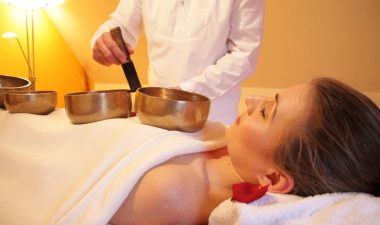
 Spa and massage also work well together because they support both sides of stress, the physical strain and the mental load. The room is quiet, the touch is intentional, and the body gets a clear signal to stop bracing. If you want a gentle option that focuses on easing away the day, relaxing massage services are a simple place to start.
The calm your nervous system feels after a good massage
When a massage starts to work, the body often shifts out of high-alert mode. Breathing slows, the jaw loosens, and muscles stop holding on so tightly. That change can feel small at first, but it builds fast, like turning down a loud radio in the next room.
Your nervous system responds to touch in a very direct way. Massage encourages the body to move away from stress mode and into a more settled state, which is why many people leave feeling lighter and more grounded. Research on massage and heat therapy has linked these sessions with a calmer autonomic response, which fits the way many people describe the experience afterward, less tense, less reactive, and easier to rest.
That calmer state can carry into the rest of the day. You may notice that your shoulders stay lower, your breathing feels easier, and your thoughts stop racing quite as much. In plain terms, massage gives your body a pause button.
The biggest change is often not dramatic. It feels like your body finally stopped clenching.
Why spa treatments can support recovery after busy weeks or workouts
Long workdays, long drives, travel, and exercise all leave marks on the body. Tight shoulders, sore backs, stiff legs, and that drained feeling in your whole body are common after too much strain. Spa care can help by loosening the areas that feel stuck and giving tired muscles a break from constant tension.
Massage is especially useful when your body feels overworked but not injured. Office strain can settle into the neck and upper back. Workouts can leave the legs heavy and the muscles tender. Travel can make everything feel compressed and stiff. A well-done session can ease that load, improve how your body feels in motion, and make everyday movement less tiring.
Many people also notice that recovery feels smoother after treatment. A massage can help the body feel warmer, looser, and more ready for sleep or the next day. For a broader look at how touch and heat support recovery, this summary of massage and nervous system effects gives a clear scientific snapshot.
A few common reasons people book spa and massage care include:
- Office strain: Long hours at a desk often tighten the neck, shoulders, and upper back.
- Workout soreness: Hard training can leave the legs and back feeling heavy.
- Travel fatigue: Sitting for long periods can make the body stiff and dull.
- Long days on your feet: Standing or walking all day can wear out the lower body fast.
When spa time becomes part of a healthy routine, not just a treat
Regular spa visits make more sense when you see them as maintenance, not only as a reward. If stress builds up for weeks before you do anything about it, your body has to work harder to bounce back. Consistent massage helps you stay ahead of that pressure, so you don’t wait until everything feels locked up.
That kind of routine supports balance in a simple way. You rest on purpose, you give your muscles time to recover, and you create a regular pause in a busy schedule. Even one planned visit every so often can make the week feel more manageable.
Over time, that consistency matters more than chasing one perfect session. Your body learns the pattern, your mind gets a break, and stress has less room to pile up. For many people, that’s the real value of spa and massage, a steady reset that keeps everyday life from feeling too heavy.
The most popular massage styles and spa treatments people ask for
Most spa menus share the same core favorites, and for good reason. These are the treatments people ask for when they want real relief, a calmer head, or a break from the weight of the week. Some are soft and easy, others go after tight muscles with more force, and a few add heat, scent, or stretching to change the whole feel of the session.
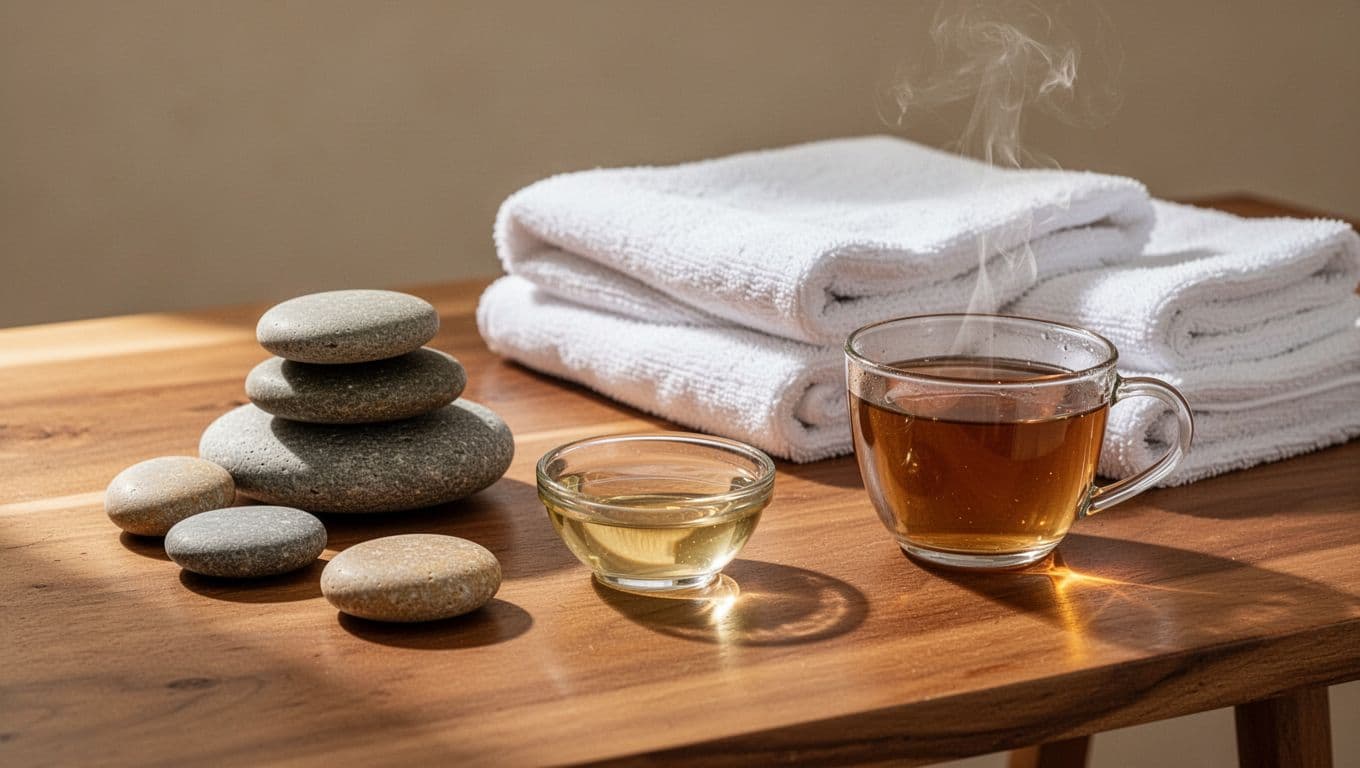 If you’re comparing options and want to match the treatment to your body, it helps to know what each one does best. A quick look at massage service plans can also make the choice easier when you already know the style you want.
Swedish massage for gentle full-body relaxation
Swedish massage is often the first choice for people who want to unwind without a lot of pressure. The strokes are usually long, smooth, and light to medium in depth, so the whole session feels soft and flowing rather than intense.
This is a strong starting point for first-time spa guests because it feels familiar and easy to settle into. If your body feels tense but you don’t want anything forceful, Swedish massage gives you that classic “I can finally breathe” feeling without pushing too hard.
It also works well when you want general relaxation instead of focused muscle work. Many people book it after a stressful week, a long trip, or a stretch of poor sleep.
Deep tissue massage for stubborn knots and tight muscles
Deep tissue massage uses firmer pressure to reach areas that feel locked up. The neck, shoulders, back, and hips often hold the most tension, so this style goes straight for those stubborn spots.
It can feel intense at times, and that’s part of why people choose it. When your muscles have been tight for days or weeks, a softer massage may feel nice but not go far enough. Deep tissue work usually feels more direct, more focused, and more effective for real tension relief.
If you want the muscles to feel worked, not just soothed, deep tissue is usually the treatment people ask for first.
This style suits people who sit for long hours, carry stress in the upper body, or wake up with a stiff neck. It’s a better match than a light relaxation massage when your body feels twisted into place.
Hot stone, aromatherapy, and hot oil treatments for deeper comfort
These three treatments are popular because each one adds a different kind of comfort. Heat, scent, and softness can change the whole mood of a session, especially when you want relaxation that feels richer and more enveloping.
Hot stone massage uses smooth heated stones to warm tight muscles before or during the massage. The warmth helps the body soften faster, so the pressure can feel easier to receive. Many people like it when they want a cozy, heavy calm that sinks in like a warm blanket.
Aromatherapy massage adds essential oils to the experience. Lavender, citrus, peppermint, and other scents can make the room feel fresher, lighter, or more soothing. For people who respond strongly to smell, this treatment can feel like a gentle reset for both body and mood. For a clear overview of common massage styles, Healthline’s guide to massage types breaks them down in a simple way.
Hot oil massage focuses on extra softness and glide. Warm oil helps hands move smoothly across the skin, which can feel especially comforting if you like a slower, more soothing session. It is a good fit when your body feels dry, tired, or tense in a broad, all-over way.
Together, these treatments appeal to people who want comfort with a little more sensory depth. The session feels less clinical and more like a full-body exhale.
Thai massage and specialty spa rituals for people who want something different
Thai massage feels more active than a classic oil massage. Instead of lying still while the therapist works only with the hands, you may experience assisted stretching, pressure point work, and movement that opens the body in a more rhythmic way.
This style is often chosen by people who want flexibility, not just relaxation. It can feel energizing, almost like a mix of massage and assisted stretching, and that makes it a good option if you sit too much or feel stiff in the hips, legs, or back.
Specialty spa rituals take the experience a step further. They often combine massage with scrubs, wraps, warm towels, or other touches that make the session feel more layered and indulgent. If you want something different from the usual routine, these treatments bring variety without losing the calm.
A few common reasons people choose Thai or ritual-style treatments include:
- More movement: You want stretching and pressure instead of only long strokes.
- A different feel: You’re bored with standard massage and want a new experience.
- Whole-body refresh: You like treatments that feel more complete and immersive.
- Better flexibility: Your body feels stiff and needs a wider range of motion.
If you enjoy trying new treatments, these are the ones that keep spa visits from feeling repetitive. They can feel like a fresh path through familiar territory.
How people usually choose the right treatment
Most guests choose based on one simple question: do I want to relax, or do I want to fix a problem area? That answer narrows the menu fast. Gentle treatments like Swedish massage work well for easing stress, while deeper options like deep tissue or Thai massage make more sense for stiffness and tightness.
The best spa menus give you both comfort and choice. Sometimes your body wants warmth, sometimes pressure, and sometimes a treatment that feels a little more special than the usual routine. When you know the difference, booking gets easier and the session feels more rewarding.
If you’re unsure, start with the style that matches your main discomfort. A sore back, tired shoulders, or a busy mind each point toward a different kind of care, and the right choice usually feels obvious once you name the problem.
How to choose the right spa and massage for your needs
The right booking starts with your goal, not the name on the menu. One session can help your back loosen up, another can calm a crowded mind, and a third can turn into a full spa-day reset. When you know what you want most, the choice gets much easier.
Pressure, time, comfort, and budget all matter too. A good Spa and Massage choice should fit your body and your schedule, not force you into a treatment that sounds fancy but misses the mark. If you also want to understand the treatment styles in more depth, the massage therapy guide is a helpful place to compare options before you book.
 ### Match the treatment to your goal, not just the menu name
Start with the outcome you want. If your body feels tense and tired, a deep tissue session usually makes more sense than a soft relaxation massage. If stress is the main problem, choose something gentler, like Swedish massage or aromatherapy, so your body can settle without feeling worked over.
The easiest way to decide is to connect the treatment to the feeling you want afterward. Relaxation is a better match when you feel mentally overloaded. Deep tissue fits when muscles feel tight, knotted, or sore after long hours at a desk or after exercise. Aromatherapy works well when you want a calmer mood, softer breathing, and a more peaceful room experience.
Here is a simple way to think about it:
- Stress and mental fatigue: Swedish massage or aromatherapy.
- Muscle tightness and knots: Deep tissue or hot stone.
- Stiffness and low flexibility: Thai massage.
- A full pampering break: A spa package with extras like body treatments or hot oil.
If you choose the right goal first, the menu becomes much easier to read.
Questions to ask before you book your session
A few clear questions can save you from booking the wrong treatment. The answers should feel direct, not vague. If a spa communicates well before you arrive, that is usually a good sign.
Ask about the pressure level first. Some people want a light, soothing touch, while others need firm work on stubborn areas. Then ask how long the session lasts, because a 30-minute back massage and a 90-minute full-body treatment are very different experiences.
It also helps to ask about the therapist’s experience. If you want help with tension, sports recovery, or a specific pain point, ask whether the therapist regularly handles that type of work. You can also check whether the spa offers add-ons such as hot stones, aromatherapy, or hot oil, since these can change the feel of the session.
If you have a recent injury, are pregnant, or need extra care, speak up before you book. Some spas have modified treatments for those situations, while others may suggest a different service. For general safety and pressure guidance, Harvard Health’s massage overview gives a useful reminder that massage should match your comfort level.
A few practical questions to keep in mind:
- What pressure level do you recommend for my goal?
- How long is the hands-on time?
- Do your therapists have experience with tension, soreness, or recovery?
- Are add-ons included or priced separately?
- Do you offer modified sessions for pregnancy or injuries?
Signs of a clean, trustworthy spa worth visiting
A good spa feels calm before the massage even begins. The rooms should be tidy, the linens should look fresh, and the space should smell clean without feeling harsh or overly perfumed. Small details matter here, because they show care.
Professional communication is another strong sign. Staff should answer questions clearly, explain the service without pressure, and give straightforward pricing. If the menu is confusing or the cost changes without warning, that is a red flag.
Reviews help too, but read them with care. Look for comments about cleanliness, respectful service, therapist skill, and whether the massage matched what was promised. A few thoughtful reviews tell you more than a pile of generic praise. You can also compare treatment details and pricing on a massage services page before you decide, especially if you want to see how different sessions are structured.
A trustworthy spa usually shows these signs:
- Clean rooms and fresh linens: The space looks cared for, not rushed.
- Clear pricing: You know what you are paying before the session starts.
- Respectful service: Staff listen, explain, and don’t push extras.
- Good reviews: Guests mention comfort, hygiene, and professional behavior.
- Skilled therapists: The massage feels controlled, consistent, and matched to your request.
If you want a quick check, look at the service menu and ask yourself one question: does this place sound organized and honest? If the answer is yes, you’re probably in the right place. When a spa respects your time, your privacy, and your body, the whole visit feels better from the start.
Happiness Spa in Kilimani and what local spa seekers should look for
Kilimani draws a steady stream of people who want a good massage without crossing half the city. The area is central, busy, and easy to reach from offices, apartments, shopping stops, and nearby roads, so spa visits often fit neatly into an ordinary day. That convenience matters when your shoulders are tight after work, your back feels strained from sitting too long, or you just want an hour that belongs to you.
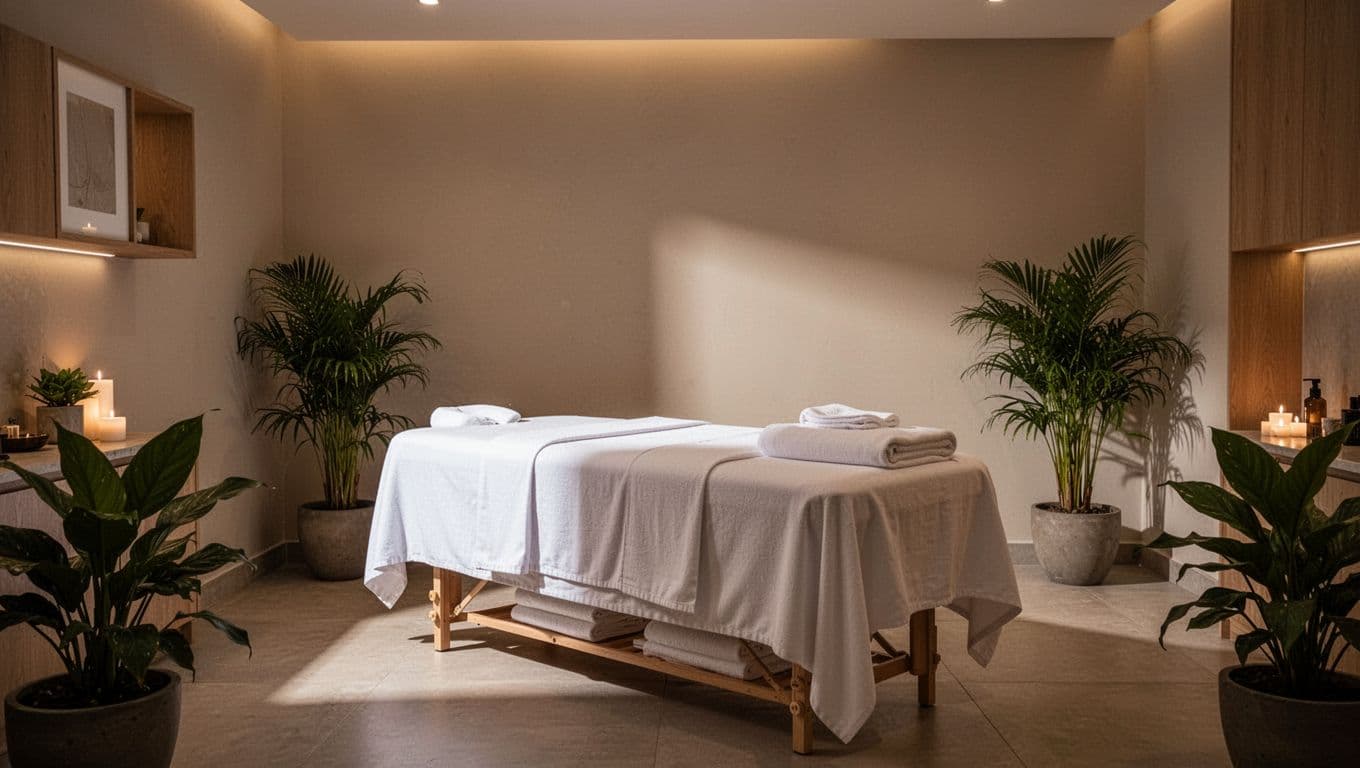 Local spa seekers usually look for more than a nice menu. They want a place that feels calm the moment they walk in, with skilled therapists, clear service details, and a booking process that does not waste time. Happiness Spa sits in the middle of that kind of search, where convenience, comfort, and quality all need to work together.
Why Kilimani is a busy spot for spa and massage bookings
Kilimani stays busy because it fits into the flow of daily life. People can stop in after work, between errands, or before heading home, which makes a massage feel practical instead of rare. In a city where traffic can eat up an afternoon, that kind of access matters.
The neighborhood also attracts people who already expect comfort and variety. Many local clients want Swedish massage for relaxation, deep tissue for stubborn tightness, hot stone or hot oil for warmth, and aromatherapy when they want a softer reset. That mix keeps demand steady, because different people book for different reasons.
Kilimani also has a rhythm that suits wellness stops. Offices, apartments, restaurants, and shopping spots are close enough that a spa visit can become part of a regular routine. For many Nairobi residents, it is simply easier to book nearby than to turn a treatment into a long trip.
A local spa in this area needs to match that pace. It should feel organized, easy to reach, and ready for people who are squeezing self-care into a full day.
What local clients usually expect from a good spa visit
Most people judge a spa by the basics first. Privacy matters, because a massage feels better when the room feels protected and quiet. Clean rooms matter just as much, since fresh linens, tidy surfaces, and a neat setup build trust before the treatment even starts.
Reliable appointments matter too. Nobody wants to arrive on time and wait around while the schedule slips. A good spa respects the booking, keeps the flow steady, and communicates clearly if timing changes. That alone can turn a simple visit into a smooth one.
The atmosphere should help the body switch off. Soft lighting, low noise, and calm staff all make a difference. A good therapist also knows how to read the room, keep the pressure appropriate, and adjust without making the client explain everything twice.
When people book Spa and Massage care in Kilimani, they usually want a few things at once:
- A space that feels private and clean
- Therapists who know what they are doing
- Clear service descriptions before the session starts
- Easy booking by phone or WhatsApp
- A calm setting that does not feel rushed
If the room feels rushed, the massage usually does too.
How to compare nearby options without feeling overwhelmed
A long spa menu can make simple decisions feel harder than they should be. The easiest way to compare nearby options is to start with four things: service type, price, hours, and treatment style. Once you line those up, the list gets much shorter.
A helpful way to compare is to ask, “What do I want this visit to do?” If you need deep muscle work, look for deep tissue or hot stone. If you want rest, choose Swedish or aromatherapy. If your body feels stiff, a therapist who offers Thai-style stretching may fit better.
Before you book, check the basics side by side. This simple view helps you narrow the choices without second-guessing yourself.
| What to compare | What to look for |
|---|---|
| Service type | Swedish, deep tissue, hot stone, hot oil, aromatherapy, Thai |
| Price | Clear rates, no surprise add-ons |
| Hours | Times that fit work, errands, or evening bookings |
| Treatment style | Gentle, firm, stretching-focused, or full relaxation |
| Booking process | Easy phone, WhatsApp, or direct contact |
| Spa feel | Quiet rooms, clean setup, and respectful service |
If a spa gives you clear answers quickly, that is a strong sign. If the details stay vague, the visit may feel vague too.
For local readers who want to book without back-and-forth, contact our Kilimani spa team and ask about the treatment that fits your body best. A good spa should make that conversation simple, not confusing.
The best choice in Kilimani is usually the one that saves you time, feels calm from the start, and matches the kind of relief you actually need. When those pieces line up, the booking feels less like a gamble and more like a smart part of the week.
Booking, prices, and what to expect on the day of your visit
Once you know what kind of treatment fits your body, the next step is simple, but it matters: booking the right time, understanding the price, and knowing how the visit will feel before you walk in. A good Spa and Massage appointment should feel easy from the start, not rushed or confusing.
 ### Why booking ahead saves stress and helps you get your preferred time
Popular slots fill fast, especially on weekends and after work. If you already know you want a Friday evening or Saturday appointment, book early so you are not left choosing whatever is still open.
Advance booking also makes the visit smoother for the spa team. They can set up the room, match you with the right therapist, and prepare for the treatment you want. That extra bit of planning matters when you want the session to start on time and feel unhurried.
If your schedule is tight, booking ahead becomes even more useful. You can choose a time that fits between errands, meetings, or dinner plans instead of squeezing the visit into a bad window. For people who book often, this small habit saves a lot of back-and-forth. If you want a simple booking path, you can schedule a massage appointment in Nairobi and pick the timing that works best for you.
The best appointment is usually the one you book before your week gets crowded.
What usually changes the price of a spa session
Spa prices are usually tied to a few clear factors, and most of them are easy to understand. A longer session costs more because the therapist spends more time with you. A 30-minute treatment will usually sit below a 60-minute or 90-minute one.
Treatment type matters too. A simple relaxation massage usually costs less than a specialty service that uses hot stones, premium oils, or a more advanced technique. Couple’s sessions also tend to cost more because you are booking two people at once, often in a larger room or with two therapists.
Add-ons can push the total up as well. Things like aromatherapy oils, hot stone work, body scrubs, or upgraded spa rituals add comfort, but they also add to the price. Some spas bundle these extras into packages, while others list them separately, so it helps to ask before you confirm. For background on how treatment style affects value, the World Spa Organization’s wellness resources show how spa menus often build price around time, technique, and premium extras.
A simple way to think about it:
- Shorter sessions usually cost less and focus on one main area.
- Longer sessions give more room for full-body work and recovery.
- Specialty treatments cost more because they use extra products or advanced methods.
- Couple’s bookings are usually priced higher than solo sessions.
- Premium add-ons increase the total, especially when they change the full experience.
How to prepare so your massage feels better from the start
A little preparation goes a long way. Start with a light meal before your appointment so you are comfortable, not stuffed. A full stomach can make it harder to relax, while going in hungry can leave you distracted.
Arrive a little early if you can. Even 10 to 15 minutes helps you settle in, use the restroom, and switch your mind out of work mode. That quiet buffer makes the session feel less like an appointment you rushed into and more like time you actually made room for.
It also helps to speak up about your preferences. Tell the therapist if you want firmer pressure, softer pressure, or extra focus on a specific area like your neck, shoulders, or lower back. If anything feels uncomfortable during the session, say so right away. Good communication keeps the treatment working for you, not against you.
Wear comfortable clothes when needed, especially if you are coming in before or after errands. Loose clothing makes changing easier and helps you feel at ease afterward. If you want a broader first-visit checklist, Reservio’s first spa visit tips offer a simple reminder to arrive early and come prepared.
When the day comes, expect a calm check-in, a short chat about pressure or focus areas, and then a treatment room that is quiet and warm. During the session, your only job is to relax and breathe normally. Afterward, drink water, take your time getting up, and give your body a few minutes before jumping back into a busy schedule.
A good spa visit ends the way it should, with less tension in your body and less noise in your head. When you book ahead, understand the pricing, and arrive prepared, the whole experience feels smoother before the first touch even begins.
Conclusion
The best Spa and Massage experience is the one that fits the body in front of you. Sometimes that means firm pressure for tight shoulders, sometimes it means warmth, scent, and a slower pace, and sometimes it means a simple hour of quiet so your mind can stop carrying the day.
That choice gets easier when you pay attention to what your body is asking for, your mood, and the time you actually have. A session should feel personal, calming, and useful, not rushed or random. If you want a softer, sensory reset, aromatherapy massage therapy is a natural place to look, especially when relaxation matters as much as muscle relief.
What stays true across every option is simple, regular care helps stress settle, muscles loosen, and recovery feel less like a struggle. When you book with that in mind, spa time stops feeling like a luxury you squeeze in and starts feeling like a smart part of staying well. Choose the treatment that matches your needs, then book with confidence.