
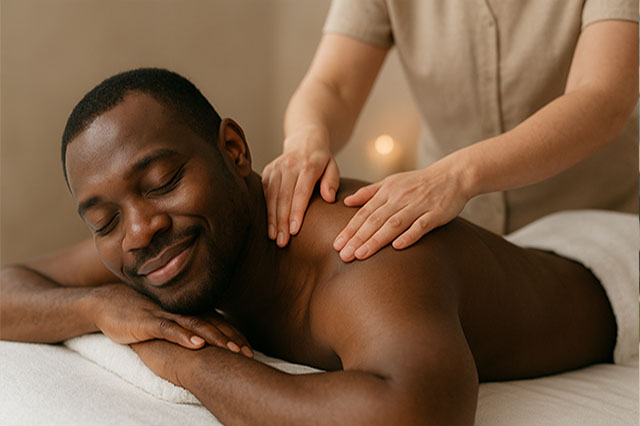
Full Body Massage: Benefits, Styles, and What to Expect
A Full Body Massage can loosen the knots that sit in your shoulders, calm a busy mind, and leave you feeling like you can breathe again. People seek it out for more than comfort, they want relief from tension, better sleep, and a real reset after long workdays or hard workouts.
The right session can also help you slow down enough to notice how much stress your body has been carrying. If you’re comparing styles, a Swedish massage techniques guide can help you understand the lighter, flowing approach many people choose for relaxation.
As you read on, you’ll see the main benefits, the massage styles that fit different needs, what to expect during a session, and how to choose a good spa in Nairobi, including options like Happiness Spa in Kilimani.
What full body massage really means and why people book it
A full body massage is a session that addresses several major muscle groups in one visit, rather than focusing on just one sore spot. People book it when they want more than a quick fix, they want their body to settle down, their mind to slow, and their muscles to let go of the tension they carry every day.
It appeals to a lot of people because it feels complete. If your shoulders are tight, your legs feel heavy, and your back has been complaining for weeks, a full body session gives those areas attention in one calm stretch of time.
 ### The body areas usually included in a session
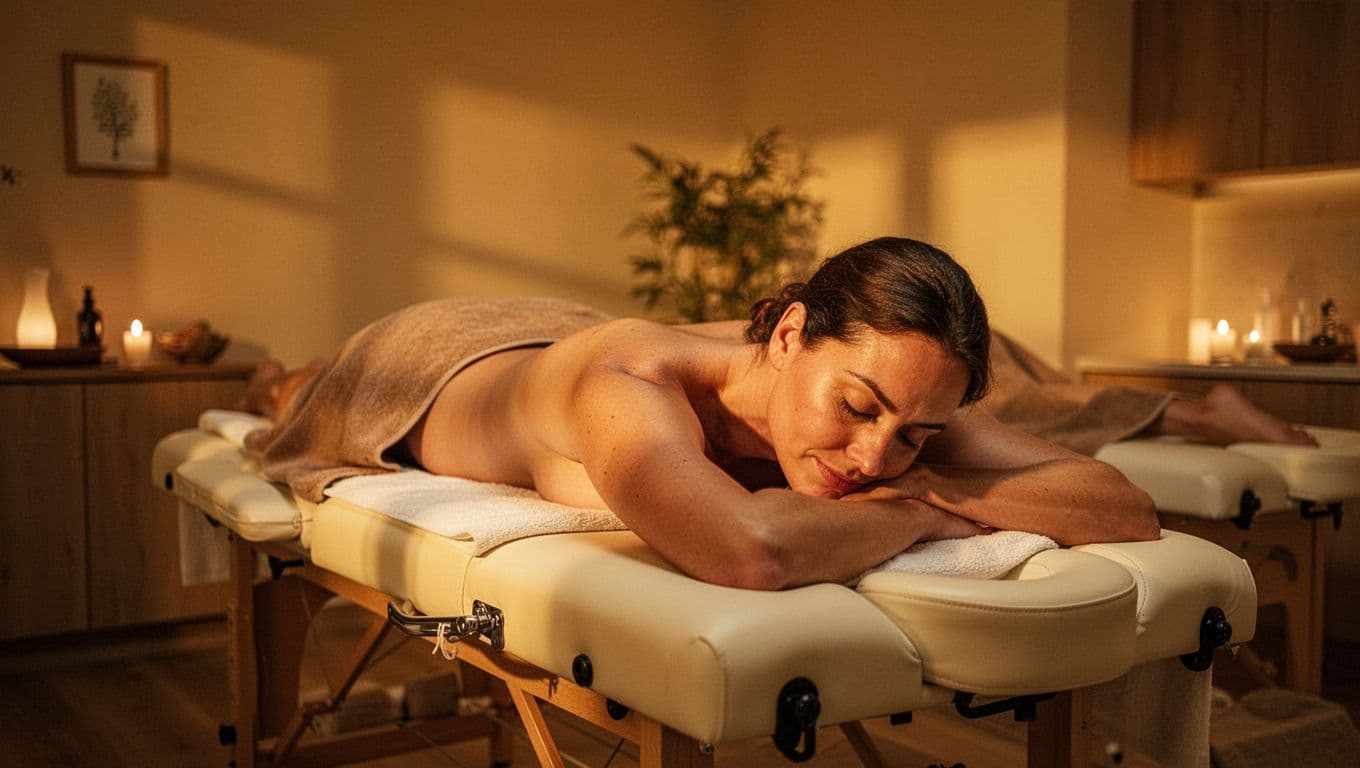
Most full body massages begin with the back, shoulders, and neck, since that is where stress often piles up first. From there, the therapist usually moves to the arms, hands, legs, and feet, giving attention to the parts of your body that carry you through work, travel, workouts, and daily chores.
Some sessions also include the scalp or face, depending on the spa and the style of massage. That extra attention can make the experience feel even more restful, almost like your whole body is getting a quiet reset at once.
A full body massage does not always mean every inch of the body is touched. It usually means the main muscle groups are covered, with room for comfort and customization.
Not every spa treats it the same way, though. Some focus more on relaxation, while others spend extra time on tight spots or area-specific tension. If you want a broader range of massage options, the Spa and Massage services page is a helpful place to compare what a session may include.
How a full body massage helps with stress and tension
A good full body massage can feel like turning the volume down on a noisy day. The pressure, rhythm, and steady contact help the body relax, while the quiet setting gives your mind room to stop racing for a while.
That matters because stress shows up in ordinary ways. Desk posture can round your shoulders forward, long commutes can tighten your lower back, and regular workouts can leave your muscles tired and stubborn. Even a plain old week of carrying bags, sitting too long, and sleeping badly can leave you feeling stiff all over.
The result is not just comfort during the session. Many people leave feeling lighter, looser, and more aware of how much tension they were holding without noticing it. For a general look at massage therapy benefits, the Mayo Clinic Health System overview gives a clear summary of how massage can support relaxation and muscle relief.
Who tends to benefit most from it
Full body massage draws all kinds of people, but some groups book it more often because their bodies feel the strain in predictable ways. Office workers often want relief from long hours at a desk. Athletes look for recovery after training, games, or heavy physical work. Parents may book it when they feel worn down from constant movement and little rest.
Travelers also benefit, especially after long flights, road trips, or days spent hauling luggage and sitting in cramped positions. Even if you are not dealing with anything dramatic, a full body session can still help when you feel drained, tense, or simply overdue for a break.
The pressure and technique matter here. A lighter session may suit someone who wants calm and relaxation, while firmer work can help a body that feels tight after exercise or repetitive strain. In other words, the same type of massage can support both rest and recovery, depending on how it is done.
For people who want relaxation with a little more structure, a Swedish massage techniques guide can also help explain one of the most common styles used in full body sessions.
Popular massage styles you may find in a full body session
A full body massage can feel very different depending on the style behind it. Some sessions are soft and rhythmic, others go after stubborn knots, and a few add heat, scent, or stretching to change the whole mood of the treatment.
That choice matters because each style answers a different need. You might want pure relaxation, stronger recovery work, or a blend that helps your body release tension without feeling overworked.
 ### Swedish massage for gentle relaxation
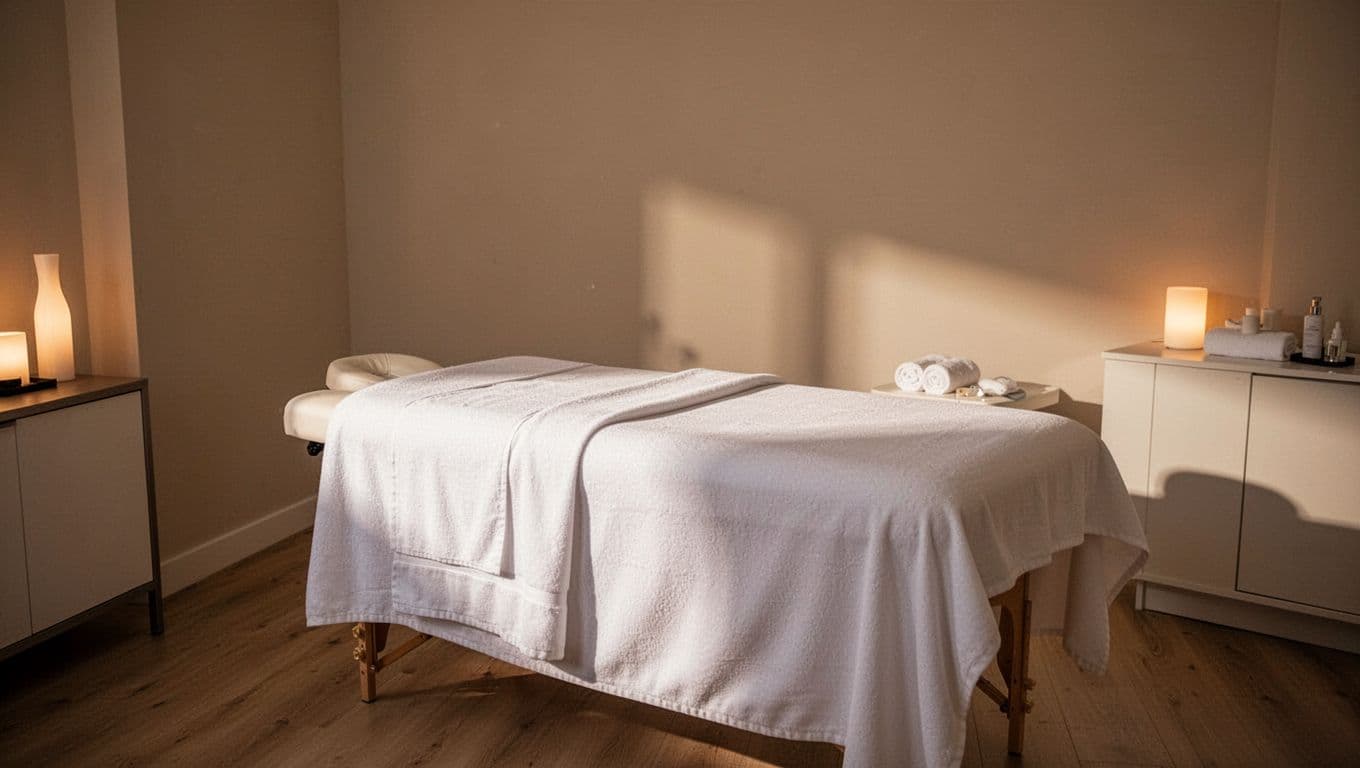
Swedish massage is often the first style people try, and for good reason. It uses long strokes, kneading, and a steady, soothing pace that helps the body loosen without a heavy pressure load.
That lighter touch makes it a common choice for first-time guests and anyone who wants a calm, flowing experience. If you want a session that feels smooth rather than intense, Swedish work usually fits that brief well.
It also works nicely inside a full body session because it connects the major muscle groups in one continuous rhythm. The result feels less like spot treatment and more like the body is being eased into a slower gear.
For readers who want a fuller breakdown of this style, a comprehensive massage therapy guide can help you compare common techniques before you book.
Deep tissue massage for stubborn tight spots
Deep tissue massage goes after the deeper layers of muscle and connective tissue. People often choose it when tightness keeps coming back in the same places, especially in the neck, shoulders, lower back, or legs.
The pressure can feel intense at times, but that does not mean it should hurt. Good deep tissue work stays purposeful, and communication matters the whole way through, because your therapist needs to know when pressure feels productive and when it crosses the line.
Strong pressure is not the goal by itself. The goal is targeted work that helps tight muscles let go.
This style often suits people dealing with chronic stiffness, post-workout tension, or strain from repetitive movement. For a side-by-side look at how it differs from lighter work, Healthline’s comparison of Swedish and deep tissue massage gives a clear overview.
Aromatherapy, hot stone, Thai, and hot oil options
Some full body sessions change the experience with scent, warmth, or movement. Aromatherapy massage uses essential oils to shape the mood, hot stone adds heat that can help muscles soften faster, Thai massage brings in stretching and more active bodywork, and hot oil massage gives the hands a richer glide across the skin.
These styles are not just add-ons. They shift the purpose of the session in a real way, whether you want comfort, recovery, or a deeper sense of calm. Warmth can make tight areas easier to work on, while stretching can help if your body feels stiff and compressed.
The right choice depends on what you want most that day:
- Comfort: aromatherapy or hot oil often feels best when you want a softer, soothing session.
- Recovery: Thai or deeper pressure work can suit bodies that feel tight and limited.
- Deep relaxation: hot stone often helps the body settle into a slower, heavier sense of ease.
A good spa will help you match the style to your goal, so the session feels personal instead of generic. In a full body massage, that choice can be the difference between simply lying on a table and leaving with your whole body feeling more at home.
What to expect before, during, and after your appointment
A Full Body Massage feels much easier to enjoy when you know how the visit flows. The rhythm is usually simple, calm, and predictable, which helps take the nerves out of a first appointment and lets you settle in faster.
A little preparation goes a long way, especially if you want the session to feel smooth from the moment you arrive. If you also want a broader sense of how appointments work at this spa, the spa arrival and preparation guide is a useful companion read.
How to prepare so you feel relaxed from the start
Arrive a little early so you are not rushing through the door. That extra buffer gives you time to check in, use the restroom, sip water, and let your shoulders drop before the session begins.
Drink water beforehand, but don’t overdo it right before you leave. A light meal is better than a heavy one, because a full stomach can make it harder to relax once you’re on the table.
Be direct about sore areas, recent injuries, and any health concerns. If your lower back has been acting up, your therapist should know. The same goes for pregnancy, recent surgery, skin sensitivity, or anything that might affect pressure or positioning.
A few simple steps help most:
- Arrive early so you can settle in without feeling hurried.
- Hydrate well during the day, especially if you tend to get dehydrated.
- Keep meals light so you feel comfortable during the massage.
- Share concerns clearly so the therapist can adjust the session.
The best sessions start with honest communication. A few details up front can make the massage feel safer, calmer, and more effective.
What usually happens during the massage
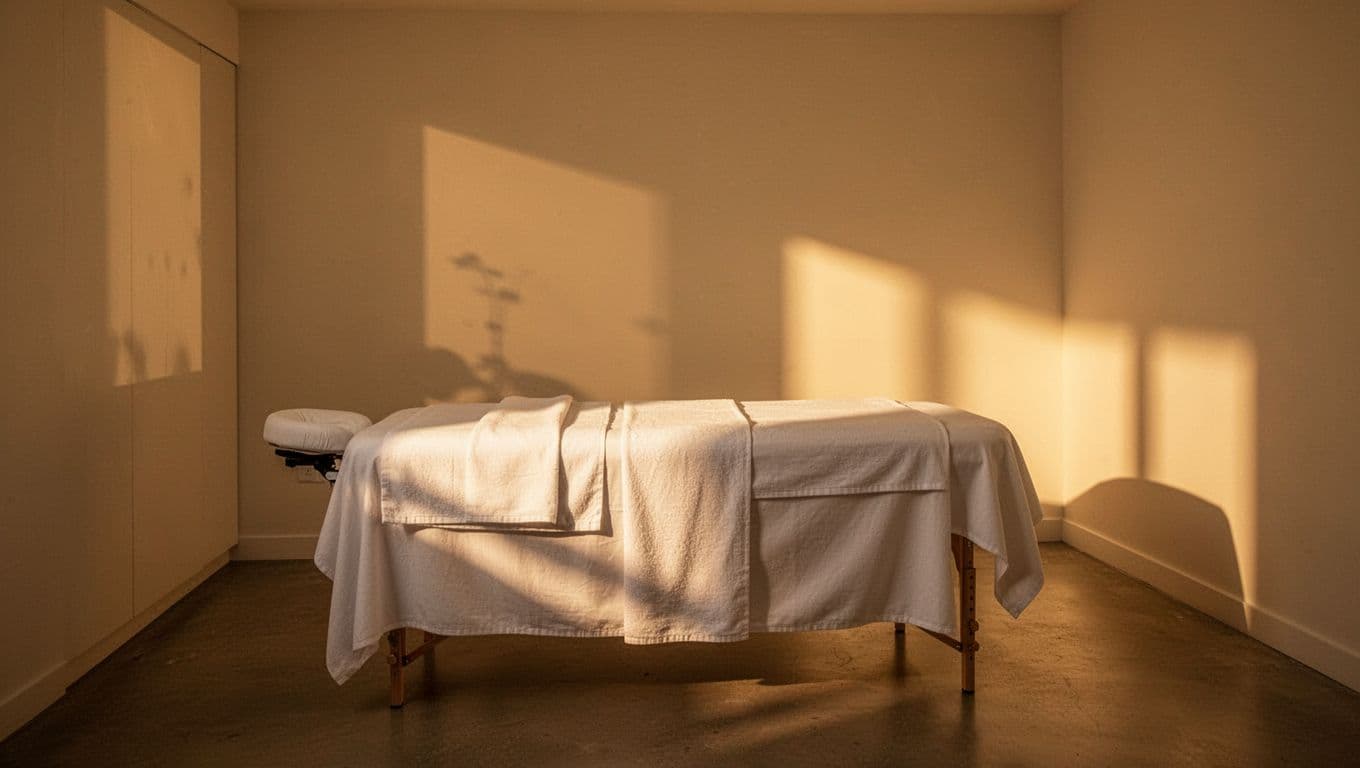
Once you’re shown to the room, the setup is usually quiet and private. You’ll see a massage table, fresh linens, towels, and often dim lighting that helps the room feel soft rather than clinical.
The therapist may ask about pressure, your preferred areas of focus, and whether you want a lighter or firmer touch. Oils or lotion are then used to reduce friction and help the hands move smoothly across the skin.
 From there, the massage usually moves through the body in sections. The therapist may start with the back and shoulders, then move to the arms, legs, hands, feet, neck, or scalp, depending on the style and your comfort level. If the pressure feels too strong or too light, say so right away. A good therapist wants the work to match your body, not overpower it.
What to do after the session ends
After the massage, give yourself a few minutes before jumping back into a busy day. Stand up slowly, drink water, and let your body catch up with the work that was just done.
Some people feel loose and calm right away. Others feel sleepy, slightly flushed, or a little sore if the session was deeper than usual. Those reactions are usually normal after a stronger Full Body Massage, especially when tight muscles have been worked carefully.
Gentle movement helps too. A short walk, light stretching, or simply taking it easy for the rest of the day can help your body settle into the results. For hydration guidance after massage, Hackensack Meridian Health explains why water matters, especially after deeper bodywork.
If the session was intense, avoid hard exercise right away. Let the muscles recover at their own pace, and notice how your body feels over the next several hours. That afterglow, loose, quiet, and slightly heavy, is often part of the experience.
How to choose the right full body massage experience in Nairobi
Choosing a Full Body Massage in Nairobi gets easier when you know what to look for before you book. The best choice depends on your pressure preference, the therapist’s skill, the spa’s atmosphere, and how well the service fits your goal, whether that goal is relaxation, pain relief, or recovery after a busy week.
A good session feels personal. It should match your body, not just fill a slot on the schedule.
 ### Questions to ask before you book
A few direct questions can save you from a disappointing appointment. Start with pressure level, since some people want a light, calming touch while others need firmer work on tight muscles.
Ask how long the session lasts, who will provide it, and whether the therapist has experience with the style you want. If you are booking for sore shoulders, a sports recovery goal, or general stiffness, say that clearly so the spa can match the treatment to your needs.
Cleanliness matters just as much as technique. You want fresh linens, a tidy treatment room, and a space that feels cared for.
A simple checklist can help:
- Pressure level: “Can you do light, medium, or firm pressure?”
- Session length: “How long is the massage, and does hands-on time match the booked time?”
- Therapist experience: “Has the therapist worked with this massage style before?”
- Cleanliness: “How do you handle linens, oils, and room preparation?”
- Customization: “Can you focus on my pain points or recovery goals?”
If you want a broader view of common massage options before deciding, the massage therapy in Kenya page is a useful place to compare styles and benefits.
A clear answer before you book usually tells you more than a polished ad ever will.
For general style comparison, Healthline’s overview of massage types is also helpful if you’re trying to match technique to your comfort level.
What makes a spa feel worth the visit
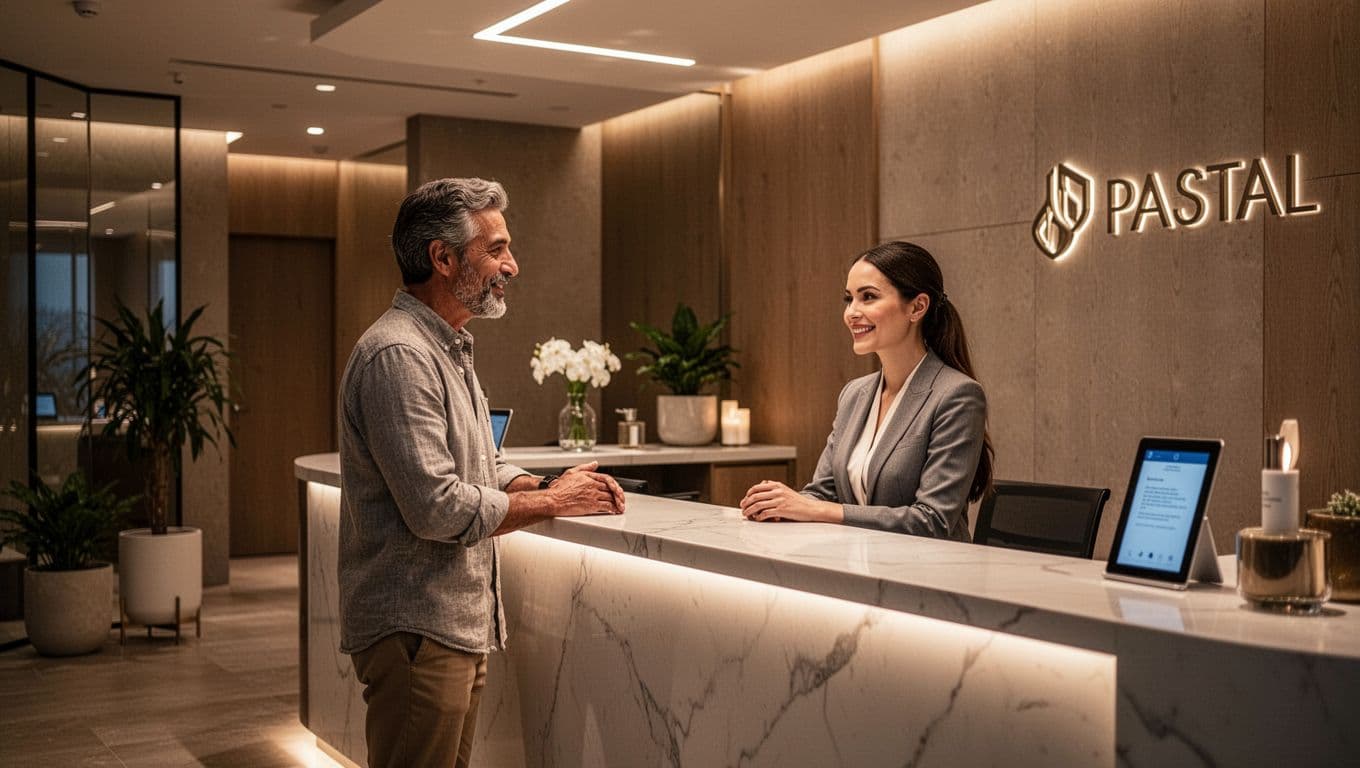
The best spa experience starts before the massage begins. When you walk in, the space should feel calm, organized, and clean, not crowded or rushed.
Atmosphere matters because your body picks up on it right away. Soft lighting, a quiet reception, and a professional greeting help you settle in faster. Privacy matters too, especially when you are changing, discussing sensitive pain areas, or simply trying to relax without feeling exposed.
Clear communication is another sign you picked well. The staff should explain the service, answer questions without rushing, and tell you what happens before and after the massage. When a spa listens well, the whole visit feels smoother.
Look for these signs of a good experience:
- Professional service that feels attentive without being pushy
- Clean treatment areas with fresh towels and a tidy setup
- Privacy during intake, changing, and the session itself
- Clear communication about pressure, timing, and aftercare
A spa can have beautiful rooms and still miss the mark if the service feels cold or confusing. You want the whole visit to feel steady, from front desk to final glass of water.
Why Happiness Spa in Kilimani stands out
For people looking for a relaxing Full Body Massage in Nairobi, Happiness Spa in Kilimani is a practical local option to consider. Its location at Jade Residency, Kindaruma makes it easy to reach for anyone in or around Kilimani, and that convenience matters when you want a calm appointment without a long cross-town commute.
The spa’s welcome feels suited to people who want more than a quick treatment. It offers a range of massage and wellness services, including Swedish, deep tissue, aromatherapy, hot stone, hot oil, and Thai options, so you can choose the style that fits your body that day. That variety makes it easier to book with a specific goal in mind, whether you want to unwind, ease tight muscles, or recover from physical strain.
The setting also helps. A spa should feel like a place where your shoulders drop the moment you walk in, and that is part of what makes a visit feel worth it. If you want to compare available treatments before you book, the Spa and Massage services page gives a useful look at the range on offer.
When you’re choosing a spa in Nairobi, the smartest move is simple: match the massage style to your body, the therapist to your comfort level, and the spa to the kind of calm you want to take home with you.
Conclusion
A good Full Body Massage does more than ease sore muscles for an hour. It gives the body room to soften, the mind room to slow down, and the whole system a chance to feel balanced again.
That is the main value to hold onto, relaxation with real relief, shaped by the right pressure and the right style for your body. When you choose a session that matches what you need, and you speak up about pressure, focus areas, and comfort, the massage works with you instead of around you.
Choose the style that fits your day, your body, and your schedule. Book the session that gives you space to breathe, release tension, and leave feeling more like yourself.