
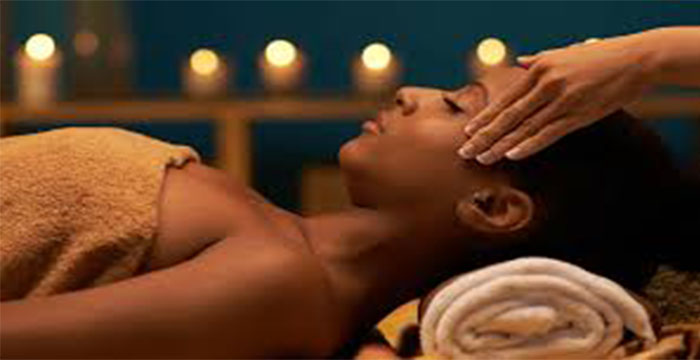
Aromatherapy Massage Benefits, Oils, and What to Expect
Aromatherapy massage can change the whole pace of your day, especially when stress has settled into your shoulders and sleep has not come easy. With the right oils and steady touch, it helps calm the body, settle the mind, and create a small pocket of relief that enhances your overall well-being long after the session ends.
People often seek it out for stress reduction, mood support, and a softer way to ease tension without feeling rushed. If you are curious about how therapeutic aromatherapy massage works, which oils people choose, who gets the most out of it, and what a good spa session in Nairobi feels like, you are in the right place.
Key Takeaways
- Synergistic Benefits: Aromatherapy massage combines steady touch with the sensory impact of essential oils to simultaneously relax tight muscles and soothe a busy mind.
- Personalized Experience: Sessions are tailored to individual needs by selecting specific oils for their mood-enhancing properties—such as lavender for calm or citrus for energy—and adjusting pressure levels accordingly.
- Stress and Tension Relief: Regular sessions can effectively lower stress levels, improve sleep quality, and provide relief from physical tension in areas like the neck, shoulders, and lower back.
- Practical Self-Care: Integrating aromatherapy massage into your regular routine can transform it from an occasional treat into a sustainable habit for long-term well-being and physical maintenance.
What aromatherapy massage is and how it works
Aromatherapy massage brings together two simple elements, touch and scent, through the practice of massage therapy. The treatment eases muscle tension with steady pressure, while essential oils add a mood-setting layer that changes how the whole session feels.
That combination is why many people choose an aromatherapy massage when they want more than physical relief. The room feels calmer, the breathing slows, and the body often follows that cue.
 ### The role of essential oils in the massage experience
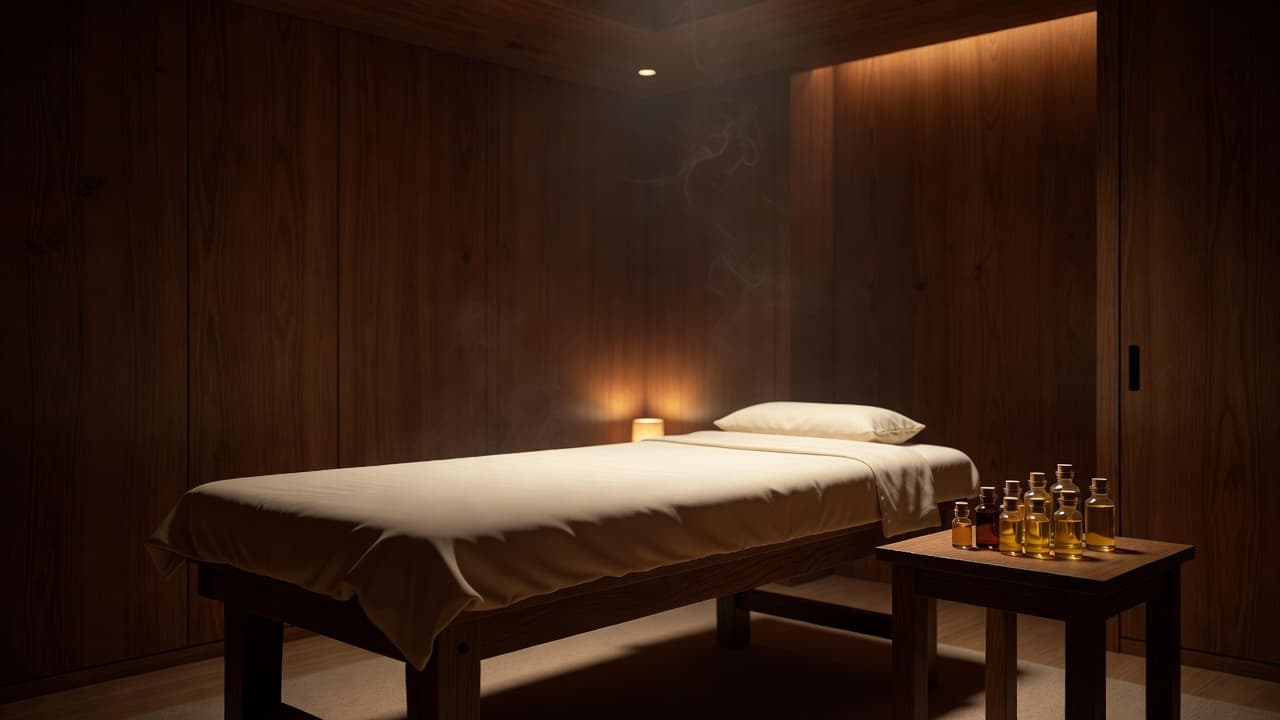
Essential oils are the heart of the scent side of the treatment. They are chosen for the mood they help create, so the same session can feel calming, uplifting, or refreshing depending on the blend.
Your massage therapist usually picks the oil based on the goal of the visit and the scent you respond to best. Lavender often feels soothing, citrus oils can feel bright and energizing, and peppermint may feel cool and fresh.
Before the oil touches your skin, it is usually mixed with a carrier oil. This is important because essential oils are concentrated, and the carrier oil helps spread them safely and smoothly across the body. Through a combination of topical application on the skin and inhalation of the aromatic vapors, these oils help facilitate a deeper sense of ease. The American Massage Therapy Association highlights how these two components work together to enhance the overall experience.
A good blend does more than smell nice. It sets the tone before the first stroke even begins, almost like opening a window in a stuffy room.
How touch, scent, and breathing work together
Once you lie on the massage table, the whole session starts to settle into a rhythm. The massage therapist uses steady pressure, the room stays quiet, and the scent moves softly through the air.
As you breathe in, the aroma meets the massage in a way that feels personal and immediate. Your shoulders start to drop, your jaw loosens, and your breathing often gets slower without you trying.
That simple pattern is part of the appeal. The hands work on the body, the scent works on the senses, and your breathing links the two. Cleveland Clinic explains the basics of how scent can support relaxation and provide a sense of calm.
The best aromatherapy sessions feel coordinated, not crowded. The oil, the touch, and the atmosphere all point in the same direction.
What makes it different from a regular massage
A standard massage focuses mainly on muscles, tension, and movement in the body. Aromatherapy massage keeps that physical focus, but it adds a scent experience that changes the mood of the entire session.
That extra layer is why some people prefer it when they want deep relaxation more than muscle work alone. The massage still helps ease tightness, but the room also feels softer, more restful, and less clinical.
Here is a simple way to compare them:
| Feature | Regular massage | Aromatherapy massage |
|---|---|---|
| Main focus | Muscle tension and physical relief | Muscle relief plus scent-driven relaxation |
| Sensory experience | Touch-centered | Touch, scent, and breathing together |
| Mood effect | Calm and restorative | Calm, restorative, and more immersive |
| Oil use | Basic massage oil or lotion | Essential oils blended with carrier oil |
In practice, aromatherapy massage feels a little more layered. The body gets the benefit of touch, while the mind gets a gentle signal to slow down. For many people, that balance is exactly what makes it memorable.
The benefits people notice after an aromatherapy massage
The first thing many people notice after an aromatherapy massage is how much quieter everything feels. The room may be the same, but your body often leaves in a different state, with less tension in the shoulders, slower breathing, and a calmer pace in your mind.
That shift is part physical and part sensory. The massage works on tight muscles, while the scent gives your nervous system a gentle cue to settle. These combined therapeutic benefits are why the experience often feels more complete than touch alone. Results vary, though, because oil choice, pressure level, and your own sensitivity to scent all shape how the session lands.
Stress relief and a calmer nervous system
A soothing session can help the body move out of alert mode and into a more restful state. When the pressure is steady and the scent is pleasant, many people feel their breathing slow, their jaw unclench, and their thoughts stop racing quite as hard.
That response matters because stress often shows up in the body before it shows up anywhere else. Tight neck, shallow breathing, restless shoulders, and a clenched stomach can all soften a little when the session gives your system permission to stand down. For many, this practice acts as a supportive tool for those managing anxiety, symptoms of depression, or chronic insomnia, ultimately contributing to a more balanced state of well-being.
For many clients, the change feels simple but real. They leave less tense, less hurried, and more grounded, as if the day stopped pressing on them for a while.
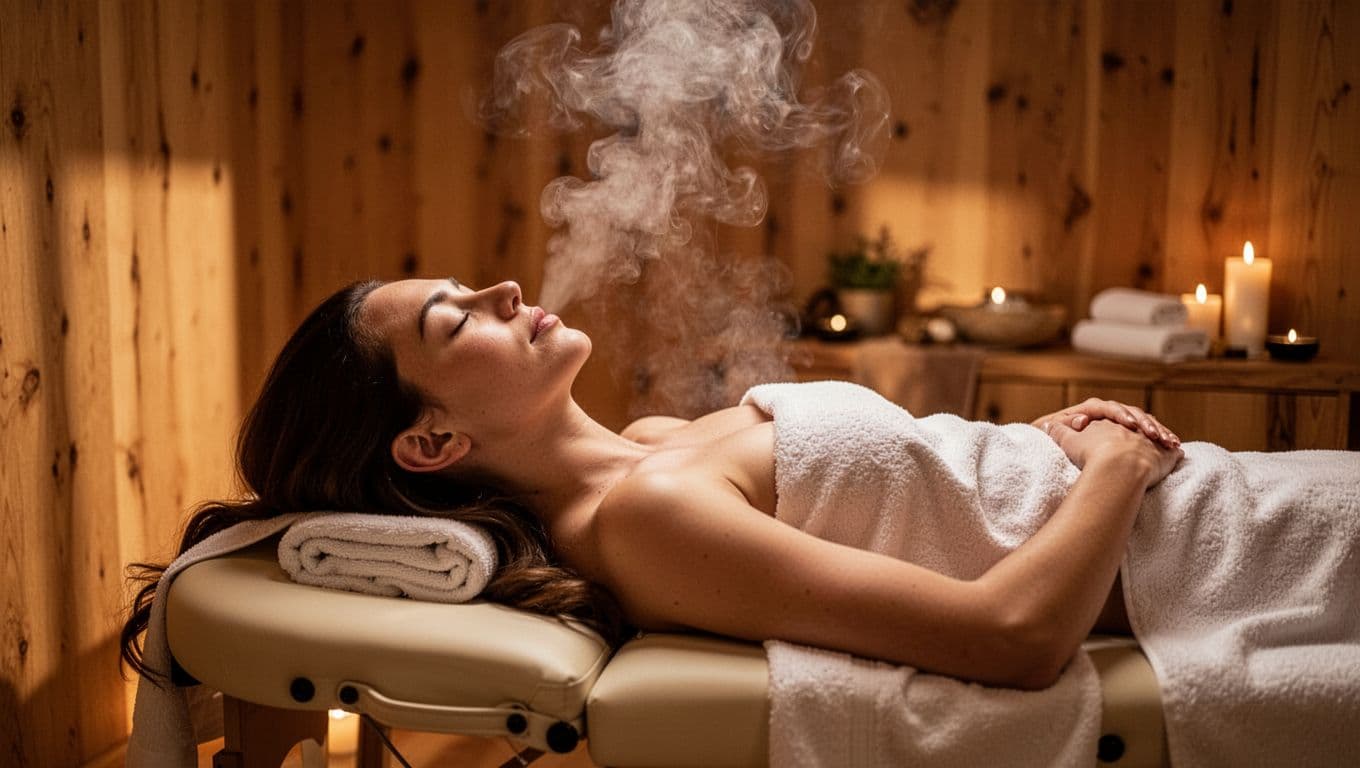 In aromatherapy, scent can support that feeling even more. Lavender, bergamot, eucalyptus, and other essential oils are often chosen for the mood they create, not because they force a result, but because they help set a calmer tone. Johns Hopkins Medicine explains how scent molecules can affect the brain’s emotional centers, which helps explain why aroma can feel so immediate.
A good session does not overpower the senses. It gives the body enough quiet to notice the difference.
Better sleep, lighter mood, and mental clarity
Many people book an aromatherapy massage when their mind feels crowded. After a busy week, a long workday, or a heavy stretch emotionally, the combination of soft pressure and relaxing scent can make it easier to unwind.
That calm often carries into the evening. Some people sleep more easily after a session because they are less keyed up, while others simply feel less mentally tangled. The mind may not become perfectly silent, but it usually gets a cleaner, slower rhythm.
Relaxing oils can also support a lighter mood. A bright citrus blend may feel refreshing, while lavender or chamomile can feel more settling. Cleveland Clinic notes that aromatherapy may help with anxiety and sleep quality, although the response is personal and not the same for everyone.
For people who carry stress in their heads as much as their shoulders, that matters. A massage like this can feel like opening a window after a stuffy afternoon, where the air does not solve everything, but it makes thinking easier.
Soothing sore muscles, tight shoulders, and everyday aches
The physical side of aromatherapy massage is one reason it stays popular. Gentle to medium pressure can help ease stiffness in common trouble spots, especially the neck, upper back, shoulders, and lower back. By promoting better blood circulation, the massage helps nourish tense areas, providing effective pain relief after long hours at a desk, a lot of driving, or a day spent on your feet.
A careful therapist works with your body, not against it. That means the pressure should feel helpful, not sharp, and the pace should leave space for the muscles to release instead of bracing harder.
The oils add comfort, but the hands do the main work. Warm oil helps movement feel smoother across the skin, while the massage itself can reduce that heavy, knotted feeling many people carry through the day. It will not fix every ache, and it should not replace medical care when pain is serious or persistent, but it can be a practical way to feel less stiff and more mobile.
A simple way to think about the benefits is this:
- Looser shoulders after long computer hours or a stressful commute
- Less neck tightness when tension keeps pulling upward
- Softer lower-back discomfort after sitting too long
- A more comfortable body after a week packed with physical or mental strain
When it can support recovery and self-care routines
Aromatherapy massage often fits best when it is part of a bigger routine, not a one-time rescue plan. People who book regularly tend to use it for relaxation, body awareness, and steady support after workouts or long stretches of sitting.
That regularity helps you notice patterns in your body. You may start to catch tension earlier, recognize when your shoulders are climbing toward your ears, or learn which oils help you settle faster. Over time, that awareness can make self-care feel more practical and less vague.
It also works well as a recovery-friendly treatment after exercise, especially when your body feels overworked but not injured. Gentle massage can help you feel less stuck and more ready to move again the next day. For anyone who spends much of the day at a desk, a session can also interrupt the slow creep of stiffness that builds from staying in one position too long.
For a broader look at massage therapy benefits and techniques, it helps to compare how different styles support different goals. Aromatherapy massage is especially appealing when you want the body and mind to calm down at the same time.
In the end, the appeal is straightforward. People return to aromatherapy massage because it often leaves them feeling more rested, more comfortable in their bodies, and less weighed down by the day. The exact effect changes from person to person, but the pattern is familiar, a quieter mind, a softer body, and a little more room to breathe.
Choosing the right oils, pressure, and session style
Aromatherapy massage feels personal because small choices change the whole experience. The oil sets the mood, the pressure changes how your body responds, and the room atmosphere can either calm you fast or leave you feeling distracted.
That is why two sessions can look similar on paper and still feel very different on the table. If you know what you want, you can ask for it clearly and get a treatment that fits your body instead of a generic version.
 ### Popular essential oils and what each one feels like
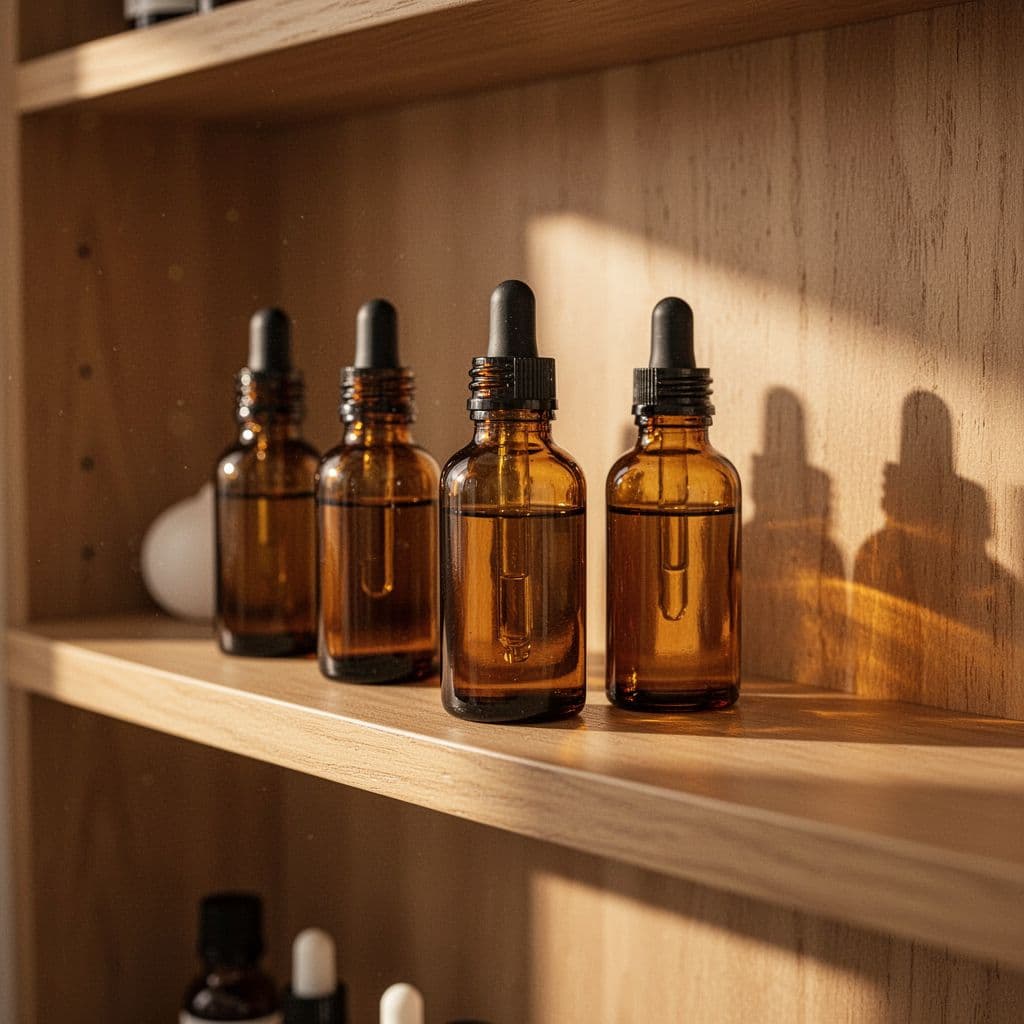
Different oils create different moods, even before the massage begins. Some feel soft and sleepy, while others feel fresh and bright.
- Lavender often feels calm and steady, like the room just got softer.
- Peppermint feels cool and crisp, which many people like when they feel heavy or tense.
- Eucalyptus brings a clean, open feeling that can make the session feel refreshing.
- Chamomile usually feels gentle and comforting, almost like a quiet exhale.
- Citrus blends such as orange or lemon feel light, sunny, and a little more upbeat.
You do not need to know every oil in advance. Still, it helps to notice how a scent makes you feel in the first few seconds. For a simple overview of how massage and aromatherapy benefits are often paired, the American Massage Therapy Association keeps the idea easy to understand.
How therapists match the treatment to your needs
A skilled massage therapist should ask a few basic questions before the session starts. They may want to know where you feel stress, whether you have sore muscles, which scents you like, and if you have allergies or skin sensitivity.
That conversation matters because it turns the treatment into a form of holistic healing. Someone carrying work stress may want lavender or chamomile, while a person with a stuffy, foggy feeling may prefer eucalyptus or peppermint.
Comfort level matters too. Some people want the room dark and quiet, while others feel better with a little more light or less scent. The best sessions feel shaped around you, not copied from a template. If you want a broader sense of what a tailored session looks like, massage options in Kilimani can help you compare styles before you book.
What to expect if you prefer light, medium, or deeper pressure
Aromatherapy massage is often gentle, but pressure can still be adjusted. Light pressure feels soft and flowing, medium pressure gives a little more work on tight areas, and deeper pressure focuses more firmly on knots and stiffness.
If you like a softer session, say so early. If you want firmer work on the neck, shoulders, or lower back, speak up before the therapist settles into a rhythm. That way, you do not spend half the session wishing for a change.
A good therapist will also mix pressure levels within one session. For example, the back may need more work, while the arms and legs feel better with lighter strokes. In other words, the pressure can move with your body. The Cleveland Clinic guide to essential oils also gives a helpful overview of how scent choices can shape the experience.
If a stroke feels too light or too firm, say it right away. Small adjustments usually make the biggest difference.
Safety notes, skin sensitivity, and scent preferences
Some oils can feel too strong for sensitive skin, and some scents can be overwhelming even when they smell pleasant at first. That is why open communication matters before and during the session to avoid an allergic reaction or unwanted skin irritation.
Is aromatherapy massage safe during pregnancy? While it can be very beneficial for relaxation and tension relief, expectant mothers should always consult their doctor first to ensure specific oils are safe for their personal health history.
If you know your skin reacts easily, ask about a patch test or a milder blend. Clean linens and fresh towels also matter, because they keep the experience comfortable and reduce the chance of irritation from residue or a strong, lingering scent. If an aroma starts to feel sharp, headachy, or simply wrong for you, say it. A therapist can usually switch oils or lower the intensity without disrupting the session.
The most comfortable aromatherapy massage is the one your body accepts easily. When the scent, pressure, and setting all match your preferences, the whole treatment feels smoother, calmer, and easier to enjoy.
What happens during a real aromatherapy massage session
A real aromatherapy massage feels calm and orderly from the moment you walk in. The pace is unhurried, the questions are simple, and every part of the session is shaped around comfort, scent, and pressure that suits your body. A standard aromatherapy massage session typically lasts 60 or 90 minutes, giving your body ample time to respond to the treatment.
Most people relax faster once they know what to expect. The visit usually begins with a short conversation, then moves into a quiet treatment room where the oils, music, and touch all work together. By the time the massage starts, the whole space already feels lighter.
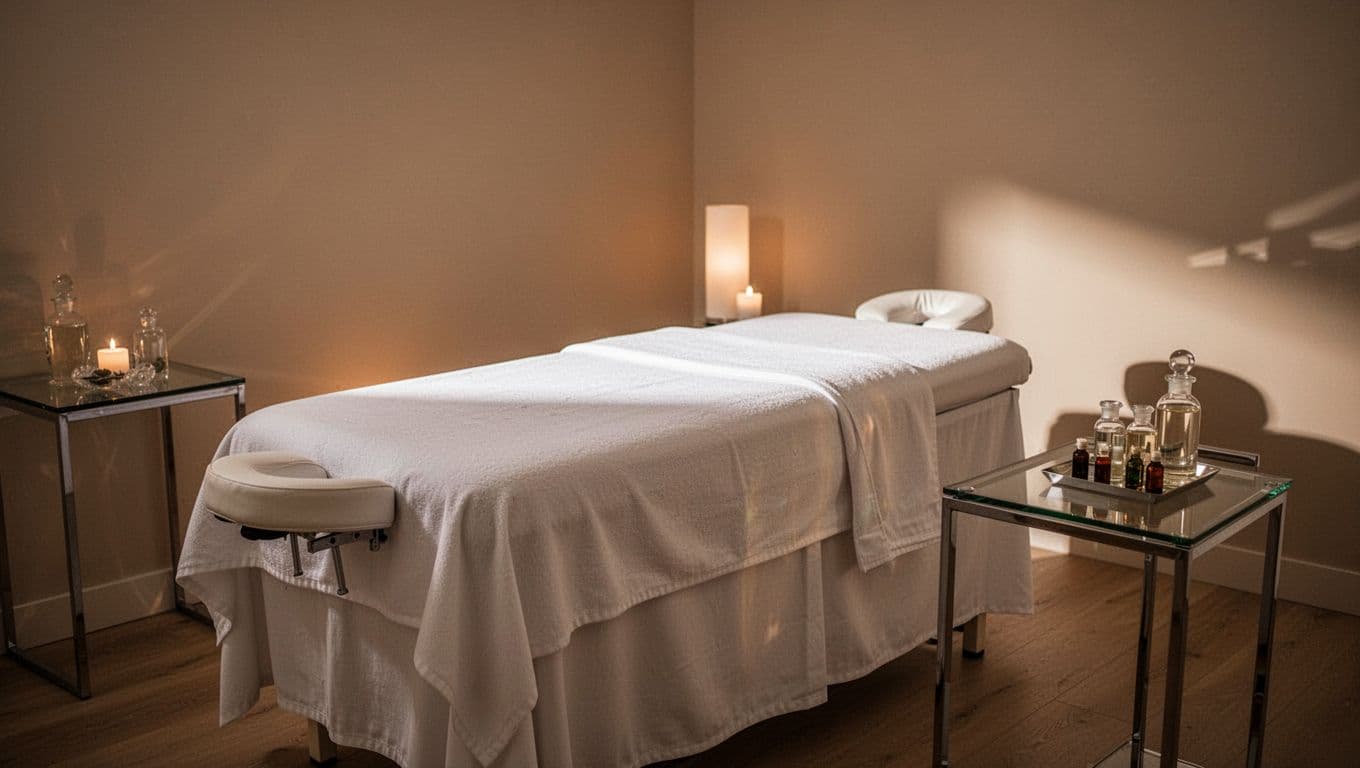 ### Before the session starts, from check-in to consultation
The first few minutes usually feel simple and welcoming. You check in, settle in, and answer a few health questions about allergies, skin sensitivity, injuries, pregnancy, headaches, or recent surgery. Those details matter because the therapist uses them to choose an oil blend and adjust the treatment safely.
A short consultation also covers your comfort preferences. You can say whether you want light, medium, or firmer pressure, whether you like a stronger or softer scent, and whether the room should stay quiet or use gentle music. If a smell gives you a headache or a certain area feels tender, say it early. A small adjustment at the start can change the entire session.
The scent choice often happens here too. Lavender may be the right fit if you want to unwind, while peppermint or eucalyptus may feel more refreshing. The therapist may suggest a blend based on how you feel that day, then mix the essential oil with a carrier oil before the massage begins.
That brief chat is not just small talk. It shapes the rhythm of the treatment, the oils on your skin, and how safe and settled you feel once you lie down. If you want to compare treatment styles before booking, the massage therapy guide gives a helpful overview of the different options available.
During the massage, the pace, scent, and room setting
Once you step into the treatment room, the atmosphere does most of the work. The lights are usually low, the linens feel clean and warm, and the air carries a light trace of essential oils designed for mood enhancement. Everything is arranged to quiet the noise in your head and help your body settle into the table.
The massage itself tends to move at a steady pace. The therapist starts with broad, flowing strokes, then works into tighter areas like the neck, shoulders, back, or legs, depending on what you discussed earlier. The pressure should feel smooth and controlled, never rushed, so your muscles have time to release instead of bracing against the touch.
The scent stays present without taking over. It should feel like a background note, not a cloud that fills the room. That balance is part of what makes aromatherapy massage a premier form of relaxation, because your breathing becomes part of the treatment. As the strokes lengthen and the scent continues in the air, your body often follows a slower, calmer pattern.
A good session feels steady, not dramatic. The best sign is often how natural the silence feels after a few minutes.
 You may notice the therapist checking in from time to time. That might mean asking if the pressure feels right, if the room temperature works for you, or if the scent is too strong. Those quick check-ins are part of a good session, because comfort should stay consistent from start to finish.
If you are curious about the types of oils often used in a session and how they affect the experience, massages with essential oils are often chosen for relaxation, mood support, and easing everyday tension.
Aftercare, hydration, and how to hold on to the calm
What you do after the massage matters almost as much as the treatment itself. Drink water when the session ends, because massage can leave you feeling a little flushed or drained if you rush straight back into the day. A glass or two helps your body settle, especially if the session was longer or more focused on tight muscles.
Give yourself a little space afterward if you can. Avoid stacking the rest of your day with errands, a heavy workout, or a stressful meeting right away. That extra breathing room lets the calm last longer, and it gives your body time to absorb the benefits instead of snapping right back into a busy schedule.
At home, keep the feeling going with a few small habits:
- Stay hydrated after the session and through the evening.
- Take a warm shower later, if you want to rinse off any lingering oil.
- Keep the lights low and the evening quiet when possible.
- Use a familiar scent sparingly, so the relaxation feels easy to recall.
- Go to bed early if the massage makes you sleepy.
Some people also like to stretch lightly later in the day, especially if the massage opened up tight shoulders or a stiff lower back. Keep it gentle, though. The point is to stay loose, not to turn recovery into another task.
If you want the calm to last longer, protect it. Slow down your schedule, breathe through your nose for a few minutes, and let your body stay soft for the rest of the day. That last stretch of quiet is often where the session settles in and becomes more than a temporary break.
Why Happiness Massage Spa in Kilimani is a smart place to book
Aromatherapy massage feels better when the spa around it feels easy to trust. That means clean rooms, clear answers, skilled hands, and a setting that helps your body settle before the treatment even begins. Happiness Massage Spa in Kilimani fits that practical kind of comfort, which matters when you want relaxation to feel simple, repeatable, and close to home.
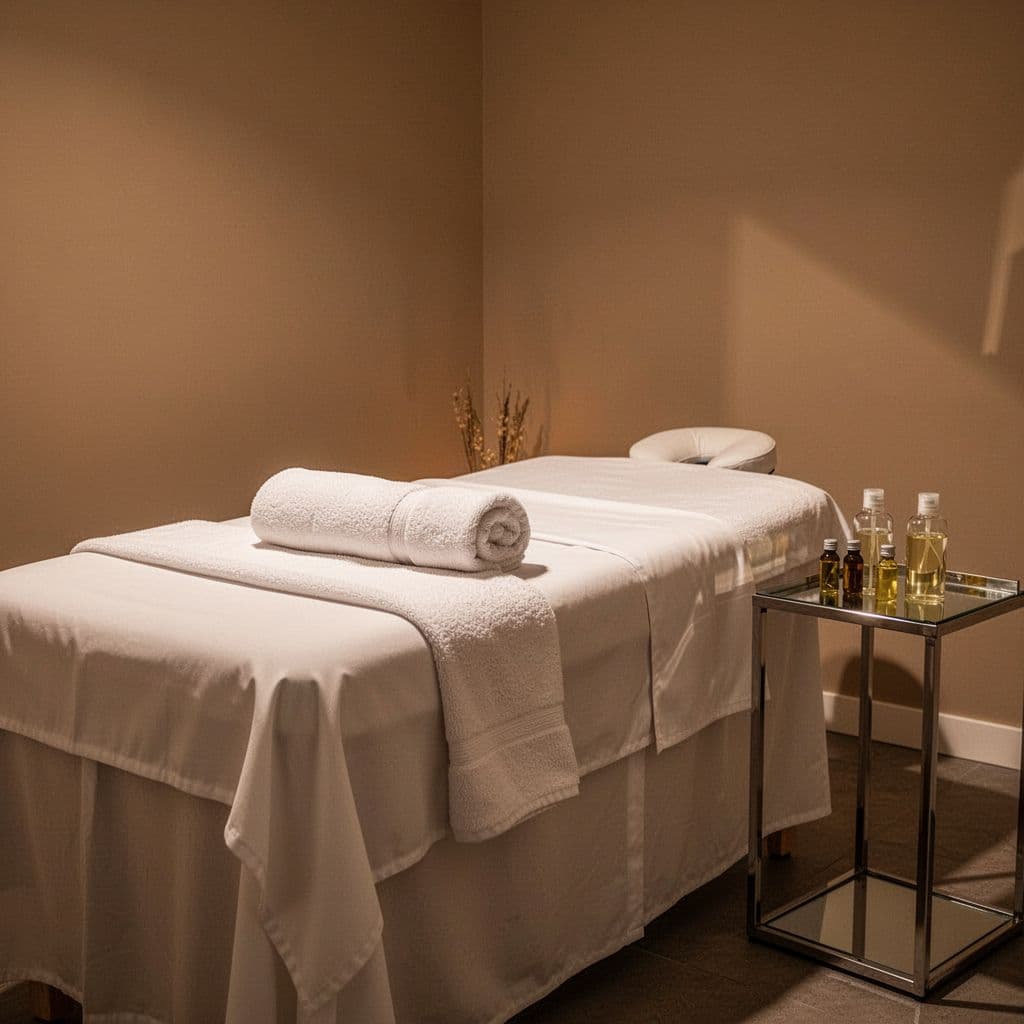 ### What makes a good local spa experience feel trustworthy
A professional spa gives you confidence the moment you walk in. The space should feel tidy, the linens should look fresh, and the scent in the room should feel pleasant rather than heavy or stale. Just as important, your massage therapist should speak clearly about what the session includes, what oils they use, and how they adjust pressure for your comfort.
That kind of calm order matters because it shows respect for your time and your body. When a therapist listens carefully, checks for sensitivities, and explains the flow of the session, you can reach a state of relaxation faster. In a good spa, the experience feels smooth, not rushed or improvised.
Look for signs like these before you book:
- Clean, organized rooms that feel prepared for each client
- Clear communication about treatment types, pressure, and oil choices
- Skilled massage therapist staff who ask the right questions before they start
- A quiet, calm setting that supports rest instead of distraction
If you want a simple way to compare your options, a spa’s service page can tell you a lot before you even call. Explore the spa treatment menu to see how a well-run local spa presents its offerings.
Trust usually shows up in the small details first, like clean towels, steady hands, and a therapist who listens before they begin.
How a Kilimani location can make self-care easier
Location changes everything when life is already full. A spa in Kilimani is easier to fit into a Nairobi routine because you do not need to turn self-care into a long project. You can book before work, after errands, or at the end of a heavy day, then head home without losing hours in transit.
That convenience matters because wellness works best when you can repeat it. If a massage spot is nearby, you are more likely to keep appointments, return for regular relief, and treat relaxation like part of normal life instead of a rare treat. For many residents, that makes the difference between good intentions and an actual habit.
Happiness Massage Spa is located at Jade Residency, Kindaruma, which gives it the kind of neighborhood access that makes planning easier. If you want a broader view of what the spa offers, see the spa and massage services and compare the treatments before you choose.
Other massage styles you may want to compare
Aromatherapy massage is a strong choice when you want scent and touch to work together, but it is not the only option worth considering. Some guests prefer a Swedish massage for a softer, flowing experience, while others want deep tissue work for tighter muscles. Thai massage, hot stone, hot oil, and other specialty treatments can also suit different needs and moods.
That variety helps because your body does not ask for the same thing every time. One week you may want light relaxation, and the next you may want the firmer pressure of a deep tissue massage or more focused work on sore areas. A spa with a wider menu makes it easier to match the treatment to the day you are having.
A practical spa also makes booking easy in advance, which matters in a busy city. When you can plan ahead by phone or WhatsApp, you avoid last-minute stress and get a slot that fits your schedule. That simple step keeps the experience smooth before you even arrive.
If you are weighing your options in Nairobi, a nearby spa with a full service menu, a calm setting, and straightforward booking can make regular relaxation feel like a realistic part of your week, not an occasional luxury.
Frequently Asked Questions
Can I choose which essential oils are used during my massage?
Yes, your massage therapist will typically consult with you before the session to understand your goals and preferences. You can discuss which scents you enjoy or which mood you want to achieve, and the therapist will blend the appropriate essential oils with a carrier oil accordingly.
How does aromatherapy massage differ from a regular massage?
While both styles use touch to ease muscle tension, an aromatherapy massage adds an extra layer of scent-driven relaxation. This combination helps to create a more immersive and calming environment, making it a preferred choice for those seeking both physical relief and mental unwinding.
Is aromatherapy massage safe for everyone?
Generally, it is very safe, but you should always inform your therapist of any allergies, skin sensitivities, or health conditions before starting. If you are pregnant or have specific medical concerns, it is best to consult with your doctor first to ensure that the chosen essential oils are appropriate for your health history.
What should I do to make the relaxation last longer after my session?
To extend the benefits, stay well-hydrated and try to avoid scheduling stressful tasks, heavy exercise, or back-to-back meetings immediately afterward. Allowing yourself some quiet, low-paced time for the rest of the day helps your body and mind fully absorb the restorative effects of the treatment.
Conclusion
Aromatherapy massage brings touch and scent together in a way that can calm the body and settle the mind. That is why people return to this type of aromatherapy massage when they want less tension, better rest, and a session that feels more personal than a standard massage.
The real strength of this practice is the balance it creates. The right essential oils, the right pressure, and a spa that listens to what you need can turn a simple appointment into a small reset for the whole day.
If you are looking for a soothing treatment in Nairobi, make room for it in your routine. A calm hour on the table can leave the rest of the week feeling more manageable and help you maintain a greater sense of well-being.