
Massage in Nairobi: Types, Benefits, and What to Expect
A good professional massage in Nairobi can do more than ease sore shoulders, as it can quiet a noisy mind, soften tight muscles, and help you feel like yourself again.
If you have been carrying stress in your neck, sitting for too long, or pushing through persistent pain, the right session can make a real difference. This guide breaks down the main massage types, the benefits you can expect, and how to choose what fits your body. We also explore why a local spa in Nairobi is the perfect place to unwind, specifically focusing on how our Kilimani location provides a sanctuary for your well being. You can learn more by exploring our massage and spa services.
Key Takeaways
- Stress Relief and Relaxation: Professional massage in Nairobi helps shift your nervous system from fight-or-flight mode into a state of rest, easing physical tension and calming mental noise.
- Tailored Treatment Goals: Selecting the right massage depends on your specific needs; choose Swedish or aromatherapy for general relaxation, and deep tissue or sports massage for addressing muscle knots and athletic recovery.
- Importance of Communication: To get the best results, provide clear feedback to your therapist regarding pressure and comfort, and be open about injuries or health conditions before starting.
- Consistency Matters: Rather than treating massage as a one-time indulgence, integrate it into a regular wellness routine alongside hydration and light movement to maintain long-term physical and mental balance.
How a Professional Massage in Nairobi Benefits Your Health
Massage works through touch, pressure, movement, and rhythm. Those simple actions can calm the body, ease tight muscles, and provide essential stress relief while giving your mind a break from constant noise. For many people, the first effect is a sense of relief that starts before the session ends and lasts long after they leave the room.
A good session often changes how your whole system feels. Breathing slows, shoulders drop, and your thoughts stop racing quite as hard. That shift matters because professional massage in Nairobi can help the nervous system move out of fight-or-flight mode and into a more settled state.
The calming effect people feel almost right away
The first thing many people notice is how their body softens under steady pressure. Your breathing often becomes slower and easier, and the tight, guarded feeling in the neck, jaw, or back starts to fade. Even your thoughts can feel less crowded.
 This is part of the body’s stress response settling down. Massage can support a parasympathetic shift, which helps the body move away from alert mode and toward rest and recovery. In plain terms, it gives your system permission to unclench.
When the body feels safe, the mind usually follows.
That is why many people leave a session feeling lighter, calmer, and more present. Even a single appointment can feel like a pause button in a week that has been running too fast.
Why sore muscles often feel looser afterward
Massage can also make stiff muscles feel easier to move. Steady pressure helps release tight spots, and smooth, repeated strokes can reduce the muscular tension that builds up after work, exercise, travel, or long hours at a desk. These therapeutic massages also help improve blood circulation, which delivers vital nutrients to your tissues and supports the body’s natural recovery process. For more on the physical side, see the top physical benefits of massage therapy.
When muscles relax, movement often feels smoother too. Turning your head, lifting your arms, or standing up after sitting for hours may feel less restricted because the surrounding tissue is no longer holding so much tension.
Common reasons people notice this relief include:
- Desk strain from leaning over a laptop or phone
- Workout soreness after training or heavy physical activity
- Travel stiffness from long flights, car rides, or sitting in one position
- Daily tension that settles into the shoulders, lower back, or hips
The relief is not magic, but it is real. Massage helps your body stop bracing so hard, and that alone can change how you move through the rest of the day.
When massage is about more than relaxation
Massage is often booked for rest, yet it also has a practical place in recovery and ongoing care. People use it to support sore muscles after exercise, ease stiffness linked to repetitive movement, and manage discomfort that keeps showing up in the same areas. If you want a broader overview of how it fits into wellness, this massage therapy guide is a useful place to start.
That said, massage is not a cure-all. It can support the body, but it should not replace medical care for injuries, swelling, numbness, or pain that keeps getting worse. Used well, it fits into a wider routine that may also include rest, movement, hydration, and proper treatment when needed.
Massage can also support better sleep and general well-being. When the body feels less tense and the mind is less loaded, it becomes easier to settle at night and recover between busy days. For many people, that is the real payoff, feeling more balanced, not just less sore.
For a closer look at how the body responds, Mayo Clinic’s overview of massage and mental health offers a clear explanation of the stress-related effects.
The most popular massage styles and what each one is best for
Most spa menus in Nairobi mix gentle relaxation with more targeted bodywork, so the best choice depends on what your body needs that day. Some styles feel soft and soothing, while others work harder on tight muscles, sore spots, or stiff joints.
If you are comparing options for a first visit, a recovery session, or a mood lifting treat, it helps to know what each style actually does. The right massage should match your pressure preference, your pain points, and how much movement or stillness you want on the table.
 ### Swedish massage for gentle relaxation and everyday stress
Swedish massage is the most familiar style for many people, and it often feels like the easiest place to start. It uses long strokes, kneading, and a soothing pace, which helps the body loosen without feeling pushed.
This is the style many first time clients choose because it feels calm and approachable. It works well for general stress, light muscle tension, and that tired, heavy feeling that builds up after a long week.
Swedish massage is a strong fit if you want:
- A lighter touch that feels smooth rather than intense
- Relaxation after work, travel, or poor sleep
- Everyday tension relief in the shoulders, back, or neck
For many people, it feels like warm water washing over tight muscles. If you want a fuller breakdown of how the main massage styles compare, this massage guide is a helpful place to start.
Deep tissue massage for stubborn knots and tight areas
Deep tissue massage uses firmer pressure and slower, more focused work on tense muscles. It is a good choice when the problem is not just general stress, but stubborn knots, heavy shoulders, chronic tightness, or recovery after physical strain.
This style often reaches the deeper layers of muscle and connective tissue. Because of that, it can feel intense, but it should still stay controlled, focused, and comfortable enough to breathe through.
Many people book deep tissue massage after:
- Gym workouts or sports activity
- Long hours at a desk
- Repetitive movement or physical labor
- Ongoing stiffness in the back, hips, or shoulders
A good therapist keeps checking in, because deep pressure should never feel sharp or forced. For a clear comparison of popular massage types, Healthline’s massage overview is a useful reference.
Aromatherapy massage for a fuller sensory experience
Aromatherapy massage pairs touch with essential oils, so the experience feels as good in the air as it does on the skin. The scent plays a big part here, and for many clients, the aroma matters almost as much as the massage itself. By incorporating high quality essential oils, the therapist enhances the relaxation process, targeting both the physical body and the nervous system.
Aromatherapy massage suits people who want:
- A softer emotional reset
- A calming room environment
- A massage that feels polished and indulgent
The body relaxes, but the mind gets a sensory cue too. That combination can make the session feel more complete, especially if you want a break that feels peaceful from start to finish.
Hot stone therapy for deeper warmth and comfort
Heat changes the way the body responds. It can make muscles feel more open, reduce that guarded feeling in stiff areas, and add a layer of comfort that many people love right away.
Hot stone therapy uses warmed stones to ease tension, while hot oil massage surrounds the body with warmth and glide. Both are popular when people want stress relief, muscle ease, and a softer recovery focused session.
These treatments are a good match if you want:
- Extra comfort without heavy pressure
- Warmth that helps muscles let go
- A cozy, restorative feel during colder days or stressful weeks
Warm treatments work best when your body feels tight but you do not want a forceful session.
They are often chosen by clients who want relief without the stronger intensity of deep tissue. The heat does part of the work, which can make the whole session feel smoother and more restful.
Sports massage for athletic recovery
If you are a regular at the gym or participate in high impact sports, a sports massage is specifically designed to help your body bounce back. This style focuses on areas of the body that are overused and stressed by repetitive, aggressive movements. It helps improve range of motion and decreases recovery time after intense training sessions.
Reflexology for targeted pressure points
Reflexology focuses on specific pressure points in the feet that correspond to different organs and systems throughout the body. It is an excellent choice if you have been on your feet all day or simply want a unique, targeted way to release tension throughout your entire system without a full body massage.
Thai massage and stretching-based bodywork
Thai massage feels more active than a standard table massage. It usually includes stretching, assisted movement, and pressure work, so your body stays engaged instead of fully passive.
This style is useful if you want something that feels physical and energizing. It can help with flexibility, stiffness, and that locked up feeling that sometimes comes from sitting too long or moving too little.
Thai massage often appeals to people who want:
- More movement during the session
- Stretching alongside pressure
- A stronger body reset than a traditional relaxing massage
It can feel like a mix of massage and assisted stretching, which makes it a smart option for readers who want a more active treatment than Swedish or aromatherapy.
Choosing the Right Spa in Nairobi for Your Relaxation Goals
The best massage is the one that fits how your body feels today. A tired back, a stressed mind, and sore legs after the gym all call for different kinds of touch, so the menu name matters less than the result you want.
If you are unsure, start with two questions: do you want to feel calmer, or do you want to feel worked on? Then match the pressure, style, and length of the session to that answer. A therapist can help you narrow it down, especially if you have injuries, are pregnant, or live with a health condition that needs extra care.
 ### Pick pressure based on what feels good, not what sounds impressive
Pressure changes the whole experience. Light pressure feels soothing and gentle, like a soft reset for a tense day. Medium pressure adds more focus and works well when you want relaxation with a little muscle release. Firm pressure goes after tight spots and stubborn tension, but it should still feel controlled, not punishing.
A lot of people think stronger always means better. That is a mistake. If your shoulders tighten the moment pressure gets too heavy, the session stops helping and starts making you brace. Professional massage therapists are trained to listen to your feedback and adjust the intensity to ensure you remain comfortable throughout the treatment.
Speak up during the massage. Say when something feels too soft, too intense, or just right. A good therapist will adjust without making you repeat yourself.
The right pressure leaves you relaxed, not defensive.
If you are choosing between options, use your body as the guide. Ask yourself whether you want to float off the table, loosen knotted muscles, or work through a specific sore area. That answer usually points to the right level of pressure.
Choose a style based on your goal for the day
Your goal should lead the choice, as wellness and self-care are the ultimate reasons to invest in your health. If you want to unwind, a Swedish massage or aromatherapy massage usually fits best because both favor calm, steady strokes and a softer pace. If you want recovery after exercise, a deep tissue massage or Thai massage often makes more sense because those styles focus more on tight muscles, mobility, and pressure work.
For a special treat, heat based treatments like hot stone or hot oil massage add comfort and a slower, richer feel. They suit days when you want warmth, relaxation, and a little indulgence without a hard workout for the muscles.
A simple way to decide is to match your mood to the treatment:
- Relaxed and sleepy: Swedish or aromatherapy
- Stiff and sore: Deep tissue or Thai
- Tense but sensitive: Medium pressure Swedish or hot oil
- Wanting a pampering session: Hot stone or aromatherapy
If you are comparing service options before you book, professional spa and massage services can help you see what fits your day best.
When to skip or delay a session
Sometimes the right choice is to wait. If you have a fever, a new injury, an open wound, a skin infection, or a fresh burn, hold off until you heal. Massage can also need extra caution if you have conditions like severe osteoporosis, blood clots, uncontrolled high blood pressure, or certain heart and cancer related issues.
Pregnancy calls for care too. Prenatal massage can be a good option for expecting mothers, but it should be done by someone with specialized training for this sensitive period. Any high risk pregnancy needs medical clearance first. The same goes for recent surgery, strong medication effects, or anything that changes how your body feels and responds.
When in doubt, check with the therapist before booking and be honest about what is going on. A short conversation can prevent a bad session and help you choose a safer, better fit for your body.
What to expect before, during, and after a massage session
A good massage should feel easy to follow, even if it is your first one. You walk in, share a few details, settle onto the table, and let the therapist take it from there. The best sessions feel calm, respectful, and tailored to what your body needs that day.
Getting ready for your appointment
A little preparation makes the whole visit smoother. Arrive 15 to 20 minutes early if you can, so you have time to check in, fill out forms, and settle your mind before the session begins. If you are preparing for a full body massage, be direct about pain points, recent injuries, allergies, and any areas that need extra care.
Hydration matters too. Drink water earlier in the day, and keep your meal light so you do not feel heavy on the table. Skip strong perfume or cologne, wear loose clothes, and leave jewelry at home if possible.
A few simple habits help you get more out of the experience:
- Share your priorities before the massage starts, especially if you want lighter pressure or work on a specific area
- Mention sensitive spots so the therapist can avoid surprises
- Silence your phone and give yourself a few minutes to slow down
- Use the restroom before the session if needed
- Prioritize professionalism and cleanliness as a standard expectation for your visit
If you want a deeper look at how to prepare, how to prepare for your massage appointment is a helpful place to start.
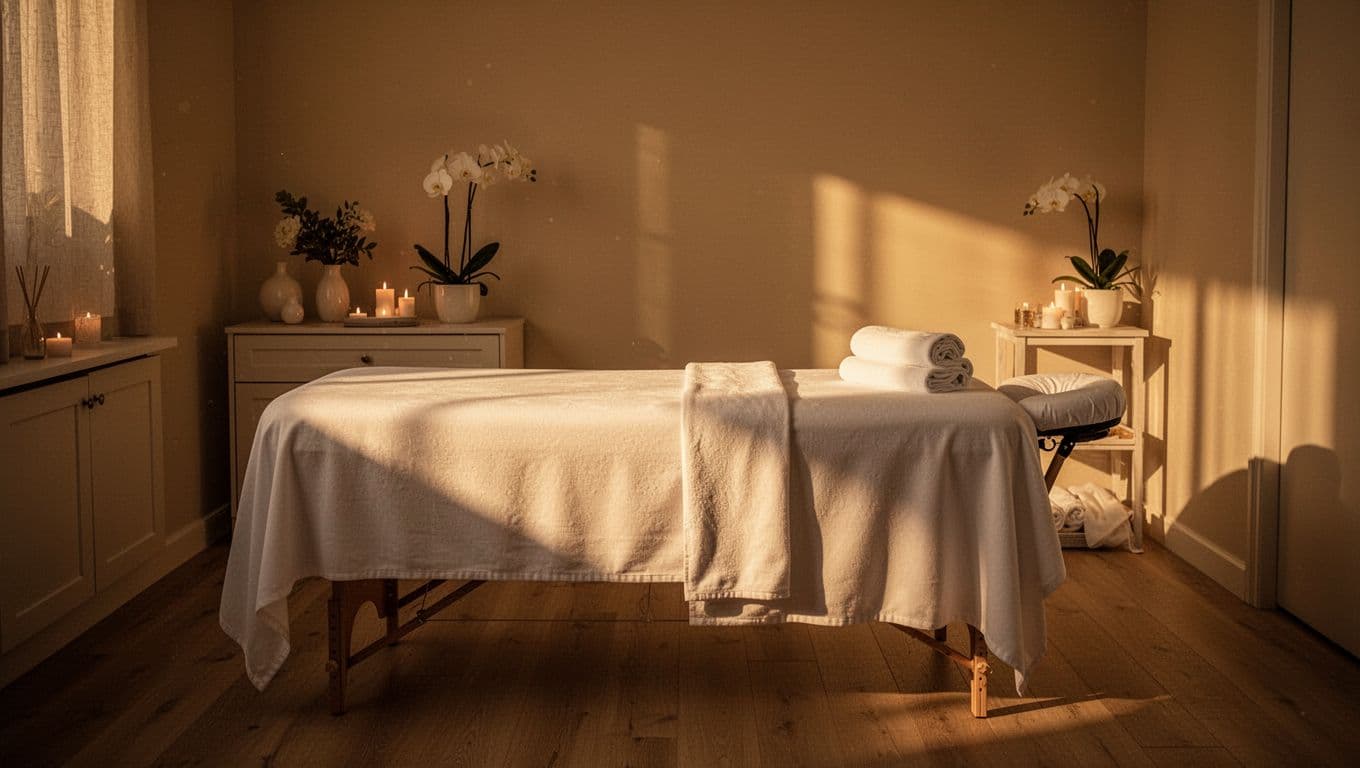 > The more honest you are before the session, the better the massage can fit your body.
How a good therapist adjusts the session as they go
During the massage, communication should stay simple and natural. A skilled therapist checks in on pressure, asks whether the room feels comfortable, and watches how your body responds. If your muscles tighten, they should ease up or change technique without making a big production out of it.
Privacy matters just as much. You should be draped properly, with only the area being worked on exposed, and the therapist should leave the room while you undress or get settled. Respectful pacing matters too, because a quality massage never feels rushed or mechanical.
Good therapists also personalize the session in small ways. They adjust pressure for sore spots, spend more time where you need it, and shift away from areas that feel tender or sensitive. When performing various body treatments, they will ensure you feel comfortable and informed. If anything feels too intense, say so right away. That is not being difficult, it is part of getting the session you paid for.
A session should feel like this:
- Comfort first, not pressure for pressure’s sake
- Clear check-ins without interrupting your relaxation
- A sense of control, because you can always ask for changes
- Professional boundaries, so you feel safe and relaxed throughout
For a broader look at what a session should include, what to expect during your massage session gives a clear client-focused overview.
What your body might feel like later that day
Afterward, many people feel loose, sleepy, or pleasantly heavy in a good way. The shoulders may sit lower, the neck may move more easily, and the whole body can feel like it has come off a tight spring. That calm, slightly floaty feeling is normal, especially after a longer or deeper massage.
Some people notice mild tenderness in spots that were worked hard. That usually fades within a day, and it is often part of the body settling after tension has been released. Still, if the treatment was intense, give yourself time to rest, drink water, and avoid jumping straight into a workout or a packed evening.
A simple post-massage routine helps a lot:
- Stand up slowly if you feel relaxed or a little light-headed.
- Drink water to rehydrate.
- Keep the rest of the day light if the massage was deep tissue or focused on sore muscles.
- Listen to your body, because a little quiet after treatment often feels better than rushing back into noise.
If you feel deeply relaxed, that is a good sign. The best massage does not just work while you are on the table; it leaves your body calmer, looser, and ready to recover well afterward.
Happiness Massage Spa in Kilimani and what makes a local spa visit worthwhile
A local spa visit in Kilimani feels different when the setting is right. You are not just booking a massage, you are giving yourself a clean break from traffic, noise, and the rush that hangs over a Nairobi workday. At Happiness Massage Spa, that shift matters because the atmosphere, the service, and the location all work together.
A well-run spa should make the whole visit feel easy. The best part is often the simplest part, stepping out of the street and into a quiet room where your shoulders drop before the treatment even begins.
 ### Why location and atmosphere matter as much as the treatment
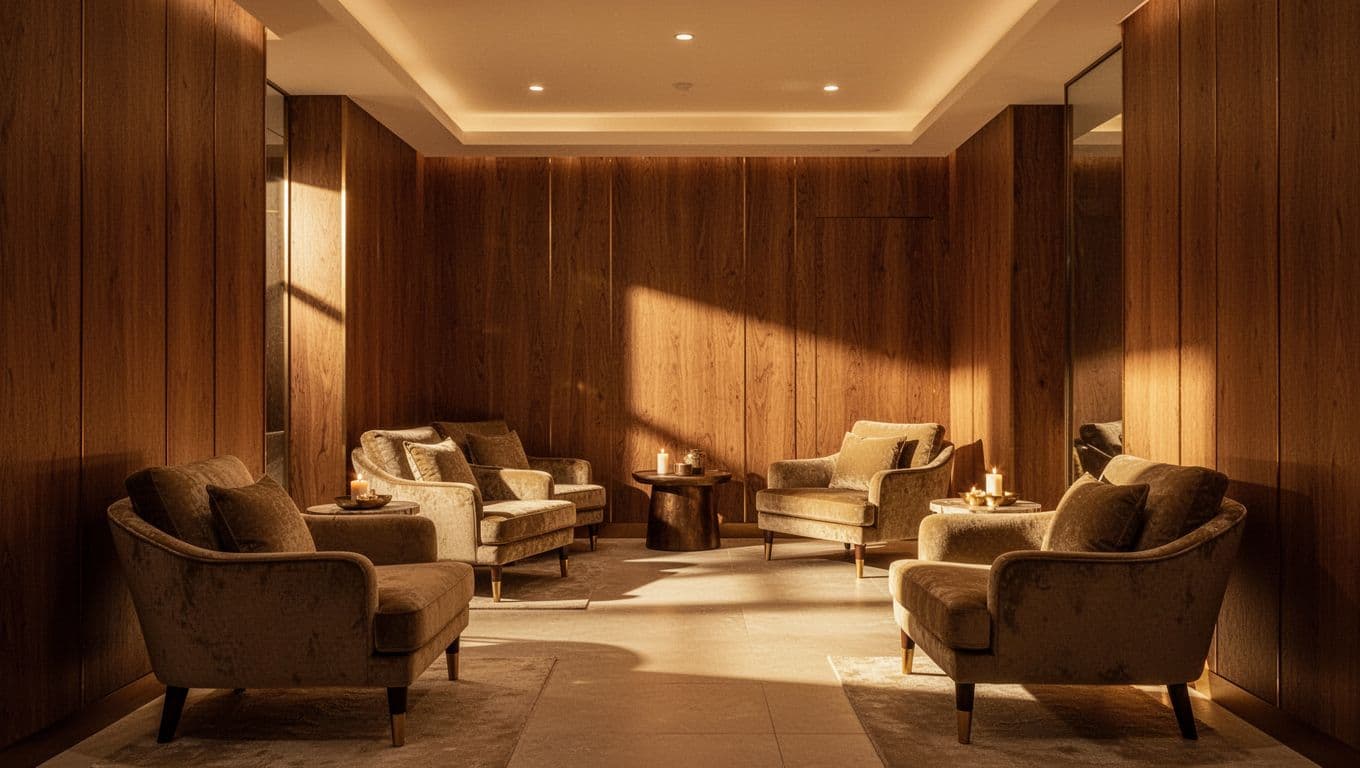
A massage starts before the hands do any work. The way a spa greets you, the smell in the room, the softness of the lighting, and the sound level all shape how quickly your body lets go. When you arrive from a busy road in Kilimani, that contrast can feel like closing a loud door behind you. When you search for a quality spa in Nairobi, you quickly realize that the environment is just as important as the technique itself.
At a nearby spa, convenience also changes the quality of the visit. You do not have to plan a long cross-town trip, and that matters when you want to book after work, between errands, or on a packed weekend. A shorter commute means less stress before the session and less strain afterward.
The atmosphere should feel calm, tidy, and professional. When the space is well kept, the treatment feels more relaxing because you can stop thinking about everything else.
The value of having several massage choices in one place
Different bodies need different kinds of care, and a good spa gives you options without making the decision feel complicated. One day you may want soft, slow pressure that helps you unwind. Another day, your back may need deeper work, or your body may respond better to heat and steady pressure.
That is where a place like Happiness Massage Spa becomes practical. Having several massage styles in one place makes it easier to choose based on how you feel that day. We also offer various luxury spa packages that combine treatments for a more comprehensive wellness experience. It also helps those looking for a couples massage, friends, or family members with different preferences plan one visit without splitting up.
A varied menu is useful because it lets you match the session to the moment:
- Swedish massage when you want a lighter, more relaxing touch
- Deep tissue massage when tight muscles need firmer work
- Hot stone or hot oil massage when warmth and comfort sound better
- Aromatherapy massage when you want a sensory reset as well as body relief
If you want to compare service choices or are wondering about the cost of a massage in Nairobi, you can view the massage service plans for a clear look at our pricing and what is available.
Booking ahead makes the experience smoother
Booking in advance takes the guesswork out of the day. It helps you choose a time that fits your schedule, which matters if you are squeezing in a session after work, planning a weekend stop, or arranging a shared self-care outing with friends. You spend less time waiting and more time settling into the treatment.
Advance booking also helps the spa prepare properly. The therapist can be ready for your preferred service, and the room can be set up without any rush. That small bit of planning often makes the whole visit feel more polished and calm.
For group visits, booking ahead is even more useful. It lets everyone arrive with clear expectations, and it reduces the awkwardness of trying to coordinate at the last minute. A simple reservation can turn a normal appointment into a smooth part of your week.
When you are ready to book a massage in Nairobi, remember that a spa that combines easy booking, professional service, and a calm atmosphere makes the experience feel worthwhile long before the massage ends. In a busy city, that kind of local convenience is part of the true value.
How to get more from every massage you book
A massage gives you more when you treat it like part of a pattern, not a one-time treat. Small habits before, during, and after each session shape how much relief you feel and how long it lasts.
The best results usually come from paying attention, speaking up, and giving your body time to respond. That means noticing what helps, keeping a simple routine, and avoiding the habits that undo the benefits too quickly.
 ### Keep track of what feels best for your body
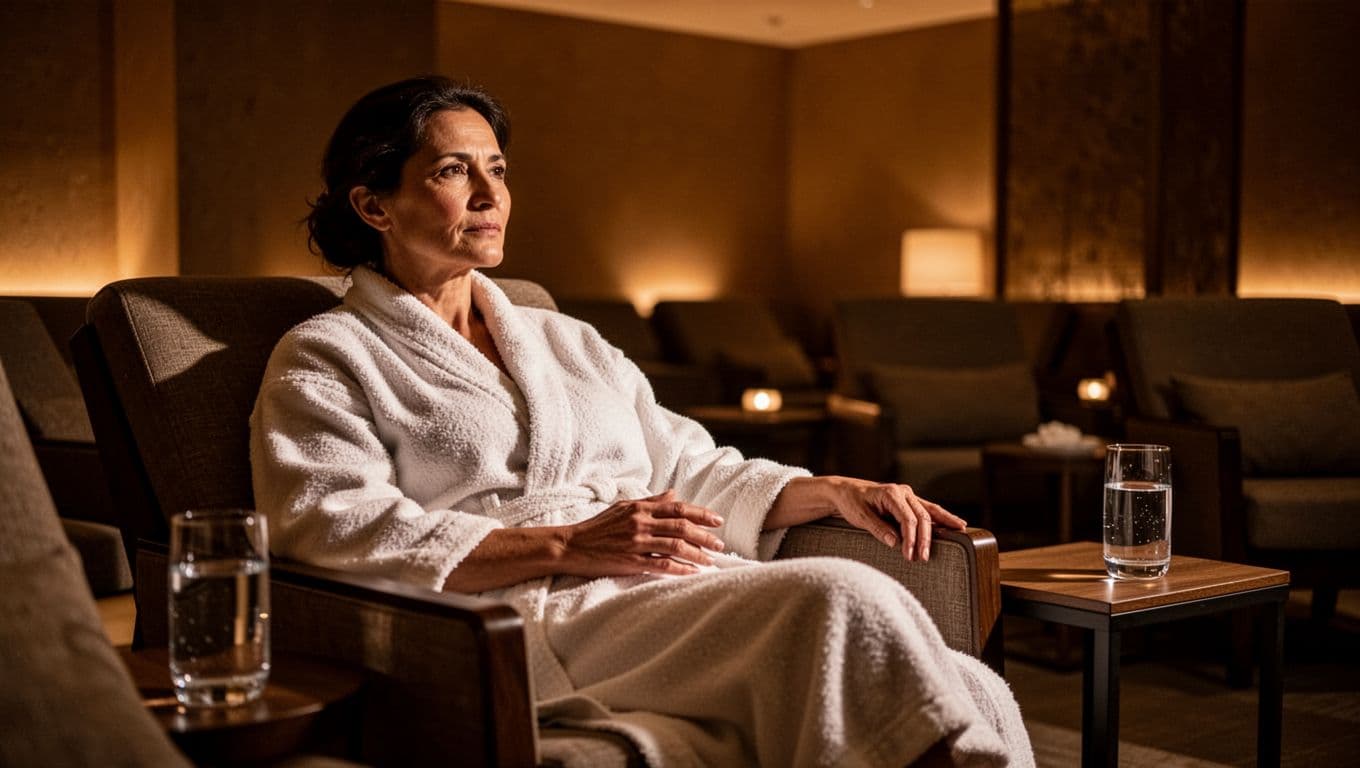
Your body gives you clues every time you book a massage. Some people feel best with light, flowing strokes, while others need firmer pressure to release stubborn tight spots. The trick is to notice what leaves you loose, calm, and comfortable later that day.
After each session, mentally note three things: the pressure level, the techniques that helped most, and how long the massage lasted. That simple pattern makes it easier to repeat a good experience instead of guessing next time.
A short habit like this can help you spot trends:
- Pressure: Did your muscles relax best with light, medium, or firm touch?
- Technique: Did slow strokes, stretching, heat, or targeted work help most?
- Duration: Did 60 minutes feel right, or did you need less or more time?
If you keep booking the same style and still leave tense, adjust the plan. A good massage therapist should welcome that kind of feedback, because massage works better when it fits your body instead of forcing your body to fit the session.
Use massage as part of a broader wellness routine
Massage works best when it supports what you do the rest of the week. Sleep, movement, stretching, and stress care all affect how long the results last. To create a truly rejuvenating experience, consider pairing your regular bodywork with facial treatments. Integrating these wellness steps ensures you get the most out of your self-care time. Consistency is key, and scheduling regular therapeutic massages is one of the most effective ways to manage long-term tension and keep your muscles feeling supple.
If your shoulders tighten from desk work, a few minutes of gentle stretching after work can stop the tension from rebuilding so fast. If poor sleep leaves your body feeling heavy, a massage may help, but so will a steadier bedtime and less screen time before bed. Small steps add up.
A simple routine can look like this:
- Sleep well the night before or after a massage, because tired muscles recover poorly.
- Drink water through the day so your body stays comfortable and hydrated.
- Move lightly with walking, mobility work, or stretching, which keeps muscles from stiffening again.
- Manage stress in small ways with breathing, quiet time, or a slower evening pace.
For a good post-session habit, hydration before and after massage matters more than many people realize. Even better, try to rest a little after the session so your body has time to settle into the relief.
Small mistakes that can make a session less helpful
A massage can lose value fast when a few simple mistakes keep repeating. Waiting too long between visits is one of the biggest ones, especially if your neck, back, or hips tighten up again within days. Regular sessions, spaced sensibly, usually work better than one random appointment after months of strain.
Another common problem is staying silent when something feels off. If the pressure is too strong, the room is too cold, or a movement feels wrong, say it early. Hiding discomfort usually shortens the benefits because your body stays guarded instead of relaxing.
Booking the wrong type of massage can also leave you disappointed. A relaxing Swedish session may feel great, but it won’t always do enough for deep knots or workout soreness. On the other hand, intense pressure can feel like too much when your goal is calm and recovery.
Keep an eye on these missteps:
- Too much time between visits, which lets tension build back up
- No feedback during the session, which keeps the massage from matching your needs
- The wrong style for the goal, such as booking relaxation when you need focused muscle work
- Rushing afterward, which cuts short the recovery window your body needs
The best massage habits are simple. Listen to your body, stay consistent, and give the benefits time to build.
Frequently Asked Questions
How often should I book a massage?
Frequency depends on your personal goals and stress levels. Many people find that a session every two to four weeks is ideal for maintaining muscle health and managing ongoing stress.
Can I request a specific pressure level?
Absolutely, you should always communicate your preferred pressure. A quality therapist will adjust their technique to ensure the experience is effective for your muscles without causing unnecessary discomfort or bracing.
What should I do after my session?
It is important to drink plenty of water to stay hydrated and give your body time to settle. Try to keep your schedule light for the rest of the day to allow your nervous system to fully absorb the benefits of the treatment.
Is it normal to feel sore after a massage?
Some mild tenderness, especially after a deep tissue session, is common as the muscles recover from the release of tension. This feeling typically subsides within 24 to 48 hours, leaving you feeling more supple and relaxed.
Conclusion
Massage works best when it matches the moment. Some days call for soft pressure and calm, while other days call for firmer work on sore muscles, heat, or stretching that helps the body move with less resistance.
The strongest takeaway is simple: a quality session brings relief, renewal, and a little breathing room from the rush of daily life. When you choose a full body massage based on your specific needs, mood, and goals for the day, the session feels more useful and the benefits last longer after you leave the table.
Finding the right professional massage in Nairobi can truly transform your weekly routine. By prioritizing wellness and self-care, you turn a simple appointment into a lasting investment in your overall health. Book your next visit with care, choose a trusted spa experience, and let your session help you feel lighter, steadier, and ready to face the day again.