
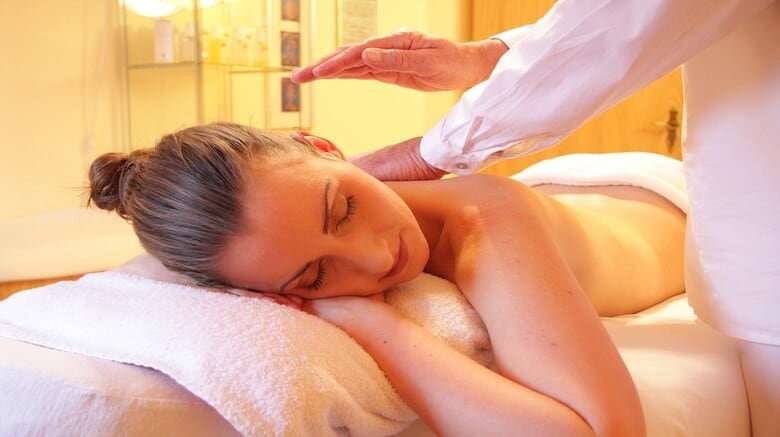
Benefits of Massage: Pain Relief, Sleep, and Stress Relief
People usually book a massage when their body feels heavy, tense, or worn down. They want less pain, less stress, better sleep, and a little more ease in their day, and the benefits of massage often reach past simple relaxation.
A good session can calm tight muscles, ease pressure in the back and neck, and help your nervous system settle down. Research also points to better sleep, lower stress, and relief for people dealing with chronic pain, soreness after activity, or that stuck, restless feeling that makes it hard to relax at night. If you want a clearer idea of what a session can feel like, professional massage and spa treatments can support different needs in different ways.
That matters because massage is not one-size-fits-all. Swedish massage can feel gentle and soothing, while deep tissue work may suit stubborn tension or recovery after physical strain. Hot stone, aromatherapy, Thai, and hot oil treatments can each support a different goal, so the right choice depends on whether you want calm, pain relief, better movement, or a faster recovery.
If you’ve been carrying stress in your shoulders, waking up stiff, or ending the day feeling drained, massage can be more than a treat. The sections ahead look at the real ways it helps, and how to choose the style that fits what your body needs most.
The Most Common Benefits of Massage People Notice First
The first things people notice after a massage are usually the simplest ones, and that is part of the appeal. Your shoulders feel lighter, your breathing slows, and the pressure that sat in your neck all week starts to ease.
Those early changes matter because they show up in everyday life. You may turn your head more easily, sit at your desk with less strain, or notice that your jaw has finally stopped clenching. A good session can also leave you with a calmer mood and a body that feels less braced for the next stress.
How massage helps tight muscles let go
Tight muscles often hold tension like a clenched fist. With hands-on pressure and slow movement, massage helps those areas soften so they don’t feel so pulled or knotted up.
That relief is easy to notice in places people carry stress the most. The neck may feel less stiff after long hours at a computer, the shoulders may stop riding up toward the ears, and the lower back may feel less compressed after too much sitting or lifting.
Massage works on both the surface and the deeper layers of muscle. As steady pressure warms the tissue and encourages blood flow, sore areas often loosen little by little. That can make movement feel easier, especially when a knot or tight band has been limiting how freely you turn, bend, or stretch.
Small changes in muscle tension can make a big difference in how your whole body feels by the end of the day.
For a closer look at the different ways massage supports tight muscles and recovery, massage therapy benefits and types gives a practical overview of what each style is meant to do.
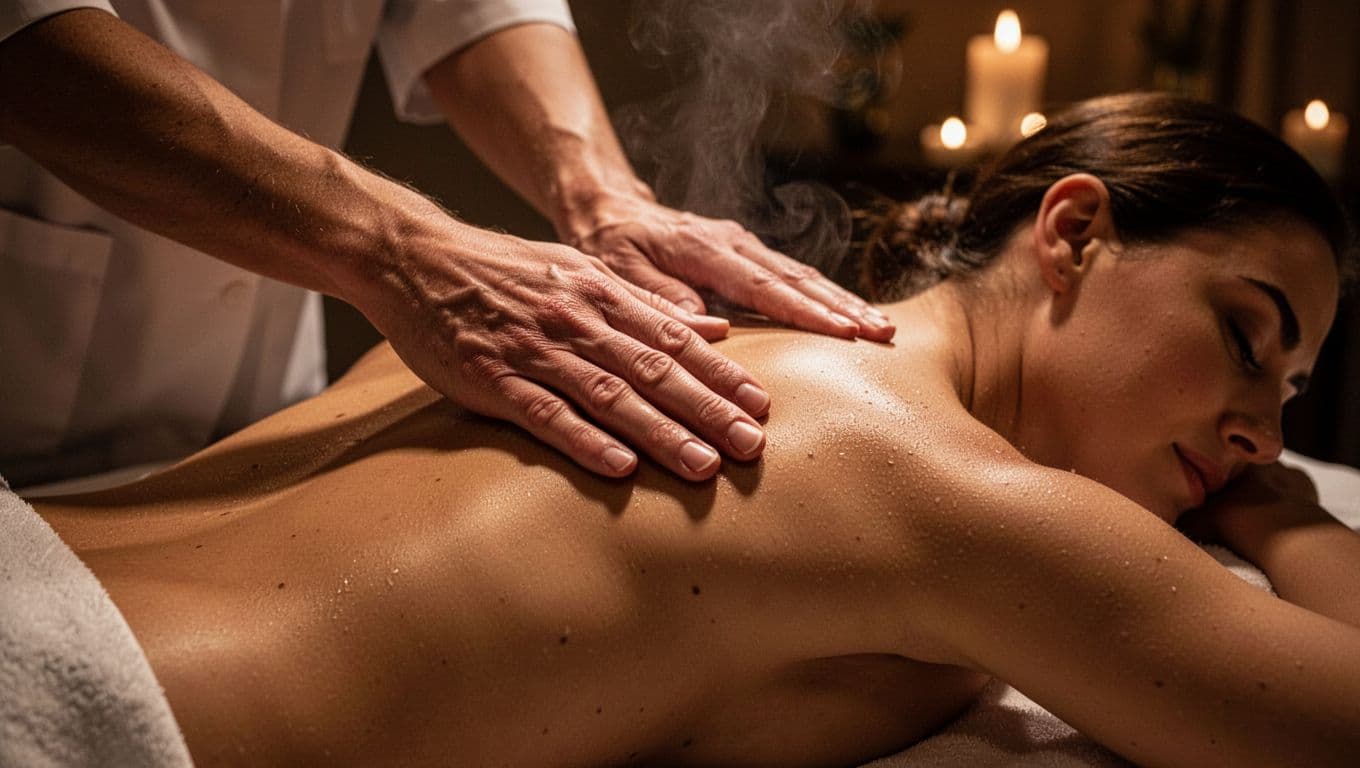 ### Why massage can calm stress and anxiety
Massage can also quiet the nervous system in a way that feels very real in the moment. Slow touch, steady pressure, and a quiet room help the body move out of that tense, alert state many people stay in all day.
When your body stops bracing, your mind often follows. Breathing becomes slower, your thoughts feel less scattered, and the constant inner buzz starts to fade into the background. That is why a massage room can feel like a reset button after a noisy week.
The setting matters too. Soft light, less talking, and a skilled therapist working with a steady rhythm create a kind of pause your body recognizes. According to the Mayo Clinic Health System, massage is often linked with stress reduction and relaxation, which matches what many people feel after a session.
Massage can help with:
- A busy mind that keeps jumping from one worry to the next
- A tight chest or shallow breathing that comes with tension
- A clenched jaw or stiff neck that shows up during stressful periods
- A general feeling of being wound up that makes it hard to settle
The effect is usually subtle at first, but it builds during the session. By the time you get off the table, the body often feels less guarded, like it has finally put down a heavy bag it has been carrying all day.
The mood and sleep boost many people feel afterward
Many people also notice a lift in mood after massage. The body feels looser, the mind feels less crowded, and that lighter feeling can carry into the rest of the day.
Sleep is another common benefit. When the body is less tense, it’s easier to settle at night, and that can mean fewer moments of tossing, fewer wake-ups tied to discomfort, and less of that tired-but-still-tense feeling in the morning. Research on massage and sleep also points to improved rest quality, especially when stress is part of the problem, as noted in the National Center for Complementary and Integrative Health.
That said, massage is not a cure-all. One session will not fix every sleep issue or wipe out long-term stress. Still, many people do feel a clear difference right away, especially when they carry tension in their back, shoulders, or jaw.
Common ways people describe the after-effect include:
- Feeling mentally lighter, with less noise in the background
- Sleeping more soundly, especially after an evening session
- Waking up less stiff, because the body stayed more relaxed overnight
- Feeling more balanced, with less of that tight, on-edge sensation
For some, the best part is not dramatic at all. It is the simple relief of sitting, standing, or lying down without every muscle staying on guard. That calm, steady feeling is often the first sign that massage did its job.
How different massage types support different goals
Massage works best when the style matches the reason you booked it. A session meant to help you sleep should feel different from one meant to loosen a stubborn knot, and a recovery-focused massage should not feel the same as a purely relaxing one.
That is why the benefits of massage depend so much on the technique. Some treatments use light, flowing touch to calm the body. Others use firm pressure, stretching, heat, or oil to target tension and soreness in a more focused way. If you want a broader look at local options, this Nairobi massage guide gives a useful starting point.
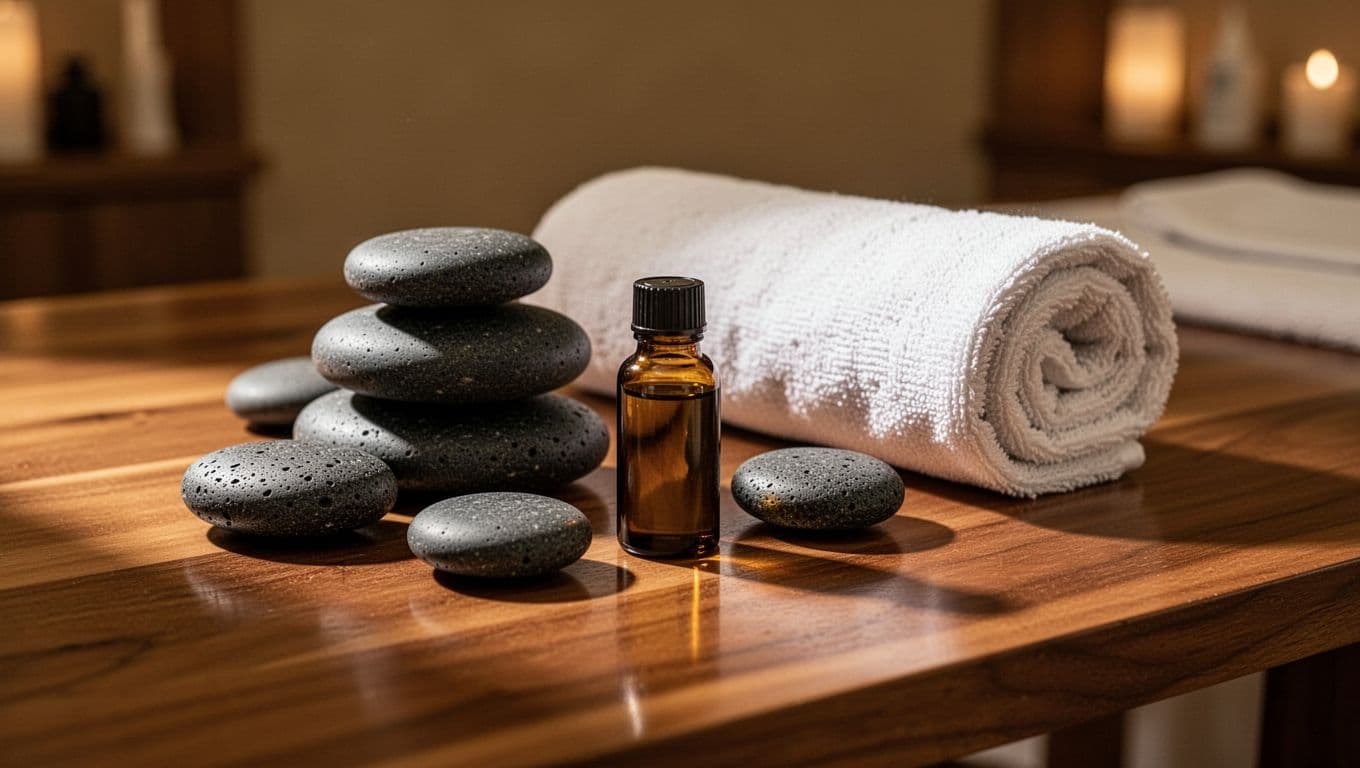 ### Swedish massage for relaxation and better circulation
Swedish massage is the classic choice for people who want a soothing, familiar experience. It usually uses long strokes, gentle kneading, and light to medium pressure, which helps the body settle without feeling pushed too hard.
This style is a strong fit when stress is the main issue. It can help calm a busy mind, ease general muscle tension, and create the kind of full-body relaxation that makes sleep feel easier later in the night. Many people also choose it when they want to improve circulation and feel less stiff after a long week of sitting, standing, or traveling.
The experience feels smooth and steady, almost like a reset for the nervous system. For many first-time clients, that makes Swedish massage the easiest place to start, because it gives relief without the intensity of deeper work.
Deep tissue massage for stubborn pain and knots
Deep tissue massage goes after the tighter layers of muscle with slower, firmer pressure. It is often a better match for long-term tension, old injuries, and those hard problem areas that keep coming back, especially in the back, neck, and shoulders.
This style can feel more intense than a relaxation massage, and that is part of the point. The therapist works more directly into restricted tissue, which can help when you feel as if a knot has taken up permanent residence in your body. People often choose it for chronic tightness, posture-related pain, or soreness that does not ease with lighter pressure.
Because the work is deeper, it may leave you tender for a short time afterward. Still, many people find the trade-off worthwhile when they want targeted relief instead of a purely soothing session. According to Healthline’s overview of massage types, different methods are chosen for different reasons, and deep tissue is one of the most common options for focused muscle work.
If your pain feels buried rather than surface-level, deep tissue massage may be the better fit.
Hot stone, aromatherapy, Thai, and hot oil massage in simple terms
Some massage styles are chosen more for comfort, warmth, or movement than for firm pressure alone. Hot stone massage uses heated stones to bring a sense of warmth and ease into tense areas, which many people enjoy when they want a deeply comforting session.
Aromatherapy massage adds essential oils to the experience, so scent becomes part of the mood. People often pick it when they want to feel calmer, lighter, or more emotionally settled during the session. The effect is usually about atmosphere and relaxation, not aggressive muscle work.
Thai massage takes a different path. It often includes stretching, guided movement, and pressure along the body, so it feels more active than a traditional table massage. If you want to feel looser and more mobile, this style can be appealing because it works with flexibility and range of motion.
Hot oil massage sits somewhere between warmth and softness. The oil makes the touch feel smooth and steady, which many clients find comforting when their body feels tired or dry. It is often chosen for pure ease, especially when someone wants a gentle, warm finish to the day.
Which massage style fits your goal best
The right choice usually becomes clear when you start with your main goal. If you want to unwind, sleep better, or simply feel calmer, Swedish massage is often the best first pick. If pain, knots, or old tension are the real problem, deep tissue usually makes more sense.
For flexibility or a body that feels stuck, Thai massage can be a better match because it adds stretching and movement. If your goal is comfort and a softer sensory experience, hot stone, aromatherapy, or hot oil massage may feel more satisfying than a stronger therapeutic session. In other words, the body you walk in with should guide the massage you choose.
A little match-up like this can save you from choosing the wrong treatment:
- Relaxation and stress relief usually point to Swedish or aromatherapy massage
- Stubborn soreness and knots usually point to deep tissue massage
- Mobility and stretching usually point to Thai massage
- Warm, gentle comfort usually point to hot stone or hot oil massage
That kind of pairing matters because massage is not about picking the most intense option. It is about choosing the style that fits your body on that day. A calm session can be the right answer when you feel mentally overloaded, while firmer work can be better when your shoulders feel locked up after a long stretch of tension.
If you want the full range of options in one place, professional massage services in Kenya show how different techniques support different needs, from relaxation to pain relief and recovery. The best session is the one that matches your goal instead of fighting it.
Massage benefits for pain, movement, and recovery
Massage does more than create a relaxed feeling on the table. It can help the body move with less resistance, ease the strain that builds up in sore muscles, and support recovery when you feel worn down from work or training.
That matters because pain and stiffness often show up in familiar places first. The neck tightens after hours at a screen, the lower back complains after long drives, and tired legs feel heavy after a hard workout. Massage can soften those tight spots, improve how the body moves, and make everyday motion feel less like a chore.
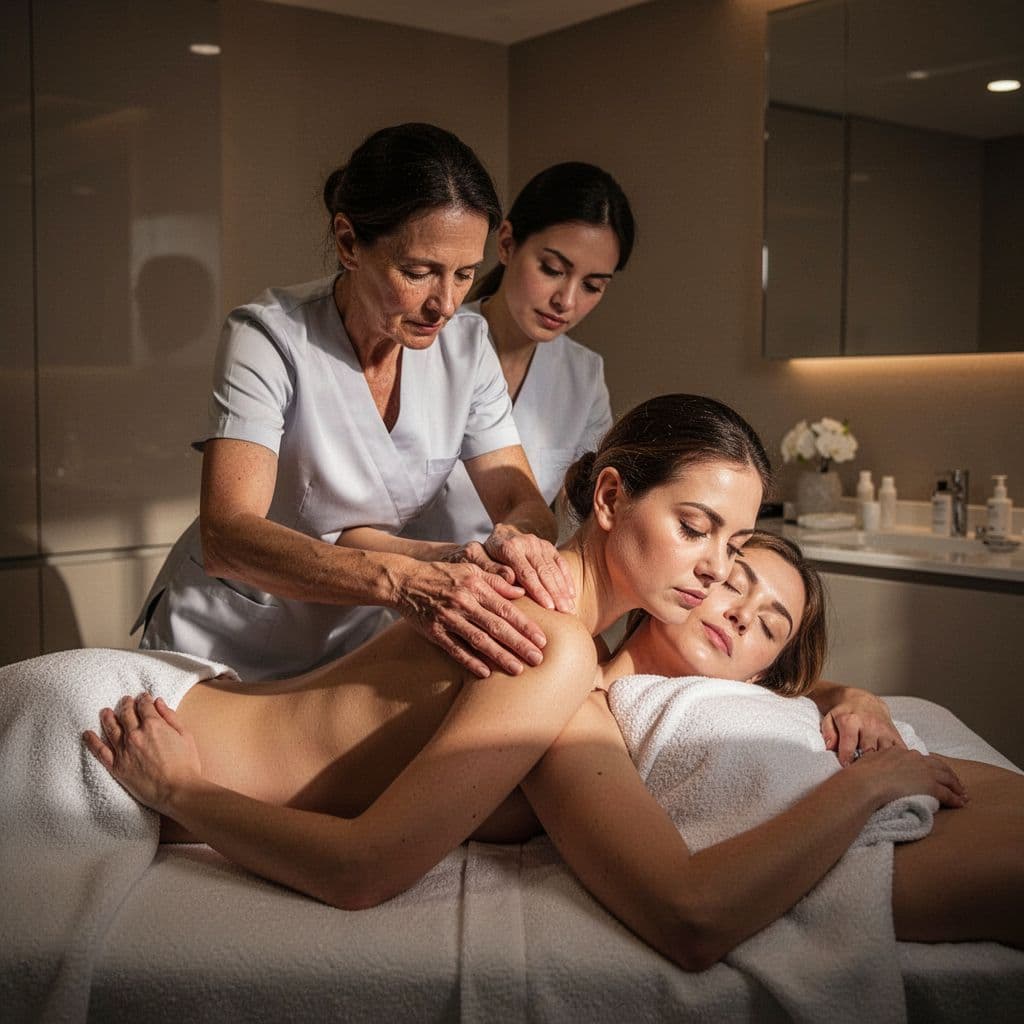 ### Helping with back, neck, and shoulder pain
Back, neck, and shoulder pain often starts with the same habits, sitting too long, looking down at a phone, driving in one position, or carrying stress in the upper body. Over time, those muscles can feel tight and shortened, almost like a rubber band pulled too far for too long.
Massage helps by loosening the tissues around those areas and encouraging better blood flow. When the muscles soften, daily movements like turning your head, reaching overhead, or standing up from a chair can feel easier and less guarded.
For desk workers, that relief can make a real difference. The shoulders stop creeping up toward the ears, the neck feels less locked, and the lower back does not have to work so hard to keep you upright. If you want a deeper look at treatment options in the area, the Kilimani massage guide is a helpful place to compare what fits different kinds of tension.
When the tissue around a sore area relaxes, the whole body often feels less stuck.
Why athletes and active people use massage
Active bodies need recovery just as much as they need training. After workouts, massage can help reduce soreness, support tired muscles, and make movement feel smoother the next day.
Many people use it after hard sessions because the body feels less heavy and less tight. Others book massage before activity when their goal is to loosen up and move more freely. A light pre-event session can help the body feel ready, while a recovery-focused massage after training can calm overworked muscles.
Research from Harvard Health on therapeutic massage notes that massage may ease pain through muscle relaxation and stress reduction, which fits the way many athletes describe the after-effect. The best timing depends on the goal, but both pre-activity and post-activity sessions can be useful.
A few common reasons active people book massage include:
- Less soreness after training, especially in the legs, back, and shoulders
- Better movement quality, so the body feels less tight before the next session
- Support for tired muscles, after lifting, running, sports, or long physical shifts
- Faster return to routine, when the body feels less beat up
The article massage therapy guide for Kilimani residents also breaks down how different styles suit different recovery needs, which can help when your body wants either light recovery work or firmer pressure.
How massage may improve posture and flexibility
Posture often changes when certain muscles get tight and others have to pick up the slack. If your chest feels closed, your shoulders round forward, or your hips feel stiff, your body may start working around those tight spots instead of moving smoothly.
Massage can help release those areas so standing and sitting feel more natural. When tension drops, the body does not have to fight itself as much, and that usually makes posture feel less forced. It also helps flexibility, because muscles that are less tight tend to move through a wider range with less strain.
That does not mean massage fixes posture overnight. Still, it can make it easier to sit taller, bend more comfortably, and rotate without that sharp tug that stops you halfway.
A simple way to think about it is this: when the body feels less clenched, movement stops feeling like a struggle and starts feeling more open. Over time, that can support better range of motion in everyday life, from walking and reaching to twisting and stretching.
When massage can support recovery from injury or strain
Massage can be part of a recovery plan after strain, overuse, or minor soft-tissue discomfort. It may help reduce tension around an irritated area, improve comfort, and support the body while it settles down.
That said, massage is not a cure for everything. Serious pain, swelling, numbness, sharp injury pain, or pain after a fall needs proper medical advice. If something feels wrong in a way that goes beyond normal soreness, it’s better to get it checked before booking a deeper treatment.
For milder strain, a skilled therapist can use lighter work around the area instead of pressing directly into it. That approach can help the body relax without adding more stress to an already sensitive spot.
The best results usually come when massage fits the stage of recovery. Gentle support can help early on, while firmer work may make more sense later, once the body is ready for it.
Massage works best when it meets the body where it is. For pain, that means easing tension. For movement, that means restoring freedom. For recovery, that means helping tired tissues settle so you can get back to normal life with less strain.
What to expect from a massage at Happiness Spa in Kilimani
A visit to a spa should feel steady from the moment you arrive. In Kilimani, that often starts with the location itself, since a convenient address makes it easier to show up calm instead of rushed. At Happiness Spa, the experience is shaped by the room, the pace, and the way the therapist guides the session, so your body gets a chance to settle before the massage even begins.
The best sessions do not feel theatrical or rushed. They feel clean, quiet, and attentive, with enough structure to help you relax and enough flexibility to match what your body needs that day.
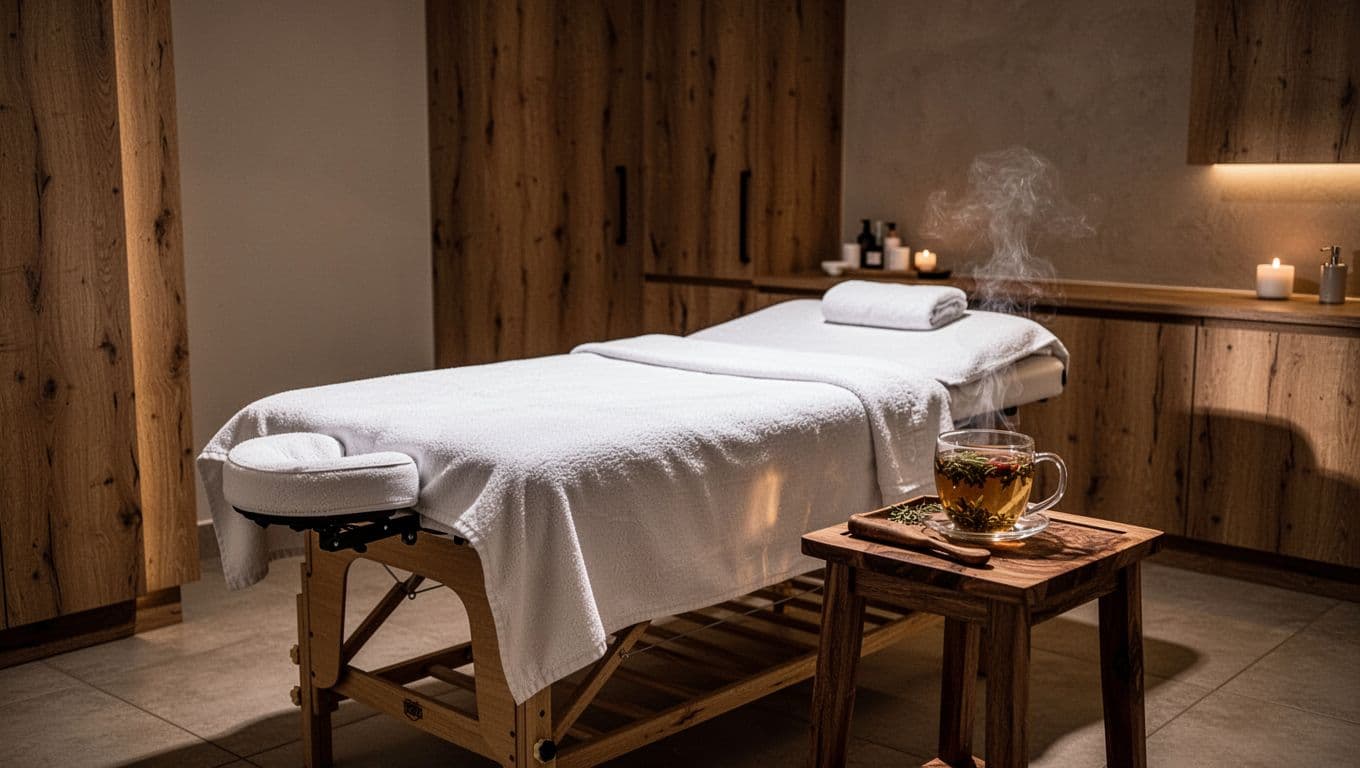 ### Why location and atmosphere matter during a spa visit
A calm setting changes the entire tone of a massage. When the room is clean, softly lit, and free from noise, your shoulders drop faster and your breathing slows sooner. That matters because the mind often needs a cue before the body can let go, and the atmosphere gives it one.
Kilimani is also a practical spot for many Nairobi clients. A spa that is easy to reach reduces the friction that can spoil relaxation before it starts, especially if you are coming from work, errands, or traffic.
Inside the treatment room, small details do a lot of work:
- Fresh linens and a tidy space help you relax with confidence
- Soft light and low noise make the room feel private and restful
- A calm scent or warm oil can signal comfort before the therapist even begins
- A professional setup helps you stop thinking about the outside world
A good spa room does part of the relaxing for you.
That is why the setting matters as much as the massage table. It creates a pause, and that pause often becomes the first benefit of the visit.
How to choose a treatment that fits your body that day
The right massage depends on how you feel right now, not just what you liked last time. If your shoulders are tight from stress, a Swedish massage may feel right because it is smoother and more relaxing. If your back feels knotted after exercise or long hours at a desk, firmer work may suit you better.
A simple way to decide is to check in with your body before you book. Ask yourself what is most present today: stress, soreness, poor sleep, stiffness, or recovery after activity. That answer usually points you toward the right style.
If you want a quick guide, try this:
- Choose Swedish massage when you want to unwind, sleep better, or ease general tension.
- Choose deep tissue massage when you have stubborn knots, upper-back tightness, or post-workout soreness.
- Choose Thai or stretching-based work when you feel stiff and want more mobility.
- Choose hot stone or hot oil massage when warmth and comfort matter most.
If you want to compare options before you go, the massage Kilimani guide is a useful place to start, and the service plan page gives a clearer look at the treatment menu. For a broader view of how massage styles differ, the NCCIH overview of massage therapy explains how techniques are often matched to different goals.
The key is to be honest about what your body needs. A session that fits your condition will usually feel better than one that sounds impressive on paper.
A simple booking mindset that makes the visit smoother
Booking ahead is smart because it gives the spa time to prepare properly and gives you time to arrive with less pressure. It also helps you choose a slot that fits your day, so you are not rushing in with tense shoulders and a crowded mind.
Arriving early makes the whole visit feel easier. You have time to check in, settle your breathing, and move out of work mode before the treatment starts. That small buffer can change the whole tone of the session.
Before the massage begins, share anything that matters:
- Pain points or sore spots you want the therapist to focus on
- Areas to avoid, such as a tender shoulder, scalp, or feet
- Pressure preferences, whether you want light, medium, or firm touch
- Comfort concerns, including temperature, draping, or nervousness about your first visit
Clear communication helps the therapist adjust the session to your body, not force your body into the session. That is where a professional spa experience feels different, because you are not just booking time on a table, you are setting up a treatment that can actually meet your needs.
The best visits usually feel simple in the end. You arrive, you settle, you speak up if needed, and you leave with less tension than you came in with.
Conclusion
The real benefits of massage show up in the way your body feels after the session ends, less tension in the shoulders, easier movement in the back and neck, a calmer mind, and a better chance of sleeping well. When stress settles into the body, massage gives it a place to release instead of staying locked in place.
That is why massage fits into wellness as a practical habit, not just an occasional luxury. A Swedish session can help you unwind, deep tissue can work on stubborn tightness, and other styles can support recovery, comfort, and flexibility in a way that matches what your body needs that day. If you want a broader look at the top health benefits of massage therapy, there’s a clear reason so many people keep returning to it.
The best results usually come from choosing the right treatment and making time for care before discomfort builds up. Your body tells you what it needs through stiffness, fatigue, and stress, and a good massage helps answer that signal with relief that feels both immediate and lasting.
When you choose the right massage, you are doing more than booking relaxation. You are giving your body room to breathe, recover, and move with less strain.