
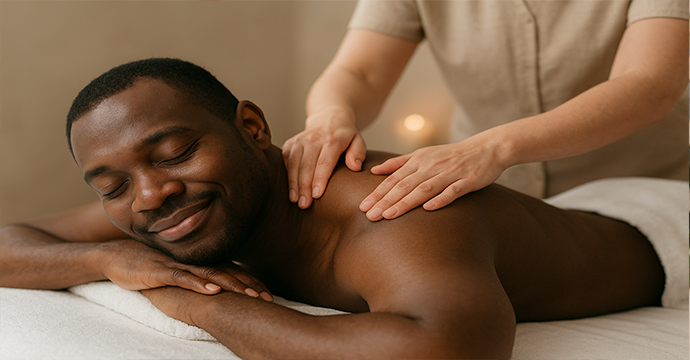
Swedish Massage in Kilimani: What to Expect
A professional Swedish massage can do more than ease sore shoulders, as it helps your entire body settle into a calmer rhythm through a soothing full-body massage. If you have been carrying stress, tight muscles, or that heavy, tired feeling that just won’t go away, this is often the session people reach for first as a meaningful step in their wellness journey.
It is also one of the easiest massages to understand and enjoy, because the pressure stays gentle to medium and the strokes remain smooth and flowing. For those managing the pace of a busy lifestyle in Nairobi, this serves as an excellent way to reset. If you want a fuller breakdown of the techniques and benefits, this Swedish massage guide is a helpful place to start.
When searching for a spa in Kilimani, choosing the right location matters as much as the massage itself, and that means looking for a place that feels clean, calm, and attentive from the start. At Happiness Massage Spa, you can expect a setting that supports real relaxation, whether you are booking your first session or coming back for regular relief.
Key Takeaways
- Swedish massage utilizes five core strokes—effleurage, petrissage, friction, tapotement, and vibration—to create a rhythmic, flowing experience that promotes deep relaxation.
- The treatment typically employs light to medium pressure, making it an ideal choice for those seeking stress relief, muscle tension release, and a gentle, comfortable massage experience.
- Beyond physical relief for tight muscles, Swedish massage supports mental clarity and a quieter nervous system, helping the body shift from an alert, stressed state into rest and recovery.
- Successful sessions rely on clear communication with your therapist regarding your preferred pressure and any specific areas of tension or sensitivity before the massage begins.
- Choosing a professional spa with a clean, calm environment and convenient location is essential to ensuring a truly restorative experience, especially when navigating busy city life.
What makes Swedish massage different from other massage styles?
Swedish massage is the style many people picture first when they think of a full-body treatment. It uses smooth, flowing techniques that warm the muscles, ease tension, and help the body settle without feeling heavy or forceful.
That is what sets it apart. While other massage styles may focus on deep pressure, targeted knots, or therapeutic correction, Swedish massage is built around comfort, rhythm, and overall relaxation. It still helps tight muscles, but it does so with a lighter touch and a steadier pace.
The five classic strokes that shape the treatment
Swedish massage is built on five core strokes, and each one has a clear job. Together, they create that familiar sense of movement and relief people expect from a classic massage.
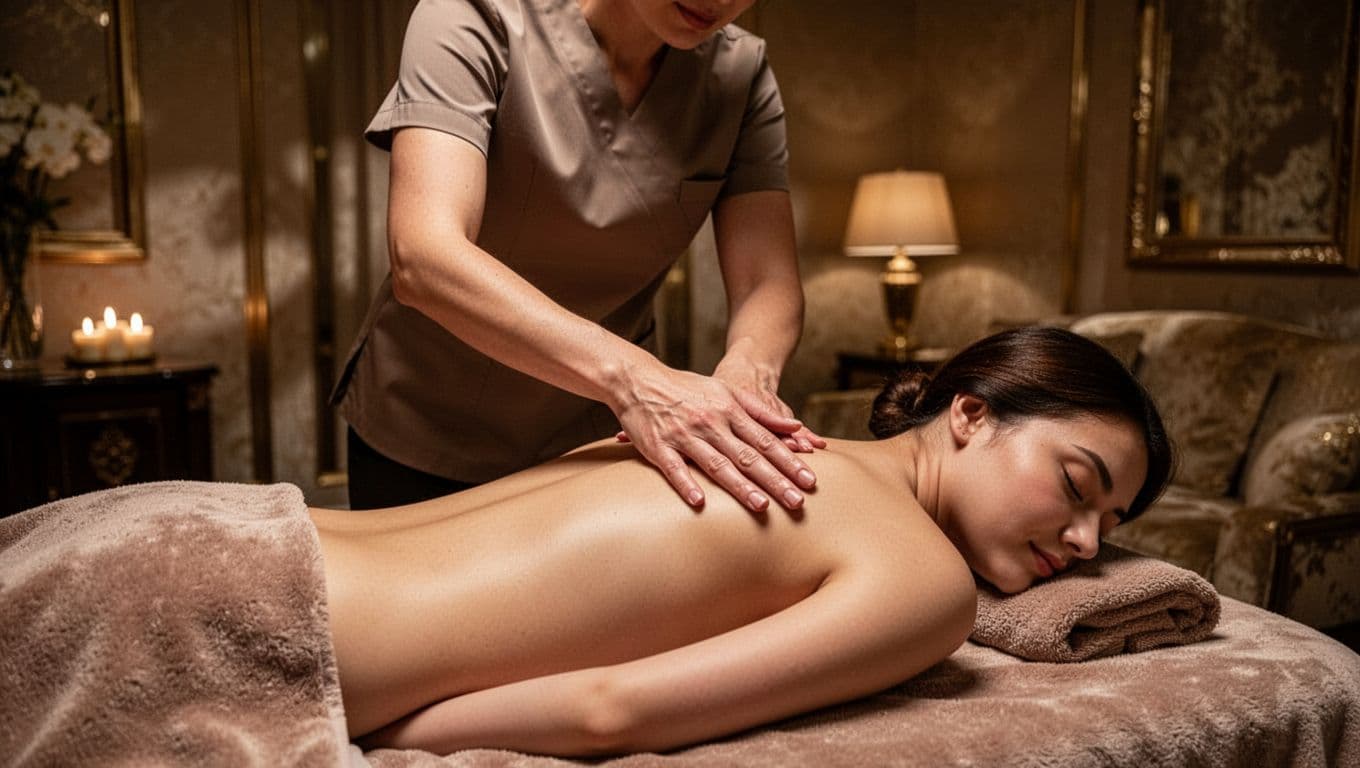 – Effleurage uses soothing strokes. It feels smooth and warm, like the therapist is gently sweeping across the body. This stroke helps warm the muscles, spread massage oil, and set a calm pace at the start and end of the session.
- Petrissage is the kneading part. It feels like rhythmic squeezing, lifting, and rolling of the muscles. Therapists use it to work on tight spots and help the tissue loosen.
- Friction is a more focused rubbing motion. It feels firmer and more precise, usually on a smaller area. The goal is to release stubborn tension and encourage movement in tight tissue.
- Tapotement is the light tapping or drumming stroke. It feels brisk and energizing, almost like a gentle percussion rhythm on the skin. Therapists use it to wake up the muscles and vary the pace of the massage.
- Vibration uses quick shaking or trembling movements. It feels light and fluttery, and it often helps the body let go of lingering tightness.
These strokes work best as a sequence, because each one prepares the body for the next.
Why the pressure feels soothing, not intense
This style of massage therapy usually stays in the light to medium pressure range. That is a big reason so many first-time clients enjoy it. By utilizing lighter pressure, the session avoids the intense sensation people often associate with deeper bodywork.
Deep tissue massage aims at stronger pressure and more specific muscle layers. Swedish massage takes a softer path. It still reaches tight areas, yet it keeps the session comfortable enough for most people to relax instead of brace.
That comfort level can also be adjusted during the massage. If you want a little more pressure on your shoulders or a gentler touch on your back, you can say so. A good session should feel tailored to your body, not fixed in one style.
For readers comparing options, Swedish massage and deep tissue massage differ most in pressure and purpose, which makes Swedish a better fit for relaxation-focused sessions.
How Swedish massage supports circulation and relaxation
The flowing strokes do more than feel pleasant. They help improve blood circulation through the muscles, which can leave your body feeling looser and better supplied with oxygen and nutrients. That is one reason people often feel warmer and lighter after the session.
Swedish massage also helps quiet the nervous system. As the strokes repeat in a steady rhythm, the body shifts away from tension and into a calmer state. Breathing often slows, the mind settles, and the whole session starts to feel like a reset.
If you want a broader look at the treatment options available in Kilimani, our massage and spa services include Swedish massage alongside other relaxing therapies.
What a Swedish massage session feels like from start to finish
A Swedish massage usually feels calm, orderly, and easy to settle into. The pace is gentle, the transitions are smooth, and the whole session is designed to help your body soften instead of brace. If it is your first time, knowing the flow can make the appointment feel far less awkward.
Before the massage begins
Most sessions start before you ever lie down. You book your appointment, arrive a little early, and check in at the front desk. That small buffer gives you time to breathe, put your phone away, and escape the rush of Nairobi traffic to get out of high-stress mode.
Next comes a short health conversation. Professional massage therapists will ask about injuries, sore spots, recent surgery, pregnancy, allergies, or anything that should change the treatment. This is also the moment to mention your pressure preference, since Swedish massage works best when the therapist knows whether you want a lighter touch or a firmer glide.
Speak up early if something hurts, feels sensitive, or makes you nervous. A good therapist wants that information before the first stroke starts.
You will usually be shown to a private room and given time to undress to your comfort level. Many people leave on underwear, while others prefer to be fully undressed for oil-based work. The therapist leaves the room or steps away while you get settled, and that boundary helps the session feel calm and professional. For a useful primer on first-visit expectations, the massage etiquette guide covers the basics well.
What happens on the massage table
Once you are on the table, the therapist uses draping to protect your privacy and keep you warm. A sheet or towel stays over your body, and only the area being worked on is uncovered at any moment. That coverage stays in place throughout the session, so you can relax without worrying about exposure.
The massage usually begins with broad, flowing strokes on the back. Oil or lotion helps the hands glide smoothly, which gives Swedish massage its soft, wave-like feel. From there, the therapist often moves to the neck, shoulders, arms, legs, and feet, then returns to the back or scalp depending on the routine and the time you booked.
A standard full-body session length is often 60 to 90 minutes, though shorter and longer appointments are common. Longer sessions give the therapist more time to move slowly through each area, while shorter ones focus on the main tension points. If you want a broader look at session options, the massage therapy guide explains how this type of bodywork fits into a full menu of treatments.
The experience itself usually feels like this:
- Warm at the start: the first strokes wake up tired muscles and help your breathing slow down.
- Rhythmic in the middle: kneading and gliding motions create a steady, almost meditative pattern.
- Focused where needed: tighter spots may get extra attention, especially in the shoulders, neck, or lower back.
- Gentle at the end: the therapist often finishes with lighter strokes that ease the body out of the treatment.
That rhythm is part of the appeal. Nothing feels rushed, and nothing should feel jarring.
After the session ends
When the massage ends, many people notice a quiet, floaty feeling, almost like their body has been turned down a few notches. Muscles may feel looser, breathing may stay slower, and the mind often feels less crowded. Some people feel energized, while others feel ready to nap.
The best aftercare is simple. Drink water, move slowly when you sit up, and give yourself a few minutes before jumping back into traffic, work, or a hard workout. If you feel a little sleepy, sore, or especially relaxed, that can be normal after a full-body session.
A few easy habits help the effect last longer:
- Hydrate well after the massage.
- Stand up slowly so your body can adjust.
- Rest if needed, especially after a longer appointment.
- Notice how you feel later in the day, since the benefits often unfold gradually.
If the massage released a stubborn knot or a tense area, mild soreness can show up later, but it usually passes quickly. The overall goal is simple: leave the room feeling lighter than when you walked in, with your body and mind both moving at a calmer pace.
Health and therapeutic benefits of Swedish massage in Kilimani
People usually book a Swedish massage for simple, real-world reasons. They want their shoulders to feel less knotted, their mind to slow down, and their body to stop carrying the whole day at once.
It helps that this style stays gentle and calming. The long strokes and steady rhythm make it easy to relax, while the pressure can still reach the places that feel overworked. If you want a broader look at what clients often expect in Nairobi, this massage therapy guide gives helpful context.
 ### Easing tight shoulders, backs, and legs
This is one of the biggest reasons people choose Swedish massage. Sitting at a desk, standing for long shifts, driving through traffic, or pushing through a hard workout can leave the shoulders, back, and legs feeling stiff and tired.
The flowing strokes help warm the muscles and soften that held-in tension, providing effective pain relief. Over time, many people notice they can move with less resistance, especially in the neck, upper back, and calves. The session may not erase chronic pain, but it often gives the body a much-needed break.
Common areas people want relief from include:
- Shoulders and neck, where stress often settles first
- Lower back, especially after long hours of sitting
- Legs and calves, which can feel heavy after standing or training
Swedish massage is often chosen for comfort first, then relief. That combination is why it stays popular.
Helping the mind slow down
A good Swedish massage can feel like the volume has been turned down in your head. The steady pressure, warm oil, and unhurried pace help the nervous system shift out of alert mode and into rest mode, which is essential for effective stress reduction.
That matters when stress has piled up or when your mind feels tired but still will not settle. Some people walk in feeling tense, distracted, or on edge, then leave feeling more grounded and clear. According to WebMD, Swedish massage is commonly used to ease stress, pain, and muscle tension, which matches why so many people book it after a long week.
The mental benefits people often notice include:
- A calmer mood after the session
- Less physical tension tied to stress
- A quieter, less crowded feeling in the mind
Supporting better movement and sleep
Looser muscles can make everyday movement feel easier. When your back, shoulders, and legs are less tight, simple things like reaching, bending, and walking often feel smoother and less stiff.
That same relaxation can carry into the evening. Some people sleep better after Swedish massage because their body feels calmer and less braced. The therapeutic benefits of these sessions are not the same for everyone, but many clients like the way a session helps them wind down before bed.
Regular sessions may also help if you train often or spend most of the day in the same position. A body that feels less restricted usually recovers better between long workdays and workouts. When the muscles soften, the whole system gets a chance to reset.
When Swedish massage is a better fit than deep tissue
Swedish massage is the better choice when your body wants relief without a fight. It works well for people who want to loosen up, slow down, and leave the room feeling lighter rather than worked over.
That makes it a strong fit for first-timers, sensitive bodies, and anyone who carries stress more than hard knots. Deep tissue can be the right answer for stubborn problem spots, but Swedish massage is often the smoother path when comfort and calm matter most.
 ### Best for relaxation, stress relief, and gentle muscle care
Swedish massage shines when your main goal is relaxation. The long, flowing strokes help muscles soften at an easy pace, which makes the session feel more like a reset than a repair job.
If you have had a long week, slept badly, or spent hours sitting at a desk, this style usually feels right. It also suits people who want general muscle care without intense pressure, as the touch stays firm enough to be effective but gentle enough to stay comfortable.
A few situations often point to this treatment:
- You want to unwind, not endure pressure
- You feel tense all over, not just in one spot
- You are new to massage and want a safe starting point
- You prefer a calm, full-body experience
- You want to ease everyday muscle tension in the neck, shoulders, or back
For many clients, that lighter pressure is the difference between bracing and breathing. Swedish massage and deep tissue differ most in pressure and purpose, and that contrast is exactly why the former works so well for those seeking a tranquil experience.
When another style may be a smarter choice
Deep tissue is often the better pick when you have one or two stubborn areas that need stronger, more focused work. If your muscles feel locked up from training, heavy lifting, or long-term tension, deeper pressure may bring more relief than a lighter session.
Other treatments can also make more sense depending on what you want. Hot stone massage is a good option when warmth helps your muscles release, Thai massage suits people who want more stretching and mobility work, and other specialty treatments may fit better if your body needs a different kind of attention.
If you are comparing options at a local spa, it helps to think about the result you want:
| Goal | Better fit |
|---|---|
| Full-body calm and stress relief | Swedish massage |
| Stubborn knots or chronic tightness | Deep tissue massage |
| Warm, soothing muscle release | Hot stone massage |
| Stretching and movement | Thai massage |
If you want a broader look at how this treatment fits into a full menu of treatments, massage in Kenya options can help you compare styles before you book. The main point is simple: choose the treatment that matches your body, not just the one that sounds strongest.
How to talk to your therapist about pressure and goals
The best massage sessions start with clear communication. Tell your therapist what hurts, what feels sensitive, and how much pressure you actually want, because good pain is not the same as helpful pressure.
Be direct about your goals. If you want to relax, say that. If you want the therapist to focus on your shoulders, lower back, or calves, mention that before the session begins so they can adjust the routine.
A simple way to frame it is:
- Tell them whether you want light, medium, or firm pressure.
- Point out any injuries, tender spots, or areas to avoid.
- Say what you want most, such as stress relief, looser muscles, or knot work.
- Give feedback during the massage if the pressure changes too much.
That kind of conversation keeps the session comfortable and useful. A good therapist can work with your body better when you speak up early, and that is true whether you want the soft glide of a standard massage or something stronger for deeper issues.
How to choose a good Swedish massage place in Kilimani
A good Swedish massage starts before the therapist touches your shoulders. The room, the staff, the booking process, and the way you are greeted all tell you a lot about the standards of a professional massage establishment. If those basics feel off, the massage often does too.
In Kilimani, where there are plenty of options, it helps to look beyond the menu and focus on the overall experience. Clean spaces, trained hands, clear answers, and a calm atmosphere usually separate a solid spa from a forgettable one.
Signs of a professional spa experience
A quality spa feels organized the moment you walk in. The reception area should be tidy, the treatment room should smell fresh, and the linens should look clean and properly prepared. That first impression matters, because hygiene is not a small detail in a massage setting.
Respectful service matters just as much. Staff should speak clearly, explain what happens next, and give you privacy when you need to change or settle in. If the therapist rushes the intake or seems careless with boundaries, that is a warning sign.
Before you book, notice whether the spa offers a clear menu with service names, session lengths, and pricing. A professional massage provider does not make you guess what is included. It explains the treatment in plain language, so you know whether you are booking a true Swedish massage or something else. For specific rates and current offers, you can view our pricing menu or book online to secure your preferred slot.
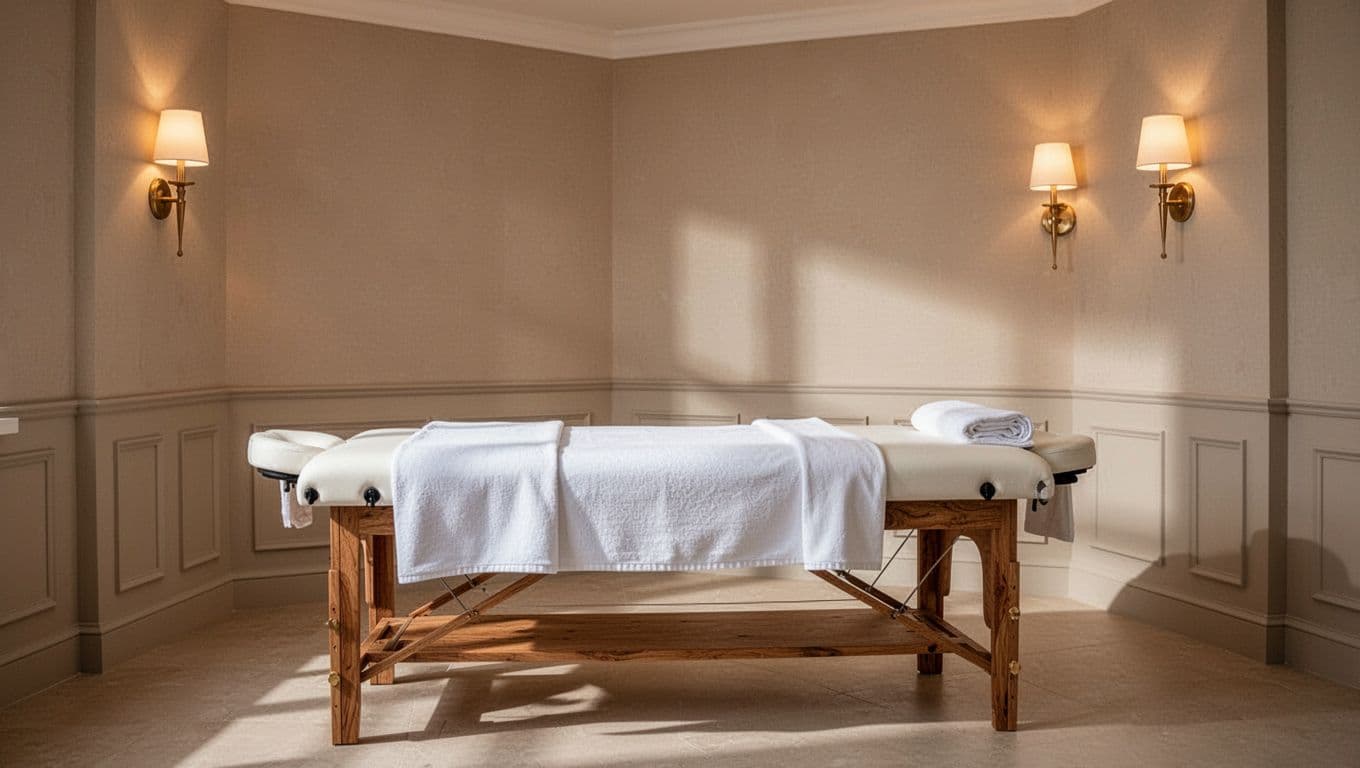 A calm setting also changes everything. Soft lighting, low noise, and a room that feels private help your body relax faster. By curating peaceful wellness experiences, a top-tier spa helps your body recover from daily stress. According to WebMD’s overview of massage styles and benefits, the best results often start with choosing the right style and a setting that supports it.
What to ask before you book
A few direct questions can save you from a disappointing appointment. You do not need a long conversation, just enough detail to know the spa can meet your needs.
Ask about the session length first, because 30, 60, and 90 minutes feel very different. Then ask about pressure level, since Swedish massage should stay in the gentle to medium range unless you want a firmer touch.
It also helps to ask about the therapist’s experience. Someone who works regularly with relaxation massage usually knows how to keep the strokes smooth, the pace steady, and the pressure consistent. If you have a sore shoulder, a stiff lower back, or a sensitive area, mention that before you book.
A short checklist makes this easier:
- Does the spa offer Swedish massage specifically?
- How long is the session?
- Can I choose the pressure level?
- Who will be doing the massage, and what is their experience?
- Is the location easy to reach?
Clear answers matter. A business that can explain its services well usually treats the actual treatment with the same care. For a quick comparison of massage types, Healthline’s massage guide is a useful reference.
Why location and convenience matter
In Nairobi, convenience often decides whether you actually relax or spend the whole day managing traffic. A good Swedish massage place in Kilimani should be easy to reach, especially if you are coming from work, running errands, or fitting in a session between appointments. Many residents look for locations near major hubs, such as Kindaruma Road, to ensure quick access.
Parking matters too, even when the massage is excellent. If you have to circle the block or walk in stressed, your body starts the session already tense. Easy access, simple directions, and clear arrival instructions make the experience smoother before the first stroke even begins.
Operating hours are another practical detail. If you work long hours or move through the city all day, a spa with flexible hours is easier to fit into real life. Advance booking helps as well, because it reduces waiting and gives the team time to prepare for your visit.
A spa that respects your schedule usually respects your time in the treatment room too. That same attention shows up in the way the room is prepared, the way you are welcomed, and the way the therapist manages the wellness experiences you requested.
A quick look at Happiness Massage Spa in Kilimani
If you are searching for a Swedish massage place in Kilimani, Happiness Massage Spa is one local option many readers may want to check out. Its central location near Kindaruma Road makes it convenient for people who want to book without crossing half the city.
The spa atmosphere is another reason people may look into it. A calm, private treatment setting can make a Swedish massage feel more restorative, especially when you want to switch off and settle in quickly.
Before you visit, confirm the current services, hours, pricing, and availability directly. That is the smartest way to book any service, including one that looks promising online. Service menus can change, therapists can be booked out, and opening times can shift, so a quick call or message gives you the facts before you head out.
If you want a local place to start your search, Happiness Massage Spa is worth a closer look, as long as you verify the details first and choose the session that matches what your body needs most.
Frequently Asked Questions
Is Swedish massage painful?
No, Swedish massage is designed to be a comfortable and relaxing experience rather than a painful one. It uses light to medium pressure, so if you ever feel discomfort, you should communicate this to your therapist, who can easily adjust their technique to suit your preference.
How often should I get a Swedish massage?
This depends entirely on your personal wellness goals and lifestyle. Many people find that a session once or twice a month helps maintain muscle flexibility and stress reduction, though you can book as frequently as your body needs to stay relaxed.
Do I need to be fully undressed for the massage?
Not at all, as you are encouraged to undress to your personal comfort level. Many clients choose to keep their underwear on, and professional therapists always use proper draping techniques to ensure your privacy and modesty are maintained throughout the entire session.
What is the difference between Swedish massage and deep tissue massage?
Swedish massage focuses on relaxation and gentle muscle release using smooth, flowing strokes, while deep tissue massage targets deeper layers of muscle with more intense pressure to resolve chronic knots. If your goal is to unwind and soothe overall tension, Swedish is generally the preferred choice.
Conclusion
Swedish massage is a simple, reliable way to give your body a break. Its smooth strokes, gentle to medium pressure, and steady rhythm help ease tension, settle the mind, and leave you feeling lighter without the intensity of deeper bodywork.
It works best for people who want comfort, stress relief, and looser muscles, especially after long days at a desk, busy schedules, or tight shoulders that keep coming back. When you know what to expect in the room and choose a clean, professional spa in Kilimani, the experience promotes total relaxation and supports your overall wellness from start to finish.
The best Swedish massage is the one that matches your body and the setting you trust. When you are ready for a calmer, looser, and more rested day, prioritize your self-care. Book your Swedish massage in Kilimani today at Happiness Massage Spa to experience these benefits.