Massage and Rates in Nairobi: Kilimani Pricing Guide
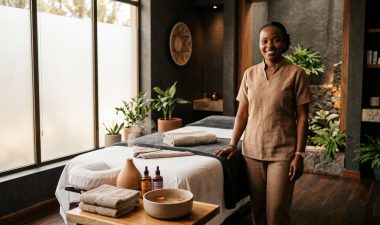
When you search for Massage and Rates in Nairobi, you usually want three things at once: comfort, relief, and a price that makes sense before you walk in the door. In Kilimani and nearby neighborhoods, that means comparing spas by more than the menu, because the final cost often changes with the type of massage, session length, add-ons, and the spa itself. For a closer look at local price patterns, massage prices in Kilimani can help you set a realistic range before you book.
This guide keeps things practical, so you can compare options with less guesswork and choose a place that fits both your body and your budget. If you’re weighing a quick reset against a longer treatment, the details below will make those choices easier.
What Shapes Massage Rates in Nairobi?
Massage prices in Nairobi are rarely random. They shift based on the treatment you choose, how long you stay on the table, and the setting around you. A basic relaxation session usually sits at one end of the scale, while deeper therapy, premium add-ons, and polished spa environments push the bill higher.
That makes sense once you compare what you’re actually buying. Some sessions are light and simple, others need more therapist skill, more time, or more equipment. If you want a broader menu view, massage services and pricing menu pages help you compare treatments before you book.
Massage style matters more than most people think
The type of massage is one of the biggest price drivers. A Swedish massage usually costs less because it focuses on relaxation, flowing strokes, and general stress relief. A deep tissue massage often costs more because the therapist works more slowly and with stronger pressure to target tight muscles.
Other styles sit higher for different reasons. Thai massage can demand more physical effort and a wider technique range. Hot stone, hot oil, and aromatherapy sessions often cost extra because they use added products, heated tools, or more customized care.
Here is the simple rule: the more specialized the treatment, the more likely the price rises. A spa that offers massage therapy session cost factors usually builds its rates around the same idea, type of service first, then the extras around it.
| Massage style | Usual price pressure | Why it costs more or less |
|---|---|---|
| Swedish | Lower | Straightforward relaxation session |
| Deep tissue | Higher | More focused pressure and skill |
| Thai | Medium to higher | Requires technique and movement |
| Hot stone | Higher | Heated stones add tools and prep |
| Hot oil | Medium | Oils and extended comfort service |
| Aromatherapy | Medium to higher | Essential oils and a more tailored feel |
| Specialty treatments | Highest | More customization, time, or add-ons |
A quick relaxation session keeps things simple. A premium treatment feels more like a full service experience, and the rate reflects that.
 ### Session length changes the final bill
Time matters just as much as technique. A 30-minute massage usually works as a quick reset for the neck, shoulders, or back. It costs less, so it suits people who want relief without booking a long appointment.
A 60-minute session is the common middle ground. It gives the therapist enough time to work through several problem areas, and it usually offers the best balance between price and value. A 90-minute massage costs more, but it often feels worth it if you want full-body work or more time on stubborn tension.
Longer sessions can go beyond that, especially for people who want a spa-style escape rather than a short fix. In many cases, the higher rate makes sense because you’re paying for more therapist time and a fuller treatment.
If your shoulders are tight after a long week, 30 minutes may do the job. If your whole body feels locked up, the longer session usually gives better value in the end.
Location, staff skill, and spa setup all play a role
Where the spa sits in Nairobi matters. Busy, high-demand areas like Kilimani often carry higher rates than smaller neighborhood spots because rent, overhead, and customer expectations are different. A spa in a busy commercial pocket also tends to invest more in presentation and service.
Therapist training changes the price too. A trained therapist who understands muscle recovery, pressure control, and client comfort can charge more fairly than a basic service provider. That difference shows up fast when you compare a simple rubdown with a properly delivered therapeutic session.
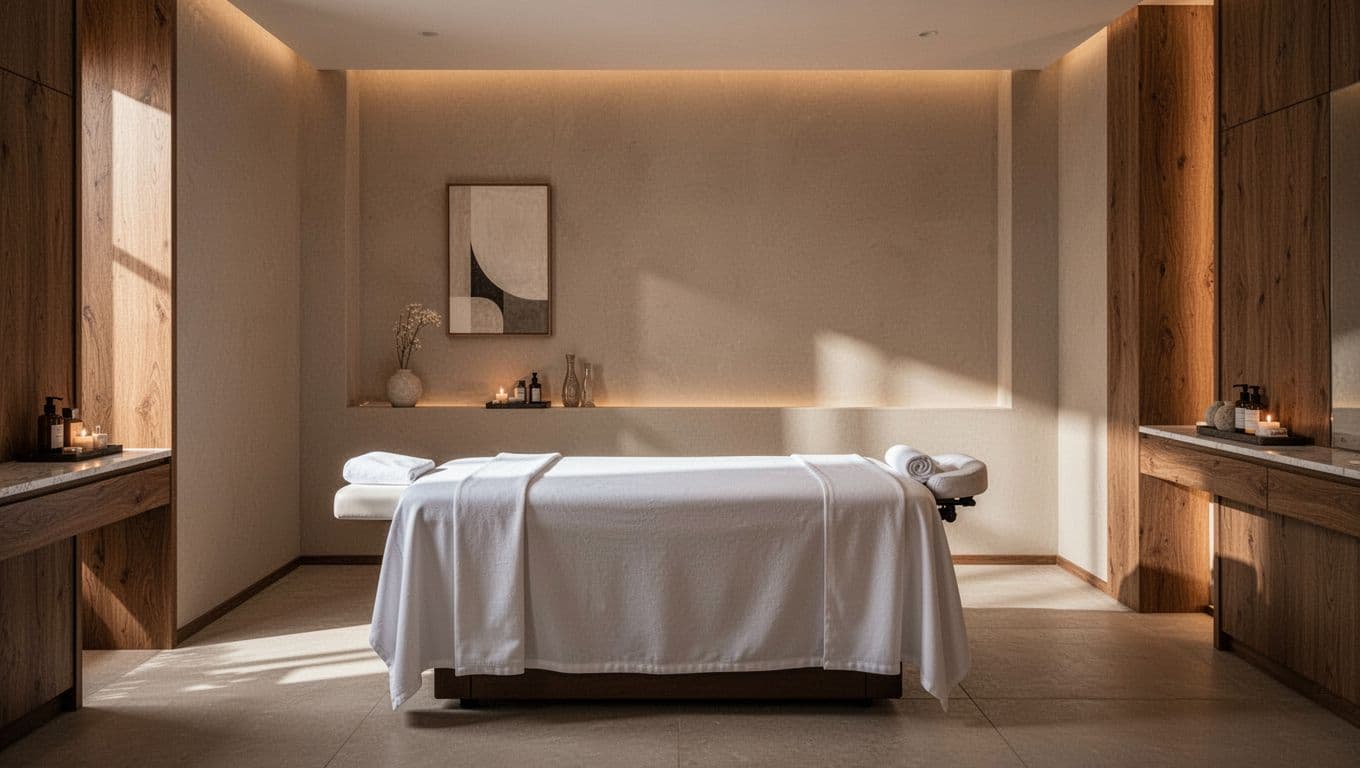
Spa setup also shapes the bill. Private rooms, clean linens, calming scents, showers, sauna access, and a quieter waiting area all add cost. Still, those details matter if you want a smoother experience and a more polished finish. In the middle of Nairobi’s noise, that extra calm can feel like part of the treatment itself.
A larger spa may charge more, but it often gives you more in return, from better service flow to a more comfortable room. In a place like Kilimani, that higher rate is often tied to the level of care, not just the name on the door.
Massage and Rates You Can Expect Around Kilimani
Kilimani sits in a price band that feels familiar once you compare a few spas. Massage and rates here usually reflect the treatment style, session length, and how polished the spa experience is, so the number on the menu tells only part of the story. A simple hour on the table can feel modest, while a longer or more specialized session climbs fast.
For a useful baseline, many Nairobi neighborhood spas sit in the middle range rather than the bargain end. If you want a wider comparison point, current massage service prices in Kenya give you a clear sense of how local treatments are usually priced.
Common price ranges for popular massage types
In Kilimani, relaxation massage often lands in the lower to middle range because it focuses on light pressure and general stress relief. Deep tissue massage usually costs more, since it takes more control, slower work, and extra therapist effort to reach tight muscles.
Other popular treatments sit a bit higher when they involve extra tools or oils. Thai massage, hot stone, and specialty body treatments often come with a premium because they need more technique, more prep, or a more customized session. In plain terms, the more specialized the treatment, the higher the bill tends to be.
A realistic way to think about Nairobi pricing is this:
- Relaxation or Swedish massage: often starts around the lower end of the Kilimani range.
- Deep tissue massage: usually costs a bit more than relaxation work.
- Thai massage: often sits in the middle to upper range.
- Hot stone massage: commonly reaches higher than a standard session.
- Specialty body treatments: can move above the usual rate, especially when add-ons are included.
A 60-minute session is the most common price anchor. For a broader benchmark, many listings in Nairobi put full-body massage rates around the mid-thousands, while premium spa sessions climb higher depending on the setting and package. Public spa menus, like Eka Hotel’s wellness price guide, show how service type and duration can shift the final price.
Prices can change by spa, season, and promotion. A package deal today may not look the same next week.
 ### What a higher rate should include
A higher price makes sense when the experience feels measured and professional. You should see a clean treatment room, fresh linens, a calm atmosphere, and a therapist who starts on time and communicates clearly before the session begins.
Good value also shows up in the hands on the table. Skilled therapists adjust pressure, respond to feedback, and work with purpose instead of rushing through the clock. That is where a fair rate starts to feel justified, because you are paying for care, not just time.
Look for signs like these:
- Clean space: The room, towels, and surfaces should feel well kept.
- Calm setting: Soft music, low noise, and a relaxed flow matter.
- Punctual service: Appointments should start close to the booked time.
- Clear communication: The staff should explain session length, pressure, and add-ons.
- Skilled technique: The massage should feel controlled, not random.
A polished spa may cost more, but the difference shows up in comfort and consistency. If you want a closer comparison of how session rates are grouped across Nairobi, Nairobi massage pricing guide is a helpful reference.
When a lower price makes sense, and when it does not
Lower prices can be a smart choice when you are booking a shorter session, trying a spa during off-peak hours, or catching a limited-time offer. Package deals and specials also move around often, so a lower rate may simply mean the spa is filling empty slots.
That said, a very cheap massage can come with trade-offs. If the therapist rushes the session, the room feels unsanitary, or the booking terms are vague, the deal stops being a deal. The cheapest option can end up costing more if you leave tense, disappointed, or uncomfortable.
A lower price usually makes sense when:
- The session is shorter by design.
- The spa clearly lists what is included.
- The space still looks clean and organized.
- The staff answers questions without dodging details.
A lower price does not make sense when the service feels hurried, the hygiene is poor, or the offer sounds unclear. In Kilimani, the best value often sits in the middle, where the price is fair and the experience still feels calm, steady, and worth booking.
How to Choose the Right Massage for Your Body and Budget
The best choice usually depends on what your body is asking for today, not just what sounds luxurious on the menu. If you want to feel lighter, looser, or simply less overwhelmed, the right session can make a real difference without pushing you into the highest price bracket.
A smart booking starts with one question: do you want to relax, recover, or celebrate? Once you know that, Massage and Rates become easier to compare because you can match the treatment to the result you actually want.
For stress relief and relaxation
If your shoulders feel heavy, your mind is noisy, or you just want a quiet reset, a gentler massage is usually the best fit. Swedish massage, relaxing massage, and other soft-pressure treatments use smooth strokes and steady rhythm, which helps the body settle down instead of bracing against intensity.
These sessions often cost less than deep therapeutic work, and that makes sense. You are paying for calm, comfort, and a slower pace, not heavy pressure or complex treatment. For many people, that is enough. A peaceful hour on the table can feel like opening a window in a stuffy room.
 If you want a softer treatment, start by looking at our relaxation treatment options or browse our full massage menu. Those pages make it easier to compare gentle choices before you book.
A recent review of massage research on stress relief and relaxation massage also shows why lighter pressure works well for stress. It supports what many people already feel after a session, less tension, calmer breathing, and a better mood.
For tight muscles, sports strain, or back pain
When the problem is more physical, a stronger treatment usually makes more sense. Deep tissue massage and focused therapeutic work target stubborn knots, tight hips, sore shoulders, and lower back strain, so the session often takes more skill and more time.
That extra focus can raise the price, but the value shows up in real life. If you sit for long hours, train hard, or keep waking up with the same tight spot, a lighter massage may feel pleasant without fixing much. A more targeted session may cost more, yet it can leave you moving better afterward.
Use this simple guide when comparing options:
- Choose relaxation massage if you mainly feel tense, tired, or mentally drained.
- Choose deep tissue if you have recurring tightness, workout strain, or stubborn back pain.
- Choose therapeutic work if you want the therapist to focus on one or two problem areas.
- Skip the strongest option if your body is just asking for comfort, not correction.
If you want a broader look at treatment choices and prices, our spa therapies page helps you compare options without guessing. That matters when you want value, because the best massage is the one that matches the problem in front of you.
For couples, gifts, or special occasions
Special occasions often call for more than a single basic session. Couples massages, spa packages, and add-on treatments can change the final price quickly, especially when they include extras like aromatherapy, hot oil, body scrubs, or longer time slots.
These bookings are popular for birthdays, date nights, anniversaries, and self-care days. People usually choose them when the goal is not just relief, but a full experience. The room, the pacing, and the extras all matter, so the bill often rises along with the mood.
A few things can affect the price:
- A couples room may cost more than a standard single session.
- Package deals often include more than one treatment.
- Add-ons like oils, stones, or scrubs increase the total.
- Longer sessions naturally move the rate higher.
If you are planning a gift or celebration, the higher cost can still be worthwhile because it feels more complete. The spa visit becomes part treatment, part memory, which is why these bookings are often chosen when the day itself matters as much as the massage.
For a closer look at local pricing patterns, you can also compare massage prices in Kilimani before you decide. That makes it easier to set a budget that fits the occasion without overspending.
The cheapest option is not always the best value, and the priciest one is not always the right fit. Match the massage to your goal first, then compare the rate.
Happiness Spa in Kilimani and What Local Visitors Want to Know
Happiness Spa in Kilimani fits the kind of place many Nairobi visitors are looking for, a neighborhood spa where you can check the menu, compare rates, and book without too much back-and-forth. Since local details can change, the smartest approach is to verify the basics before you go, especially if you are comparing it with other Kilimani options.
 The brand appears to focus on massage, relaxation, and spa therapies in a busy part of Nairobi, which makes it a practical stop for locals and nearby visitors. Still, before you book, it helps to treat the visit like you would any service in Kilimani: check the details, confirm the price, and make sure the timing works for your day.
What to confirm before you book a visit
Before you commit, ask the questions that affect both comfort and cost. A quick call or WhatsApp message can save you from confusion later, especially if you want a specific massage type or a tight time slot.
Start with the basics:
- Exact service menu: Confirm which massages and spa treatments are available that day.
- Current pricing: Ask for the latest rates, including any package pricing.
- Therapist availability: Check whether the therapist you want is on shift.
- Appointment rules: Ask about walk-ins, late arrivals, cancellations, and deposits.
- Booking method: Confirm whether phone and WhatsApp booking are available.
- Operating hours: Verify opening and closing times before you head out.
- Location details: Recheck the address so you do not lose time in traffic.
If you want a direct line for questions, use the spa’s contact and booking details. When a spa is upfront about these basics, the visit usually feels smoother from the start.
A clear booking conversation is often the best sign of a well-run spa. If the details are hard to get, the visit may feel harder than it should.
How to compare it with other Kilimani spas
Kilimani has plenty of spa choices, so price alone should not decide the booking. Compare the treatment length, the cleanliness of the room, the professionalism of the staff, and what the rate actually includes.
A lower price can look attractive, but it may leave out things that matter. For example, one spa may bundle in sauna time, steam, body care, or a longer massage, while another lists a lower base rate and charges extra for every add-on. That difference can change the real value fast.
When you compare options, focus on these points:
- Service quality: Does the spa feel calm, clean, and organized?
- Treatment length: Do you get the full time you paid for?
- Included extras: Are sauna, steam, or body care part of the price?
- Therapist skill: Does the service feel controlled and attentive?
- Overall value: Does the experience justify the rate?
For a closer look at what you can book, the massage services menu is a useful place to start. It gives you a better basis for comparing one Kilimani spa against another.
Why local details matter in Nairobi
In Nairobi, the real value of a spa visit is shaped by more than the treatment itself. Traffic, parking, and neighborhood convenience can change how relaxed you feel before the massage even begins.
Kilimani is central, but it can still take time to move in and out of the area. If you are booking after work or between errands, a spa close to your route may be worth more than a slightly cheaper one across town. That extra convenience can save you stress, which is part of the point of booking in the first place.
Local timing matters too. A spa that fits your schedule, answers quickly, and keeps appointments on time often gives better value than a place with a lower sticker price but a messy booking process. If you are planning ahead, checking the same-day booking page can help you see whether a quick visit is realistic.
For local visitors, the best choice is usually the one that fits the day, the budget, and the level of comfort you want. In Kilimani, that balance matters just as much as the number on the menu.
How to Get the Best Value Without Sacrificing Comfort
The best deal in a spa is not the lowest number on the menu. It’s the price that gives you real relief, a calm room, and no unpleasant surprises when you check out. In Kilimani, that usually means being selective, asking the right questions, and booking in a way that fits your schedule.
A smart buyer looks beyond the headline rate. Packages, inclusions, timing, and availability all shape what you actually spend per visit. When you know how to compare those details, Massage and Rates become easier to judge, and comfort stays part of the equation.
Look for packages, weekday deals, and seasonal offers
Bundles can lower the cost per session when you already plan to return. If a spa offers three or five sessions at a better rate, the per-visit price often drops, and that can save you money over time. Weekday pricing can also work in your favor, because many spas fill quieter hours with better offers.
Seasonal deals matter too. Holiday promos, low-traffic periods, and special wellness campaigns sometimes cut the price without changing the treatment itself. That’s where you get real value, because you pay less while still enjoying a proper session.
A package only works well when the spa keeps quality high. If the room is still clean, the therapist is skilled, and the pace feels unhurried, the deal is worth it. If service starts slipping just because the rate is lower, the savings stop being useful.
You can compare package styles with pages like best massage packages in Kilimani, especially if you want a routine that feels affordable and consistent.
A lower price only helps when the experience still feels calm, clean, and professional.
 ### Ask what is included before you pay
Two spas can quote the same rate and still offer very different value. Before you book, ask whether the price includes oils, towels, steam access, refreshments, or a longer treatment window. Those small details change the real cost fast.
This matters even more if you’re comparing several Nairobi spas. One place may look cheaper on paper, but then add charges for extras that another spa includes by default. That can turn a bargain into a headache.
A few questions keep things clear:
- Are oils included? Some spas add them to the base rate, others charge separately.
- Do towels and linens come with the session? Clean essentials should be part of the experience.
- Is steam or sauna access part of the price? If you want those extras, confirm them early.
- Are refreshments included? Even a small tea service can help you compare value.
- Does the session time include setup or overrun? A few extra minutes can matter.
A clear menu helps you compare fairly, and it keeps surprise charges off the bill. For a broader look at treatment options, our massage services menu gives you a simple place to check what may be included.
Book ahead so you get the time and therapist you want
Advance booking protects more than your slot. It also gives you a better chance of getting the therapist you prefer, the session length you want, and a time that fits your day without rushing. That matters in Nairobi, where traffic and packed schedules can turn a simple errand into a long afternoon.
Booking early also lowers stress. You don’t have to settle for the last open slot, and you don’t have to accept a time that leaves you arriving tense and distracted. Instead, you can plan the visit around your day, not the other way around.
That extra planning often helps in practical ways:
- You can choose a quieter hour, which may feel more relaxing.
- You can avoid last-minute price pressure.
- You can ask about therapist availability before you commit.
- You can fit the session around work, errands, or family plans.
If you need a quick option, checking same-day booking availability can help. Still, when comfort and value both matter, a planned appointment usually gives you the better experience.
For many people, the smartest spend is simple: book early, confirm what’s included, and choose offers that keep service quality intact. That way, the savings feel real, and the massage still feels like money well spent.
Conclusion
Massage and rates in Nairobi make more sense once you look past the headline price and pay attention to what the session includes. The right choice usually comes down to the treatment type, the length of the appointment, and the setting you want, because those details shape both comfort and value.
For Kilimani and nearby areas, the smartest move is to compare value, not just numbers. Confirm the current menu, the exact session time, and any add-ons before you book, so the price you expect is the price you actually pay.
The best massage rate is the one that matches the treatment, the setting, and the result you want. When you choose with that in mind, booking feels simpler, and the session feels worth it.