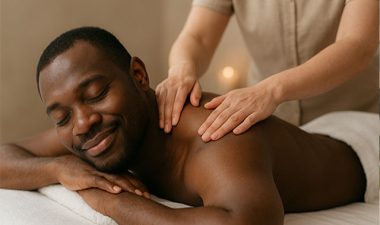
Kilimani moves fast. Between Ngong Road traffic, long desk hours, and gym sessions that don’t always come with enough stretching, your body can start to feel like it’s always on duty. That’s why Massage in Kilimani isn’t just a treat, it’s a practical way to reset.
A good massage can calm stress, ease tight shoulders and hips, and help you sleep better, especially when your week has been nonstop. Whether you’re near Jade Residency, around Kindaruma, or popping in after work, the right session should leave you lighter, not sore and confused.
In this guide, you’ll learn how to pick a style that matches what you need (Swedish for relaxation, deep tissue for stubborn knots, sports massage for recovery, or hot stone for warmth and deep calm). You’ll also get a clear idea of typical price ranges in Kilimani, what happens from check-in to aftercare, and how to tell a clean, professional place from one that cuts corners.
Most importantly, you’ll learn how to book smart, what to ask before you pay, and how to get the results you want from your first visit.
Massage in Kilimani, what you can get and what each style is best for
Massage in Kilimani is not one thing. It’s a menu of styles, pressure levels, and small upgrades that can turn a rough week into a real reset. Some sessions feel like a gentle wave that calms your nervous system. Others feel like targeted work that peels tight layers off your shoulders, hips, or calves.
Before you pick a style, get clear on what you want today: deep relaxation, pain relief, recovery, or just help sleeping. Then communicate your pressure in plain words: light (soothing, relaxing), medium (comfortable, “good hurt” at most), or deep (slow, focused work, never sharp pain). If you’re unsure, start medium and adjust in the first 10 minutes. A good therapist expects that.
Swedish massage for full body relaxation and better sleep
Swedish massage is the classic “exhale and let go” session. It uses long gliding strokes, gentle kneading, and light to medium pressure. The feeling is smooth and rhythmic, like someone ironing out stress from your muscles. If your neck and shoulders feel stuck from laptop hours, Swedish often brings quick relief without leaving you tender.
This style suits first-timers, anyone dealing with stress, and people who want better sleep. It’s also a smart choice if you’re not sure how your body reacts to massage. Swedish helps you learn your preferences, because it’s easy to adjust pressure without turning the session into intense bodywork.
After one session, expect:
- A looser upper back and shoulders, especially if you’ve been tense all week.
- A calmer mood, slower breathing, and that “quiet mind” feeling.
- Better sleep the same night for many people, because your body finally downshifts.
After a few sessions (for example, weekly or twice a month), the results tend to stick longer. You may notice fewer tension headaches, less jaw clenching, and better recovery from stressful days. Think of it like cleaning a room. One tidy-up helps, but regular cleaning keeps it from piling up again.
Simple tips that make Swedish work better:
- Drink water after, because relaxed muscles can leave you feeling “heavy” if you’re dehydrated.
- Avoid a heavy meal right before, so you’re not uncomfortable on the table.
- Say what you want: “Please keep it light on my lower back,” or “Medium pressure on shoulders.”
Quick guide: If your main goal is calm, sleep, and full-body relaxation, Swedish is usually the best place to start.
Deep tissue and sports massage for stubborn knots and active bodies
Deep tissue and sports massage often get grouped together, but they have different goals. Deep tissue focuses on chronic tightness and stubborn knots, using slow strokes and sustained pressure. Sports massage is more about performance and recovery, with targeted work based on how you move (running, lifting, sitting all day).
One common mix-up is deep pressure vs deep tissue. Deep pressure just means “hard.” Deep tissue means the therapist works slowly, layer by layer, to reach tight structures without rushing. You can have deep tissue that feels controlled and tolerable, and you can also have deep pressure that feels like someone is pushing too fast. If it feels sharp or makes you hold your breath, it’s too much.
Who benefits most in Kilimani’s everyday life?
- If you sit all day, you may feel tight hip flexors, a stiff upper back, and a nagging lower back. Deep tissue can help, but only if the therapist also works around hips and glutes, not just the spine.
- If you’re a runner, common hotspots include calves, hamstrings, IT band area, and feet. Sports massage can help you recover and keep your stride smooth.
- If you hit the gym, think chest, lats, shoulders, and quads. Sports massage targets those areas, especially after heavy lifting or a new program.
Some soreness after deep work is normal. It can feel like you did a workout the day before. Mild tenderness for 24 to 48 hours often happens, especially if it’s your first session in a while.
Pain is a red flag when:
- It feels sharp, burning, or electric.
- You feel numbness or tingling during the work.
- The pain lingers or gets worse after two days.
- You see unusual swelling or bruising (light redness is normal, bruising is not a goal).
Aftercare makes a big difference:
- Hydration: Drink water after, especially if you feel spaced out.
- Stretching: Keep it gentle. Think easy neck turns, hip openers, and calf stretches.
- Heat vs ice: Use heat for general tightness and stiffness, because it helps tissues relax. Use ice if you feel fresh inflammation or a sharp flare-up (for example, an angry spot around a tendon).
- Train smart: If you went very deep, avoid a max-effort workout immediately after. Give your body time to settle.
A simple script helps you communicate without overthinking it: “I want deep work, but I don’t want sharp pain. If I tense up or stop breathing, it’s too much.”
Hot stone and hot oil options when you want warmth and calm
When you want your body to soften fast, heat is your friend. Hot stone massage uses warmed stones placed on key points (like back, shoulders, or legs) and sometimes glided along the muscles. Hot oil massage uses warmed oil to help the hands move smoothly, which can feel extra soothing on dry skin or tight joints.
Heat helps because it encourages muscles to relax and can make tight areas feel more “melted” before deeper work begins. If you get cold easily, or you carry stress in your upper back, hot stone can feel like sinking into a warm bath, only with skilled hands doing the work.
Still, heat is not for everyone. Be careful, or ask for a lower temperature, if you have:
- Very sensitive skin, eczema, or frequent irritation.
- Nerve issues where you can’t feel heat well.
- Certain medical conditions (for example, uncontrolled high blood pressure, diabetes-related nerve changes, or active inflammation).
- Pregnancy (ask for pregnancy-safe options and positioning).
Before the session starts, ask two simple things so you don’t leave with irritation:
- Temperature check: “Can we start warm, not hot, then adjust?” A good therapist will test stones or oil on your skin first.
- Oil and scent options: If strong scents trigger headaches or sneezing, request unscented or a mild blend. Also mention any nut allergies, because some oils are nut-based.
If your goal is calm, hot stone or hot oil often pairs well with medium pressure. You get the relaxation without the “next-day tenderness” some people feel after deep tissue.
Aromatherapy, reflexology, and add ons that make a session feel personal
Add ons work best when they match your mood and your problem areas. Aromatherapy uses essential oils to shift the feel of the room and the session. Some scents help you unwind, while others feel more crisp and alert. If your brain is still running through emails, aromatherapy can help you drop into the table faster.
In plain terms, many people choose:
- Lavender or chamomile for calm and sleep support.
- Peppermint or eucalyptus for a fresh, clear-headed feel (also nice when you feel stuffy).
- Citrus oils when you want something uplifting but not heavy.
If your feet feel like they carry the whole week, reflexology is a focused foot (and sometimes hand) massage using pressure points. It’s popular with runners, people in retail, and anyone who stands a lot. Even desk workers love it, because tight feet can feed into tight calves and achy knees.
Other common add ons that make a session feel tailored include:
- A scalp massage if you hold tension in your head, jaw, or temples.
- Neck and shoulder focus if your pain comes from desk posture.
- Extra time on lower back and hips if you feel stiff after sitting or driving.
Before you add extras, get clarity so time and cost don’t surprise you. Here’s a quick set of questions to ask:
- How many minutes is the add on? (So it doesn’t steal time from the full body work unless you want that.)
- What’s the total price with the add on? (Ask before the session starts.)
- Will you use stronger oils or scents? (Mention allergies and sensitivity.)
- Can you focus on one area without making the rest rushed? (A good therapist can balance the plan.)
- What pressure will you use for the add on? (Light on scalp feels great, deep can feel intense.)
If you’re new to Massage in Kilimani, start simple: pick one main style, then add one small upgrade. That way, you learn what your body responds to, and your next booking gets easier.
How to choose a good massage place in Kilimani without guessing
Choosing where to get a massage in Kilimani shouldn’t feel like rolling dice. The good news is you can spot quality fast if you know what to look for. Think of it like picking a safe, well-run café: the small details tell you whether the kitchen (or treatment room) is handled with care.
Use this section as a quick decision guide. It focuses on what matters most: cleanliness, therapist skill, privacy, and value for money. If a place ticks these boxes, you’re far more likely to walk out feeling clear-headed and physically lighter, not tense and disappointed.
The easiest signs of a clean, professional spa or massage studio
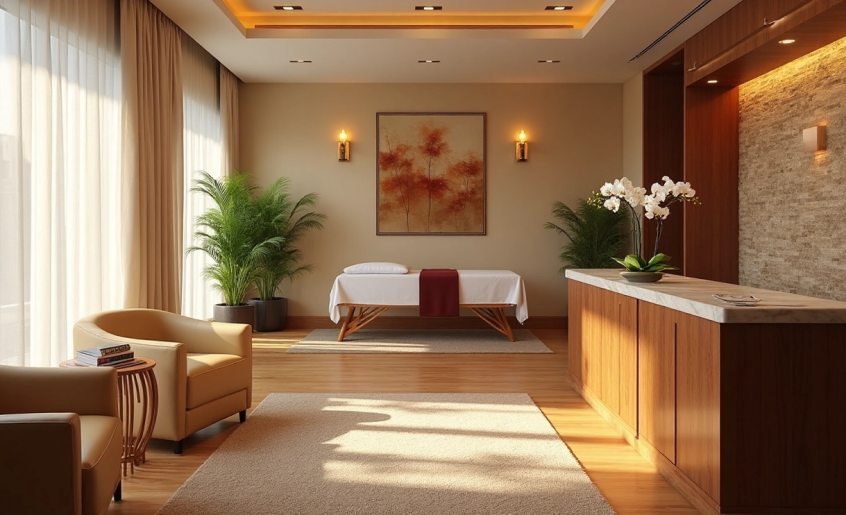
A professional massage space feels calm, but it also feels organized. Cleanliness isn’t just about nice smells and pretty lighting. It’s about hygiene habits that protect you, especially with shared surfaces, oils, and close contact.
Here are the clearest green flags you can spot within minutes:
- Fresh linens for every client: You should see clean sheets, towels, and face cradle covers being changed between sessions. If they “shake out” sheets or reuse towels, that’s a hard no.
- Clean bathrooms and wash areas: Check the basics: soap, toilet paper, clean sinks, and no lingering odors. A messy bathroom often means poor cleaning standards elsewhere.
- Hand hygiene that’s obvious: The therapist should wash hands (or sanitize) before starting. It should feel normal, not like you forced the issue.
- Tidy treatment rooms: Look for uncluttered surfaces, clean floors, and a table that looks well cared for. Random bottles, dusty shelves, or used cups are bad signs.
- Professional draping and privacy: You should be properly covered with a sheet or towel, with only the area being worked on exposed. The therapist should knock before entering if you’re changing.
- Secure storage for belongings: There should be a safe spot for your bag and phone (a drawer, locker, or at least a clean shelf within sight). You shouldn’t feel like you must hug your items all session.
- Clear boundaries and calm communication: A receptionist or therapist should explain what happens next, where to change, and what to do with jewelry. That clarity often shows good training.
Just as important is the overall vibe. Many Nairobi reviews praise friendly staff, clean spaces, and strong therapeutic massages. Those are not “nice-to-have” extras. Friendly staff usually means better communication, clean spaces reflect hygiene discipline, and strong therapeutic work points to real skill.
Red flags that should make you walk away (even if you already arrived):
- No clear pricing, or they dodge the total cost until you’re in the room.
- Pushy upsells or “extras” talk that doesn’t match the menu.
- Dirty linens, damp towels, or stained headrests.
- No intake questions (they don’t ask about injuries, pregnancy, pressure, or comfort).
- No draping, casual exposure, or jokes that make you uneasy.
- Rushed, rough handling from the first minute, especially around joints or the neck.
If a spa can’t handle basics like clean towels and respectful draping, don’t expect great technique or safe pressure.
How to read reviews the smart way, and avoid common traps
Reviews can help, but only if you read them with a bit of common sense. Don’t just look at the star rating and book. Scan for patterns that match what you care about: therapist skill, consistency, hygiene, and communication.
Start with what good reviews actually say. Strong, believable reviews often mention:
- Therapist skill: Words like “worked on my neck and shoulders,” “released my lower back,” or “checked pressure often” show real experience, not empty praise.
- Communication: Look for comments about being asked preferences, comfort, injuries, and whether pressure was adjusted.
- Consistency: Phrases like “I’ve been back three times,” “same great experience,” or “every visit is clean and calm” matter more than a single excited review.
- Professionalism and hygiene: Clean rooms, fresh towels, and a tidy bathroom are common praise points in Nairobi, and they’re worth valuing.
- Therapeutic strength done right: Many Kilimani clients love “strong massages,” but the best reviews describe strength with control, not pain. You want “firm but comfortable,” not “I survived it.”
Now, watch for common traps:
1) Very few reviews
A new business can be excellent, but a tiny review count means less proof. If you still want to try it, protect yourself by booking a shorter session first (more on that below) and asking clear questions before you pay.
2) Fake-sounding praise
Be cautious when reviews sound like ads. Signs include lots of exclamation marks, vague lines like “best spa ever,” and no details about the actual service. One or two is fine, but a page full of them is suspicious.
3) Reviews that focus only on decor
A beautiful space helps you relax, but it doesn’t guarantee skill. If reviews only talk about “nice ambience” and never mention the massage quality, you might be paying for interior design.
4) Ignoring the “middle” reviews
People often read only 5-star and 1-star reviews. The 3-star reviews can be gold because they highlight small issues like late starts, noisy rooms, or rushed techniques.
A quick way to read reviews without getting lost:
- Open the most recent reviews first (last 2 to 3 months if possible).
- Read 5 to 10 reviews, not hundreds.
- Look for repeated mentions of cleanliness, friendly staff, and therapeutic pressure.
- Treat one dramatic review as noise unless others say the same thing.
What to ask before you book so there are no surprises
A great massage starts before you get on the table. A two-minute call or message can save you from awkward moments, hidden costs, or a session that doesn’t match what you wanted.
Here’s a simple script you can copy and send on WhatsApp or say on a call:
Short booking script
“Hi, I’m looking to book a massage in Kilimani. I want a (Swedish/deep tissue/hot stone) session for (60/90) minutes. Before I confirm, can I check the total price, what’s included, and your location access and parking?”
Then ask these questions, in plain language, so expectations are clear:
- Price and duration
- “What’s the total price for 60 minutes, and does it include tax?”
- “Does the session time start when I enter the room, or after you finish setup?”
- What’s included
- “Is it full body, or do you focus on certain areas?”
- “Do you include oil, hot towel, or shower access, or are those add-ons?”
- Therapist preference and comfort
- “Can I request a male or female therapist?” (Only if you have a preference.)
- “Do you check and adjust pressure during the session?”
- Privacy and storage
- “Are rooms private, and do you provide proper draping?”
- “Where can I keep my bag and phone during the massage?”
- Parking and building access
- “Do you have parking, and how do I access the building?” (Important in Kilimani apartments and mixed-use buildings.)
- “Is it quiet, or is there noise from traffic or salons nearby?”
- Late policy and rescheduling
- “If I’m late, do I lose time, or can you adjust?”
- “What’s your cancellation policy?”
- What to wear
- “What should I come in, and what do most clients wear during the massage?”
- Tipping
- “Do people usually tip here, or is service already included?” (This avoids that end-of-session guessing game.)
Also share the key health details upfront. It protects you and helps the therapist do better work:
- Injuries or pain spots: “My lower back gets tight when I sit,” or “I have a sore shoulder from the gym.”
- Pregnancy status: If you’re pregnant, ask for pregnancy-safe positioning and pressure.
- Pressure preference: Use simple words like “light,” “medium,” or “firm but not painful.”
- Medical considerations: Mention recent surgery, blood clot history, severe varicose veins, or any condition where pressure should be limited.
A professional therapist welcomes these details. If someone acts annoyed by basic questions, take it as a warning.
Pricing and packages in Kilimani, what affects cost and what is worth it
Prices for massage in Kilimani vary, but most changes come down to a few practical factors. Knowing them helps you compare options quickly, without assuming that “expensive” always means “better.”
From current Nairobi listings and booking platforms, typical 1-hour price ranges often look like this:
| Massage style (60 minutes) | Common price range in Kilimani (KES) | Why it costs that |
|---|---|---|
| Swedish | 2,500 to 3,500 | Simpler technique, relaxation focus |
| Deep tissue | 3,500 to 4,500 | More skill, slower targeted work |
| Hot stone | 6,500 to 7,500 | Equipment, heating, setup time |
| Thai (varies by provider) | Around 5,000 | Specialty technique, higher demand |
| Reflexology | Around 4,000 | Focused work, often therapist-intensive |
These are general ranges, so always confirm the total price for your exact session length and add-ons.
What usually affects cost in Kilimani:
- Time on the table: Longer sessions cost more, and they often feel better because the therapist can slow down. A rushed full-body massage can feel like a “drive-by.”
- Add-ons and extras: Hot stone, aromatherapy, scrubs, and steam access raise the total. Add-ons can be worth it, but only if you actually want them.
- Therapist experience: Skilled hands cost more because they get results with less discomfort. You feel the difference in pressure control, pacing, and how they handle sensitive areas.
- Location and facility level: Quiet rooms, clean showers, and better privacy add cost. In contrast, low prices sometimes come with noise, cramped rooms, or inconsistent hygiene.
- Demand and booking times: Weekends and evenings may price higher, or fill up faster.
So what’s worth paying for? Put your money into the basics first: cleanliness, privacy, and skill. A clean room and a trained therapist will beat a fancy waiting area every time.
Choosing between a single session and a package depends on your goal:
- Single session makes sense when you’re trying a new place, testing a therapist, or you just need a one-off reset after a hard week.
- Packages can be better value if you have regular tension (desk shoulders, tight hips, gym soreness) and you already trust the place. Consistency matters with massage because your body changes over time, and a therapist who knows your patterns can work faster and safer.
If you’re busy, session length is the easiest upgrade you can make:
- 30 to 45 minutes (quick reset): Best for one area, like neck and shoulders, lower back and hips, or legs after training. This is also a smart “trial run” at a new studio.
- 60 minutes (balanced): Enough time for full body with a bit of focus. Most people leave feeling properly reset.
- 90 minutes (full unwind): Ideal when stress is high or you want deeper work without rushing. You get slower pacing, more breath, and better results in stubborn areas.
A final money tip: don’t judge value by the sticker price alone. Judge it by how you feel the next day. A good session leaves you looser, calmer, and sleeping better, not bruised, sore, or wondering what you paid for.
Your first massage appointment in Kilimani, what happens from arrival to aftercare
A first-time Massage in Kilimani should feel simple, safe, and unhurried. From the moment you walk in, the best places guide you step by step, so you never have to guess what to do with your phone, your clothes, or your nerves.
Most visits follow the same flow: you arrive and check in, you share your goals and any injuries, you change in privacy, then you get on the table under a sheet. During the session, you can ask for changes at any time. After, you’ll get a moment to come back to yourself, then you pay (and tip if you want), and finally you head out with a clear aftercare plan.
Good massage is teamwork. Your therapist brings skill, you bring honest feedback, and your body gets the result.
Before you arrive, simple prep that makes the session better
A great session starts before you touch the massage table. Small choices, like what you eat and when you arrive, can be the difference between “nice” and “that fixed my whole week.”
Start with hydration. Drink water through the day, not just right before you walk in. When you’re dehydrated, muscles tend to feel more sensitive, and deep work can feel harsher than it needs to.
Next, plan your meal timing. A light meal about 1 to 2 hours before is usually perfect. Think something that won’t sit heavy in your stomach while you’re face-down. If you’re coming straight from work and you’re starving, a small snack helps you relax. If you just ate a big lunch, give yourself time to digest.
A quick shower is helpful, even if it’s only a rinse. It helps you feel fresh and comfortable, especially if you’ve been in traffic or it’s a hot day. Also, skip strong perfume or heavy body spray. Scents fill a small room fast, and some people get headaches. Clean skin with a mild scent is enough.
Try to arrive 10 to 15 minutes early. That buffer covers parking, finding the right building, and settling your mind. It also gives time for a short consultation without stealing minutes from your massage.
Clothing matters more than most people think. Wear easy, loose clothing that you can change out of fast. Avoid tight jeans, stiff belts, or anything that leaves deep marks on your skin. You’ll feel calmer after the session if you don’t have to wrestle yourself back into work clothes.
If you’re coming from the office:
- Carry deodorant wipes or a small towel, especially if you had a long day.
- Remove bulky jewelry before you enter the room, so you don’t rush later.
- If your mind is still on emails, silence your phone before check-in.
If you’re coming from the gym:
- Give yourself at least 20 to 30 minutes to cool down first, because muscles can feel extra tender right after training.
- Let the therapist know what you trained (legs, back, shoulders), so they can avoid overworking tired tissue.
- If you used pre-workout or lots of caffeine, mention it, because it can make you feel jumpy on the table.
Once you check in, expect a brief intake chat. You’ll usually be asked about pressure, pain points, and any injuries. Share the basics clearly, like “tight neck from laptop work” or “right hamstring sore after running.” That small info helps the therapist plan the session.
Then comes changing and draping. You’ll get privacy to undress to your comfort level (some places offer disposable briefs). You lie on the table under a sheet or towel, and the therapist only uncovers the area being worked on. Your private areas stay covered the whole time. If anything feels unclear, speak up before the massage starts.
During the massage, how to communicate so you get what you came for
The first few minutes set the tone. Most therapists start with broad strokes to warm the tissue, then move into focused work. If you want something specific, say it early. Otherwise, your body might get a “general full body” when you really needed shoulder repair.
Use plain words. You don’t need anatomy terms. You just need clear feedback, because your therapist can’t feel what you feel.
Here are phrases that work well in the moment:
- Pressure changes
- “That’s a bit too deep, can you go lighter?”
- “More pressure there, but slow, please.”
- “Medium pressure is perfect, keep it like that.”
- Pain vs discomfort
- “That’s tender but okay.”
- “That feels sharp, please stop on that spot.”
- “It’s making me hold my breath, can you ease up?”
- Focus zones
- “Please spend more time on my neck and shoulders.”
- “My lower back is sensitive today, go gentle there.”
- “My calves feel tight from walking, can we focus there?”
- Sensitive areas and boundaries
- “I’m not comfortable with glute work, please skip that area.”
- “You can work the hips, but keep the draping secure.”
- “Please avoid my chest and stomach.”
- Room comfort
- “Could you lower the music a little?”
- “I’m cold, can I have an extra towel?”
- “The room feels warm, can you reduce the heat?”
A professional therapist expects feedback. They’ll adjust pace, pressure, and technique without taking it personally. In fact, the best sessions often include small tweaks in the first 10 minutes, then everything flows.
Consent should feel normal throughout. If the therapist wants to work near a sensitive area, they should explain what they’re doing and keep draping tidy. If you ever feel uncomfortable, you can say “pause” or “stop” and sit up. You don’t owe anyone silence.
Breathing is your built-in guide. If you can breathe slowly, the pressure is likely productive. If you tense, clamp your jaw, or flinch, it’s too much. Deep tissue does not need sharp pain to “work.” Strong work can still feel controlled.
Also, don’t worry about talking too much or too little. Some people like quiet. Others relax by chatting for a minute, then drifting off. You can say, “I’d like a quiet session today,” and that’s completely fine.
Toward the end, many therapists check in again. Take that chance to request a final focus, like two more minutes on the neck, or gentler work on the feet. Those last adjustments can change how you feel walking out the door.
When the massage ends, the therapist should step out so you can dress in private. Take your time sitting up, because standing too fast can make you feel light-headed.
At checkout, you’ll pay at reception. If you want to tip, do it in a simple, no-stress way. You can hand it directly to the therapist or ask reception what’s preferred. Tipping is often appreciated for excellent service, but it should never feel forced.
After the session, how to feel the benefits longer
Right after a massage, many people feel calm, heavy, or a little sleepy. That’s normal. Your nervous system has shifted into rest mode, like your body just exhaled after holding tension all week.
If you had deeper work, you might feel mild soreness later, similar to post-workout tenderness. That usually fades within 24 to 48 hours. On the other hand, sharp pain is not a normal after-effect.
To make the results last, keep aftercare simple and realistic.
First, drink water over the next few hours. You don’t need to overdo it, just hydrate steadily. Next, do gentle stretching later in the day, especially for areas that were worked hard. Think slow neck turns, easy shoulder rolls, a light hip opener, or a relaxed calf stretch. If a stretch causes sharp pain, stop.
A warm shower can feel great, especially after deep tissue. Heat helps muscles stay soft. If your skin feels oily, wait a bit before scrubbing hard, because your skin may be slightly sensitive.
Training choices matter too. If you just had firm deep tissue, skip an intense workout for the rest of the day. Choose a light walk, mobility work, or an easy cycle instead. If you had a gentle Swedish massage, you can usually go back to normal activity, but listen to your body.
Keep an eye on how you feel that evening and the next day. Call the spa for guidance, or seek medical help, if you notice any of the following:
- Sharp or worsening pain that doesn’t settle.
- Numbness, tingling, or weakness after the session.
- Unusual swelling, strong bruising, or heat in one area.
Those signs don’t mean massage is “bad,” but they do mean your body needs a closer look.
If everything feels normal, your best next step is simple: note what you liked. Was the pressure right? Did you want more time on shoulders? Did the room feel too cold? That one-minute review helps your next Massage in Kilimani feel tailored from the start.
How often should you get a massage, based on your goal
Frequency is less about rules and more about what you want to change. One session can help, but consistent sessions usually create longer-lasting relief, especially if you sit for work or train hard.
Here are easy schedules that fit most people:
- Stress relief and better sleep: Every 2 to 4 weeks works well. It keeps tension from building up, and it helps your body stay in a calmer rhythm.
- Chronic tightness or recurring knots: Start with weekly sessions for a short period, then shift to maintenance every 2 to 4 weeks. That early consistency gives your muscles a chance to “learn” a new normal.
- Athletes and gym regulars: Book around heavy training blocks, often once a week, or after tough sessions. Sports massage after hard weeks can support recovery and reduce tightness that changes your form.
Budgeting helps you stay consistent. Instead of one random “rescue massage,” plan a schedule you can keep, even if it’s once a month. Your body responds better to steady care than to extremes.
Most importantly, listen to your signals. If headaches fade, sleep improves, and your shoulders stop creeping up to your ears, you’re on the right track. If pain returns fast, tighten the schedule for a few weeks, then reassess.
Massage in Kilimani for different needs, quick picks for common problems
Not every body needs the same kind of massage. Some days you want calm and quiet. Other days you want someone to find the exact “knot” that’s been living under your shoulder blade for weeks. The easiest way to book the right Massage in Kilimani is to match your main complaint to a style, a session length, and one or two smart add-ons.
Use the quick picks below like a menu. If two issues apply to you (for example, desk shoulders and stress), tell your therapist which one matters most today. That one choice keeps the session focused.
Neck and shoulder pain from desk work or driving
If you sit at a laptop all day or drive through traffic often, your upper body can start to feel like a coat that shrank in the wash. The usual pattern is tight chest, overworked upper traps, and a stiff neck that does not want to turn. You might also notice tension headaches, jaw clenching, or a “heavy” feeling behind the eyes.
Best massage pick (choose one):
- Therapeutic Swedish (targeted) if you want relief without feeling beaten up. Ask for focused work on the neck, upper back, and chest/pec area (gentle), plus slow pressure around the shoulder blades.
- Deep tissue focus if the pain feels stubborn and you can point to specific knots. Ask for slow pressure, not fast hard pushing.
Ideal session length: 60 minutes if it’s mostly neck and shoulders, 90 minutes if you also want full-body relaxation so your nervous system settles too.
Add-ons that make a difference:
- Scalp massage (great if you get tension headaches or you “think with your forehead”).
- Upper back focus with extra time around the shoulder blades and mid-back, because tight mid-back often forces the neck to overwork.
When you book, describe your day in one sentence. Try: “I sit hunched at a desk and my neck feels stuck.” That tells the therapist to prioritize posture muscles, not just rub the area that hurts.
Here’s a simple rule while you’re on the table: you should be able to breathe slowly. If you catch yourself holding your breath, the pressure is too high.
Quick win: Neck pain often improves faster when the therapist treats the upper back and shoulder blades, not the neck alone.
A 2-minute at-home reset (no equipment):
Do this once in the morning and once after work.
- Chin tuck (30 seconds): Sit tall. Gently draw your chin straight back (like making a double chin). Hold 3 seconds, release, repeat.
- Shoulder blade squeeze (30 seconds): Pull your shoulder blades back and down (like tucking them into back pockets). Hold 3 seconds, release, repeat.
- Doorway chest stretch (30 seconds per side): Forearm on a door frame, step through gently, feel a stretch across the chest. Keep it mild.
- Slow neck turns (30 seconds): Turn right, pause, then left, pause. No forcing, no bouncing.
Small and boring beats intense and inconsistent. Done daily, this keeps your shoulders from crawling up to your ears.
Lower back tightness and hip stiffness
Lower back tightness often shows up as a dull ache after sitting, or a sharp “grab” when you stand up. Many people assume the low back is the problem, but the real culprit is often the hips and glutes. Think of your hips as the foundation of a house. When they stiffen, the low back tries to do extra work, and it complains.
Sitting shortens the hip flexors at the front of the hip. Meanwhile, glutes can get sleepy and weak. As a result, your low back works overtime during walking, bending, and even standing.
Best massage pick: Deep tissue or sports-style work with safe, skilled hip and glute treatment. You want someone who can work:
- Glutes (with clear consent and proper draping)
- Hip flexors (carefully, because this area can feel intense)
- Side hip muscles (often called TFL and glute med area)
- Lower back muscles (without “digging” on the spine)
Ideal session length: 60 minutes if it’s a focused back-hips session, 90 minutes if you also want legs included (tight hamstrings and calves can feed the same chain).
Add-ons that help:
- Hot stone or warm oil if your stiffness feels “locked.” Heat helps the tissue soften, so the therapist does not need to use extreme pressure.
- Targeted stretching guidance at the end (ask for two stretches you can repeat at home).
This is the moment to share your history clearly. Mention:
- Old injuries (back, hip, knee, ankle)
- Sciatica-like symptoms (shooting pain, tingling, numbness)
- Pregnancy, recent surgery, or any medical restrictions
If pain is new, severe, or sharp, don’t try to “power through” with deep pressure. Choose a gentle Swedish session with light therapeutic focus or a lighter sports recovery approach. Let the goal be calming and circulation first, then reassess after your body settles.
Also watch for swelling, heat, or pain that wakes you at night. In that case, get medical advice before booking deep work.
A helpful cue to tell your therapist: “My back feels tight, but I suspect it starts in my hips.” That simple line usually leads to better results.
Post workout recovery for gym, running, and sports
If you train hard, your muscles can feel like they’re carrying sandbags. Quads feel heavy, calves feel tight, and shoulders feel packed after push days. A good recovery massage helps you feel more mobile again, so your next session does not start with stiffness.
Best massage pick: Sports massage or deep tissue (moderate), depending on your soreness and your training week.
Timing matters more than people think:
- For heavy lifting, long runs, or intense sports sessions, book 24 to 72 hours after the workout. That’s when delayed soreness often peaks, and the work feels most useful.
- Same-day can work if you keep it light and flushing, especially if you want relaxation and circulation. Avoid very deep work right after max effort.
Pressure guidance (simple and honest):
- Choose medium if you want recovery without feeling tender tomorrow.
- Choose deep, slow pressure only if you’re used to it and you can stay relaxed. Deep does not mean painful.
Ideal session length: 60 minutes for legs-only or upper-body-only recovery, 90 minutes for full-body athletes (legs, hips, back, and shoulders in one plan).
Add-ons that fit recovery:
- Lower-leg and foot focus for runners (calves, soles, ankles).
- Hot stone if your muscles feel thick and tight, especially during cool weather or after long sitting.
Bring useful details. Tell the therapist what you trained (for example, “legs yesterday, long run on Sunday”) and what feels worst today. That keeps the session practical.
Be cautious with new injuries. If you have fresh swelling, bruising, sharp pain, or reduced range of motion that feels alarming, skip deep work on that area. A light relaxation massage elsewhere can still feel great, but don’t let anyone “dig into” an injured spot to prove a point.
Two recovery habits that work as well as any add-on:
- Sleep: Your body repairs during deep sleep, so aim for an early night after your session.
- Hydration and protein: Drink water steadily and eat a normal balanced meal, especially after deep work.
High stress weeks, burnout, and trouble sleeping
When stress is high, your body stays on alert. Shoulders rise, breathing gets shallow, and your mind refuses to switch off. In that state, a massage should feel like turning down the volume, not like another challenge to endure.
Best massage picks for stress and sleep:
- Swedish massage with slower pacing and medium or light pressure.
- Aromatherapy massage if scent helps you relax (ask for something soft and calming).
- Hot stone massage if you want warmth and deep comfort without heavy pressure.
Ideal session length: 60 minutes for a clean reset, 90 minutes if you want enough time to fully settle (many people only start to truly relax after 20 minutes).
Add-ons that support sleep:
- Scalp and face massage (gentle) to soften jaw tension and quiet the mind.
- Hot stone on the back, shoulders, or legs to keep you in that “melted” state longer.
Evening appointments help some people because you can go straight from the table to home, dinner, and bed. There’s less chance of breaking the calm with traffic, meetings, or errands. Still, if evenings are rushed for you, a late afternoon slot can work just as well.
A simple post-massage calming routine (10 to 20 minutes):
- Put your phone on silent (or airplane mode) as soon as you leave.
- Take warm tea or warm water when you get home.
- Keep lights low, then take an early shower if it helps.
- Aim for an early night, even if you don’t sleep instantly.
Stress relief is not only about the hour on the table. It’s also about protecting the calm afterward, like carrying a candle through wind. The less you expose it to noise, the longer it burns.
Happiness Massage & SPA in Kilimani
If you want a calm, reliable Massage in Kilimani, Happiness Massage & SPA is set up for exactly that. It’s based in Kilimani around Jade Residency and Kindaruma, so it fits easily into a workday reset or a weekend recharge. The vibe is simple: you come in tense, you leave lighter.
This is the kind of place that focuses on comfort, privacy, and a clear menu of massage styles. It also encourages booking in advance, which matters in Kilimani when evenings and weekends fill up fast.
Where it is in Kilimani and why that matters
Location shapes the whole experience. In Kilimani, the wrong spot can mean noise, stress, and a rushed start. Happiness Massage & SPA sits in the Jade Residency, Kindaruma area, which works well if you live nearby, work around Ngong Road, or want something close without crossing town.
That convenience isn’t just about saving time. It helps your body relax sooner because you’re not arriving already annoyed by traffic. When your nervous system is calmer at the door, the massage tends to work better on the table.
If you’re booking after work, plan a small buffer so you’re not sprinting in. A relaxed arrival often gives you a better session than any add-on.
Massage styles you can book here (and how to choose fast)
Happiness Massage & SPA highlights several popular options, which makes it easier to match the session to your mood and your body. Instead of guessing, use a simple rule: pick the style that fits your goal today, not the one you think you “should” do.
Here’s how the main options usually fit real life in Kilimani:
- Swedish massage: Best when you want full-body relaxation, less tension, and better sleep. It’s also a smart first visit because it’s easy to adjust pressure.
- Hot stone massage: Great when you want warmth and deep calm without intense pressure. Heat often helps tight backs and shoulders soften faster.
- Hot oil massage: Ideal if you want a smooth, soothing feel, especially if your skin feels dry or you prefer a gentler flow.
- Aromatherapy massage: Helpful when stress is the main issue and scent helps you settle. If you get headaches from strong smells, request a mild option.
If you’re torn between two styles, choose based on your “after” plan. If you need to go back to meetings, Swedish with medium pressure can feel refreshing. If you’re heading home to rest, hot stone or hot oil often leaves you deeply calm.
Quick self-check: If your body feels “wired,” go for calm (Swedish, aromatherapy, hot stone). If it feels “stuck,” choose warmth plus focused pressure, but keep it controlled.
What makes it feel like the best spa in Kilimani (for the right person)
“Best spa” depends on what you value. Some people want luxury extras. Others want a clean room, a skilled therapist, and a session that actually solves the problem. Happiness Massage & SPA positions itself around a calm, serene experience and a wellness focus, which fits most people looking for a dependable Massage in Kilimani.
What tends to matter most for clients in this area is consistency. You want to know what you’re walking into. A well-run spa experience usually includes:
- A quiet, calming setting that helps you switch off quickly.
- Clear service options (you shouldn’t need to decode the menu).
- A professional flow from booking, to check-in, to the end of the session.
- Comfort-first details, like pacing, privacy, and respectful communication.
Think of it like a good barber. You don’t go because the mirror is fancy. You go because they listen, they’re consistent, and you leave feeling like yourself again.
Booking and timing tips so you get a better session
A massage can feel average if the logistics are messy. It can feel amazing if everything runs smoothly. Since Happiness Massage & SPA encourages booking ahead, use that to your advantage.
A few small moves can improve the result:
- Book in advance for peak times: Evenings and weekends tend to fill up first in Kilimani.
- Choose your session goal in one sentence: For example, “Upper back and neck are tight from desk work, medium pressure.”
- Mention sensitivities early: Say it before the session starts (scents, allergies, or areas you want avoided).
- Don’t arrive hungry or too full: A light meal earlier often feels best.
- Plan a calm 30 minutes after: If you can, avoid stacking the session right before stressful errands.
If you’re new to massage, start simple. A straightforward Swedish massage teaches you what pressure you like, and that makes your second visit far better.
What to expect during your visit (so nothing feels awkward)
A good spa visit should feel guided, not confusing. In most professional settings, the flow is predictable: you check in, share preferences, then you change in privacy and get properly draped on the table. During the massage, you can request changes at any time.
To get the results you want, speak up early, especially in the first 10 minutes. That’s when the therapist sets pressure and pace. Use plain language, because it works:
- “Please go medium, not deep.”
- “That spot feels sharp, ease up.”
- “Spend extra time on neck and shoulders.”
- “Please avoid strong scents.”
Also, remember this: deep work should feel controlled. If you tense your legs, clench your jaw, or hold your breath, the pressure is too high for that moment.
Add-ons and body treatments, when they’re worth it
Happiness Massage & SPA also highlights spa-style therapies and body treatments. These can be useful, but only if they match your goal. If your main problem is stress, calming add-ons can extend the relaxed feeling. If your main problem is tight hips, extra time on the right areas often beats fancy extras.
A simple way to decide is to ask one question before you agree to anything: “Will this improve my result today, or just add cost?”
Choose add-ons when:
- You want a more calming session (aromatherapy can help you switch off faster).
- You feel cold easily (heat-based options often improve comfort).
- You want a spa-style reset, not only muscle work.
Skip add-ons when:
- Your budget is tight and you’d rather pay for more minutes.
- You’re trying the place for the first time and want to keep it simple.
- You already know you’re sensitive to scents or certain products.
How to get the most value from Happiness Massage & SPA in Kilimani
Value is about outcomes, not promises. You’re paying for how you feel later that day, and the next morning. To make the session count, treat it like teamwork.
Do these three things and you’ll usually notice the difference:
- Be specific about the problem: “Right shoulder feels locked from mouse work,” beats “Just massage me.”
- Pick a realistic pressure: Medium pressure can create big change without next-day tenderness.
- Protect the calm after: Hydrate, eat something light, and avoid a hard workout right away if the massage was firm.
If you want a repeatable routine, keep it boring and consistent. A monthly massage helps many people maintain comfort, especially if you sit a lot or train regularly. When stress spikes, go closer together for a short stretch, then return to maintenance.
The goal is simple: a Massage in Kilimani that fits your life, feels safe, and gives your body a real reset.
Conclusion
Massage in Kilimani works best when you treat it like a plan, not a random treat. First, pick a style that matches your goal, Swedish for calm and sleep, deep tissue or sports for stubborn tightness, hot stone or hot oil for warmth and an easier release. Next, prioritize the basics every time: clean rooms, proper draping, and a therapist who checks in and adjusts pressure.
Before you book, ask a few direct questions about price, timing, what’s included, and any add-ons, so you don’t get surprised at checkout. Then protect the results with simple aftercare, drink water, keep stretching gentle, and avoid hard workouts right after a firm session. That follow-through is what turns one good hour into a better week.
Most importantly, consistency beats rescue sessions. Book ahead (especially for weekends and evenings), then stick to a realistic schedule, even once a month, and your body will stay looser and easier to live in.
Thanks for reading, what would feel like a real win after your next session: deeper sleep, fewer headaches, or freer hips?