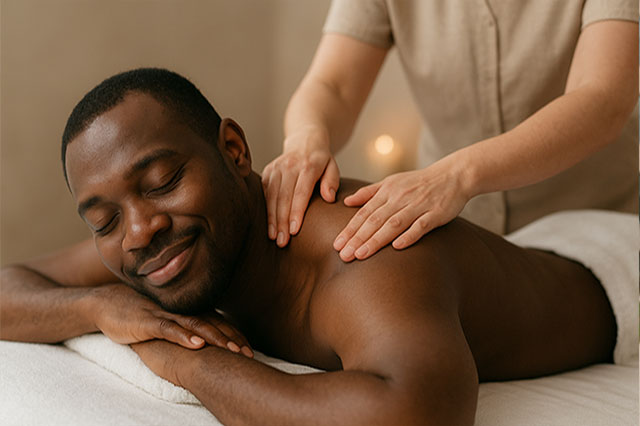
That “Massage Near Me” search usually happens at the worst time. Your neck’s tight, your back’s shouting, and you’ve only got a small window between work, traffic, and everything else. On your phone, every option looks the same, so it’s easy to pick the first result and hope for the best.
In Nairobi, especially around Kilimani and nearby areas, a good massage shouldn’t feel like a gamble. The right place should be clean, easy to reach, clear on pricing, and staffed by therapists who listen before they start. Just as important, booking and payment should feel safe and straightforward.
This guide keeps it simple and practical. You’ll learn how to choose the right massage for your body (relaxation, deep tissue, sports, or something gentler), how to spot a professional therapist or spa quickly, what prices in Nairobi often include (and what they don’t), and how to avoid common traps like vague menus or rushed sessions.
If you’re short on time, you’ll also get a quick way to compare places fast, using a few checks you can do in under two minutes. By the end, you’ll know how to book with confidence, show up prepared, and walk out feeling better, not stressed about what you just paid for.
Start with what your body needs, then pick the right massage
When you search “massage near me”, it’s tempting to pick the closest place and hope for the best. Still, the best choice depends on your goal, your pain points, your time, and your comfort level. A relaxing session feels very different from targeted work on tight shoulders.
Start by naming what you want to change today. Do you want to switch off, loosen up, or feel lighter for tomorrow’s workout or long day? Once you’re clear, choosing a style (and the right pressure) gets much easier, and you’re less likely to leave thinking, “That was nice, but it didn’t help.”
Quick self check: soreness, stress, stiffness, or a specific pain?
Before you book, take one minute to scan your body and your week. This helps you match the session to what’s actually going on, instead of guessing.
Here’s a simple self check you can do right now:
- Where do you feel it most? Neck, shoulders, lower back, hips, calves, feet, or all over?
- What kind of feeling is it? Soreness, tightness, heaviness, sharp pain, or fatigue?
- How intense is it (0 to 10)? A 3 feels annoying, a 7 changes how you move.
- When did it start? This morning, after the gym, after travel, or it’s been building for weeks.
- Does anything make it worse? Sitting, bending, walking stairs, stress, or cold weather.
- Any red flags? Fever, swelling, fresh injury, skin issues, pregnancy, recent surgery, or a condition you manage with meds.
Now connect those answers to real life examples:
- Desk neck and shoulders: You’ve been on a laptop all week, and your upper traps feel like ropes. You’ll usually do well with a relaxing massage plus focused work on the neck, shoulders, and upper back.
- Lower back tightness: Often shows up after long drives, sitting, or standing all day. A therapist can work the surrounding muscles (hips, glutes, mid-back) instead of “digging” into one sore spot.
- Leg fatigue: Common after gym days, long walks, or lots of stairs. Many people prefer medium pressure on calves and thighs to ease that heavy feeling.
- Stress headaches: If your head feels tight and your jaw clamps without you noticing, a calming session with gentle neck and scalp work can feel like turning down the volume.
Your goal changes the best option:
- Relaxation: Choose a calmer style, lighter to medium pressure, and a slower pace. This is ideal when stress is the main problem.
- Recovery: Choose a session that focuses on tired areas (legs, back, shoulders), usually medium to firm, with more time on problem zones.
- Targeted work: Choose a therapist who’s comfortable spending time on specific muscles, with clear check-ins about pressure and comfort.
One more thing: massage helps, but it works best as part of recovery. Drink water, aim for solid sleep that night, and add gentle movement the next day (a short walk and a few stretches). Your body holds onto results better when you support it.
If you can describe your goal in one sentence, you can usually choose the right massage in one minute.
Common massage styles and when each one makes sense
Massage menus can feel like a café menu with too many options. Keep it simple: each style has a general “vibe” and a best use case, depending on what you feel in your body.
Here are common styles you’ll see in Nairobi, and when they make sense:
- Swedish massage: A classic full-body massage using smooth, flowing strokes. It’s a strong pick when you feel stressed, tense from work, or you just want to relax without intense pressure. If your body feels “on edge,” Swedish helps you settle.
- Deep tissue massage: Slower work with more focus on tight areas and stubborn knots. This fits when you feel dense tightness in shoulders, hips, or lower back, especially from long sitting or repetitive activity. It shouldn’t feel like punishment, it should feel like steady, controlled pressure.
- Hot stone massage: Uses warmed stones to help your muscles loosen, often with gentle to medium pressure. Choose this when you feel stiff, cold, or tight from weather changes, travel, or long days. Heat can help you relax faster, especially if you struggle to “switch off.”
- Aromatherapy massage: Combines massage with scented oils. It’s great when stress is your main issue, or when you want a calmer mood during the session. Think of it as a relaxation-first choice that can still include light to medium pressure.
- Hot oil massage: Uses warmed oil to create a soothing, glide-heavy experience. This often feels comforting when you’re dry-skinned, chilled, or generally stiff. It’s also a good option if you want a calmer session that still loosens the body.
If you’re unsure, pick based on the day you’re having. A high-stress week usually calls for Swedish or aromatherapy. Tight knots after long hours at a desk often point to deep tissue, as long as you can tolerate firm pressure. Cold weather stiffness often pairs well with hot stone or hot oil.
How much pressure is right, and how to ask for it
Pressure can make or break the whole session. Too light and you leave unchanged. Too firm and your body tenses, which defeats the point. The sweet spot is where you can breathe normally and your muscles can soften.
A quick guide:
- Light pressure: Best for relaxation, stress, or when you’re very sensitive. It’s also smart if you’re new to massage.
- Medium pressure: A balanced choice for most people. You feel real work, but you can still relax.
- Firm pressure: Good for very tight muscles and knots, but only if your body accepts it. Firm should feel intense, not sharp.
The biggest myth: more pain doesn’t mean better results. If you’re clenching your jaw or holding your breath, it’s too much.
Use clear, simple phrases. You don’t need to “tough it out” to be a good client.
Before the session, you can say:
- “I want to relax, but please spend extra time on my neck and shoulders.”
- “I’m sore from the gym, so medium pressure on my legs would be great.”
- “I don’t want deep pressure today, keep it light to medium.”
During the session, try:
- “A little less pressure there, it’s too sharp.”
- “That pressure is perfect, please keep it like that.”
- “Can you go slower on that spot?”
- “I’m sensitive around my lower back, please be gentle there.”
Sensitive areas matter, and consent always comes first. If you don’t want work on your glutes, chest, abdomen, or inner thighs, say so clearly at the start. You can also ask for extra draping or to skip an area completely. A professional therapist will respect that without debate.
When massage is not a good idea (and safer alternatives)
Massage is great for many everyday aches, but there are times when it’s smarter to pause and get advice first. When something feels “off,” don’t try to push through with a session.
Avoid massage and consider medical advice first if you have:
- Fever, flu-like symptoms, or you feel unwell
- Skin infections, rashes, or open wounds (you can spread infection or irritate the area)
- Fresh injuries (new sprains, suspected fractures, severe bruising)
- Unexplained swelling, especially in one limb
- Possible blood clots or a history of clots (massage can be risky)
- Uncontrolled high blood pressure
- Recent surgery (always follow your clinician’s guidance)
- Severe nerve pain, numbness, or new weakness
- Pregnancy considerations: Get guidance and choose a therapist trained in prenatal care, especially in the first trimester or if you have complications
If you’re unsure, take the safer route. A good rule: sharp, sudden, or unexplained pain deserves a check, not a massage.
When massage isn’t the right move today, you still have options that can help you feel better:
- Gentle stretching: Keep it easy and slow, no forcing. A short routine often beats one long stretch.
- Heat or ice (general use): Heat can feel good for stiffness; ice is often used after a recent tweak or swelling. If you have a condition or you’re unsure, ask a clinician.
- Light movement: A relaxed walk, easy mobility, or a few minutes of stepping outside can reduce that “stuck” feeling.
- See a clinician or physiotherapist: Especially when symptoms are intense, new, or getting worse.
Massage should leave you looser and calmer. If it feels unsafe, confusing, or too painful, stop and reassess.
How to choose a good massage place near you, even if it is your first time
When you type “Massage Near Me”, the results can look identical. Nice photos, similar promises, and prices that bounce all over the place. Since it’s your first time, you don’t need to know every massage style. You just need a fast way to judge quality.
A good choice usually comes down to five things: cleanliness, communication, privacy, clear pricing, and safety. In Nairobi, add a few practical filters too, like traffic, parking, and the feel of the neighborhood. A great massage should calm you down, not make you worry about the setting.
Signs of a professional spa or therapist you can trust
A professional place looks and feels organized. You notice it right away because the space smells clean, not heavily perfumed to cover something up. The front desk (even if it’s just one person) speaks clearly about services, timing, and price. That calm confidence matters.
Start with hygiene, because it’s non-negotiable. Look for clean floors, tidy treatment rooms, and a therapist who treats sanitation like part of the service. Before the massage begins, you should see basic habits, such as:
- Fresh linens on the table for every client (and a clean face cradle cover).
- Hand washing or sanitizing right before the session.
- Clean towels and tools (hot stones, bowls, or bottles should not look reused).
- A neat bathroom and changing area, if one is provided.
Next, pay attention to the intake. Even a simple session should start with a few questions, because your body is not a “one-size” booking. A good therapist typically asks about pain areas, injuries, pressure preference, and areas to avoid. If you mention something important (like a sore lower back or a recent gym strain), they should adjust the plan, not ignore it.
Clear boundaries are another strong sign. You should hear simple, respectful language about what happens in the room. That includes draping, how you’ll undress (to your comfort), and which areas they will work on. Professional draping means only the area being worked on is exposed, while everything else stays covered. If you want to stay more covered, that’s normal, and a good therapist won’t act annoyed.
Also watch how they handle comfort. They should offer or adjust the basics without you begging:
- Table height and headrest comfort.
- Room temperature and music volume.
- Oil amount (some people hate feeling too slippery).
- Regular pressure check-ins, especially in the first 10 minutes.
Training and licensing can vary by region and business type, so keep it polite and simple. You can ask in a way that signals respect, not suspicion. For example: “Who will be doing my massage today, and what kind of training do they have?” A professional place answers clearly. If they get defensive or vague, take that as a signal.
A trustworthy therapist doesn’t rush consent. They explain the process, then let you choose what feels right.
What online reviews can tell you, and what they cannot
Reviews can save you time, but they can also mislead you. The trick is knowing what to look for, so you don’t get pulled in by hype or scared off by one dramatic complaint.
Strong reviews often include specific details that are hard to fake. You might see people mention the exact service (Swedish, deep tissue, hot stone), the therapist’s approach, and what changed after the session. Consistency matters too. If many reviewers mention the same strengths, such as cleanliness, punctuality, or great pressure control, you can trust that pattern more than any single comment.
When scanning feedback, focus on what affects your experience most:
- Cleanliness: linens, rooms, bathrooms, and overall hygiene.
- Skill and pressure control: “listened,” “checked in,” “worked on knots,” “not too painful.”
- Punctuality: sessions starting on time, no shortening the massage.
- Professionalism: respectful communication, clear boundaries, proper draping.
- Value for money: whether the time and service matched the price.
The way a business responds to reviews tells you a lot. A thoughtful response, especially to criticism, suggests they take service seriously. On the other hand, rude replies, excuses, or silence on repeated issues (like lateness) can hint at bigger problems.
Still, reviews have limits. They don’t tell you if you will like the pressure or the therapist’s style. They also don’t capture context, like someone arriving late in Nairobi traffic and blaming the spa for a shortened session. In addition, some places get reviews from friends, or they push clients to post right after a visit when emotions are high.
Be careful with extremes. A long string of perfect ratings with vague wording like “Amazing service” and no details can be padded. Likewise, one angry review with shocking claims but no specifics can be personal drama. Look for patterns instead of spikes.
Finally, use photos wisely. Real photos often show the treatment room lighting, table setup, and cleanliness. However, photos can be old, filtered, or from another branch. If pictures feel too staged, verify by calling and asking a simple question about the room setup or parking.
Spa vs mobile massage vs hotel massage: which is best for you?
The best option depends on what you value most: a controlled environment, convenience, or privacy. Nairobi makes this choice more important because traffic can turn a simple booking into a time problem.
Here’s a quick comparison to help you decide:
| Option | Best for | Watch-outs |
|---|---|---|
| Spa or clinic | Clean setup, strong privacy, reliable equipment (table, linens, oils) | Travel time, parking, and peak-hour traffic |
| Mobile massage (home visit) | Maximum convenience, great for busy days or parents | You need a safe setup, clear identity checks, and a quiet room |
| Hotel massage | Travelers, people who want neutral ground and security | Often higher cost, sometimes limited service options |
A spa is usually the easiest for first-timers. You get a proper massage table, controlled temperature, and staff support. If you’re unsure about pressure or draping, that structure helps you relax faster. Also, if something feels off, you can step out and talk to reception.
A mobile massage can be excellent if you hate commuting. Still, make sure the therapist brings a real table, fresh linens, and proper supplies. Also think about your space. A cramped living room with noise and bright lights can ruin the experience, even with a skilled therapist.
If you choose a home visit, keep it practical and calm, not paranoid. A few steps make it safer and smoother:
- Confirm the therapist’s full name and arrival time before they come.
- Ask what they will bring (table, linens, oil) and what you should provide (a towel, a pillow).
- Have another adult present if that makes you more comfortable, especially for a first booking.
- Book for a sensible time, ideally daytime or early evening.
- Share your live location or address details with a friend, and tell them the session time window.
- When they arrive, check that the person matches the details you were given.
A hotel massage can feel safer for some people because of security and a professional setting. It also works if you’re traveling and want to avoid navigating Nairobi roads. The trade-off is price. Some hotel services cost more, and you might get a shorter menu.
Whatever you pick, prioritize a calm environment. Noise, interruptions, and rushing undo the benefit of the massage.
Comfort and safety basics every client should expect
A good massage always includes consent. That means you stay in control of what happens to your body, start to finish. You never have to tolerate discomfort just to be polite.
Before the session starts, you should feel free to set clear preferences, such as:
- Modesty: how much you undress, and whether you want extra covering.
- Areas to avoid: glutes, chest, abdomen, scalp, feet, or anything else.
- Pressure and pace: light, medium, firm, slow, or more focused work.
- Conversation: quiet session or light chat.
During the massage, you can stop or change things at any time. You don’t need a long explanation. Simple phrases work best because they’re clear and easy to follow. Try: “Please reduce the pressure,” or “Skip this area,” or “Can we pause for a moment?” A professional therapist will adjust immediately and respectfully.
You should also expect a setting that supports privacy. Doors should close properly, and staff shouldn’t walk in without knocking. If the environment feels chaotic, with people coming and going, it’s harder to relax and easier to feel exposed.
Watch for red flags that don’t belong in a professional service. Vague pricing, unclear service descriptions, or pressure to accept add-ons can signal trouble. The same goes for a therapist who ignores boundaries, makes suggestive comments, or tries to push past your comfort level. If anything feels wrong, end the session.
If you feel uncomfortable, keep it simple:
- Say you want to stop.
- Sit up and ask for privacy to dress.
- Pay only what was agreed (if you feel safe doing so), then leave.
- If you’re at a venue, speak to reception. If you’re at home, call a friend right away.
The best massage experiences feel boring in the right way: clear process, clean room, respectful touch, and zero confusion.
Prices, packages, and booking: how to get value when searching “massage near me”
When you search Massage Near Me, price is usually the first filter. Still, the best value is not the cheapest number on a flyer. Value means you get the time you paid for, a therapist who listens, a clean setup, and a session that matches your body.
In Nairobi, two offers can look similar and feel completely different. One might be a true 60-minute hands-on massage, while another is 60 minutes “including changing time.” This section helps you compare offers like-for-like, choose packages without regrets, and book a session that fits real life (including traffic).
What affects the price, and how to compare offers fairly
Most massage pricing comes down to time, technique, and convenience. If you know what moves the cost, you can spot a fair deal fast.
Duration is the biggest driver. A 90-minute session often costs more, but it can be better value if you have more than one problem area. With 60 minutes, your therapist may need to choose between full-body relaxation and focused work. With 90 minutes, you can usually get both without rushing. Think of it like cooking. A quick meal fills you up, but slow cooking brings out the best flavor.
Also, confirm what “60 minutes” actually means:
- Is it 60 minutes of hands-on time, or does it include consultation, changing, and checkout?
- Do they start the timer when you enter the room, or when the massage begins?
Special techniques and add-ons change pricing. Heat, oils, and tools cost more to provide and take extra setup time. Common examples include:
- Hot stone: Stones need heating, cleaning, and safe handling. You’re paying for equipment, time, and skill.
- Aromatherapy: Quality essential oils cost more than basic oils. Some spas also tailor blends.
- Hot oil: Warming and managing oils adds both product and prep time.
That said, don’t pay extra for an add-on you don’t want. If your goal is knot relief, hot stone might feel great, but deep tissue plus good technique can still do the job.
Peak hours and high-demand slots can cost more. Even when a spa doesn’t call it “surge pricing,” evenings, weekends, and end-month days fill up first. If you’re flexible, you can sometimes get better options by booking mid-morning or early afternoon.
Location and convenience matter, too. A massage spot near your office may cost more, but save you time and transport. On the other hand, a place that’s cheap but hard to reach can end up expensive once you add:
- Ride-hailing costs
- Parking fees
- Lost time in traffic
- Stress from rushing (which defeats the point)
Before you decide, compare offers using a simple “what’s included” check. A fair comparison starts with the basics:
- Hands-on time (60 vs 90 minutes, and whether it’s true hands-on time)
- Type of massage (Swedish vs deep tissue vs hot stone)
- What’s included (oil type, hot towels, targeted work, consultation)
- Facilities (shower access, changing space, robes or towels)
- Add-ons (are they optional, and how much do they cost?)
Here’s a quick way to compare two options without overthinking it:
| Compare this | Offer A | Offer B | Why it matters |
|---|---|---|---|
| Hands-on time | 60 mins | 60 mins | “60” can mean different things |
| Technique | Swedish | Deep tissue | Different skill and intensity |
| Add-ons included | None | Aromatherapy | Extra product and setup |
| Facilities | Shower (yes/no) | Shower (yes/no) | Helpful if you’re heading back to work |
| Timing | Off-peak | Peak hour | Peak slots are harder to get |
After you fill that in, the decision often becomes obvious.
If the offer feels vague, treat it like a warning sign. Clear pricing usually follows clear service.
Finally, ask about comfort extras before you assume they’re standard. Some places include robes and showers, others don’t. If you need to freshen up after, confirm it in advance so you don’t feel stuck.
Packages and memberships: who they help, and who should skip them
Packages can be smart, but only when they match your real routine. The goal is simple: get consistent care for less money, without paying for sessions you won’t use.
Packages tend to help three types of people:
1) Regular stress relief (busy weeks, mental load, poor sleep)
If work stress sits in your neck and jaw, consistency matters. A massage every 2 to 4 weeks can keep tension from piling up.
2) Chronic tightness (desk shoulders, lower back stiffness, gym soreness)
Tightness often comes back because your habits don’t change overnight. A short run of weekly or bi-weekly sessions can help you reset, then you maintain with monthly visits.
3) Self-care routines (you want structure, not guesswork)
Some people do better when wellness is scheduled. A membership can be like a standing appointment with your calmer self.
Still, packages are not always a win. Skip or delay prepaying when:
- You haven’t tried the therapist yet.
- Your work travel or schedule changes often.
- You’re not sure what style you like (relaxation vs firm pressure).
- You’re dealing with a new pain that might need medical guidance first.
A simple rule helps: try one session first, then decide. Chemistry matters. Even a skilled therapist may not be the right fit for your preferences.
Here are two easy math examples to keep it real:
- Small package, clear savings
If a single 60-minute massage is KSh 4,000 and a 3-session pack is KSh 10,800, your per-session cost becomes10,800 ÷ 3 = 3,600.
That’s KSh 400 saved each time, so it makes sense if you’ll attend. - Big prepay, risky value
If a 10-session pack saves KSh 500 per visit, you save KSh 5,000 total.
However, if you only use 5 sessions before your schedule changes, half the package sits unused, and the “savings” disappears.
Before you buy a bundle, ask two practical questions:
- What’s the expiry period? If it’s short, the pressure to “use it up” becomes stress.
- Can you transfer sessions to a friend or family member? Some places allow it, some don’t.
Also, look for flexibility inside the package. Being forced into one exact style can be limiting. Your body doesn’t feel the same every week.
How to book the right session, and what to ask before you go
Booking should feel clear, not like negotiating. A few questions up front prevent most disappointments, especially if you’re fitting a massage into a tight Nairobi day.
Start by choosing a time that respects traffic. If your appointment is after work, leaving “on time” can be a fantasy. Build a buffer so you don’t arrive with your shoulders already up to your ears. If you can, book:
- Mid-morning on lighter days
- Early afternoon between meetings
- Early evening, but not too close to rush hour routes
Use this short script on a call or WhatsApp. Keep it friendly and direct:
“Hi, I’d like to book a massage. Please confirm your exact location and the best landmark. Is parking available, and is it free or paid? I want a 60-minute session (60 minutes hands-on). Do you have a therapist available at [time]? I prefer [female/male/no preference] therapist if possible. I’d like [light/medium/firm] pressure, and I’m most tense in my [neck/shoulders/lower back]. Also, is there anything I should avoid if I have [pregnancy/high blood pressure/recent injury]? What time should I arrive?”
A few extra booking tips help a lot:
- Confirm the total time you should set aside, not just the massage length. A 60-minute massage can mean 75 to 90 minutes door-to-door once you include changing and payment.
- Ask about arrival time. Many places shorten the session if you arrive late, because the next client is booked.
- Mention allergies or sensitivities (strong scents, nut oils, asthma triggers). That matters if aromatherapy is involved.
- Share key health notes (recent surgery, new swelling, fever, skin issues). If something feels off, reschedule.
For first visits, keep it simple. Choose one main goal, then let the therapist build the session around it.
What happens during and after your massage (so you feel prepared)
Knowing the flow helps you relax faster because nothing feels mysterious. Most professional massages follow a clear rhythm from arrival to checkout.
Arrival and consultation
When you get there, you’ll usually fill in a few details or answer quick questions. Expect to share:
- Areas you want worked on
- Pressure preference
- Injuries, medical issues, or areas to avoid
This is also the right time to say what you do not want. If you prefer no scalp work, no glutes, or minimal talking, say it. Clear requests make the session better.
Changing and draping
Your therapist should explain what to do before leaving the room. You’ll undress to your comfort level, then lie on the table under a sheet or towel. Professional draping means only the area being worked on is uncovered.
Unsure what to wear? Keep it easy:
- If you’re comfortable undressing, you can. You’ll stay covered.
- If you prefer more coverage, you can keep your underwear on.
- For some styles like Thai massage (if offered), you may stay fully clothed, but most oil massages expect bare skin on the areas being worked.
During the session (communication matters)
The first 10 minutes set the tone. Your therapist may test pressure and adjust. Speak up early, because it’s easier to change course before your muscles brace.
Use short, clear feedback:
- “That’s a bit too much pressure, please reduce it.”
- “That feels great, keep it like that.”
- “Go slower on that spot, it’s tender.”
Pain is not the goal. Intensity can happen in deep tissue work, but sharp pain is a stop sign.
Checkout and tipping norms
At the end, you’ll get time to dress, then you pay at reception or in-room depending on the setup. In Nairobi, tipping is optional and varies by spa and client. If you want to tip, base it on service and comfort, not pressure. Some people tip a small amount, others don’t tip at all. Both are normal.
Aftercare (how to keep the good feeling)
After a good massage, you may feel light, sleepy, or quietly energized. Mild soreness can happen, especially after deep tissue, because your muscles got real work.
Do these simple things:
- Drink water over the next few hours.
- Take a short walk or do light stretching later.
- Avoid heavy workouts if you feel tender.
- Plan a calmer evening if you can, because your body may want rest.
Watch for signals that need attention. If you feel sharp, unusual pain, new numbness, or symptoms that get worse fast, don’t try to “sleep it off.” Seek medical help, especially if the pain feels wrong or out of character.
The best value isn’t just a good price. It’s leaving with less tension, a clear head, and no surprises on the bill.
Conclusion
A smart Massage Near Me choice comes down to one simple idea, match the session to your body, not the ad.
Use this quick checklist before you book: Goal (relax, recover, or fix a tight area), Style (Swedish for calm, deep tissue for stubborn knots, hot stone or hot oil for stiffness, aromatherapy for stress), Safety (skip if you have fever, fresh injury, swelling, or sharp unexplained pain), Quality signs (clean linens, clear draping, consent, pressure check-ins, and a therapist who asks about injuries), Price fairness (confirm true hands-on time and what add-ons cost), Booking questions (exact location, parking, therapist preference, pressure level, and what time to arrive), Aftercare (water, light movement, and an easy evening if you can).
Once you follow that path, the best option usually stands out fast. Thanks for reading, now book the session that fits your needs and comfort, then show up ready to speak up about pressure and boundaries.