If you searched Massage Envy, you probably want quick answers, how much it costs, how the membership works, what a session feels like, and whether it’s worth it. You might also be comparing options near you, especially if you want consistent care without guessing every time you book.
Massage Envy is a large massage and skin care franchise with many locations and a membership model built around regular visits. People like it because it’s convenient, appointments are often easy to find, and the menu covers common services like Swedish massage, deep tissue, and basic facials. At the same time, your experience can change a lot from one clinic to the next, since each location has different therapists, front desk teams, and local policies.
This guide breaks down what you need to know before you book or sign up. You’ll get a clear look at typical pricing ranges, how credits and billing usually work, what services are commonly offered, and what to expect during your first visit. It also covers the real-world pros and cons people run into, plus the questions that help you avoid surprises (like cancellation rules, therapist availability, and add-on fees).
If Massage Envy isn’t the best fit, that’s fine too. You’ll also learn how to compare alternatives near you and how to choose a massage provider you’ll actually want to return to, based on your goals, your budget, and the kind of pressure and care you prefer.
What Massage Envy is, and how the experience usually works
Massage Envy is a large franchise brand, so most locations follow a similar playbook, but each clinic is independently operated. That matters because pricing, therapist availability, and some policies can vary by location. Still, the basic idea stays the same: you book a time-based session (often 60, 90, or 120 minutes), choose a massage or skin care service, and you can add upgrades for an extra fee.
Think of it like getting a haircut at a well-known chain. You can expect a familiar menu and a predictable flow, but the person providing the service and the “feel” of the visit can change from one clinic to the next. The best results come from clear communication and a little prep.
Before you go, it helps to do a quick personal check-in. Bring what you need, and show up with a simple plan for your body.
Quick checklist to bring and do
- Arrive early (especially for your first visit) so you don’t feel rushed.
- Drink water beforehand, and plan to hydrate after.
- Bring notes on injuries, surgeries, pregnancy status, or sensitive areas.
- Wear easy clothes so changing is simple.
- Know your goal: pain relief, stress, athletic recovery, or better sleep.
Massage and skin care services you can usually book
Most Massage Envy locations focus on the core massage styles people ask for every day. The names can sound fancy, but the real difference is usually pressure, pace, and the therapist’s approach.
Here are common massage types you can often book:
- Swedish massage: This is the classic relaxation massage. Pressure ranges from light to medium, with long strokes that help you unwind and loosen general tension. It’s a strong choice if you’re new to massage or you feel “tight all over.”
- Deep tissue massage: This targets deeper layers of muscle. It usually feels slower and more focused, especially around knots. Deep tissue doesn’t have to hurt, but it can feel intense if you’re very tight.
- Sports massage: Often chosen by active people. It focuses on performance and recovery, with attention to specific muscle groups you use in training or work. Expect more targeted work, and sometimes more stretching.
- Prenatal massage (where available): Designed for pregnancy comfort, often with side-lying positioning and extra support. Availability and policies vary, so call ahead if you’re pregnant.
Session lengths are usually time-based, commonly 60, 90, or 120 minutes. A key detail: your hands-on time might be a bit less than the booked time because you’ll still have a short check-in, dressing time, and a quick re-cap. If you want more work on one area, a longer session often helps because the therapist won’t have to rush.
You’ll also see “custom” massage described on menus. In plain language, “custom” means the therapist mixes techniques based on your goals, your pain points, and what your body does that day. For example, you might start with relaxing Swedish strokes, then switch to deeper work on your shoulders, and finish with scalp or neck work to ease headaches.
Many locations also offer facial and basic skin care services. The exact list can differ, but it often includes:
- Signature facials (a balanced facial that cleanses, exfoliates, and hydrates)
- Acne-focused facials
- Anti-aging or brightening facials
- Chemical exfoliation add-ons (availability depends on the clinic and local rules)
Finally, there are add-ons, which are optional upgrades that can change the feel of the session. Common examples include:
- Aromatherapy: Scented oils or inhalation that can feel calming or energizing, depending on the blend.
- Hot stone: Warm stones placed or glided on the body to help muscles relax faster.
- Scalp work: Focused massage on the scalp, temples, and neck, great if you carry tension in your head and jaw.
- Stretching: Assisted stretches that can help with stiffness, especially if you sit a lot.
Add-ons can be nice, but they can also raise the total quickly. Ask what they cost before you say yes, and confirm whether the upgrade changes your time or just the tools used.
What happens at your first appointment, step by step
The first visit usually follows a simple routine. Once you know the flow, it feels much less intimidating.
1. Check-in and intake forms
You’ll fill out a health history form and answer questions about medications, injuries, surgeries, allergies, and areas of pain. Be honest, even about things that feel minor. A “small” back issue can change what techniques are safe.
2. A short consult about your goals
Next, you’ll talk with your therapist. This is where you describe what you want and what you don’t want. Mention how you spend your day too. Sitting at a desk, lifting at work, or training for a race all create different patterns.
Useful details to share:
- Where it hurts, and what triggers it
- What “too much pressure” feels like for you
- Any areas you want skipped (feet, glutes, abdomen, scalp)
- If you bruise easily or feel sore after bodywork
3. Undressing and draping basics
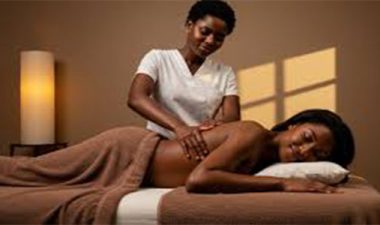
Your therapist will leave the room so you can get on the table in private. You undress to your comfort level. Most people keep underwear on, and that’s completely fine. You’ll be covered by a sheet or blanket, and the therapist uncovers only the area being worked on.
If you’re ever unsure, ask. You can also request extra draping or keep more clothing on.
4. The session starts, with pressure checks
A good therapist will check in early about pressure. Speak up fast, not at the end. Pressure should feel productive, not sharp or alarming.
Pain is not required for progress. Strong pressure can help, but “grit your teeth and survive” usually backfires.
If you want a simple safety phrase, try: “That’s too much, please go lighter.” It’s clear and easy to say. You can also guide direction: “Stay on that spot,” or “Please move on.”
5. Handling sensitive areas and consent
Some areas can feel personal, like glutes, upper inner thighs, and the chest area. Therapists have professional guidelines, but your comfort comes first. If you don’t want an area touched, say so upfront. If something feels off at any point, ask for a change or end the session.
Clear consent can sound like:
- “No glute work today.”
- “Avoid my rib area, it’s sensitive.”
- “Please don’t massage my abdomen.”
6. Wrap-up, rebooking, and checkout
At the end, you’ll get a moment to dress. The therapist may share brief aftercare tips, like gentle stretching or hydration. Then you’ll check out at the front desk, where you may be offered upgrades, a membership, or a rebooking.
Tipping norms (US): Tipping is common in the US for massage and facials, often as a percentage of the service price. If you’re unsure what’s typical at a specific clinic, it’s okay to ask at checkout in a straightforward way.
How to get the best massage Envy there (even if you have a busy schedule)
A good Massage Envy session often comes down to two things: consistency and communication. If your schedule is packed, you can still get real value by planning smarter, not by squeezing in whatever appointment happens to be open.
Book ahead, especially for evenings and weekends. Popular time slots fill up quickly. If you want a specific therapist or a specific style (like deep tissue), booking earlier helps.
Request the same therapist when you can. When one person gets to know your body, sessions improve. You spend less time explaining, and they can track what’s changing. If you loved a session, rebook before you leave.
Describe patterns, not just pain. “My neck hurts” is a start, but patterns help more. For example, say you get headaches after laptop work, or your low back tightens after long drives. That context points the therapist toward the cause, not just the symptom.
Try shorter sessions when time is tight. If your schedule can’t handle a full hour, a shorter targeted session can still help, especially for neck, shoulders, or low back. You can treat it like regular maintenance, similar to brushing your teeth instead of waiting for a dental emergency.
Plan recovery time after deep tissue. If you go very deep, you might feel sore later, especially if you’re new to bodywork. Try not to schedule a heavy workout right after, and drink water. A warm shower and light movement later can also help.
Here’s a simple script you can use at the start of your appointment. Adjust it to fit you, and keep it short:
Mini script you can say out loud
- Goal: “Today I want stress relief and less shoulder tightness.”
- Pressure: “Medium pressure overall, but lighter on my neck.”
- Focus areas: “Please spend extra time on upper back and hips.”
- Injuries or conditions: “I have a sensitive lower back from an old strain.”
- No-go zones: “No feet, and avoid deep pressure on my calves.”
- During the session: “If I go quiet, it’s because I’m relaxed, not because it’s perfect. I’ll speak up if I need a change.”
If you’re juggling a lot, treat your massage like any other appointment that supports your health. Put it on the calendar, show up early, and communicate like a teammate. That’s how a chain clinic visit can still feel personal, effective, and worth your time.
Massage Envy pricing and memberships, explained without the fine print
Massage Envy pricing can feel simple at first, until you hear words like member rate, credits, and enhancements. Here’s the plain-English version: most locations sell single appointments at a higher price, or they offer a membership where you pay a monthly fee and receive one service credit each month (usually for a 60-minute massage or facial). Members often get a lower price on extra sessions booked in the same month.
One important detail: Massage Envy is a franchise, so prices and rules can change by location. Treat anything you see online as a starting point, then confirm your local clinic’s terms before you commit.
Think of the membership like a gym for massage. It can be a smart deal if you actually go, but it can feel expensive if life gets busy and your credits pile up.
Pay-per-visit vs membership, what you really get for your money
If you want flexibility, pay-per-visit is usually the cleanest option. You book when you want, you pay the posted rate, and you’re done. That’s helpful if you travel a lot, you don’t know your schedule, or you only want massage as an occasional treat.
A Massage Envy membership is built for routine. Most plans follow a familiar structure:
- Monthly fee: You pay every month on the same date.
- One credit per month: That credit typically covers one standard service (often a 60-minute massage or facial).
- Discounted member rate: If you want an extra session, it’s usually cheaper than the non-member price.
- Rollover rules: Some locations let credits roll over, but there may be limits or conditions.
So which one actually saves money? It depends on how often you go, and whether you’ll use the perks.
Here’s an easy way to think about it using real-life habits, not perfect plans:
- Once a month person: If you know you’ll go monthly, membership tends to fit. You get predictable budgeting, and the member rate can make add-on visits less painful.
- Twice a year person: If you only go a couple times a year, pay-per-visit often wins. A membership can feel like paying for “good intentions” instead of actual appointments.
A quick comparison helps you see the trade-off:
| Scenario | Pay-per-visit | Membership |
|---|---|---|
| Budgeting | You pay more, but only when you go. | You pay monthly, even if you skip a month. |
| Best for | Occasional self-care, travel schedules, trying it out. | Routine stress relief, chronic tightness, training recovery. |
| Cost predictability | Less predictable because you decide as you go. | More predictable because it’s the same bill each month. |
| Value sweet spot | When you go a few times a year. | When you reliably go most months. |
Also, keep your eyes on the “extras.” Enhancements, add-ons, and upgrades (hot stone, aromatherapy, scalp work, special pressure tools, advanced skin care) can change the final price fast. Even if your credit covers the base service, your checkout total may rise if you say yes to upgrades.
Before choosing either option, set two things first:
- A monthly budget you can keep without stress.
- A simple health goal, like fewer headaches, better sleep, or less low back tightness.
When you know your goal, it’s easier to choose the plan that supports it. Otherwise, it’s easy to buy a membership and hope it motivates you.
Common membership rules that surprise people
Most frustration with Massage Envy memberships isn’t about the massage. It’s about the rules people didn’t realize they agreed to. These details can vary by clinic, so treat this as a list of “ask before you sign,” not a universal policy list.
Cancellation windows can catch people first. Many clinics require notice before canceling, or they charge a fee. Some also treat “late cancel” and “no show” differently. If your schedule changes often, ask how strict they are and how they enforce it.
Automatic renewal is another big one. Memberships often continue month to month until you cancel. That can be fine if you want ongoing care, but it’s a problem if you assumed it ends after a few months. The safe move is to ask, “Does this renew automatically, and how do I stop it?”
Credit rollover and expiration creates the most confusion. You might assume, “If I pay, I own the credit forever.” Many memberships do not work that way. Some locations allow credits to roll over, but:
- There may be a cap on how many credits you can hold.
- Credits may expire after a certain period.
- Credits might only be usable while your membership is active.
- A pause or cancellation might change what happens to unused credits.
Freeze or pause options can help, but they often come with conditions. Some clinics allow a temporary freeze for travel, injury, pregnancy, or financial reasons. Others limit how often you can freeze, or how long. If you expect a busy season, ask about a freeze before you need one.
Late fees and failed payments are worth asking about too. If a card expires or a payment fails, you may be charged a fee. It’s boring, but knowing the fee structure helps you avoid a surprise email and a bigger bill.
Transferring credits or using them for guests sounds simple, yet each location handles it differently. Some allow you to book a friend using your credit, others limit guest use, and some require the member to be present. If you plan to share, ask for the exact process.
The simplest way to avoid surprises is to ask for a printed summary of the main terms, then read it the same day. If the front desk can’t explain a rule clearly, pause before signing.
How to cancel or pause a membership smoothly
Canceling doesn’t need to be tense, but it does need to be organized. The goal is to leave with no confusion about notice periods, remaining credits, and final billing. Since rules vary by location, treat this as a practical playbook, not legal advice.
1. Pull up your membership agreement first
Find the document you signed and look for three items: required notice (how many days), how cancellation requests must be submitted, and what happens to unused credits. If you can’t find it, ask the clinic to print a copy.
2. Decide whether you want to cancel or freeze
If money is the issue or you’re traveling, a freeze may solve the problem with less friction. If you’re not using the service at all, cancellation is usually cleaner. Make the choice before you call, so the conversation stays short.
3. Contact the clinic the right way
Some locations accept cancellation only in person or in writing, while others accept phone requests. Ask what they require, then follow that method so there’s no “we never received it” problem.
4. Use calm, clear wording
You don’t need a long explanation. You just need a timestamped request. Here are a few polite scripts you can use:
- Cancellation: “Hi, I’d like to cancel my membership. Please tell me the exact steps and the last billing date, based on my agreement.”
- Freeze: “Hi, I’d like to pause my membership. What freeze options do you offer, and when would billing resume?”
- Credit check: “Before we finalize, can you confirm how many credits I have and how long I have to use them?”
5. Get confirmation in writing
Ask for an email or printed confirmation that includes the date you requested cancellation or freeze, plus the effective date. If they can’t email it, take a photo of any paperwork you sign.
6. Ask about remaining credits right away
Don’t assume you can use them “whenever.” Ask these questions clearly:
- “How many credits remain on my account today?”
- “Can I use them after cancellation, and until what date?”
- “Can I book appointments now for future dates using my remaining credits?”
- “Can a guest use my credits if I can’t get in?”
7. Watch for the final billing
After you cancel, keep an eye on your bank or card statement. If you see a charge you didn’t expect, contact the clinic quickly with your confirmation details and dates. Most problems are timing issues, and you fix them faster when you have the paperwork ready.
Finally, stay calm even if the staff tries to keep you. It’s okay to repeat your request and move the process along. A simple “Thanks, I understand. I still want to cancel” works better than debating.
Questions to ask the front desk before you commit
A membership can be a good deal when you understand it. Before you sign, take two minutes and ask questions that reveal the true monthly cost and the rules that affect your schedule.
Here are the questions that protect you most:
- “What is the total monthly cost after all fees and taxes?” Ask for the out-the-door number.
- “What exactly does one credit cover at this location?” Confirm the service length and whether certain services cost extra.
- “What’s the member rate for additional sessions?” This is where frequent clients often save money.
- “Do credits roll over, and is there a limit?” Ask about caps, expiration, and what happens if you pause or cancel.
- “What is the cancellation notice period?” Get the number of days and the required method (phone, email, in person).
- “Are there late-cancel or no-show fees?” Then ask how strict they are about enforcement.
- “Can I freeze the membership, and what does that cost?” Clarify how long you can freeze and how often.
- “Can I transfer credits or use them for a guest?” Confirm the exact process.
- “Which therapists specialize in what I need?” For example, deep tissue, neck and shoulders, sports work, prenatal.
- “How far out are evenings and weekends booked?” Availability matters as much as price.
- “What’s your tipping guidance here?” Policies vary, and it helps to know what’s expected.
- “If I’m unhappy with a session, how do you handle it?” Listen for a clear, respectful process.
A few red flags should make you slow down and ask for written terms:
- They can’t explain the key rules in plain language.
- You feel pressure to sign “today only.”
- They won’t provide a printed summary or a copy of the agreement before you pay.
- Answers change depending on who you ask.
If the membership still sounds right after those questions, you’re in a strong position. You’re buying with your eyes open, not hoping the fine print works out later.
Pros, cons, and how to decide if Massage Envy is right for you
Massage Envy can feel like the “reliable chain option” for massage: easy to book, familiar process, and usually priced to reward consistency. For some people, that’s exactly what makes it worth it. For others, the same setup can feel rushed, too standardized, or not specialized enough.
The real question isn’t “Is it good or bad?” It’s whether the model fits your body, your schedule, and how much control you want over the experience.
When it can be a great choice
If you want massage envy to become part of your routine, Massage Envy can make that easier. Many locations offer extended hours, which helps when you can’t sneak away mid-day. It also tends to be simpler to find an appointment on short notice, especially compared to a single-therapist studio that books out weeks ahead.
The membership structure can also work in your favor if you actually go. When you use your monthly credit most months, the math often beats paying full price each time. Besides the monthly credit, members typically get a lower rate on extra sessions, which matters if you hit a stressful season and want two visits in a month.
Another plus is choice. Since you can often book with different therapists at the same clinic, it’s easier to shop for the right fit without starting from scratch at a new business every time. That matters because massage is personal. One therapist’s “deep pressure” can feel perfect, while another’s feels like too much.
Here are a few real-life cases where the model often shines:
- Desk job neck and shoulder tension: If your upper traps feel like rocks by Thursday, monthly care can keep tension from building into headaches. Ask for focused work on neck, upper back, pecs, and jaw, then keep pressure at a level you can breathe through.
- Runners and gym regulars who need maintenance: A consistent schedule helps you stay ahead of tight calves, hips, and hamstrings. You can rotate therapists until you find someone who understands athletic recovery, not just relaxation.
- Stress management and sleep support: If your nervous system runs “on” all day, a predictable monthly appointment can become a reset button. Lighter pressure, slower pacing, and a quiet room can do more than you’d think.
On the flip side, the biggest “pro” can become a “con” if you’re not a routine person. Membership savings only feel like savings when you use them. If your calendar is chaotic, you may end up paying for credits you struggle to schedule.
The people who tend to love Massage Envy are the ones who treat massage like basic upkeep, similar to a haircut or a gym session, not a rare splurge.
When you might want a different kind of massage clinic or spa
Massage Envy works best for common goals: general tightness, stress relief, and regular body maintenance. If you need more specialized care, you may be happier elsewhere.
Start with your situation. If you’re dealing with complex injuries, nerve symptoms (numbness, tingling, shooting pain), or pain that changes your daily function, you may need a provider who works in a more clinical setup. Similarly, post-surgery care and scar tissue work often require specific training and a longer intake, plus coordination with your medical team. A franchise clinic may not be the best place for that kind of care.
You might also want another option if you prefer a long intake and a treatment plan. Some independent therapists build the whole session around assessment, movement tests, and detailed tracking. That slower pace can be a better match if you want massage to feel like structured therapy, not just a service.
Then there’s the experience factor. If your ideal visit includes a robe, steam, longer quiet time, and extra amenities, you may want a full spa day setting. Massage Envy locations are often clean and professional, but the vibe is usually more practical than luxurious.
Here’s a simple way to think about alternatives by category:
- Independent massage therapist (studio or mobile): Often best when you want a consistent therapist, a longer consult, and a more customized approach. Great if you’re picky about pressure and style.
- Physical therapy clinic (or sports medicine clinic): Best for injuries, rehab, post-surgery, or when you need exercises and progress checks along with hands-on work. If you want “fix the pattern,” start here.
- Luxury spa: Best when the atmosphere matters as much as the technique. If you want a full reset day, a spa setting usually feels more unrushed.
- Wellness center (multidisciplinary): Helpful if you want a mix, for example massage plus stretching, chiropractic, acupuncture, or guided recovery services.
Also consider your personality around subscriptions. If you dislike memberships on principle, that’s valid. Even a good massage envy can feel less satisfying when the billing model annoys you.
Safety matters here too. If you have a medical condition, take meds that affect clotting, you’re pregnant, or you have a history of injury, a careful intake is non-negotiable. Wherever you book, prioritize a therapist who asks smart questions and respects boundaries.
If you need medical-style care, don’t try to force a relaxation model to act like rehab. Pick the setting built for your problem.
How to judge quality at any location in one visit
Whether you book at Massage Envy or anywhere else, you can tell a lot in one appointment. Think of your first visit like a test drive. You’re not only judging the massage, you’re judging the system around it.
Use this quick scorecard during the session. You don’t need to be harsh, just observant.
1) Communication before the session
A quality therapist sets expectations in plain language. They ask what you want, what you don’t want, and what “deep” means to you. They also make it easy to speak up without feeling awkward.
A good sign: they offer options like, “Do you want relaxation with some focused work, or focused work the whole time?”
2) Intake questions that actually matter
Basic forms are common, but the best therapists go a step further. They ask about injuries, surgeries, pain patterns, and what makes symptoms worse. For example, “Does your shoulder pain change when you turn your neck?” is a smarter question than “Where does it hurt?”
If you came in with desk-job tension, they should ask about your work setup and daily habits. That context often explains the tightness.
3) Draping, boundaries, and professionalism
You should feel covered and respected at all times. The therapist should explain how you’ll be draped, and they should check consent for any sensitive areas. If anything feels unclear, you can say, “Please avoid that area,” and they should adjust without debate.
A red flag is any pushback when you set a boundary.
4) Pressure checks and pain communication
A skilled therapist checks in early, then pays attention to your body language. Pressure should feel like “good discomfort,” not sharp pain. If you tense up or hold your breath, it’s usually too much.
Try this simple rule: you should be able to take a slow breath while they work. If you can’t, ask for less pressure.
5) Cleanliness and basic care
Look at the room, linens, and therapist hygiene. Clean sheets, a tidy space, and washed hands should be standard. If something feels off, trust that feeling. You’re allowed to leave.
6) Time management (actual hands-on time)
Many places book sessions by the clock, but hands-on time can vary. Notice if the therapist starts late, leaves early, or spends too long talking once you’re on the table. A few minutes for intake is normal. A pattern of rushing is not.
If you care about max table time, ask at booking, “How much of the 60 minutes is hands-on?”
7) Aftercare that fits your goal
Aftercare does not need to be complicated. It should be realistic and tailored. For desk tension, that might be “drink water, take a short walk, and try gentle chest opening stretches.” For runners, it might be “easy movement today, then normal training tomorrow if you feel good.”
Over-promising is a warning sign. Massage can help a lot, but it’s not magic.
If the first visit isn’t great, you don’t have to write off the whole clinic. Switching therapists is often the fastest fix, especially at a place like Massage Envy where styles vary. When you rebook, be specific: “I want medium pressure, slow pace, and focused neck and shoulders.”
Finally, trust your gut. Comfort and safety are part of quality, not extras.
A simple decision guide (use this before you sign up):
- How often will you really go? If it’s monthly or more, membership may make sense. If it’s occasional, pay-per-visit is usually safer.
- What’s your main goal? Stress relief and general tension fit well. Complex rehab needs a more clinical setting.
- Do you want variety or one therapist? If you want one consistent provider, an independent studio may fit better. If you like options, a franchise can work.
- Does the first visit pass the scorecard? If communication, boundaries, cleanliness, and pressure checks aren’t solid, don’t commit.
- Are you okay with the membership rules? If the cancellation, rollover, or scheduling limits feel stressful, choose a simpler model.
Pick the option that makes it easiest to show up, speak up, and leave feeling better than when you walked in.
If you are in Nairobi, here is a calm alternative to consider
If you searched Massage Envy while living in Kenya or visiting Nairobi, you’re not alone. The catch is simple: Massage Envy is mainly a US brand, so the easiest way to get a similar experience here is to choose a local spa that offers the same basics, clear options, and consistent care.
In Nairobi, a calm option many people like is Happiness Massage & SPA in Kilimani (Jade Residency, Kindaruma). The vibe is quiet and spa-like, and the service menu matches the reasons people book Massage Envy in the first place: stress relief, muscle tension, better sleep, and that “reset” feeling after a long week.
Massage styles that match what many people want from Massage Envy
Most people don’t need a complicated menu. They want the right pressure, the right pace, and a therapist who understands what “my shoulders are always tight” really means. Here are massage envy styles commonly available locally (including at Happiness Massage & SPA) and what each one feels like in plain terms.
To make it easy, use this quick match-up:
| What you want | What to book | What it feels like | Good fit for |
|---|---|---|---|
| Stress relief and a calmer mind | Swedish massage | Long, smooth strokes, steady rhythm, gentle to medium pressure | First-timers, anxious weeks, light tension |
| Stubborn knots (neck, shoulders, upper back) | Deeper, focused work (often requested within a session) | Slow pressure on tight spots, “hurts so good” if kept in your comfort zone | Desk workers, frequent tension headaches, gym soreness |
| Deep relaxation plus warmth | Hot stone massage | Warm stones soften muscles fast, pressure feels easier to tolerate | People who feel “tight everywhere,” anyone who runs cold |
| Calm mood and better sleep | Aromatherapy massage | Like Swedish, plus soothing scent that supports relaxation | Stress, poor sleep, mental fatigue (avoid if sensitive to scent) |
| Nourishing, cozy body feel | Hot oil massage | Warm oil, smooth glide, comforting pressure | Dry skin, stress relief, people who dislike “grabby” friction |
A few simple notes help you choose well:
- Swedish is the “start here” choice. If you want to leave feeling lighter and calmer, this usually delivers.
- Focused knot work should feel productive, not punishing. If you’re bracing or holding your breath, it’s too much.
- Hot stone often works better than expected for people who say deep tissue feels intense. Heat lets the therapist do less force and get more release.
- Aromatherapy can be amazing, but only when you like the scent. If perfumes trigger headaches, ask for unscented oils.
The best massage style is the one you can relax into. If you can’t relax, your muscles won’t let go.
How to choose a therapist and plan your first visit so it feels worth it
A massage envy can feel “okay” when you wing it. It feels worth it when you show up with a simple plan. You don’t need a speech, just a few clear details so the therapist can work like a partner, not a mind reader.
Before you book, do a quick check-in with yourself. Ask, “What’s the one thing I want to feel different after this?”
Here’s a practical pre-book checklist you can use in a notes app:
- Pain areas (and patterns): “Right shoulder tight from laptop work,” or “low back stiff after long drives.”
- Preferred pressure: Light, medium, firm, or “start medium, then go deeper slowly.”
- Allergies and sensitivities: Oils, lotions, or strong scents (also mention asthma if fragrance affects you).
- Injuries and medical issues: Old strains, slipped discs, recent surgeries, nerve symptoms, or anything that changes what’s safe.
- Pregnancy: Mention how far along you are so they can position you correctly and avoid certain techniques.
- Your outcome: Relaxation, fewer knots, better sleep, or feeling looser before an event.
Small planning details also change the whole experience:
- Arrive a bit early so you’re not rushing in with your shoulders up to your ears.
- Hydrate before and after, especially if you’re getting firm pressure.
- Schedule it when you can rest after. Even 30 minutes of calm time helps the benefits last longer.
If you want the session to feel more personal, say one extra sentence during the consult: “Please tell me what you’re doing and why, but keep the room quiet after that.” Some people like chatter, others want silence. It’s your hour.
You’re allowed to ask for changes mid-session. Adjusting pressure isn’t “complaining,” it’s how you get results.
Simple ways to make massage a habit without locking into a contract
One reason people like Massage Envy is the routine. Still, you can build the same habit in Nairobi without signing a long membership or feeling stuck. The trick is to pick a rhythm you’ll keep even when life gets busy.
Here are three realistic routines that work for most schedules:
1) The monthly reset (simple and sustainable)
Book one session every 4 weeks, preferably on a quieter day. This suits general stress, mild tightness, and anyone who wants prevention, not crisis mode.
2) Desk-worker maintenance (targeted and practical)
If you sit a lot, plan a session every 2 to 4 weeks during heavy work periods. Keep the focus consistent (neck, shoulders, upper back, forearms, hips). Your body responds better when the therapist repeats a smart plan instead of guessing each visit.
3) Stress-week strategy (as needed, not random)
When work spikes, travel hits, or sleep gets messy, schedule one session that week, then return to your normal rhythm. Think of it like servicing a car before the warning light turns into a breakdown.
Budgeting helps it stay consistent. A few easy approaches:
- Set a massage line in your monthly budget, the same way you would for gym or transport.
- Book ahead when you get paid, then you don’t spend the money elsewhere.
- Choose add-ons on purpose. Hot stone or aromatherapy is great, but you don’t need extras every time.
To make sure you’re improving (not just enjoying one good day), evaluate your progress over three sessions. After each visit, rate these on a simple 1 to 10 scale: sleep quality, pain level in your main problem area, and how your body feels at your desk or after walking. If numbers don’t move by session three, change one thing: pressure, focus area, or therapist.
Consistency beats intensity. A steady, calming routine in Kilimani can do the same job people hope for from Massage Envy, just without the contract pressure.
Conclusion
Massage Envy can work well when you treat it like routine care, not a once-in-a-while splurge. The best outcomes come from understanding the membership terms before you commit, asking clear questions about credits and cancellation rules, and speaking up about pressure, boundaries, and goals. In the end, the “right” choice is the one that supports consistency without adding stress to your budget or schedule.
Quick decision checklist (screenshot this):
- I’ll realistically go at least once a month, or I’ll skip the membership.
- I know what one credit covers, plus any add-on costs I might want.
- I asked about rollover limits, expiration, and the exact cancel or freeze steps.
- I’m willing to switch therapists until I find the right fit.
- I can clearly say what I want (pressure, focus areas, no-go zones).
Thanks for reading, if you want help deciding, start with one session and treat it like a test drive. If Massage Envy isn’t available near you (or you want a calmer local option), book with a trusted spa in your area and bring the same plan and questions, your body will notice the difference.