Long day on your feet can leave you sore, restless, and cranky. If you stand for work, walk a lot, drive for hours, or chase kids from morning to night, your feet take the hit first. A Foot Massager can be a simple way to unwind when you can’t book a full session or you just want comfort at home.
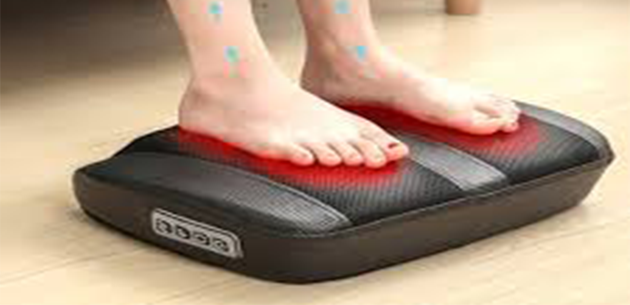
In plain terms, a foot massager is a device (or manual tool) that uses pressure, rolling nodes, vibration, heat, or air compression to massage the soles, heels, and sometimes the calves. It’s made for relaxation and short-term relief from everyday aches, stiffness, and tired feet. It won’t fix every medical issue, but it can help you feel better after a long shift or a hard workout.
This guide is for anyone who wants that end-of-day reset, including office workers who sit all day, runners who log miles, parents who rarely get a break, and older adults who want gentler comfort. You’ll learn the main types of foot massagers, what features matter (and what’s just noise), plus how to choose one that fits your body, budget, and routine.
You’ll also get clear safety tips, including when to skip a massage, how long to use it, and what sensations are normal. Finally, we’ll cover the signs it’s time to talk to a clinician instead of pushing through pain, so you can relax with confidence.
How a foot massager works, and why it feels so good
A Foot Massager feels good for the same reason a good stretch feels good. It changes how your feet and lower legs sense pressure, tension, and fatigue. When you stand, walk, or run, the small muscles under your feet work nonstop. Your arches act like springs, your heels absorb impact, and your calves help control every step. By the end of the day, those tissues can feel tight, achy, or simply “overused.”
Most foot massagers use a mix of pressure, rolling, warmth, vibration, and gentle squeezing. Each method targets discomfort in a slightly different way. Some people love deep kneading, while others prefer a softer, calming setting. The best choice often comes down to what sensation helps your body let go.
The basics: pressure, heat, vibration, and compression
Pressure (kneading and rolling nodes) is the core of many machines. Inside the unit, small rotating “nodes” push into the sole, then move along the arch and heel. It can feel like a thumb pressing and circling, or like knuckles working a tight spot. That pressure helps loosen tired soft tissue, especially if your arches feel ropey after a run or your heels ache after a shift on concrete floors. If you wear heels often, pressure can be a relief because it works through that “ball of foot” soreness that builds up over time.
The sensation should feel strong but not sharp. A good sign is a “hurts so good” feeling that eases after the first minute. If it feels like a bruise getting poked, the intensity is too high, or the nodes hit the wrong spot for your foot shape.
Heat adds a steady, comforting warmth, usually mild to moderate. It feels like a warm towel around your feet. Heat tends to help when stiffness is the main problem, like first steps in the evening, or tight arches after sitting all day. Many people also find warmth calming because it encourages your whole body to relax, not just your feet.
Heat works well when paired with kneading because warm tissue often “gives” a little easier. Still, it’s not meant to feel hot. If you have reduced sensation in your feet, use extra caution with heat settings.
Vibration creates a buzzing, humming sensation that spreads through the foot. It doesn’t dig in like kneading. Instead, it’s more like turning down the volume on discomfort, especially when your feet feel jumpy or restless at night. After a long drive or a desk day, vibration can feel surprisingly soothing because it wakes up sleepy feet without intense pressure.
Some devices use vibration alone, while others combine it with rolling. If you’re sensitive, start with vibration on low, then add pressure later.
Air compression (gentle squeezing) uses inflatable airbags to hug the sides, top, and sometimes the ankle area. It feels like a firm, rhythmic squeeze and release, similar to a blood pressure cuff but gentler and more comfortable when designed well. Compression can be a favorite for tired calves and heavy-feeling feet because it creates a “reset” feeling, especially after walking a lot or standing all day.
This method is usually less pokey than kneading. If rolling nodes feel too intense on your arches, compression can still give relief without hitting tender points.
Here’s a simple way to match the method to what you feel:
- Tight arches: rolling nodes plus light heat often feels best.
- Sore heels: moderate kneading with careful positioning helps, avoid overly aggressive pressure.
- Tired calves and ankle fatigue: air compression (and calf coverage, if the unit has it) can feel amazing.
- All-over “my feet are done” fatigue: vibration plus warmth is often the gentlest option.
If the first minute feels too intense, don’t assume the product is “strong.” Many times, you just need a lower setting, socks, or a different foot position.
Reflexology versus simple massage: what’s real and what’s marketing
Some Foot Massager brands talk about reflexology, the idea that specific points on the foot connect to organs and body systems. Reflexology sessions can feel relaxing, and targeted pressure points may create a noticeable release. However, strong claims like “healing” internal organs or treating disease go beyond what a typical home device can prove.
What’s more grounded is the benefit of simple foot massage. Your feet have lots of nerve endings and small muscles, so touch and pressure can feel deeply calming. In other words, you don’t need a special map of the foot for massage to help. Relaxation, lower perceived stress, and less muscle tension are common, regardless of whether you call it reflexology.
A fair way to think about it:
- Reflexology-style features (targeted nodes, “pressure point” layouts) may feel great if they match your foot shape and sensitivity.
- General massage benefits are easier to count on, like easing tight tissue, improving comfort after standing, and helping you wind down at night.
If reflexology language appeals to you, that’s fine. Just keep your expectations realistic. Choose a device based on how it feels on your arch, heel, and forefoot, not on promises that sound medical.
What benefits you can realistically expect (and how fast)
Most people notice a change quickly, but it’s usually about comfort, not a permanent fix. Think of it like brushing out a knot in a shoelace. The knot loosens, the lace moves better, but you still need to avoid yanking it tight again.
Here are realistic outcomes you can expect from a Foot Massager:
- Temporary pain relief: soreness often eases right after a session, especially if it came from standing, walking, or training.
- Less stiffness: feet can feel more flexible, and your first steps after resting may feel smoother.
- Better relaxation and sleep: many people get sleepy afterward, especially with heat and gentle compression.
- Reduced perceived stress: the body often shifts into a calmer state when the feet relax.
- Better comfort when standing: you may feel “lighter” on your feet for a few hours, sometimes longer with regular use.
How fast does it work? Relaxation can be almost immediate, within the first few minutes. For stubborn tightness, consistency matters more than intensity. Short, regular sessions often beat one long, intense session that leaves you tender the next day.
A practical timeline many people report:
- Right away: warmth, calm, and less “buzzing” fatigue in the feet.
- After several sessions in a week: less end-of-day stiffness, and fewer hot spots in the arch or heel.
- With ongoing use: better day-to-day comfort, especially if you also wear supportive shoes and manage training load.
What about swelling and circulation? Compression and massage can make feet feel less puffy, and many people say their legs feel lighter. Still, if you have diabetes with reduced sensation, blood clots, severe varicose veins, open sores, or a recent injury, talk to a clinician before using strong compression or heat. Comfort should never come with numbness, sharp pain, or increased swelling afterward.
Choosing the right foot massager for your needs and budget
Buying a Foot Massager gets easier when you treat it like buying shoes. The “best” one isn’t the priciest, it’s the one that fits your feet, your sensitivity, and how you plan to use it. Start with the style (how it massages), then narrow it down by features, then sanity-check safety and build quality.
If you only remember one thing, remember this: comfort beats intensity. A massager you can use often will help more than a strong machine you avoid after two painful sessions.
Pick a style: shiatsu rollers, air compression boots, vibration plates, or manual tools
Each style creates a different kind of relief. Some feel like thumbs working your arches, while others feel like a steady squeeze. Use this quick breakdown to match the feel, cost, and practicality to your routine.
| Type | What it feels like | Typical price range | Noise level | Best for | Portability and storage |
|---|---|---|---|---|---|
| Shiatsu roller machines (rotating nodes) | Deep kneading, rolling pressure under the sole, often with heat | Mid to high | Medium, motor plus node rotation | Tight arches, “worked” feet after standing, people who like firm pressure | Bulky, best left near a sofa or bed |
| Air compression units (compression-only or with light rollers) | Gentle to firm squeezing on sides and top of foot, sometimes ankle or calf | Mid to high | Low to medium, pump sound | Swelling, heavy legs, people who dislike pokey nodes | Some are bulky, boot styles need closet space |
| Vibration platforms (flat plates) | Whole-foot buzzing, sometimes with mild heat | Low to mid | Low to medium, a steady hum | Sensitive feet, restless legs at night, “awake my feet” comfort | Slim and easy to slide under a chair |
| Manual rollers or massage balls | Targeted pressure where you place your weight | Very low | Silent | Plantar fascia tightness, spot work, travel, budget buys | Pocketable to small, easy to store anywhere |
Shiatsu roller machines (rotating nodes).
These are the classic “put your feet in and sink into the couch” devices. Inside, rotating nodes travel along the sole and push into the arch and heel. When it’s a good match, it feels like a strong hand massage. When it’s a bad match, the nodes can land on tender spots and feel too sharp.
Most shiatsu models take more space. They also tend to weigh more, so you won’t want to carry them around daily. Noise is usually moderate. You’ll hear the motor and the node movement, especially on higher settings. If you share a space, look for a quieter motor and a softer liner to reduce rattling.
Air compression units (gentle squeezing).
Compression-only devices don’t “dig in.” Instead, airbags inflate and deflate to hug your foot. That makes them a smart choice if you want relief but hate the feeling of hard nodes pressing into your arch. They also suit people whose feet feel puffy after a long day, because the squeeze-release pattern can feel like a reset.
Some models include calves, which is great if your lower legs carry tension. The tradeoff is storage. Boots take up room and feel less casual to use. Noise is usually lower than shiatsu, but you may hear the pump cycle.
Vibration plates (whole-foot buzzing).
A vibration platform is the gentlest “entry point” for many people. You place your feet on a flat surface, then the plate creates a steady buzz through the soles. The sensation spreads out, so it doesn’t hunt for one painful spot. That can be comforting if your feet feel restless, overly sensitive, or just tired in a dull way.
These are often slim and simple to store. Slide one under a chair, desk, or bed. The downside is depth. If you want that deep-kneading feeling, vibration alone may feel too mild.
Manual tools (rollers and balls).
A basic roller or ball can do a lot, as long as you use it well. You control the pressure by shifting your weight. That control is the big benefit. You can stay gentle on sore days, then press deeper when your feet feel sturdy.
Manual tools are silent, cheap, and travel-friendly. They also store easily. Still, they require effort. If you’re too tired to “do the work,” a plug-in Foot Massager will get used more.
A simple test helps: if you want to relax while it runs, pick electric. If you like control and spot work, start with manual.
Features that matter most (and the ones you can skip)
Once you pick a style, features decide whether the massager feels soothing or annoying. Many boxes scream “strong,” but strong isn’t always safe, and it isn’t always effective. The goal is a setting you can repeat without feeling bruised tomorrow.
Heat (and heat levels).
Heat should feel like a warm towel, not a heating pad turned up too high. If a device offers multiple heat levels, that’s a real advantage. On warm days or sensitive nights, you’ll want lower heat. If you have reduced sensation in your feet, choose mild heat or skip heat entirely.
Intensity settings that actually change the feel.
Look for more than a token “low/high.” A good Foot Massager offers intensity changes you can feel, either by slowing the nodes, changing compression strength, or adjusting vibration strength. That matters because your feet change day to day. What feels good after a run can feel like too much after a long shift.
Timer and auto shutoff.
This is a safety feature, not a bonus. Most people do best with short sessions. A timer keeps you from overdoing it while scrolling your phone. Auto shutoff also protects the motor from overheating and protects you from staying in strong pressure too long.
Washable liners and easy cleaning.
Feet sweat. Oils and lotions happen. If the liner is removable and washable, your massager stays fresh and lasts longer. If it isn’t washable, check that you can wipe the foot chamber easily without soaking electronics.
Tilt angle and foot position.
A slight tilt can make a big comfort difference. When your ankle sits at a better angle, the nodes hit the arch more evenly. With vibration plates, tilt can reduce strain on ankles and knees. If you’re shorter or taller than average, adjustability helps you find a natural position.
Remote control (nice, not required).
A remote is useful if the buttons are hard to reach, especially on floor units. It’s also helpful for older adults or anyone with back stiffness. That said, a simple onboard control panel is fine if it’s easy to use and clearly labeled.
Foot size limits (don’t ignore them).
Foot chambers vary a lot. If the chamber is too small, your toes cram and the massage points hit the wrong places. If it’s too large, your foot slides and you lose targeted contact. Check sizing notes before buying, especially if you wear a larger shoe size or have wider feet.
Why “stronger” isn’t always better.
Pressure is like hot sauce. A little can be perfect, but too much ruins the meal. Overly strong kneading can leave you tender, trigger cramping, or make you avoid using the device. For sensitive feet, strong pressure can also feel sharp instead of helpful.
A better target is strong-but-comfortable, where you can breathe normally and your foot relaxes instead of bracing. If you find yourself tensing your toes or holding your breath, the setting is too high.
Here’s a quick checklist you can run before you buy:
- Does this style match what I enjoy (kneading, squeezing, buzzing, or manual)?
- Can I adjust intensity enough for sore days?
- Is there a timer and auto shutoff?
- Will my foot size fit comfortably without squeezing toes?
- Is it easy to clean (washable liner or wipeable interior)?
- Will I actually store it where I’ll use it (not in a box in a closet)?
- Is the noise level OK for my home and schedule?
Match the foot massager to your specific problem
“Foot pain” is a broad label. Heel pain feels different from swelling, and neuropathy sensitivity needs a different approach than athlete tightness. Use these mini-guides to get a better match on the first try.
Plantar fasciitis-style heel pain (especially first steps or sore heel).
A good choice: a manual ball or roller for controlled arch work, or a shiatsu machine with adjustable intensity and a softer liner. Start gentle, because the heel area can get angry fast. Many people do well with short sessions and socks to soften contact.
Avoid if: the device has aggressive nodes you can’t tone down, or it forces direct pressure on one sore heel spot. If it makes heel pain flare afterward, it’s too much.
High arches (tight arch band, “ropey” feeling under the foot).
A good choice: shiatsu rollers with medium intensity, because they can follow the arch and ease that tight band. Heat can help if stiffness is the main issue. Manual rollers also work well because you can stay on the arch without jamming the heel.
Avoid if: the nodes are very small and hard, since they can feel pokey on a high arch. Also skip one-size-only chambers if your arch rides above the massage path.
Flat feet (achy arches, tired ankles, general foot fatigue).
A good choice: air compression for a calming squeeze, plus light kneading if it doesn’t feel sharp. Vibration can also help if your feet feel “done” but not sore in one specific spot. The goal is comfort and circulation-like relief, not beating up the arch.
Avoid if: the machine forces deep point pressure into the midfoot. Flat feet can already feel strained there, so aggressive nodes may feel like a bruise.
Neuropathy sensitivity (numbness, tingling, burning, or reduced feeling).
A good choice: gentle compression or low vibration with mild or no heat. You want a soft, even sensation that doesn’t risk irritation. A timer matters here, because it’s easier to overdo it when you can’t feel pressure clearly.
Avoid if: the device has high heat you can’t control, sharp kneading, or a reputation for running hot. Also be cautious with very strong compression, especially if swelling changes quickly.
If sensation is reduced, choose comfort-first settings and keep sessions short. When in doubt, check with a clinician.
Post-work swelling (puffy feet, heavy ankles after standing or travel).
A good choice: air compression boots or a foot-and-calf compression unit. The squeeze-release pattern often feels like draining “heavy” legs. If you can elevate your legs while using it, that comfort can improve.
Avoid if: you suspect a clot, have sudden one-sided swelling, or pain with redness and warmth. In those cases, skip massage and get medical advice.
Athletes with tight calves (running, gym, field sports).
A good choice: a unit that includes calf compression or a combined foot-and-calf design. Calf tightness often drives foot tension, so it helps to address both. If you choose shiatsu, pair it with a gentler setting and use it after training, not right before explosive workouts.
Avoid if: you want “more pressure” and pick the harshest nodes available. Athletes already load tissues hard, so recovery tools should help you relax, not leave you sore.
People who hate intense pressure (ticklish, sensitive, or just not into pain).
A good choice: vibration plates, compression-only, or a shiatsu model known for softer kneading and wide intensity range. Socks can make a surprising difference, because they reduce sharp friction and soften edges.
Avoid if: the product’s only selling point is “deep tissue” with limited settings. If you can’t control intensity, you’ll probably stop using it.
How to tell if a product is safe and well made
A Foot Massager is a device that presses, squeezes, and heats. Quality matters, because poor design can mean discomfort, overheating, or a short lifespan. Before you buy, look for signs that it’s built to handle real use.
Start with stability and comfort.
A safe unit sits firmly on the floor and doesn’t walk forward during use. Non-slip feet and a wide base help a lot. Inside the chamber, your foot should sit naturally without forced bending at the ankle. If the opening feels sharp at the edge or the chamber squeezes the top of your foot, it’s not a good design.
Clear instructions matter more than people think.
Good brands explain session length, heat use, and who should avoid strong pressure. If the manual is vague or missing basic safety notes, treat that as a warning sign. You shouldn’t have to guess how long to run it.
Warranty and returns are part of safety.
A reliable warranty usually signals better manufacturing, and a return window protects you if the feel is wrong for your feet. Fit and comfort are personal, so returns matter as much as features.
Cleaning should be simple.
A removable, washable liner is ideal. If the liner is fixed, the interior should wipe clean without awkward seams that trap sweat. Easy cleaning helps avoid smells, and it also makes you more likely to use the massager regularly.
Overheating protection should be standard.
Look for auto shutoff, reasonable heat levels, and a device that doesn’t get hotter as the session goes on. If a product gets noticeably hotter over time, skip it.
Pay attention to red flags in reviews, because they tend to show up early:
- Burning smell or hot plastic scent, especially in the first few uses.
- Bruising or lingering soreness, even on low settings.
- Loud grinding, clicking, or uneven node movement, which can hint at poor motor alignment.
- Weak seams or tearing fabric inside the foot chamber.
- Buttons that fail, or a remote that only works sometimes.
If you want one simple rule, use this: a well-made massager feels smooth, steady, and predictable. Anything that feels jerky, overly hot, or painful on “low” is a skip.
How to use a foot massager safely, and get better results
A Foot Massager should feel like a warm shower after a long day, soothing, steady, and easy to repeat. The best results usually come from short, consistent sessions, not maximum intensity. When you use it with a simple routine and a few stretches, you can get comfort that lasts longer, without waking up tender the next day.
Your goal is simple: relax the feet, calm the calves, and help your body recover. Keep the pressure in the “pleasantly strong” zone, where you can breathe normally and your toes stay relaxed.
A good session leaves you looser and calmer. A bad one leaves you sore, numb, or limping.
A simple routine for beginners: start gentle, then build up
If you’re new to a Foot Massager, treat the first week like breaking in new shoes. You’re teaching your feet to accept pressure without bracing. That’s why low intensity, short sessions, and a slow ramp-up work so well.
Before you start, do two quick checks:
- Look at your skin: skip the session if you have cuts, blisters, or irritated spots that could get worse.
- Do a sensation test: press your thumb into your arch and heel. If you can’t feel it well, keep everything extra gentle and consider medical advice first.
Here’s a step-by-step first week plan that fits most people.
Days 1 to 2: get comfortable (10 minutes, low intensity)
- Sit in a supportive chair, feet flat, shoulders down.
- Start with the lowest setting. If the device has heat, leave it off at first.
- Keep your feet lightly placed, don’t push down hard.
- Wear thin socks if you’re sensitive or ticklish.
- Stop right away if you feel sharp pain, tingling that ramps up, or numbness.
Those first sessions should feel mild. Think “calming” instead of “deep tissue.”
Days 3 to 4: add a little more (10 to 12 minutes)
- Keep the intensity low, then increase by one step only if you stayed comfortable before.
- Try heat on the lowest heat level for the second half of the session.
- Reposition your feet once or twice so the pressure spreads out (small shifts can prevent one sore spot).
Afterward, stand up slowly. If the soles feel “overworked,” you did too much.
Days 5 to 7: build tolerance (12 to 15 minutes)
- Choose one change at a time: either slightly higher intensity or slightly longer time, not both.
- If the device has compression, keep it gentle. Your foot should never feel trapped.
- Use socks if the massage still feels pokey, then go without socks later if you want more contact.
By the end of the week, you should know your sweet spot. Most people land on a setting that feels strong, but still relaxing.
How to adjust intensity, pressure, and heat (without guessing)
Small changes make a big difference, so use these simple rules:
- Intensity (the machine setting): Increase only when your body stays relaxed. If your toes curl or you hold your breath, turn it down.
- Pressure (how much you press into it): Let the machine do the work. Extra body weight can turn a good setting into “too much” fast.
- Heat: Use heat when you feel stiff, or when you want a more relaxing session. Skip heat if your feet feel hot, swollen, or irritated.
If you’re sore the next day, that’s feedback. Drop intensity, shorten the session, or use socks.
Frequency, hydration, and rest after longer sessions
For most people, 3 to 5 sessions per week works well. Daily use can be fine if you keep intensity low and the time short. On the other hand, one long session on high often backfires.
Hydration also matters more than people expect. Massage can leave you feeling loose but tired, like you just got out of a hot bath. Drink water afterward, especially if you used heat.
Finally, give your feet a short recovery window:
- Wait at least 10 to 15 minutes before a long walk or workout.
- After a longer session, elevate your feet for a few minutes if they feel heavy.
- If a session leaves you tender, take a rest day and restart at a gentler level.
Do this before and after: quick stretches and self-care that pair well
A Foot Massager can relax tissue, but stretching helps keep it that way. Think of massage like softening clay, then stretching like shaping it. The combo often feels better than either one alone.
Use these moves around your session:
- Before: keep it light, 1 to 2 minutes total, just to warm up.
- After: hold stretches a little longer, because your feet and calves are already relaxed.
Easy stretches and simple add-ons (3 to 5 minutes)
1) Calf stretch at the wall (for tight calves that tug on the heel)
Stand facing a wall. Put one foot back, heel down, knee straight. Lean forward until you feel a stretch in the calf. Hold 20 to 30 seconds each side. If you feel it behind the knee, bend the back knee slightly to shift the stretch lower.
2) Towel stretch (gentle for morning stiffness or sore arches)
Sit with one leg extended. Loop a towel around the ball of your foot and pull gently until you feel a stretch under the foot and in the calf. Hold 20 to 30 seconds. Keep it mild, you’re not trying to force anything.
3) Toe curls (to wake up the small foot muscles)
Barefoot, place a small towel on the floor. Scrunch it toward you using your toes. Do 8 to 12 slow curls per foot. If you cramp, do fewer reps and relax the toes between curls.
4) Roll a ball under the arch (for targeted relief without a hard machine)
Use a tennis ball or a massage ball. Roll slowly from heel toward the ball of the foot, then back again. Pause on tight spots for 10 to 15 seconds, but stay under your pain limit. This is a great alternative on days when a Foot Massager feels too intense.
5) Ankle circles (for stiff ankles and a “heavy feet” feeling)
Lift one foot and draw circles with your toes, 10 circles each direction. Keep the movement smooth. Repeat on the other side.
A quick tip: if you have plantar fascia tightness, stretch the calves and arches consistently. The foot and calf work as a unit, like two ends of the same rope.
Ice or heat: simple rules that prevent flare-ups
Heat feels great, but it’s not always the best choice. Use this general guidance:
- Choose heat when you feel stiff, tight, or cold, and you want relaxation. Warmth often pairs well with gentle kneading or compression.
- Choose ice when an area feels irritated, tender, or slightly inflamed after activity (for example, a sore heel after a long day). Keep icing short, about 10 minutes, with a cloth barrier.
If swelling increases after heat, switch to a cooler approach next time and keep sessions shorter.
Make results last longer with supportive shoes or insoles
A Foot Massager can ease the “today” problem, but footwear affects the “tomorrow” problem. If you step right back into thin, unsupportive shoes, your arches may tighten up again fast.
To extend the benefits:
- Wear supportive shoes at home instead of going barefoot on hard floors all day.
- Consider insoles if your arches collapse, or if your work shoes have poor cushioning.
- Replace worn-out shoes. When the sole gets tired, your feet do extra work.
This doesn’t need to be complicated. Even one small upgrade, like a supportive indoor sandal, can help your massage results stick.
When a foot massager is not a good idea
Most people can use a Foot Massager safely, especially on gentle settings. Still, there are times when massage and heat are the wrong tool. The goal is to avoid making a hidden problem worse, or irritating skin that needs to heal.
Skip using a foot massager, or get medical guidance first, if any of these apply:
- Diabetes with reduced feeling: You may not notice excessive heat or pressure soon enough.
- Nerve damage or neuropathy (numbness, tingling, burning): Strong massage can irritate sensitive nerves.
- Open sores, ulcers, rashes, or infections: Massage can break skin further or spread irritation.
- Recent foot or ankle surgery: Healing tissues need a clinician’s green light.
- Suspected or known fractures or severe sprains: Pressure can delay healing.
- Severe varicose veins or vein pain: Compression and kneading may be risky.
- Blood clot risk (or a history of clots): Massage and compression can be unsafe without medical advice.
- Pregnancy with new or unusual swelling: Swelling has many causes, so it’s worth checking first.
- Anyone on blood thinners: You may bruise more easily, even with moderate pressure.
None of this is meant to scare you. It’s simply about picking the right kind of care at the right time. If you’re unsure, a quick call to a clinician can save you weeks of irritation.
When to see a professional instead of DIY massage
Home massage is great for everyday tightness. Persistent pain needs a smarter plan. If a problem keeps coming back, it usually means something else drives it, such as training load, footwear, a tendon issue, nerve irritation, or how you walk.
Consider professional help if you notice any of these:
- Pain lasting more than 2 to 3 weeks, even if it comes and goes
- Numbness or loss of normal sensation
- Burning pain that feels electric or sharp
- Sudden swelling, especially if it appears quickly
- One-sided swelling (one foot or one calf looks bigger)
- Fever, redness, warmth, or a skin area that looks infected
- Inability to bear weight or pain that changes your walking
A qualified therapist or clinician can do more than “massage harder.” They can assess the area, check movement, and look for patterns. In addition, they can use targeted techniques for the calf, Achilles, and plantar fascia, then show you stretches and load changes that fit your routine.
If you’ve been using a Foot Massager consistently and the discomfort keeps returning, book a session and bring details. Tell them what setting you use, where it hurts, and what makes it better or worse. That kind of info speeds up the fix.
Conclusion
A Foot Massager works best when you keep it simple. First, pick the type that matches the feeling you like, kneading rollers for deep pressure, air compression for a steady squeeze, vibration for gentle calm, or a manual roller for full control. Next, focus on features that protect comfort, a real intensity range, mild heat you can switch off, plus a timer and auto shutoff.
Just as important, use it in a safe, repeatable way. Short sessions, steady habits, and a setting that lets your feet relax beat max power every time. If you have numbness, open skin, sudden swelling, or pain that sticks around, skip the machine and get advice from a clinician or therapist.
Now take one small next step: compare two styles that fit your needs, set a 10-minute evening routine for the next week, or book a professional session if the pain keeps coming back. Thanks for reading, what kind of relief are you looking for most, deep pressure, gentle squeeze, or simple comfort?