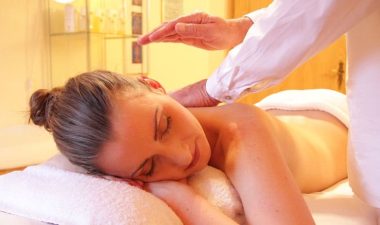
Looking for a Massage Therapist in Kilimani can feel simple until you’re the one lying on the table, hoping for real relief. The right hands can ease tight shoulders from desk work, calm anxiety, and help you sleep better. The wrong choice can leave you sore, bruised, or still stuck with the same pain.
That’s why picking the right therapist matters. Skill, pressure control, clean practice, and clear communication all affect your safety and results, especially if you have lower back pain, old injuries, or you’re recovering from tough gym sessions. Even stress massage should feel supportive, not rushed or painful.
This guide breaks down how to spot real training versus hype, so you can book with confidence. You’ll also learn which massage styles fit different goals, from deep tension release to a gentler reset, plus what a first session usually feels like so there are no surprises.
Finally, you’ll get simple tips to make every visit work harder for you, including what to say during intake, how to give feedback on pressure, and what to do after your appointment. If you want your next massage to do more than feel good for an hour, you’re in the right place.
What a Massage Therapist Actually Does (and what they should never do)
A good Massage Therapist does more than “work out knots.” They assess what you need, check for risks, then use hands-on techniques to help muscles and soft tissue relax and move better. They also adjust the session in real time, because your body changes minute to minute.
Just as important, a massage therapist stays in their lane. They can’t diagnose medical conditions, replace a doctor, or promise to “fix” an injury on the spot. What they can do is support recovery, reduce muscle tension, improve comfort, and help you feel safer in your body, especially when you’re dealing with stress, desk posture, or training soreness.
Professional boundaries matter here. Ethics, consent, and clear draping are not “extra,” they’re the baseline. When those basics are strong, you can relax and actually benefit from the session.
The best sessions feel like teamwork: your therapist brings skill, you bring feedback, and the plan adjusts as you go.
The skills that matter most: assessment, technique, and communication
A strong therapist starts before the first stroke. They ask a few focused questions, not to be nosy, but to protect you and get better results. Expect questions about your goal (pain relief, stress, mobility, recovery), your daily routine, and anything that changes what’s safe (recent surgery, pregnancy, blood thinners, nerve symptoms, or a new injury).
Next comes a simple assessment. That might look like checking how your neck turns, noticing shoulder height, or gently pressing around a problem area to map out what’s tender and what feels “stuck.” It’s a bit like a mechanic listening to an engine before picking up a tool. A good therapist doesn’t guess, they gather clues first.
After that, they explain the plan in plain language. You should hear something like: “I’ll start lighter to warm the tissue, then do deeper work around the upper traps and chest, and we’ll finish with slower strokes to calm the area.” That tells you what to expect, and it gives you a chance to say yes or no.
Technique matters, but control matters more. Skilled hands change pressure without losing flow. They use different approaches depending on your needs, for example:
- Relaxation work to calm the nervous system and ease general tension.
- Deep tissue or focused work to address stubborn tight spots (done gradually, not aggressively).
- Trigger point-style pressure in short doses, with breathing and breaks.
- Sports-focused work to support training, range of motion, and recovery.
Still, the biggest difference you’ll notice is communication during the session. A professional checks in at the right times, then stays quiet enough for you to relax. Simple examples of good communication include:
- “How’s the pressure, light, medium, or deep?”
- “Tell me if this feels like good discomfort or sharp pain.”
- “I’m going to work deeper here for about 20 seconds, let me know if you want less.”
- “Any tingling, numbness, or shooting pain?” (Those signals can mean they should change angle or stop.)
- “How does it feel after that deeper work?” (A quick check to make sure you’re not bracing.)
Pay attention to how they respond when you speak up. If you say “that’s too much” and they immediately reduce pressure and adjust, you’re in good hands. If they argue, ignore you, or say pain is “necessary,” that’s a problem.
Credentials, training, and experience: what to ask without feeling awkward
You’re not being difficult by asking about training. You’re doing the same thing you’d do before hiring a personal trainer or choosing a dentist. The key is to ask in a calm, normal way, preferably before you book or during intake.
Licensing rules vary by country and region, so focus on what’s verifiable: training history, real experience, and a professional setup (clean space, clear boundaries, and solid intake).
Here’s a practical set of questions you can use, word-for-word if you want:
- “Where did you train, and how long was your program?”
You’re listening for a clear answer, not vague claims. - “How many years have you been practicing?”
Years alone don’t equal skill, but experience helps. - “What types of massage do you do most often?”
Some therapists mainly do relaxation, others do sports or deep tissue. - “Do you have a specialty, like sports, deep tissue, prenatal, or postural work?”
Match their strengths to your goal. - “How do you handle injuries or ongoing pain?”
A good answer includes limits and referrals, not big promises. - “Do you ask clients to fill an intake form or do a quick consultation?”
If they skip this every time, that’s not a great sign. - “What are your hygiene standards between clients?”
Listen for specifics: fresh linens, handwashing, cleaned surfaces. - “If I have a medical condition, do you coordinate with my doctor or physiotherapist?”
They may not always coordinate, but they should respect medical guidance.
You can also ask about continuing education. Bodies are complex, and the best therapists keep learning. Even a simple, “Any recent courses you’ve taken?” can tell you whether they stay sharp.
Most importantly, watch their tone. A professional won’t act offended. They’ll treat your questions as normal, because safety and trust are part of the job.
Safety first: red flags that tell you to walk away
Most massages are safe when done by a trained professional who communicates well. Problems happen when someone rushes, ignores consent, or treats your body like a puzzle they must “solve” with force.
Use this checklist to protect yourself. If you notice one red flag, pause. If you notice several, leave.
Major red flags include:
- They skip intake completely. No questions, no health history, no goals, just “get on the table.” That’s careless.
- They refuse to explain what they’re doing. You don’t need a lecture, but you do deserve clarity.
- They push through sharp pain. Deep work can feel intense, but it should not feel like stabbing, burning, or electric shocks.
- They blame you for reacting. Comments like “You’re too sensitive” or “Pain means it’s working” are not professional.
- Poor cleanliness. Dirty linens, bad smells, unwashed hands, or a messy room are a hard no.
- Inappropriate comments or behavior. Flirting, sexual jokes, or remarks about your body are never part of massage therapy.
- Pressure to remove more clothing than needed. You should undress only to your comfort level, and only what fits the work.
- Bad draping or “accidental” exposure. Draping should feel secure and respectful, every time.
Consent should be clear and ongoing. You can say yes to shoulder work and no to glutes. You can request extra draping. You can ask them to avoid certain areas. A professional therapist won’t make it weird.
You can stop a session at any time. You don’t need a “good reason.” Your comfort is the reason.
If something feels off, trust that signal. In Kilimani or anywhere else, you’re allowed to walk out, end early, or refuse a technique. The right Massage Therapist will respect that without pushing back, because safety and boundaries are part of real professionalism.
Choose the best massage style for your body, your goals, and your budget
Picking a massage style is like picking shoes. If you choose the wrong pair, you can still walk, but you will not feel supported. The right match, however, makes your whole day easier.
Start with three simple questions: What do you want most (relaxation, pain relief, recovery)? How much pressure do you actually enjoy? How often can you realistically book?
In Kilimani, many people begin with one session to see how their body responds, then adjust. As a rough guide, stress and sleep often improve within 1 to 3 sessions, while stubborn tightness usually needs 3 to 6 sessions plus better daily habits. For training recovery, you might do 1 session every 2 to 4 weeks, then add extra work during heavy blocks.
A skilled Massage Therapist can use many techniques, but the best results come when the style matches your goal and your comfort with pressure.
Relaxation massage for stress, sleep, and a mental reset
A relaxation massage feels like your nervous system finally gets permission to exhale. The strokes are smooth and flowing, and the session usually keeps a steady rhythm so your mind stops scanning for the next task. Many people notice their jaw unclench, their breathing slow, and their shoulders drop without effort.
Pressure tends to sit in the light to medium range, although you can request a little more on areas that hold tension. Still, the goal is not to chase every knot. Instead, it helps your body shift out of fight-or-flight, which is why it can support sleep, mood, and stress headaches.
This style is usually best for:
- Desk workers with general tightness and mental fatigue.
- Anyone feeling anxious, burnt out, or “wired but tired.”
- First-timers who want a calm, predictable session.
- People who get sore easily after deep work.
However, relaxation massage can be too light if you have stubborn knots that feel like a hard pebble in the muscle, or if you want targeted pain relief in one spot. In that case, you can ask your Massage Therapist to add a few focused techniques without turning the whole session into deep tissue.
A few small choices can make relaxation work even better:
- Breathing: Inhale through the nose, then exhale longer than you inhale. If a spot feels tender, exhale as they press. Your body softens faster.
- Music and noise: Choose simple, steady music. If lyrics pull you into thinking, ask for something instrumental, or ask for quiet.
- Pressure communication: Use clear language early, not at minute 55. Try: “Please start light, then build to medium,” or “Medium is perfect, but avoid sharp pain.”
If you are not sure what you like, ask for a quick pressure check in the first 5 minutes. That one adjustment can be the difference between “nice” and “I finally slept.”
Deep tissue and trigger point work for tight muscles and stubborn knots
Deep tissue is not the same as painful. Good deep work feels like strong, steady pressure that your body can accept. Bad deep work feels like you are bracing, holding your breath, or counting seconds until it stops. If you tense up, the tissue often tightens more, which defeats the point.
A Massage Therapist usually goes slower in deep tissue sessions. They warm the area first, then use slow strokes, sustained pressure, and careful angles to reach deeper layers. Trigger point work is even more focused. It targets a specific tight spot, often for 10 to 30 seconds, then releases and rechecks.
Common areas that respond well include:
- Neck and upper shoulders (especially after long hours on a laptop)
- Lower back (often linked to hip tightness)
- Glutes (a frequent source of “mystery” back or leg discomfort)
- Calves (common for runners and people who stand a lot)
To keep deep work helpful instead of harsh, aim for a “good discomfort” scale. Many people use 6 to 7 out of 10 as a sweet spot. You should feel intensity, but you should still breathe normally and relax your face.
A realistic timeline helps here. One deep tissue session can reduce pain, but stubborn patterns often need 3 to 6 sessions, spaced one to three weeks apart. After that, maintenance is usually easier, especially if you fix the daily trigger (posture, gym form, stress, sleep).
Aftercare matters because deep work can leave you tender:
- Expect mild soreness for 24 to 48 hours, similar to a tough workout.
- Drink water because it supports recovery and helps you notice thirst cues.
- Do gentle stretching or an easy walk the same day, then rest well.
- Use heat for stiffness, or a cool pack if an area feels inflamed.
Avoid deep work when it is not safe. Skip it if you have a fever, feel unwell, have a new injury with swelling or sharp pain, or you are dealing with a health issue where strong pressure is risky (for example, certain bleeding disorders or clot risks). Also, if you are on blood thinners or have uncontrolled high blood pressure, check with a clinician first.
When in doubt, tell your therapist everything upfront. Deep tissue should feel like progress, not punishment.
Sports massage for active people in Kilimani: recovery, performance, and injury prevention
Sports massage is for people who train, not only for athletes with medals. If you lift, run, cycle, play football on weekends, or do high-intensity classes, sports work can help you recover better and stay consistent.
Timing changes the purpose:
- Pre-event (or pre-workout): Usually lighter and faster. It wakes up the muscles, improves circulation, and helps you feel “ready.”
- Post-event (or after hard training): Slower and more calming. It supports recovery, reduces tightness, and helps restore range of motion.
It also works best when your Massage Therapist understands your training week. Tell them what you actually do, not what you hope to do. Share:
- Your typical workouts (lifting days, cardio, classes)
- Anything coming up (a race, hike, tournament, long run)
- Your problem movements (squats pinch the hip, overhead press irritates the shoulder)
- Where you feel “pulling” or weakness, not only where it hurts
For gym-goers, scheduling makes a big difference. If you get sore easily, avoid heavy deep work right before your toughest sessions. Instead:
- Book sports massage after leg day, not before it, if legs are the main focus.
- Leave 24 to 48 hours before your next hard workout if you tend to feel tender.
- Use lighter work during high-volume training weeks, then do deeper sessions during deload weeks.
Injury prevention is not magic, but it is practical. Sports massage can help you notice early warning signs, like one calf always tightening or one shoulder always elevating. Catching those patterns early often saves you weeks of frustration later.
Prenatal, postnatal, and special situations: when you need extra care
Pregnancy changes circulation, joints, and comfort, so prenatal massage should feel safe from the first minute. A trained Massage Therapist uses pregnancy-safe positioning, often side-lying with pillows, or a supported recline. Lying flat on your back for long periods can feel uncomfortable for some people, especially later in pregnancy, so positioning matters.
Trimester considerations are simple but important. Early pregnancy may come with nausea and fatigue, so many clients prefer gentler sessions and shorter focus areas. Later on, the goal often shifts to easing low back strain, hip tension, leg heaviness, and upper back tightness from posture changes. Pressure should stay comfortable, and your therapist should avoid techniques that feel too aggressive.
Postnatal massage can be just as valuable, because feeding posture, sleep loss, and carrying a baby can light up the neck, shoulders, and wrists. Start gently, then build depth over time, especially if your body feels sensitive.
Other times you need extra care include:
- Older adults: Skin and tissue can bruise more easily, so pressure and pace should adjust.
- Chronic conditions (like arthritis, diabetes, migraines, or nerve symptoms): Massage can help, but the plan should be conservative and consistent.
- Post-surgery: Always get clearance from your surgeon or clinician first. Also share details about scars, swelling, and movement limits.
If you are unsure, keep it simple. Ask your clinician if massage is safe for you right now, then tell your therapist what they said. Clear info helps your session feel supportive, not risky.
What to expect at your first appointment with a Massage Therapist in Kilimani
Your first session should feel clear, respectful, and easy to follow. Think of it like getting a good haircut, you explain what you want, they check what’s realistic, then they work with feedback as they go. A professional Massage Therapist in Kilimani will focus on comfort and consent first, because that’s what makes results possible.
Plan for a calm experience, not surprises. You’ll talk briefly, get set up in private, then the therapist will work within your comfort level. Afterward, you’ll leave with simple next steps so you don’t lose the benefits on the drive home.
Before you arrive: booking questions, health forms, and how to prepare
Booking is your first chance to set the session up for success. Share your main goal in one sentence, then add a few details. For example: “My neck and shoulders tighten from desk work, and I want medium pressure.” That helps the therapist choose the right approach and timing.
Most places will ask you to fill out a short health form, either online or on arrival. Don’t overthink it, just be honest. The point is safety and comfort, not judgment. Make sure you mention:
- Pain points and patterns: Where it hurts, how long it’s been there, and what makes it worse (long drives, sitting, workouts).
- Injuries and surgeries: Old sprains, slipped discs, recent procedures, or anything still healing.
- Allergies or sensitivities: Especially to oils, scents, or lotions, and sensitive skin that marks easily.
- Pregnancy or postpartum changes: Share how far along you are and any discomfort with positions.
- Medications that affect bruising: If you take blood thinners or you bruise easily, say so up front so pressure stays safe.
- Comfort preferences: Areas you don’t want touched, preferred draping, silence versus light conversation, and temperature preferences.
Traffic in Kilimani can be unpredictable, especially around rush hours and weekends. Build in extra time so you don’t arrive stressed and tight before you even start. Aim to get there 10 to 15 minutes early if it’s your first visit, because intake and settling in can take a bit.
A few small prep choices also make a big difference:
First, eat light. A heavy meal right before massage can feel uncomfortable when you lie face down. On the other hand, don’t come in starving. A small snack an hour or two before is usually enough.
Next, go to the bathroom when you arrive. It sounds obvious, but it’s one of the easiest ways to relax during the session.
Finally, bring the basics and keep it simple. If you have a doctor’s note, scan result, or physio guidance that affects massage, bring it. Also consider carrying a hair tie if you have long hair, and wear easy clothing so changing feels quick.
Right before you step into the room, turn your phone to silent (not vibrate). Vibrations can pull you out of that relaxed state fast, and it breaks the flow of the session.
If you feel awkward sharing details, use this line: “I’m not sure what matters, so I’ll tell you what’s going on and you can guide me.” A good therapist will appreciate it.
During the session: privacy, draping, pressure, and speaking up
A professional setup protects your privacy from the start. After the brief consultation, the therapist should explain what they plan to work on, then leave the room so you can get ready. You’ll undress only to your comfort level. Some people remove everything except underwear, others stay more covered. Both are normal.
Draping is the sheet or towel that covers you on the table. It’s there so you feel secure and only the area being worked on is uncovered. For example, if the therapist works on your right calf, the rest of your body stays covered. If you ever feel exposed, say so right away. You’re not “ruining the mood,” you’re protecting your comfort.
Pressure should feel like a dial, not a switch. Many first-timers assume deep pressure equals a better massage, but that’s not how bodies work. Muscles release when you feel safe enough to soften. If you brace or hold your breath, the tissue often tightens more.
Expect the therapist to start with lighter strokes to warm the area, then adjust based on what they feel and what you report. They may check in with a simple question like, “How’s the pressure?” Answer in plain words, not polite hints.
If you’re not sure what to say, these phrases work well and keep things clear:
- “Lighter pressure please.“
- “That spot feels sharp, can you ease up or move slightly?“
- “Can we avoid my lower back today?“
- “Medium is perfect, please don’t go deeper.“
- “I feel tingling down my arm, can we change position?“
Sharp pain, burning, or “electric” sensations are not something to breathe through. Those are signals to stop or change approach. Meanwhile, a dull, stretching discomfort can be normal in tight areas, especially with focused work. The key is that you should still breathe smoothly and unclench your jaw.
Your therapist may also guide your body position, because small adjustments change everything. A pillow under your ankles can ease low back strain. Turning your head to one side might reduce neck tension. If something feels awkward, ask for a change. Comfort is not a luxury, it’s part of good technique.
Some clients worry about what to do during the massage. There’s no right performance. You can close your eyes, breathe slowly, and let your shoulders feel heavy. If your mind races, that’s normal too. The body still benefits.
A few practical notes help, especially in busy Kilimani schedules:
Keep your breathing steady during deeper work, because it signals safety to your nervous system. Also, if you need a pause, say it. A short break for water or a position shift is better than pushing through.
The session should feel professional and controlled. If you feel rushed, ignored, or pressured to accept discomfort, you can end the session.
Aftercare that makes the results last longer
The massage doesn’t end when you step off the table. The next 24 hours decide how long the benefits stick, especially if you did deeper work or you’ve been tense for a long time. Think of it like leaving the gym, the workout matters, but recovery shapes the result.
Start with water. You don’t need to force liters at once, just drink a bit more than usual and pay attention to thirst. Hydration supports normal recovery and helps reduce that “dry” tired feeling some people get after bodywork.
Next, add light movement. A gentle walk later that day helps your body integrate the change. Sitting for hours right after massage can let stiffness creep back in, especially in the hips and lower back.
A warm shower can also help, mainly if you feel achy or stiff. Heat encourages relaxation and can calm tender spots. If an area feels irritated or inflamed, skip strong heat and keep things gentle.
For exercise, choose based on how your body feels. If you’re very sore, avoid intense workouts for a day. Swap heavy lifting or sprints for an easy session, mobility work, or a longer walk. If you feel fine, you can train, but keep your form clean and don’t chase personal records that day.
Gentle stretches help most when they’re simple and slow. Hold a stretch without bouncing, and stop before sharp discomfort. Neck side stretches, chest openers, and hip flexor stretches are common wins for desk workers.
It also helps to know what’s normal versus what’s not.
Common, normal reactions (especially after deeper pressure) include mild soreness, tenderness when you press a tight area, sleepiness, or feeling very relaxed. Some people also notice they sleep better that night.
Warning signs are different. Contact the clinic or get medical advice if you have strong or worsening pain, major bruising, dizziness that doesn’t pass, numbness, or new shooting pain down an arm or leg. Those are not “good pain.”
Finally, think about frequency in a realistic way. One good massage can help, but consistency is what changes stubborn patterns.
A simple schedule that fits many people looks like this:
- Weekly for active issues (for example, ongoing neck pain, tight hips from training, or recurring headaches), then taper once you improve.
- Every 2 to 4 weeks if you’re training hard or under steady stress and want to prevent flare-ups.
- Monthly for maintenance if you mainly want relaxation, better sleep, and general muscle care.
Budget matters, so treat this like any wellness habit. If weekly sessions aren’t realistic, start monthly and add small daily habits (short walks, stretch breaks, better sleep). A skilled Massage Therapist can also suggest a plan that fits your body and your schedule, without pushing you into more sessions than you want.
How to get the most value from massage, even if you can only go sometimes
If you can’t see a Massage Therapist as often as you’d like, you can still get strong results. The trick is to treat massage like a reset button, then support that reset with simple habits at home. Otherwise, your body slips back into the same patterns that tightened you up in the first place.
A realistic plan also helps you stay consistent without guilt. Pick the schedule that fits your life, then make it work:
- Once a week (higher support): Best for active pain, frequent headaches, or intense training blocks. You and your therapist can make faster, steadier changes.
- Twice a month (balanced): Great for desk tension and stress, especially if you do small mobility and walking breaks.
- Once a month (maintenance): Works for general tightness and sleep support, as long as you protect your posture and recovery between visits.
Think of massage like brushing your teeth at the dentist. The cleaning helps a lot, but the daily habits decide how long it lasts.
Simple self-care between sessions: posture, stretches, and stress habits
You don’t need a perfect routine. You need a few small moves you’ll actually do, especially on busy Kilimani days. Start by fixing the biggest leak: long hours in one position.
Posture basics (simple and effective): Keep your screen near eye level, let your shoulders drop, and rest your feet flat. Every time you catch yourself leaning forward, gently “stack” your ribs over your hips again. It’s not about sitting like a robot. It’s about returning to neutral, often.
Desk tension usually grabs the neck, chest, and upper back first. These two stretches are safe for most people and easy to repeat:
- Neck side stretch (gentle): Sit tall, then tip one ear toward one shoulder. Keep the shoulder down. Hold briefly, then switch sides. Stop if you feel sharp pain or tingling.
- Chest opener (doorway stretch): Place your forearm on a door frame, elbow around shoulder height, then turn your body slightly away until you feel a stretch across the chest. Breathe slowly and keep it mild, not forced.
Movement beats “perfect stretching,” so add short walking breaks. Set a reminder if you need it. Even 2 to 5 minutes helps because your hips and mid-back stop freezing in place. A quick walk also changes your breathing, which helps your nervous system settle.
Stress habits matter because stress tightens muscles without asking permission. When your mind is racing, use a simple breathing drill that doesn’t feel like homework:
- Inhale through your nose for a comfortable count.
- Exhale a little longer than you inhaled.
- Repeat for 5 slow breaths, especially before sleep or after a tense meeting.
Heat and ice can help too, but keep it basic:
- Use heat for stiff, tight muscles (for example, a warm shower or a warm compress for 10 to 15 minutes). Heat helps you relax and move easier.
- Use ice or a cool pack when something feels irritated, swollen, or “hot” after activity. Keep it brief, and don’t place it directly on bare skin.
Finally, protect your sleep, because sleep is where your body repairs. Keep it simple:
- Keep your room cool and dark if possible.
- Stop heavy scrolling right before bed, even 15 minutes helps.
- If your neck gets cranky, try a pillow that keeps your head level, not pushed forward.
How to track progress so you know it is working
Massage can feel great, yet you still want proof it’s helping. Tracking gives you that proof. It also helps your Massage Therapist adjust the plan, so you’re not repeating the same session every time.
Keep your notes quick. One minute is enough. Right after each session, write down a few markers:
- Pain score: Rate your main issue from 0 to 10 before and after, then again the next morning.
- Range of motion: Can you turn your head farther? Can you reach overhead with less pinch? Pick one simple movement to test each time.
- Sleep quality: How long did it take to fall asleep, and did you wake up less?
- Headaches: How many days this week, and how intense?
- Workout recovery (if you train): Less soreness after leg day? Better mobility in squats? Less tightness on runs?
A simple “pattern check” matters as much as the number. For example, you might notice your pain drops after massage but spikes again after long laptop sessions. That tells you the real trigger. Now your plan gets smarter.
Share your notes at the start of your next appointment. You can say, “After the last session, my neck pain dropped from a 6 to a 3, but it climbed back after two long workdays.” That one sentence helps your therapist choose focus areas, pressure, and pacing.
Also watch for the quality of soreness. Mild tenderness for a day can be normal after deeper work. On the other hand, sharp pain, big bruises, or symptoms that feel worse over time are not a “good sign.” Tracking makes those differences obvious.
If you can measure it, you can improve it. Even messy notes beat guessing.
When to see a doctor or physio instead (or as well)
Massage supports recovery, comfort, and movement, but it’s not a cure-all. Sometimes the best value comes from pairing massage with medical care, especially when symptoms suggest nerves, joints, illness, or injury.
See a doctor or physiotherapist first (or as soon as possible) if you have:
- Numbness or tingling, especially down an arm or leg
- Sudden weakness (dropping things, foot slapping, legs giving way)
- Sharp, shooting pain that feels electric or travels
- Severe swelling, redness, or heat in a limb
- Fever, chills, or feeling unwell with new body pain
- Unexplained weight loss with ongoing pain or fatigue
- A recent accident or fall, even if pain starts days later
- Symptoms that worsen fast, or wake you at night consistently
Massage can still help in many of these situations, but only with the right timing and guidance. For example, after an accident, you may need an assessment before anyone works deeply on the area. With nerve symptoms, a physio can test strength and sensation, then your Massage Therapist can focus on safe supportive work around the problem.
If you’re unsure, keep it simple: get checked, then bring the guidance to your next session. A professional therapist will welcome that, because safe care is always the priority.
Conclusion
A great Massage Therapist helps you feel better by combining safe technique, clear boundaries, and good communication. Once you know what you want, it’s easier to choose the right style, whether that’s a calming relaxation massage, focused deep tissue work, sports recovery support, or extra-care sessions like prenatal massage.
Just as important, your first appointment should feel professional from start to finish. Expect a short intake, proper draping, and pressure that adjusts to your comfort. If something feels sharp, rushed, or disrespectful, that’s your sign to stop, speak up, or walk away. Consent and cleanliness aren’t optional, they’re the baseline.
To keep results longer, pair your sessions with small habits between visits, like short walks, simple stretches, and better sleep. Then track one or two changes, such as pain level or range of motion, so you and your therapist can make each session count.
If you’re ready to book a session in Kilimani, go in with one clear goal, ask a few direct questions about training and hygiene, and keep giving feedback during the massage. What would feel like a real win for your body after your next session?