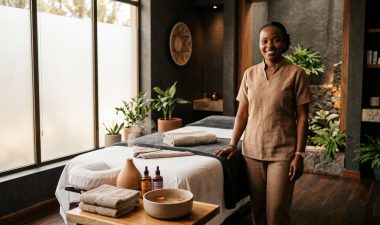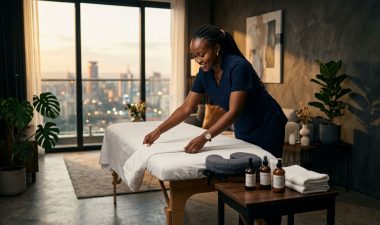
A good massage can feel like a reset for your whole body, especially when stress sits in your shoulders, your back feels tight, or sleep keeps slipping out of reach. Incorporating wellness and self-care into your routine is essential when managing the demands of a fast-paced lifestyle.
People book massage for different reasons, from easing sore muscles after a tough week to supporting recovery, lowering stress, and giving their bodies a chance to settle. In the growing landscape of any spa in Nairobi, that often means comparing styles, knowing what a session feels like, and choosing a place that fits your needs, whether you are looking for Swedish work, deep tissue pressure, or something more soothing like hot oil therapy.
If you are trying to make a smart choice, start by understanding the main types, what to expect during the visit, and how local options fit into the picture, including therapeutic massages at Happiness Massage & SPA. Taking the time to research these options ensures a truly rejuvenating experience during your visit to the spa.
Key Takeaways
- Recognize early warning signs: Physical tension like a clenched jaw, stiff neck, or poor sleep are common indicators that your body needs a restorative massage session.
- Match the style to your goal: Use gentle techniques like Swedish or aromatherapy for stress relief, and opt for deep tissue or sports massage when targeting stubborn knots and muscle recovery.
- Prioritize communication: Always discuss your health status, including injuries or pregnancy, and don’t hesitate to provide feedback on pressure levels during your treatment to ensure comfort.
- Vet your spa choices: Evaluate potential spas based on cleanliness, transparent pricing, and clear communication to ensure you receive a professional, safe, and rejuvenating experience.
The Importance of Wellness and Self-Care: Why Massage Matters
Busy bodies collect tension the way a jacket picks up dust. It settles in the shoulders, lower back, jaw, and hips, then shows up as stiffness, headaches, restless sleep, and that heavy feeling you cannot quite shake. Massage matters because it gives your body a chance to let go of some of that muscular tension before it becomes your normal.
For many people, the appeal is simple. Massage helps you feel less wound up, move more easily, and get back in touch with how your body actually feels. Over time, that can make a regular session feel less like a luxury and more like part of staying well.
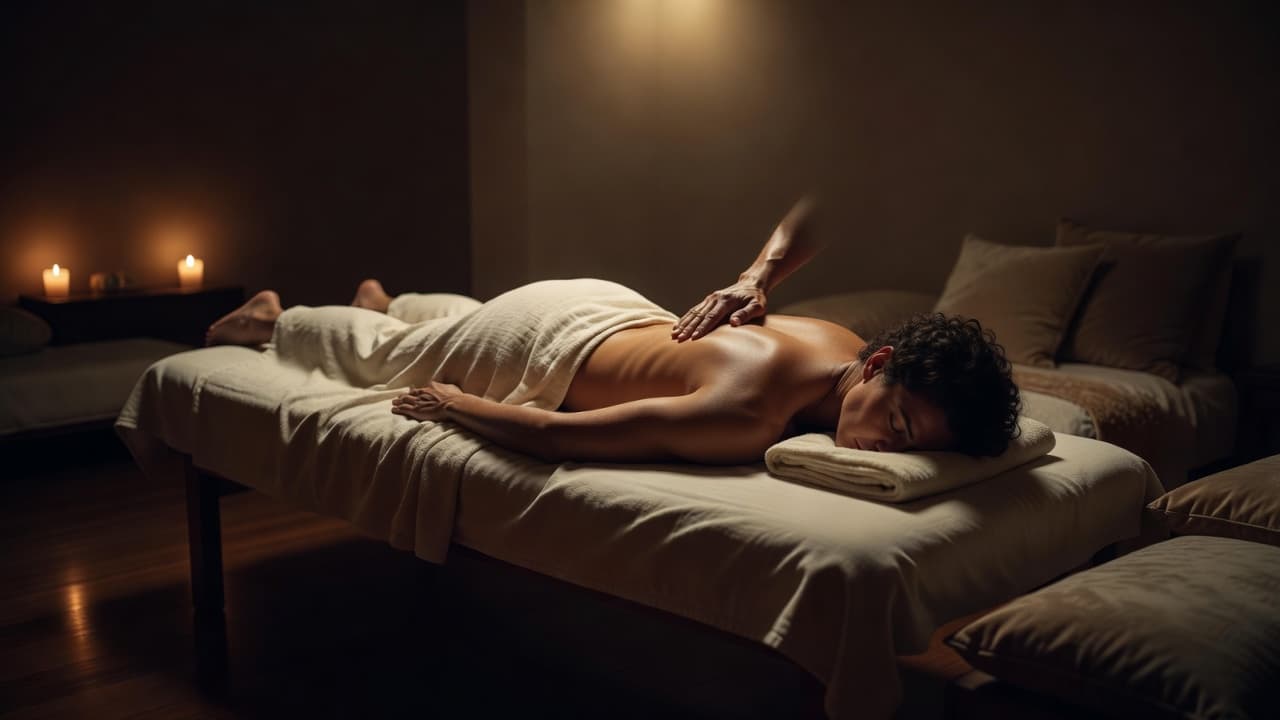 Your body usually gives clues before it starts shouting. Tight shoulders, a clenched jaw, and a stiff neck are some of the most common signs. If you spend long hours at a desk or in traffic, that tension can build until turning your head or lifting your arms feels harder than it should. Headaches are another signal, especially when they keep showing up around the temples, the back of the head, or the neck. Poor sleep can point to the same problem, since a tense body often has trouble settling down at night. The Mayo Clinic Health System notes that these sessions can help with stress relief, which is vital when your nervous system seems stuck on alert.
You may also notice stiffness after sitting too long, jaw clenching, a heavy drained feeling, or general body soreness. When these signs keep showing up, therapeutic massages can fit into your week as a reset. It gives tired muscles a break and helps you notice problems earlier, before they pile up.
Massage works on two levels at once. On the body side, skilled pressure helps loosen tight tissue, improve blood circulation, and reduce that locked up feeling that makes movement feel restricted. On the mind side, touch and rhythm signal safety, which helps the nervous system settle. This focus on deep relaxation provides much needed stress relief that allows your breathing to slow and your mind to stop racing. Research on massage has linked it with reduced muscle tension and a stronger sense of well being, including work summarized in PubMed’s review of massage mechanisms.
A good session can leave you feeling lighter, less reactive, and more present. Massage also supports better rest when stress has been messing with your sleep. If your body spends all day bracing, it usually needs help learning how to unwind. That is where regular bodywork becomes part of a steady self care routine, not an occasional fix. When life feels crowded and your body feels tight, massage gives you a pause that your muscles can actually use.
Types of Massage in Nairobi
Massage menus can look crowded, but most popular styles fall into a few clear categories. Once you know how each one feels on the table, it gets much easier to choose the right session for your body and mood. Some massages are soft and settling, while others work into tight spots with more pressure. If you want a fuller breakdown of technique and benefits, the massage therapy guide is a useful place to compare options in more detail.
 ### Classic and Therapeutic Styles
For those seeking a gentle, full body massage, Swedish massage is often the most calming choice on a spa menu. This Swedish massage uses long, flowing strokes with light to moderate pressure, helping the body loosen without feeling pushed. It is perfect if you want to unwind or improve circulation.
If you are dealing with stubborn knots, a deep tissue massage is designed to target the neck, shoulders, and back. A deep tissue massage uses firmer, slower pressure to reach deeper layers of muscle, which is ideal for chronic tightness or sports strain. Research on massage has linked these firmer techniques with reduced muscle tension, and for a deeper dive, you can see PubMed’s review of massage effects.
Specialty Techniques for Targeted Relief
Beyond the classics, there are several specialty styles that offer unique benefits:
- Hot stone therapy: This uses smooth, heated stones to help muscles soften, allowing your body to sink into the table for deeper relaxation.
- Aromatherapy massage: This style incorporates essential oils to enhance the mood, using scents like lavender to create a more immersive and calming environment.
- Thai massage: This option often includes guided movement and stretching, making it feel more active and energizing.
- Hot oil massage: Often used for a soothing full body massage, this technique uses warm oil to help the therapist’s hands glide smoothly, leaving the skin feeling nourished.
- Reflexology: This is a distinct style that focuses on specific pressure points in the feet or hands to promote balance throughout the entire body.
Choosing the right session depends on what your body needs that day. Whether you prioritize the warmth of hot stone therapy, the scent profiles of an aromatherapy massage, or the firm release of deep tissue work, each style offers a unique path to feeling your best.
What to Expect During a Professional Massage
A first massage feels easier when you know the rhythm ahead of time. The visit usually starts with a short conversation, moves into a calm treatment, and ends with a few minutes of settling back into your day. Most sessions follow a consistent pattern: you book ahead, arrive early, share your preferences, and enjoy the treatment. If you want a broader overview of what to expect during a massage session, it helps to see how the pieces fit together before you walk in.
 ### Preparing for your session and communicating your needs
Preparation keeps the appointment comfortable right from the start. Drink water earlier in the day, but avoid arriving on a full stomach, as a heavy meal can make it difficult to relax while lying down. Wear loose, comfortable clothing that is easy to remove and put back on. Before the session begins, it is essential to share injuries, recent surgeries, pregnancy, or allergies with your professional massage therapists so they can safely adjust their techniques.
Good massage is a conversation, even when the room stays quiet. Use this time to explain your specific relaxation goals, such as whether you are seeking relief from chronic tension or simply want to destress. The therapist will read your body language, but your words are the best guide for pressure and comfort. If a specific area is tender, or if you prefer a different intensity, speak up immediately. You can also request specific additions, such as incorporating Reflexology if you want to focus on pressure points in the feet.
A few simple habits ensure a great experience:
- Hydrate well before your appointment.
- Be clear about your comfort levels regarding room temperature and music.
- Speak up if the pressure is too firm or too light.
- Mention any specific areas that should be avoided.
If you want help choosing the right appointment or asking the right questions ahead of time, this massage safety and preparation guide is a useful reference.
The massage experience and post-session care
Once you settle on the table, the session usually begins with broad, slow strokes to help your muscles soften. During a full body massage, the therapist may focus on the neck, shoulders, back, hips, or legs depending on your specific needs. You may feel long gliding movements, steady kneading, or firm pressure on knots. Whether you chose a Swedish massage or a more targeted deep tissue approach, the goal is to help your body transition out of alert mode. Most people drift between being awake and asleep, which is a sign that your nervous system is finally resting.
The time after the massage matters almost as much as the session itself. Once you leave, continue to drink water to support your recovery. Avoid rushing into a heavy workout or a stressful commute immediately after, as this can cause tension to return quickly. Light stretching is fine, but avoid forcing your muscles if you feel any mild soreness. If you had a deep treatment, a warm bath can help further soothe your muscles.
A simple aftercare routine helps the benefits last:
- Drink water to support recovery and replace fluid loss.
- Rest for a while instead of jumping into a packed schedule.
- Move gently with a short walk if your body feels stiff.
- Avoid heavy lifting or intense exercise for the remainder of the day.
The Mayo Clinic Health System notes that massage can support relaxation and stress relief, which is one reason the calm may last well beyond the appointment itself. The best sessions leave you feeling looser, steadier, and more aware of what your body needs. For more details on how different styles impact your recovery, the massage therapy guide provides helpful comparisons.
Selecting a Spa in Nairobi Based on Your Needs
The best massage is the one that matches what your body needs right now. A calming session can help when stress is running the show, while firmer, targeted work makes more sense when your neck, back, or legs feel loaded with tension.
Pressure tolerance matters too. Some people want a light, slow reset. Others want a therapist to work through stubborn knots with more focus. Your goal, your comfort level, and your day-to-day activity should guide the choice.
 For a simple starting point, look at the outcome you want most. Relaxation calls for gentler styles, while pain relief and recovery often call for more targeted work. If you want a fuller option with room to customize, the ultimate body treatment plan is a good fit for readers who want a broader spa experience.
Matching styles to your wellness goals
If your main goal is to slow down, choose a gentler style with long, steady strokes and a calm pace. Swedish massage, aromatherapy, and hot stone massage are all strong options because they ease the body without forcing it to work too hard. These styles are a good match when your shoulders stay tight, your mind feels busy, or sleep has been light and broken. This is the ideal path for effective stress relief, as it allows your nervous system to settle rather than feeling like a workout.
When the problem is specific, go for deeper or more targeted work. Deep tissue massage is excellent for stubborn, built-up tension in the back or neck, while sports massage is often better for active bodies that need recovery after exercise. These styles focus on the areas that keep pulling at you all day. Still, comfort matters. Strong pressure should feel controlled, not sharp or punishing. If your body tenses up against the pressure, the session is too aggressive and needs adjusting.
Massage also works beautifully as a shared experience or a gift. A couples massage can turn an ordinary afternoon into something memorable, especially if both people need a break from busy schedules, traffic, or screens. For those celebrating birthdays or milestones, many venues offer luxury spa packages that provide a more comprehensive experience. When selecting your service, keep your relaxation goals at the forefront to ensure the experience aligns with what you truly need. A well-timed session acts like a pause button for the day, whether you are seeking deep restoration or simply a quiet moment to unwind.
Ensuring Professionalism and Cleanliness: Safety and Etiquette
A high-quality professional massage should feel calm, clear, and respectful from the start. You should never feel rushed into a decision, confused about what will happen next, or pressured to ignore discomfort just to get through the session. The best therapists make room for honest communication, because your comfort and safety are the most important parts of the treatment.
That means speaking up early, asking direct questions, and pausing when something feels off. It also means knowing when a massage is not the right choice yet, especially if your body is already dealing with pain, illness, or recovery.
 Staying safe and healthy during your session
Some situations call for extra caution before booking an appointment. Pregnancy, recent injuries, blood clot concerns, fever, surgery recovery, and serious pain can all change what is safe. For instance, if you are interested in a prenatal massage, you must inform your therapist early so they can provide the appropriate modifications. In many cases, the therapist can adjust the session to suit your needs, but in others, you should check with a doctor first.
Be honest about what is going on, even if it feels minor. A skilled therapist can adjust pressure, avoid certain areas, or suggest postponing the session until you get medical advice. That conversation protects you and helps the treatment work the way it should.
A doctor’s opinion matters most when the pain is sharp, swelling is unexplained, or symptoms are getting worse. You should pause and get medical input if you have:
- Pregnancy with complications, especially if your care provider has already raised concerns
- Recent surgery or injury, since healing tissues need time
- Possible blood clots, such as swelling, warmth, redness, or pain in one leg
- Fever or infection, because massage can make you feel worse
- Strong, unexplained pain, especially if it started suddenly
If a condition feels serious enough to affect daily movement, it is serious enough to mention before the massage starts. Clear disclosure allows the therapist to choose a safer approach or advise you to speak with a clinician first.
Practicing good spa etiquette
Good spa etiquette keeps the session calm for everyone. Arrive on time, because a late arrival shortens your treatment and can throw off the schedule for the next client. If you know you will be delayed, call ahead instead of showing up flustered.
Once you arrive, silence your phone. Notifications, calls, and loud vibrations break the relaxed pace of the room. Keep conversations polite and direct, and follow any dressing or draping guidance the therapist gives you.
A few habits make the appointment smoother:
- Arrive a little early so you can settle in without rushing.
- Turn off your phone or keep it on silent.
- Follow clothing and draping instructions so you stay comfortable and covered.
- Speak respectfully, even if you need to correct pressure or ask a question.
A massage room works best when it feels professional and unforced. That calm starts with simple courtesy.
Recognizing quality and red flags
Some warning signs are easy to spot if you pay attention. Unclear pricing is one of them. If you cannot get a straightforward answer about the cost before the session, that is a problem. You should know what you are paying for, what is included, and whether any add-ons cost extra.
Prioritizing professionalism and cleanliness is essential when selecting a spa. Fresh linens, clean surfaces, and tidy equipment are basic standards. If the room feels dirty, smells off, or looks neglected, trust your instincts and walk away.
Pressure to accept extra services also deserves caution. You should never feel pushed into upgrades or treatments you did not ask for. A good therapist explains options and then lets you decide without sales pressure. Watch for these signs:
- Prices that change without explanation
- Unclean treatment rooms or linens
- Pushy upselling
- Unclear communication about the session
- Dismissive responses when you ask questions
If the staff avoids direct answers, that is a red flag. A professional massage should feel calm and structured, not confusing or intimidating. When communication is clear, you can relax with confidence. When it is not, it is better to leave and choose a facility that respects your boundaries.
Choosing the Best Massage in Nairobi and Kilimani
Kilimani has plenty of options, but the best massage spa is usually the one that makes the choice feel easy. You want clear services, fair pricing, a place that looks cared for, and a team that answers questions without delay.
Local convenience matters too. A spa near your route, with visible contact details and simple booking, saves time before you even step inside. If you are comparing options in the area, what to expect at a Kilimani massage spa can help you sort the basics before you book.
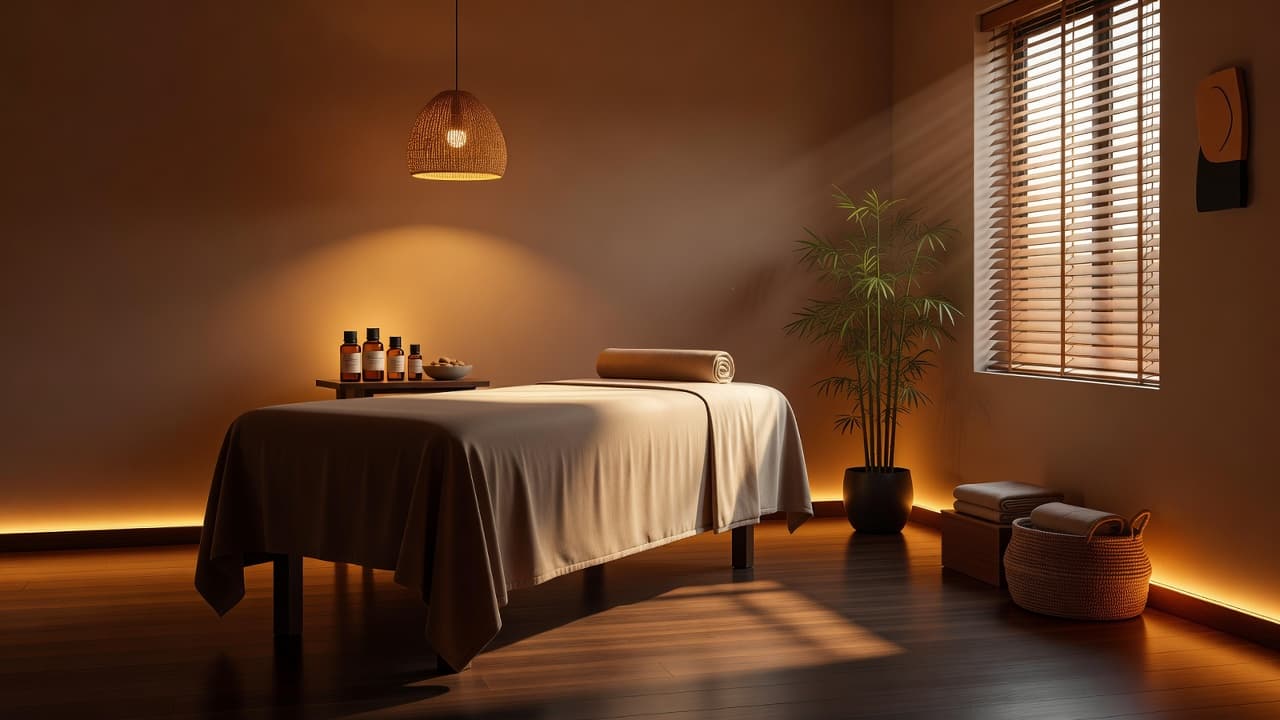 ### Comparing local spas and services
Start with the practical details. The best massage place in Kilimani should be easy to reach, open when you need it, and straightforward about what it offers. A spa in or near your usual path, whether that is along Kindaruma, Ngong Road, or nearby residential blocks, can make repeat visits much easier.
When looking at a potential spa in Nairobi, check the full treatment list. A good menu should name the styles clearly, such as Swedish, deep tissue, Thai, hot oil, aromatherapy, or hot stone. Beyond basic techniques, quality centers often provide a variety of specialized body treatments and refreshing facial treatments to ensure you get the most out of your visit.
You should also look for clear pricing. Generally, a professional massage in Nairobi ranges from 3,000 to 8,000 KES, depending on the style and duration of the session. If the menu feels vague or the pricing is hidden, the booking process usually feels the same.
Professional massage therapists are the backbone of any quality establishment. You do not need a long bio for every staff member, but you should see signs of skill, training, and a steady client base. When a spa can explain who performs the treatment and how they handle different pressure levels, that is a strong sign of quality.
Client feedback gives you a preview of the experience. People often mention the things that matter most, like cleanliness, pressure consistency, punctuality, and how staff handle requests. If many reviews mention the same problem, believe the pattern. First impressions count too. A tidy reception area, fresh linens, clean floors, and a calm scent all tell you something before the session starts. If the front desk feels disorganized or the space looks neglected, the treatment room may follow the same pattern.
For a broader look at local options and service quality, massage services in Kilimani gives a practical overview of what to look for in a top-tier spa in Nairobi.
A clean, organized spa usually feels that way because the people running it care about the details.
Happiness Massage Spa in Kilimani also belongs in this conversation, especially for readers comparing local options. Still, verify the exact services, location, and availability before booking, since a polished online presence should always match the real-world experience.
Questions worth asking before you confirm
A few direct questions can save you time and help you avoid disappointment. Keep it simple and ask before you pay or commit to a slot.
You can ask:
- What pressure levels do you offer? This helps if you want light relaxation or firmer bodywork.
- How long is the session? A 60-minute massage feels very different from a 90-minute one.
- What is included in the price? Some places add extras, while others keep it all in one fee.
- Can you accommodate special needs? This matters for injuries, pregnancy, sensitive areas, or specific comfort requests.
If the answers are clear, you usually have a spa that values your time. If the replies are vague or rushed, keep looking. The right place will make booking feel simple, and that ease often continues once you arrive.
Frequently Asked Questions
How do I know which type of massage to choose?
Choose based on your immediate needs; if you are feeling overwhelmed and stressed, a gentle Swedish or aromatherapy massage is best for relaxation. If you have specific physical pain or chronic muscle tightness, a deep tissue massage will provide the firmer, targeted pressure needed to address those areas.
How should I prepare for my massage appointment?
Drink plenty of water before your session and avoid eating a heavy meal immediately beforehand. Wear comfortable clothing, arrive a few minutes early to settle in, and be ready to share any specific areas of pain or health concerns with your therapist.
How often should I get a massage?
Frequency depends on your lifestyle and wellness goals, but regular sessions work best as part of a routine rather than an occasional fix. Many people find that once or twice a month is sufficient to manage day-to-day tension, though those with chronic pain may benefit from more frequent visits.
Is it normal to feel sore after a massage?
It is quite common to feel some mild, temporary soreness after a deep tissue session, similar to the feeling after a workout. Drinking plenty of water and allowing yourself time to rest afterward usually helps ease this discomfort while supporting your recovery.
Conclusion
Massage works best when the style, setting, and therapist all match the person on the table. A gentle Swedish session, firmer deep tissue work, or a warm specialty treatment each has its place, but the real value comes from choosing the right fit for your body and your goal. Whether you are seeking stress relief or physical recovery, booking a session for a rejuvenating experience is a powerful way to prioritize your health.
When massage becomes part of a steady wellness and self-care routine, it does more than ease tight muscles for a day. It gives your body regular space to soften, recover, and reset, which is why choosing a trustworthy spa matters so much. If you are looking for professional Massage in Nairobi, especially in the Kilimani area, taking the time to find a reputable therapist is essential for your long-term comfort.
If you are ready to book with confidence, start with a place that is clear about its services, pricing, and care. A trusted option like this Nairobi massage guide can help you make the next step with a calm mind.