
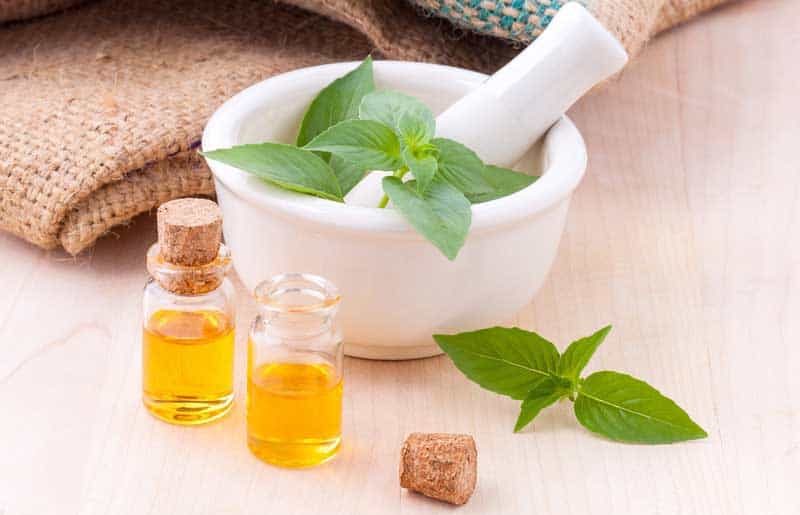
Hot Oil Massage Benefits, Process, and Spa Tips
A hot oil massage feels incredible the moment the warm oil touches your skin. The soothing heat softens tight muscles, the smooth glide eases pressure, and the whole room feels calmer before the session even truly begins.
If your body carries stress in your neck, shoulders, or back, this treatment provides effective stress relief without the heavy pressure some people dislike. It also leaves your skin feeling softer and more nourished, which is one reason so many people choose it when they want relaxation that feels gentle but still deeply effective. You can also explore professional hot oil massage therapy if you want to see how the treatment is offered locally.
That calm feeling depends on more than just the temperature of the oil, though. The best results come from a consistent process, the right equipment, safe products, and a therapist who knows how to work with muscle tension without making the session feel rushed or rough. Your skin type, sensitivity, and comfort level all matter, so a thoughtful spa visit should never feel like guesswork.
This guide keeps things practical and clear, so you can understand the benefits, what happens during the treatment, what to watch for, and how to choose a spa that gets the details right. If you want a broader look at treatment choices, the massage therapy guide is a helpful place to start before you book.
Key Takeaways
- Soothing Muscle Relief: The warmth from the oil effectively softens tight muscles, allowing for deeper relaxation in areas like the neck, shoulders, and lower back without the need for intense pressure.
- Skin Nourishment: Beyond muscular comfort, the warm oil acts as a hydrating treatment, leaving skin feeling soft and replenished, though oil choice should be tailored to individual skin types.
- Nervous System Regulation: The steady rhythm and warmth of the treatment provide an excellent remedy for stress, helping to lower heart rate and calm the nervous system for an improved mental state.
- Prioritizing Communication: Successful sessions rely on open dialogue regarding pressure, heat levels, and sensitivities to ensure the experience is restorative rather than irritating.
- Strategic Booking: Choosing a professional, conveniently located spa ensures that the process remains stress-free and that the therapeutic benefits are maintained through consistent, quality service.
Hot Oil Massage Basics: What It Is and How It Works
A hot oil massage uses heated massage oil instead of room temperature lotion or dry hands. The warm oil is heated to a comfortable level and then applied to the skin in smooth strokes so it glides easily while keeping the body cozy throughout the session. That extra warmth transforms the entire experience, as the muscles tend to soften faster and the treatment feels more soothing from the very first touch.
Unlike a standard massage, this approach usually feels softer, smoother, and more enveloping. By utilizing fluid massage techniques, the therapist can move with less friction, which helps the pressure feel continuous rather than sharp. For many people, this makes it easier to unwind, especially when tension is stored in the neck, shoulders, lower back, or scalp.
The difference between hot oil massage and regular massage
A regular massage can be done with little or no oil, or with a light amount that stays close to the skin. That style often gives a firmer feel, more grip, and a clearer sense of pressure. A hot oil massage feels warmer and silkier, so the therapist’s hands move more easily across the body and the session tends to feel more comforting than intense.
If you want deep pressure and direct work on stubborn knots, a regular massage may suit you better. If you want to feel wrapped in warmth, prefer gentler contact, or want your skin to feel soft afterward, this treatment is usually the better choice. Many people pick it when they want relaxation first and strong pressure second.
Why warmth makes the body relax faster
Warmth sends a simple message to the body: relax and let go. Tight muscles usually soften when heat is added, which significantly improves muscle relaxation and makes the tissue easier to work on without forcing it. The effect can feel like a stiff cloth being gently steamed smooth.
The mind often follows that physical cue. As the oil warms the skin and the strokes stay steady, breathing tends to slow, the shoulders drop, and the body shifts out of alert mode. Warm oil can also calm that dry, scratchy feeling some people get during a massage, which makes it easier to stay present and settled.
Warm oil works best when it feels pleasantly hot, never sharp or burning. Comfort matters more than temperature.
What oils are commonly used in a hot oil treatment
Spas choose various carrier oils for how they feel, how they smell, and how smoothly they move on the skin. Coconut oil is popular because it feels rich and comforting. Sweet almond oil has a lighter texture and a soft, skin-friendly finish, while jojoba oil is often used because it glides well and leaves less greasy residue. Additionally, sesame oil is frequently chosen for its warming properties and ability to penetrate the skin deeply.
Many spas also use custom massage blends with calming scents or added plant oils. Those blends help shape the mood of the treatment, whether the goal is gentle relaxation, skin nourishment, or a more luxurious feel. In a well-made session, the oil should support the massage, not distract from it.
For a closer look at the treatment options offered locally, you can also browse the full range of massage therapy services.
The real benefits people look for in a hot oil massage
People usually book a hot oil massage for simple reasons, as they want their body to feel easier to live in. Tight shoulders, mental strain, dry skin, and that heavy tired feeling after a long week all respond well to warmth, steady touch, and time to slow down.
The appeal is practical. Warm oil helps the hands move smoothly, the muscles soften sooner, and the whole session feels less harsh than a dry or forceful treatment. If you want a broader look at massage treatment options, it helps to compare how different techniques support different needs.
### How it can ease tight shoulders, back pain, and sore muscles
Warm oil massage is a common choice for people who sit at a desk all day, train hard, or carry tension in the neck and back. The heat helps stiff tissue loosen a little, so the therapist can work more comfortably around sore spots without everything feeling rigid. This can make the session feel like a release valve opening after hours of pressure.
For example, someone with rounded shoulders from laptop work may feel their upper back ease up after a session. A runner or gym regular may notice less overall tightness the next day. The goal is not a cure, but a real sense of relief, better mobility, and less of that dragged down feeling in the muscles. For those dealing with chronic pain caused by desk work or intense exercise, the targeted heat can be particularly transformative.
A well done hot oil massage can also help with blood circulation. The warmth encourages healthy blood flow, which may leave the body feeling less cold and less jammed up. In some studies, massage with warm oil has also been linked with pain reduction and easier relaxation, which lines up with what many clients feel in the room and after they leave. A closer look at hot oil massage benefits shows the same pattern of muscle comfort and relief.
Why it can be a good choice for stress and mental fatigue
Stress sits in the body as much as it sits in the mind. Shoulders rise, breathing gets shallow, and the jaw stays tight without you noticing. A hot oil massage helps slow that pattern down because the warmth and steady pressure tell the nervous system to settle, offering an effective form of stress relief.
That slower rhythm matters. When the body stops bracing, breathing often becomes easier, the chest feels less tight, and the head clears a little. Many people leave the session feeling lighter, not because every problem disappeared, but because the body finally got a break from holding everything together.
A good hot oil session should feel calming, not rushed. If you leave breathing more freely and moving more easily, the treatment has done its job.
This is one reason people book it after a stressful work stretch, a bad week of sleep, or a season of constant pressure. It gives the mind a quiet room to catch up with the body.
Skin benefits you can actually notice right away
The skin usually shows the effects fast. Warm oil leaves it feeling softer, smoother, and provides essential skin hydration, which is part of why many people book the treatment for more than just relaxation. After the session, your arms, legs, and back often have a healthy glow that looks fresh without feeling greasy.
Oil choice matters here, especially if your skin runs dry or gets irritated easily. Lighter oils can feel better on sensitive skin, while richer oils often provide better skin nourishment for very dry areas that need more moisture. A thoughtful spa will choose an oil that matches your skin type instead of using one blend for everyone.
You may also notice that the oil helps your skin feel protected against that tight, flaky feeling that shows up after long hours in air conditioning or harsh weather. In other words, the benefit is immediate and easy to feel, even before you think about the massage itself.
What happens during a hot oil massage session
A hot oil massage usually feels calm before it even begins. The room, the oil, and the pace set by the massage therapist all work together, so the session unfolds like a slow reset for the body. If you know what to expect, it is easier to relax and enjoy the treatment instead of wondering what comes next.
How a therapist prepares the room, oil, and towels
The experience starts with small details that set the tone. The room is kept warm enough that you do not feel chilled when your skin is uncovered, and the lighting is usually soft rather than bright. Clean linens, fresh towels, and a tidy table matter just as much as the oil itself, because comfort begins the moment you walk in.
The oil is warmed safely before it touches your skin. A massage therapist checks that it feels pleasantly warm, not hot, by performing a temperature test on the wrist first. That matters because the goal is comfort, and the wrong temperature can break the mood fast. In many spas, a quiet setup also helps, with light music, minimal clutter, and a calm flow between each part of the session.
You may also notice that the massage therapist keeps towels close by for draping and cleanup. That keeps you covered where needed and helps the session stay smooth, organized, and private. If you want to compare the treatment with other options before booking, the Kilimani massage services guide is a useful reference.
What the massage usually feels like from start to finish
The first touch is often the most memorable part. Warm oil spreads across the skin, and the therapist begins with slow strokes that help your body settle into the room. During a full body massage, the pressure usually starts light, then shifts depending on how your muscles respond.
As the session continues, the therapist may spend more time on areas that feel tight, such as the neck, shoulders, lower back, calves, or scalp. Those spots often hold stress like knots in a rope, so they get extra attention through targeted kneading as part of the massage techniques used when the body feels stiff. The movement stays steady and unhurried, which helps the massage feel more soothing than intense.
A good session should feel controlled and comfortable. If something feels too warm, too firm, or too slippery, speak up right away.
You might notice the therapist adjusting pressure during the massage, using broader strokes on larger muscle groups and smaller, slower movements around sensitive areas. That rhythm is part of what makes warm oil work feel so relaxing. It gives the body time to release tension instead of forcing it to let go.
Simple aftercare tips for better results
What you do after the massage matters almost as much as the session itself. Start with water, because hydration helps your body settle after the heat and movement. Sip steadily rather than rushing it, and give yourself a few quiet minutes before jumping back into errands or work.
A little rest goes a long way. If possible, avoid a packed schedule right after your appointment, since your muscles may still be unwinding and your skin will likely hold some oil. Light, breathable clothing also helps, especially if you plan to stay out for a while after the treatment.
A few practical habits can extend the comfort you feel:
- Drink water soon after the session, then keep sipping through the day.
- Rest for a bit instead of rushing straight into another activity.
- Avoid heavy exercise or anything that leaves you tense again right away.
- Let the oil sit for a while before showering, especially if your skin feels dry.
- Use gentle skincare afterward, since your skin may be more sensitive and soft.
For the best finish, keep your evening calm if you can. A short walk, a light meal, and a warm shower later on usually feel better than a rushed return to normal. That way, the relaxation has time to settle in instead of disappearing too quickly.
How to choose the right hot oil massage for your body
The best hot oil massage is the one that fits your body, not just the spa menu. Your comfort level, skin type, and reason for booking all shape the right choice, whether you want slow, calm relaxation or focused work on stubborn tension.
A smart session starts with a clear request. The more specific you are about pressure, oil, and treatment area, the better the massage will feel in your body.
Choosing the right pressure and pace
Pressure changes the whole mood of a hot oil massage. Gentle pressure feels like a soft reset, with long strokes that soothe the body and help you settle fast. It works well if you feel tired, sensitive, stressed, or new to massage.
Medium pressure is the middle ground many people prefer. It still feels relaxing, but it goes a little deeper into tight areas to relieve muscle tension, so you may feel your shoulders, back, or legs release more clearly. According to Massage Magazine’s pressure guidance, good massage pressure should stay comfortable and adjustable, not forceful.
Deeper pressure is for clients who want more muscle work, but even then, it should never feel sharp or overpowering. If your body tightens, your breathing gets shallow, or the pressure feels pinchy, speak up right away. You can say, “A little lighter here” or “That spot can handle more pressure.” Those simple words help the therapist adjust before discomfort builds.
The pace matters too. Slow, steady movements usually suit hot oil massage best, because they let warmth sink in and keep the session calm. Faster work can feel busy and less restful, so ask for a slower rhythm if you want the treatment to feel like a true pause.
Picking an oil that suits your skin and scent preferences
Oil choice should feel as personal as the pressure. If your skin runs dry, richer carrier oils like sweet almond oil often feel more nourishing and comforting. If you prefer a lighter finish, jojoba oil may suit you better because they glide well without feeling heavy.
Sensitivity matters just as much. If you have allergies, fragrance sensitivity, or a history of skin reactions, say so before the session starts. When it comes to aromatherapy, some essential oils can irritate skin, and fragrant blends can be too much for people who react to scents in lotions, soaps, or perfumes. While lavender oil is a popular choice for its calming properties, you should always check if it suits your skin type. For a more skin-first approach, dermatology guidance on essential-oil reactions explains why patch testing and simple blends matter.
A few quick questions help narrow the choice:
- Do you want a light or rich feel? Light oils suit people who dislike a greasy finish.
- Is your skin dry or sensitive? Richer, fragrance-free oils usually work better.
- Do scents affect you? If yes, ask for a mild or unscented blend.
- Do you have nut allergies? Avoid almond or other nut-based oils unless the spa confirms a safe alternative.
If you’re unsure, ask for a small test first. That extra minute can save you from a blotchy, itchy, or uncomfortable experience later.
When to ask for a full-body session versus a focused treatment
A full body massage is a strong choice when you want overall calm, better sleep, or a full reset after a stressful stretch. It works well if your tension is spread out, your whole body feels heavy, or you simply want the quiet of a longer, more immersive session.
A focused treatment makes more sense when the problem sits in one or two places. Back pain from sitting, stiff neck muscles, shoulder tension from computer work, or tight legs after exercise often respond better to targeted attention. In those cases, asking the therapist to spend extra time on the problem area usually gives you more value than spreading the session too thin.
This is also where communication makes the biggest difference. You can ask for a full-body flow with extra time on the shoulders, or a shorter, more focused treatment that skips areas you don’t need worked on. If you’re looking for a therapist who knows how to adjust the session safely and cleanly, the Kilimani massage therapist guide can help you understand what to look for.
The best choice depends on your goal:
- Choose full body massage if you want calm, balance, and total-body relaxation.
- Choose focused work if one area feels tight, sore, or overused.
- Choose a mixed session if you want both, but need more time on the neck, shoulders, back, or legs.
For a deep-tension session, make your priorities clear before the massage begins. That way, the therapist can spend time where your body actually needs it, instead of guessing.
What to expect from a hot oil massage in Kilimani
A hot oil massage in Kilimani should feel calm, clean, and easy from the moment you arrive. Most people booking in this area want more than just a treatment; they want a short break that fits into a busy Nairobi day without adding any extra stress.
That is why the spa itself matters so much. A good Kilimani spa should feel private, run on time, and be simple to book, whether you are stopping by after work or planning a weekend reset. If you are comparing options, the massage spa guide for Kilimani can help you think through the basics before you choose.
### Why location, privacy, and booking ease matter
Kilimani works well for people who want a nearby spa without fighting extra traffic. When your body feels heavy with muscle tension, the last thing you want is a long, tiring trip before the massage even begins.
Convenience also helps you keep the appointment itself. A spa near home or work makes it easier to arrive on time, relax sooner, and leave without rushing. That matters even more in Nairobi, where a short errand can turn into a long commute if the timing is off.
Privacy is another big part of the experience. A peaceful space, a quiet reception area, and a professional massage therapist who explains the session clearly can make the whole visit feel smoother. If booking is simple too, by phone, WhatsApp, or a direct contact page, the process feels less like planning and more like taking care of yourself. You can contact the Kilimani spa team if you want a direct way to ask about availability.
Happiness Spa in Kilimani fits into that practical picture. For readers who live or work nearby, a local spa can make regular self-care easier to keep up with, because comfort and convenience often decide whether you actually book.
A good spa visit should save your energy, not spend it.
Signs of a professional spa experience
A professional spa usually shows its standards before the massage begins. Clean floors, fresh linens, organized treatment rooms, and tidy product storage all tell you the space is cared for properly. Those details matter because a relaxing session works best in a room that feels safe and well-kept.
Respectful communication is just as important. Your massage therapist should ask about pressure, skin sensitivity, and specific areas of muscle tension you want treated, then listen when you answer. Clear service descriptions help too, because you should know what the session includes before you lie down, not after it starts.
A welcoming setup makes a difference as well. Soft lighting, a calm scent, and a quiet pace help your body settle faster. According to spa practice standards, clear treatment information and professional conduct are part of a trustworthy service experience, and that matches what most clients look for in a good massage session.
At Happiness Spa and other Kilimani wellness spots, the best sign is simple: the space feels prepared for you. Not flashy, not rushed, just clean, steady, and attentive.
What makes a repeat-worthy spa visit
A first visit can impress you with atmosphere, but a repeat visit depends on consistency. The oil should feel right, the pressure should stay within your comfort range, and the therapist should handle your body with the same care each time.
Good technique matters here. Long, smooth strokes should feel controlled, not messy, and focused work on areas of muscle tension should still feel calm. If a spa can deliver that kind of balance again and again, it earns trust quickly.
Atmosphere matters just as much. People return to places where they feel comfortable asking for changes, where the room stays peaceful, and where the experience never feels hurried. A reliable spa turns a one-time treat into a habit that supports better rest and less physical fatigue.
A repeat-worthy visit often includes:
- Consistent pressure that matches what you asked for.
- Clean treatment spaces with fresh towels and a neat setup.
- Clear communication before, during, and after the session.
- A calm environment that helps you switch off.
- Easy booking and follow-up, so returning feels simple.
For Nairobi readers, that combination is what makes the Kilimani spa scene so practical. You can look for a place that fits your routine, feels close enough to visit often, and gives the same steady quality every time. When you find that balance, your regular session stops being just a one-off appointment and becomes a dependable part of how you reset.
Hot oil massage safety, side effects, and who should be careful
Most people enjoy a hot oil massage without any trouble, but comfort depends on timing, skin health, and the heat level. Keeping a few essential safety tips in mind ensures your experience remains relaxing rather than stressful. Warm oil should feel soothing, not intense, and the session should fit your body on that day instead of forcing your body to adjust.
A few simple checks can prevent avoidable problems. Skin irritation, a recent injury, or a strong reaction to scent can turn a relaxing treatment into an uncomfortable one. The good news is that a thoughtful spa can adapt the oil, pressure, and pace before that happens.
### When warm oil may not be the best option
Warm oil is not a good fit when your skin is already irritated. Sunburn, rashes, eczema flare-ups, open wounds, and fresh cuts can all sting when heat and oil touch them, so it is better to wait until the skin settles down.
Fever is another clear reason to skip the treatment. Your body is already working hard, and added heat can make you feel worse instead of better. If you have any concerns, a qualified massage therapist can help evaluate whether your current physical state is appropriate for the service. The same caution applies if you feel lightheaded, run down, or dehydrated.
People with strong scent sensitivity should also speak up early. Fragrant blends can trigger headaches, nausea, or skin reactions, especially if your skin reacts to perfumes or scented lotions. If you want a safer starting point, ask for a plain, fragrance-free oil and a patch test first.
Recent injuries need care too. A sore shoulder, strained neck, or inflamed muscle may need gentler treatment, or none at all until a professional has checked what is appropriate. For a broader look at massage choices in the area, the best massage in Kilimani page is a useful place to compare options.
If heat, scent, or touch already bothers your body, do not try to push through it. A good massage should calm the system and provide therapeutic effects, not irritate it.
Questions to ask before your appointment
A smart booking starts with a few direct questions. You want to know what will touch your skin, how the therapist works, and whether the spa can adjust the session if you need something different.
Ask about the oil first. Find out which ingredients they use, whether the blend contains fragrance or essential oils, and if they offer nut-free or unscented options. That matters if you have allergies, sensitive skin, or a history of reactions.
Then ask about pressure and training. A therapist should know how to adjust warmth and pressure without making the massage feel too hot or too forceful. It is also fair to ask how they handle special needs, such as pregnancy, recent surgery, bruising, or pain in one area.
A few useful questions include:
- What oils do you use?
- Can I choose an unscented option?
- How do you perform the temperature test to ensure the oil is comfortable?
- How will the therapeutic effects of this specific hot oil massage benefit my tension areas?
- Can you adjust the pressure if I want it lighter or firmer?
- Do you have experience with sensitive skin or recent injuries?
- How do you handle allergies or other special needs?
Those questions help you spot a careful spa before you arrive. They also make it easier to relax, because you know the session is being shaped around your comfort.
How to speak up during the session if something feels off
Say something right away if the oil feels too hot. Heat should soften into the skin, not sit on top of it like a burn. A simple “that is too warm” gives the therapist a chance to adjust before your skin gets irritated.
Pressure deserves the same honesty. If the touch feels too firm, too light, or too focused on a sensitive area, speak up before the discomfort builds. The same goes for scent, because a fragrance that seemed fine at the start can become overwhelming once you have been in the room for a few minutes.
If you feel sharp pain, dizziness, or nausea, stop the session. A massage should not leave you tense, guarded, or worried about your body. Clear communication keeps the treatment safe, and it also helps the therapist give you a better result.
A few short phrases work well in the moment:
- “The oil feels too hot.”
- “Can you ease up there?”
- “That scent is a little strong for me.”
- “Please skip this area.”
- “I am feeling uncomfortable, let us pause.”
The best sessions feel easy because you are allowed to speak plainly. When you do, the massage stays restful, and your body gets the care it actually needs.
Frequently Asked Questions
How hot should the oil be during my massage?
The oil should be heated to a comfortable, pleasant temperature that feels soothing upon contact with your skin. A professional therapist will typically test the temperature on their own wrist or yours before starting to ensure it is never sharp, burning, or uncomfortable.
Can a hot oil massage help with muscle knots?
Yes, the added warmth helps loosen stiff tissues, which allows the therapist to work more effectively on stubborn knots without excessive force. While it is less intense than a deep tissue massage, it is highly effective for improving mobility and relieving tension in tight areas.
Is a hot oil massage suitable for sensitive skin?
It can be, provided you communicate your needs clearly and choose the right carrier oil. It is recommended to ask for an unscented, hypoallergenic oil and request a small patch test before the full session to ensure you do not have a reaction.
Should I shower immediately after my massage?
It is generally better to let the oil sit on your skin for a while after the session to allow for maximum hydration and absorption. If you do need to shower, use lukewarm water and gentle soaps to keep the skin feeling soft and protected.
Conclusion
A good hot oil massage brings the whole experience back to the basics: warmth, steady touch, and a body that finally gets to let go. When the warm oil feels right and the pressure matches your needs, the session can ease tight muscles, calm the mind, and leave your body feeling completely renewed.
That is why the spa and therapist matter so much. Safe heat, clean products, clear communication, and the right pace turn a simple massage into a treatment that feels personal and restorative. If you know your skin, your comfort level, and the kind of pressure you want, you can book your next hot oil massage with more confidence and get more from the session.
The best result is not just temporary relief, it is that easy, settled feeling that stays with you after you leave the room. Choose thoughtfully, speak up about what your body needs, and enjoy the experience for what it should be, calm, warm, and a perfect way to moisturize skin.