A quality back massager can make a long workday more comfortable, offering effective body pain relief by easing daily muscle tension, but the strongest device isn’t always the right one. Good results depend on choosing the correct design, using it on muscle rather than bone, and stopping before discomfort turns into injury.
You might want quick pain relief after sitting, exercise, travel, or housework. A home device can support relaxation and ease mild muscle tightness, while professional massage offers pressure and positioning that are difficult to manage alone. The right choice starts with understanding the main types.
Key Takeaways
- Choose the right back massager design for your specific needs, whether that is a portable massage gun, a rolling cushion, or a handheld vibration device.
- Always apply the device to muscles beside the spine rather than directly over bones, joints, or the spine itself.
- Keep routine sessions short and start on the lowest intensity setting to prevent bruising, soreness, or injury.
- Consider professional massage therapy when you need deeper care, have hard-to-reach pain, or require tailored pressure from a trained therapist.
Which type of back massager suits you?
Back massagers use different movements, and each design suits a different need. Some provide broad relaxation, while others focus on a small muscle group.
| Type | Best suited for | What to check |
|---|---|---|
| Massage gun | Large muscle areas and short sessions | Adjustable speed, low setting, manageable weight |
| Handheld massager | Targeted areas such as the shoulders and using a shiatsu neck massager or neck and shoulder massager | Easy grip, flexible head, cord or battery life |
| Rolling or kneading cushion | General back relaxation in a chair, including a shiatsu back massager | Heat control, timer, spine clearance |
| Massage chair | Broad, hands-free use | Body fit, intensity controls, safety stop |
| Foot massager | Tired feet after standing or walking | Pressure range, washable surfaces, heat settings |
A massage gun functions as a powerful percussion massager that delivers rapid pulses. It can work on the muscles beside the spine, but it should never hit the spine, ribs, joints, or the front of the neck. University of Utah Health recommends starting slowly and limiting work on each muscle group to about two or three minutes.
A handheld massager acting as a vibration massager gives you more control. It works well around the upper back and shoulders, although reaching the middle of your back can be difficult. Ask someone to help rather than twisting into an awkward position.
Rolling and kneading cushions sit against a chair and move across the back to provide a deep kneading massage. They are convenient during a short rest, but many models press firmly against the body. Check that the rollers move beside the spine rather than directly over it.
Massage chairs cover more of the body and may include heat, vibration, rolling, and reclining functions. They cost more and require space, so try one before buying if possible. A foot massager is useful when tired feet are your main concern, but it won’t replace treatment for back discomfort.
A massage video can demonstrate basic positioning, but it cannot assess your posture, injury, circulation, or pain pattern. Use videos for general education, not as a substitute for clinical advice.
How to choose the right back massager
Start with the area you want to work on. A portable massager or a compact massage pillow may suit the shoulders, while an office chair massager may provide broader contact across the upper and lower back. If you want short recovery sessions after exercise, an electric massager with several speed levels and various massage attachments may be more practical.
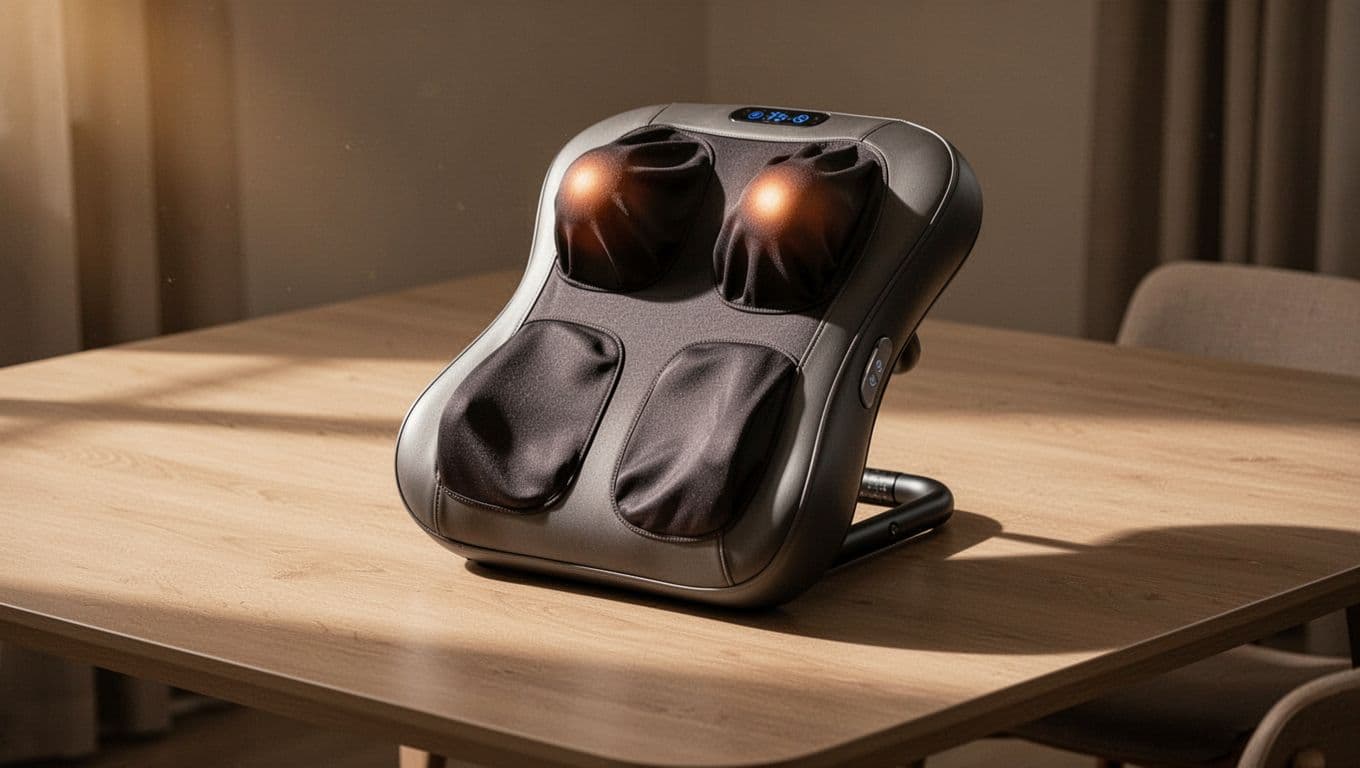
Adjustable intensity matters more than maximum power. Begin with gentle pressure and increase only when the sensation remains comfortable. A device that features an ergonomic design and adjustable speed to suit daily needs is usually better than a model that feels impressive at full strength but proves too aggressive for routine use.
Look for a built-in timer. Many consumer guides recommend keeping routine sessions around 15 to 20 minutes, while massage guns need much shorter contact on each muscle group. A timer helps prevent falling asleep with the device running or staying on one tender area too long.
A soothing heat function can feel relaxing, but it adds another safety concern. Choose a model with a separate heat control and an automatic shutoff. Avoid heat if you have reduced skin sensation or cannot tell when your skin is becoming too warm.
The device should also be easy to clean. Sweat, oils, and skin contact can leave residue on covers and handles. Wash removable covers according to the manufacturer’s instructions, and don’t share a device that touches broken or irritated skin.
Before buying, check the return policy, warranty, battery or cable quality, replacement parts, and noise level. If you live in a small Nairobi apartment, a quiet cordless massager running on a rechargeable battery may be more useful than a large chair that takes up permanent floor space. Health’s back massager buying guide also highlights comfort, control, and practical design when comparing models.
Safe ways to use a back massager
Place the device on the muscles beside the spine, not on the vertebrae. Avoid the neck, head, joints, shoulder blades, ribs, kidneys, and any area that feels sharp or unusually tender. Keep a massage gun moving instead of holding it in one spot to achieve safe pain relief.
Start on the lowest setting for the first session. Use light contact and pay attention to your skin and muscles during the next few hours when seeking relief from muscle tension. Mild temporary sensitivity can occur, but increasing pain, bruising, numbness, tingling, or muscle soreness that lasts into the next day means you used too much pressure or time.
A massager should feel comfortable during use. Pain is a reason to stop, not a sign that the device is working better.
Never use an electric massager on wet skin, in a bath, or near a damaged cable. Don’t operate it while driving, sleeping, or doing another activity that prevents you from noticing discomfort. Inspect the cord, plug, and housing before each use.
Skip massage over open wounds, rashes, sunburn, fresh scars, swelling, bruises, inflamed skin, varicose veins, or areas with poor circulation. Keep the device away from implanted electronic equipment unless a qualified clinician confirms that use is safe.
Pregnancy, blood-clotting conditions, suspected deep-vein thrombosis, osteoporosis, a recent fracture, recent surgery, diabetes with reduced sensation, and fibromyalgia all require extra care. When you rely on a deep tissue massager, improper handling can cause harm if the user cannot feel excessive pressure or when tissue is healing.
If you have a new injury, unexplained weakness, loss of sensation, severe pain, fever, or pain that keeps returning, speak with a healthcare professional before using a device for targeted relief. Hinge Health provides additional guidance on using a massage gun for lower back pain, including areas that should be avoided.
When professional massage is a better choice
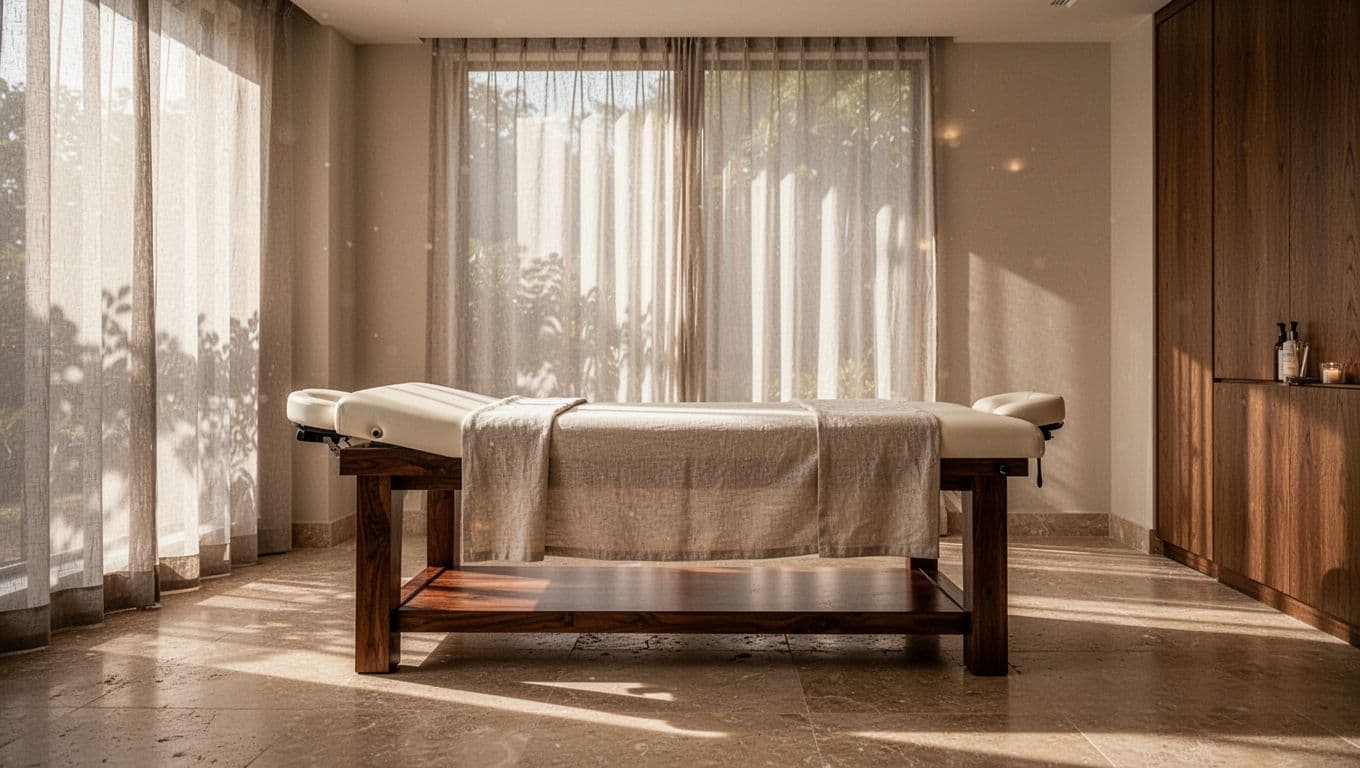
A device works best when you can identify the muscles that need gentle attention. While a reliable neck and shoulder massager or a targeted shiatsu neck massager can work wonders for daily upkeep, professional care is more suitable when you cannot reach the painful area, need different pressure across the body, or want help relaxing without holding or positioning a machine.
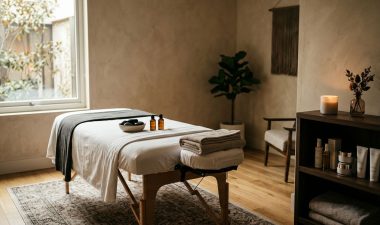
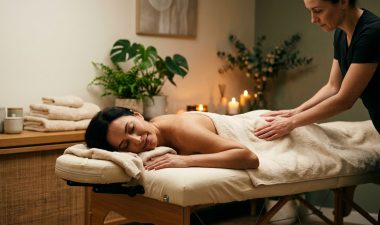
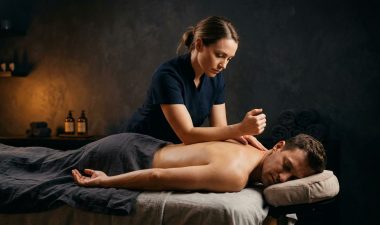
A trained therapist can ask about your comfort, adjust pressure during the session, and avoid areas that need protection. Swedish massage usually uses lighter, flowing strokes to deliver a relaxing massage. Deep tissue massage applies firmer, focused pressure, acting as a human alternative to an automated deep tissue massager when you need serious pain relief, while Thai massage includes assisted stretches and changes in body position. Hot stone, hot oil, aromatherapy, and foot massage offer other ways to build a complete session aimed at lasting pain relief.
You don’t need to compare 20 types of massage before booking. Choose based on your goal, pressure preference, health history, and the therapist’s recommendations. A professional massage therapy guide can help you understand common techniques and safety questions.
For people searching “massage near me”, “massage spa near me”, or “massage therapy near me”, quality and communication matter more than a low advertised price. Look for a clearly named business, visible service information, hygienic rooms, professional boundaries, and a booking process that lets you ask questions.
In Nairobi, local searches may include “Massage spa Kilimani”, “Massage Parlour Kilimani”, “massage spa Nairobi”, “Nairobi massage near me”, or “massage near me open now”. Location alone doesn’t prove quality. Confirm the address and ask whether the service is a professional body massage with a clear treatment menu.
A Kilimani client may prefer a nearby massage spa after work, while someone living in Westlands may search for Nairobi massage Westlands or westlands Nairobi massage. Travelers may look for massage in Langata or full body massage Mombasa. Mobile massage Nairobi services can be convenient, but verify therapist identity, hygiene standards, payment details, and the treatment provided before inviting anyone to your home.
Couples massage Nairobi bookings and full body massage for couples can also be arranged at professional spas. If you’re booking full body massage for women, ask about therapist preference, draping, privacy, and the exact technique before the appointment.
Making a sensible choice in Nairobi
Online results can mix local spas with international names, and shoppers looking for a home shiatsu back massager, a relaxing massage pillow, or a cordless massager with a built-in heat function will find plenty of digital options. Massage Warehouse is generally associated with equipment and supplies, not necessarily a local treatment room. Check the location before relying on reviews or service descriptions.
Avoid choosing a provider only because a listing says low price or appears in an unverified social media group. Searches such as Nairobi massage spa Telegram and Nairobi massage ads may lead to unclear service descriptions. A reputable Nairobi massage center should state its address, booking contact, treatment options, and professional standards.
If you prefer an in-person session in Kilimani, you can review massage services in Kenya before booking. Happiness Massage & SPA offers Swedish, deep tissue, Thai, hot stone, aromatherapy, herbal, and foot massage options in a calm setting.
A portable massager provides great on-the-go convenience, but physical wellness spas offer complete relaxation and professional care. A massage app or map search can help you compare travel time, and you can also look into a reliable shiatsu back massager for daily relief between spa visits. Read recent reviews for details about cleanliness, communication, punctuality, and pressure control. Search terms such as massage near me current location may show the closest result, not the most suitable one.
Frequently Asked Questions
Can I use a back massager on my spine or neck?
No, you should never apply a back massager directly to the spine, vertebrae, bones, joints, or the front of the neck. Always position the device on the large muscle groups beside the spine and avoid sensitive areas to prevent injury.
How long should a typical back massager session last?
Most consumer guides recommend keeping routine sessions around 15 to 20 minutes, while powerful massage guns should only be used on each muscle group for about two to three minutes. A built-in timer can help you avoid overusing the device on a single tender spot.
When should I avoid using a home back massager?
You should skip using an electric massager over open wounds, bruises, swelling, inflamed skin, or fresh injuries. Additionally, individuals with specific health conditions like osteoporosis, blood-clotting issues, or deep-vein thrombosis should consult a doctor before using these devices.
Is a home back massager better than a professional massage?
Home back massagers offer great convenience and support daily relaxation or mild muscle tension relief between appointments. However, a professional massage is better when you need targeted deep tissue work, cannot reach the painful area yourself, or want a comprehensive treatment tailored to your health history.
Conclusion
Investing in a back massager can greatly support relaxation and mild muscle comfort when you choose the right design and use it gently. Whether you prefer a shiatsu back massager, a dynamic percussion massager, a versatile handheld massager, a comforting shiatsu neck massager, a cordless massager for easy travel, a deep tissue massager for stubborn knots, a vibration massager, or a dedicated neck and shoulder massager, each tool offers unique benefits. Features like kneading massage rollers and adjustable settings help target everyday muscle tension and soothe muscle soreness effectively.
Keep every session brief, avoid the spine and damaged skin, and stop when symptoms worsen. If pain is persistent, severe, or linked to a medical condition, professional advice should come before self-treatment. For many people, the best routine combines careful home use with a relaxing massage or professional treatment when their body needs deeper care for lasting pain relief.