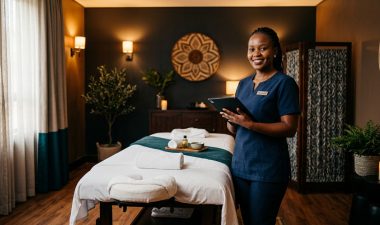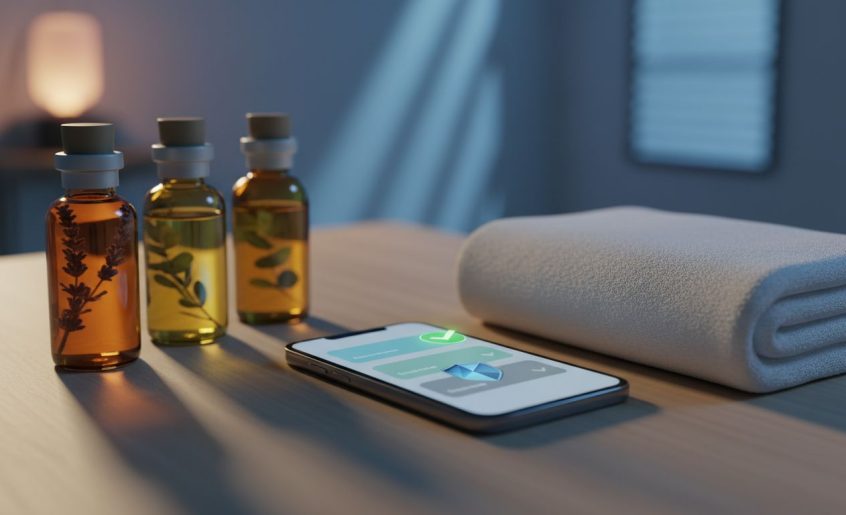
A good message app can turn a free hour into a booked Swedish massage, foot treatment, or home visit without several phone calls. However, convenience should never replace clear pricing, qualified therapists, and safe booking practices.
Apps vary by city, service, and provider. A messaging app that works well in New York or London may have limited options in Nairobi, so check the live service area before paying. Furthermore, modern wellness platforms rely on secure messaging to safeguard user requests and therapist availability. These steps will help you compare options with confidence.
Key Takeaways
- Use reliable messaging and wellness apps that display upfront pricing, clear treatment descriptions, and transparent cancellation terms before you confirm.
- Verify therapist credentials, professional training, and recent user reviews rather than relying solely on low prices or flattering promotional claims.
- Prioritize platforms with strong data privacy, secure in-app communication, and built-in spam protection instead of unmonitored private chats.
- Match the specific massage style—such as Swedish, deep tissue, or Thai—to your individual health goals and body needs.
- For local bookings in areas like Nairobi, confirm the exact business address and availability through professional spa pages rather than ambiguous online listings.
What a massage app should help you do
The best apps make the booking process clear before you confirm. You should be able to choose the session length, massage style, location, preferred time, and therapist where that option is available.
A useful platform also shows whether you are booking a licensed therapist, an independent practitioner, or a spa appointment. Those are different services. A mobile therapist may travel to your home, hotel, or office, while a spa booking sends you to a fixed treatment room.
Look for these features:
- A real-time calendar that shows available appointments.
- Clear treatment descriptions for Swedish, Thai, deep tissue, sports, prenatal, and foot massage.
- Therapist profiles with credentials, experience, reviews, and areas served.
- Upfront pricing that includes travel fees, service charges, taxes, and cancellation terms.
- Secure in-app payment and a booking confirmation.
- A reliable communication tool, such as a messaging app with text messaging, SMS and MMS notifications, or direct messaging support if the therapist is late or the appointment changes.
- Intake questions about injuries, allergies, pregnancy, pressure preferences, or health conditions.
Some platforms focus on customers, while others help therapists manage their practices. MassageBook, for example, offers online booking, client management, and professional tools through its mobile features for massage therapists. That type of software may power a spa’s booking page, but it isn’t necessarily a marketplace where you can compare local practitioners.
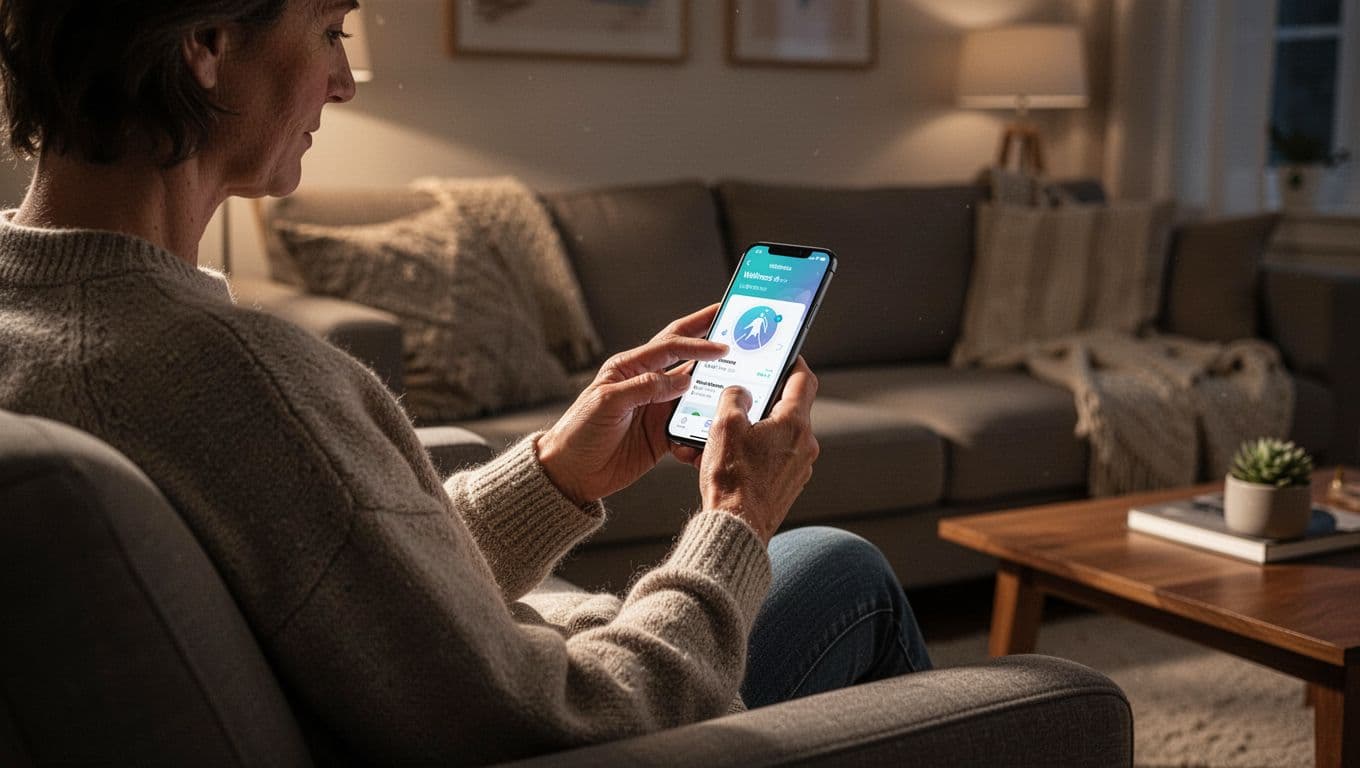
A booking app should also let you cancel or reschedule without forcing you to message a private number. If you rely on private messaging, quick reply shortcuts in unmonitored group chats, or external tools that let you schedule messages outside the system, you lose useful records and customer support.
How to compare massage apps, prices, and services
Start by deciding what you need. Someone with tired feet after travel may want a foot massage. A runner may prefer sports work. General stress often suits Swedish massage, while stubborn muscle tension may call for deep tissue massage from a trained professional.
Search results can be misleading because similar phrases describe very different services. A listing for “massage spa near me low price” may exclude travel charges or offer a shorter session than the headline suggests. Check the final amount at checkout.
This simple comparison can help:
| Feature | Strong option | Warning sign |
|---|---|---|
| Price | Shows the complete cost before payment | Adds unexplained fees later |
| Therapist | Names qualifications and experience | Uses only flattering claims |
| Location | Confirms home, hotel, office, or spa address | Reveals details after payment |
| Treatment | Explains pressure, duration, and limits | Uses vague terms for every service |
| Reviews | Includes recent, detailed feedback | Displays only anonymous praise |
| Support | Provides in-app help and booking records | Pushes you to private chats |
Consumer platforms such as Zeel, Soothe, and Blys are known for on-demand wellness bookings in selected markets. Their coverage, hours, prices, and treatment menus change by location. Some US services list same-day home appointments, while other platforms focus on hotels, offices, events, or fixed spas. When coordinating logistics, some wellness providers use a reliable text app to confirm appointment times, while others rely on a traditional message app or a dedicated chat application for scheduling. These systems often include built-in spam protection to block unwanted notifications, alongside automated SMS and MMS reminders for your session. Users may also benefit from media file sharing to view venue photos, or customizable chat themes to personalize their booking interface.
In contrast, local booking pages may provide a more direct relationship with a known Nairobi massage centre. A spa’s own site can also show its full menu, including aromatherapy, hot stone, hot oil, and herbal treatments. For example, you can explore Happiness Spa services before choosing an appointment.
The lowest price is not always the best value. Compare the session length, therapist experience, cleanliness standards, travel time, and cancellation policy. A 90-minute appointment with no surprise fee may cost less than a cheaper booking with several add-ons.
Check credentials, privacy, and personal safety
Massage involves physical contact and private information, so the provider deserves careful screening. Credentials differ by country and type of practice. Look for a verifiable qualification, professional training, business location, and clear treatment boundaries.
Reviews can help, but they don’t prove a therapist’s credentials. Read recent comments for details about punctuality, communication, hygiene, pressure control, and professionalism. Be cautious when every review uses identical language or when a profile has no service history.
For a home appointment, confirm the therapist’s name, arrival time, service duration, and payment method inside the app. Tell someone you trust when the appointment starts. Keep valuables out of sight, and choose a common area rather than an isolated room if that feels safer.
A professional booking platform should also protect your data. Your address, phone number, health information, and card details deserve careful handling through end-to-end encryption. Before creating an account, review the privacy policy and app permissions, and ensure the platform provides robust spam protection. The platform shouldn’t request access to unrelated information on your phone.
A therapist’s profile can attract a booking, but the app’s identity checks, support process, and payment records provide much of the practical protection.
Don’t send deposits to unfamiliar personal accounts after finding a provider through a social post. Searches such as “Nairobi massage spa telegram” or “Nairobi massage and extras services contact” may lead to private channels that rely on disappearing messages, unverified video calls, or insecure private messaging to avoid accountability. A listing that uses vague promises, refuses to share a business location, or asks for unusual personal information is a poor choice.
Providers who travel also need safety systems. Route planning, appointment records, and location details matter when a therapist visits homes or hotels. Guidance on starting a mobile massage business shows why scheduling and safety records matter on both sides of the booking. When managing your appointments, avoid coordinating sensitive details through your phone’s standard default messaging app.
Match the treatment to your body and goal
An app can help you select a service, but it can’t diagnose an injury. Modern platforms sometimes leverage artificial intelligence to suggest treatments based on your client intake responses, but you should still choose the final option based on your personal health goals and describe any pain accurately.
Swedish massage usually uses flowing strokes and moderate pressure. It often suits relaxation, light muscle tension, and first-time clients. Deep tissue massage uses firmer, focused work, but more pressure isn’t always better. Pain during a session should never be treated as proof that the massage is working.
Thai massage often includes assisted stretching and may take place on a mat with comfortable clothing. Lymphatic drainage massage uses gentle techniques and may require extra care for certain medical conditions. Ask a qualified healthcare professional before booking massage for unexplained swelling, recent surgery, blood clots, fever, or a serious injury.
A full body massage can include the back, legs, arms, shoulders, and feet, but the exact coverage varies. Confirm what “full body” means before paying. The same applies to “Asian massage”, “relaxing massage”, or packages that combine several treatments.
Searches for “20 types of massage” can introduce useful ideas, but a long list doesn’t make a service better. A trained therapist should ask about your preferences and adjust pressure during the session. Reliable booking platforms maintain offline support or fall back to standard text messaging and rich communication services when you need to confirm details with your provider while mobile data is limited.
You may also compare professional massage with home devices. A massage gun, back massager, massage chair, or foot massager can help with short periods of muscle comfort. These products don’t replace a therapist’s assessment, hands-on adjustments, or communication. Avoid using a massage gun over bones, open wounds, varicose veins, or an area with sharp pain.
Short massage videos can demonstrate general techniques, but a “massage video” or “body massage video” cannot confirm a provider’s training. Safe platforms ensure that intake forms and instructional content avoid relying solely on basic media file sharing or unmonitored group chats for your medical disclosures. Use these materials for general education, not as evidence that an online listing is safe.
Finding a suitable massage app in Nairobi
Nairobi availability needs extra attention because some global apps don’t operate in every neighbourhood. Search terms such as “massage spa Kilimani”, “Massage Parlour Kilimani”, “massage near me current location”, and “massage near me open now” can show nearby providers, but check the actual address and appointment availability. When evaluating your options, ensure you do not rely on informal recommendations shared through a random text app or unverified group chats.
If you want a local spa, compare Kilimani, Westlands, Langata, and other areas based on travel time and service quality. Searches for “Nairobi massage near Yaya Centre”, “Nairobi massage Westlands”, “westlands Nairobi massage”, or “massage in Langata” may lead to different businesses, so don’t assume that a familiar phrase identifies one provider. Legitimate venues often communicate booking confirmations using standard SMS and MMS formats backed by built in spam protection so you receive only verified appointment details.
A local client might also search “Nairobi massage therapist”, “Nairobi massage centre”, “Nairobi massage parlour”, “Nairobi massage parlors”, or “Nairobi massage services”. Read the service menu before booking. Professional listings should describe treatments such as full body massage Nairobi, Thai massage near me, foot massage near me, and couples massage Nairobi in clear, non-suggestive language.
Some searches, including “Nairobi massage body to body”, “Nairobi massage and extras services”, or “Nairobi massage ladies”, can produce ambiguous results. If you want legitimate massage therapy, choose a provider that publishes its boundaries, therapist details, business address, and booking terms. Avoid listings that use coded language or refuse to explain the service, and never arrange visits via an unsecured text app or alternative messaging app.
For a fixed location in Kilimani, a direct spa appointment may offer better clarity than a general marketplace. Review the Kilimani massage spa guide and compare the treatment, pressure level, privacy arrangements, and hygiene details before you book. You can often use a dedicated message app or platform tools to schedule messages for future reminders without hassle.
The same principle applies to searches for a “massage spa Nairobi”, “Nairobi massage spas”, or “Nairobi massage near me”. A map result is only a starting point. Confirm the exact address, opening hours, session price, and whether the provider accepts advance bookings, perhaps coordinating details through official SMS and MMS alerts or active group chats associated directly with the spa.
Frequently Asked Questions
How do I know if a massage app is safe to use?
A safe booking app should offer transparent pricing, clear therapist credentials, secure end-to-end data encryption, and reliable in-app customer support. Avoid platforms that force you to coordinate appointments through unverified private messaging or anonymous social channels.
What should I check before booking a home massage visit?
Always confirm the therapist’s name, exact arrival time, service duration, and payment details inside the app. For personal safety, inform a trusted contact when your appointment begins and keep valuables out of sight.
Are the lowest-priced massage options always the best value?
Not necessarily, because low headline prices often exclude travel fees, service charges, or taxes that get added later. Always review the final checkout amount, session length, and cancellation policies to determine true value.
How do I choose the right type of massage for my needs?
Select a style that matches your physical condition, such as a gentle Swedish massage for general stress relief or targeted deep tissue work for stubborn muscle tension. Consult a healthcare professional before booking if you have recent injuries, medical conditions, or unexplained pain.
Conclusion
A massage app is useful when it shows the full price, identifies the therapist, protects your information, and gives you support after booking. Before choosing, match the treatment to your needs, confirm the location, and read the cancellation terms. Similarly, whether you are coordinating through a general messaging app, a specialized wellness message app, or a customer service chat application, ensuring reliable support and secure messaging is essential.
For Nairobi appointments, local availability may be clearer through a professional spa’s own booking page. Whether you want Swedish massage, deep tissue work, a foot massage, or a couples session, safe booking starts with specific information rather than a promising search result. Modern platforms also enhance the user experience by integrating standard text messaging, helpful guidance driven by artificial intelligence, and customizable chat themes to streamline appointments safely.