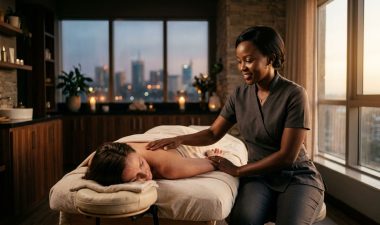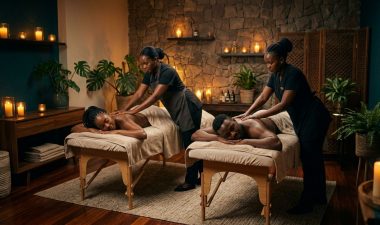
Massage products are the tools that help a massage feel smoother, more comfortable, and more effective, whether you’re using them at home, in a spa, or in a treatment room. They include more than oils, they can also include lotions, creams, towels, bolsters, and other items that shape the whole experience.
The right choice can change how long the massage lasts on the skin, how much pressure feels comfortable, and how safe it is for different skin types. If you’ve ever guessed your way through buying massage products, this will help you narrow things down with more confidence and choose what fits the job.
What massage products really do for comfort and results
Massage products shape the feel of a session long before pressure even starts. They help hands move the right way, support the body under the client, and change the mood of the room in small but meaningful ways.
The best choice depends on the job at hand. A flowing relaxation massage asks for a different surface feel than deep tissue work, and a client with dry skin may need something richer than a client who wants almost no residue left behind.
 ### The main job of massage oils, lotions, and creams
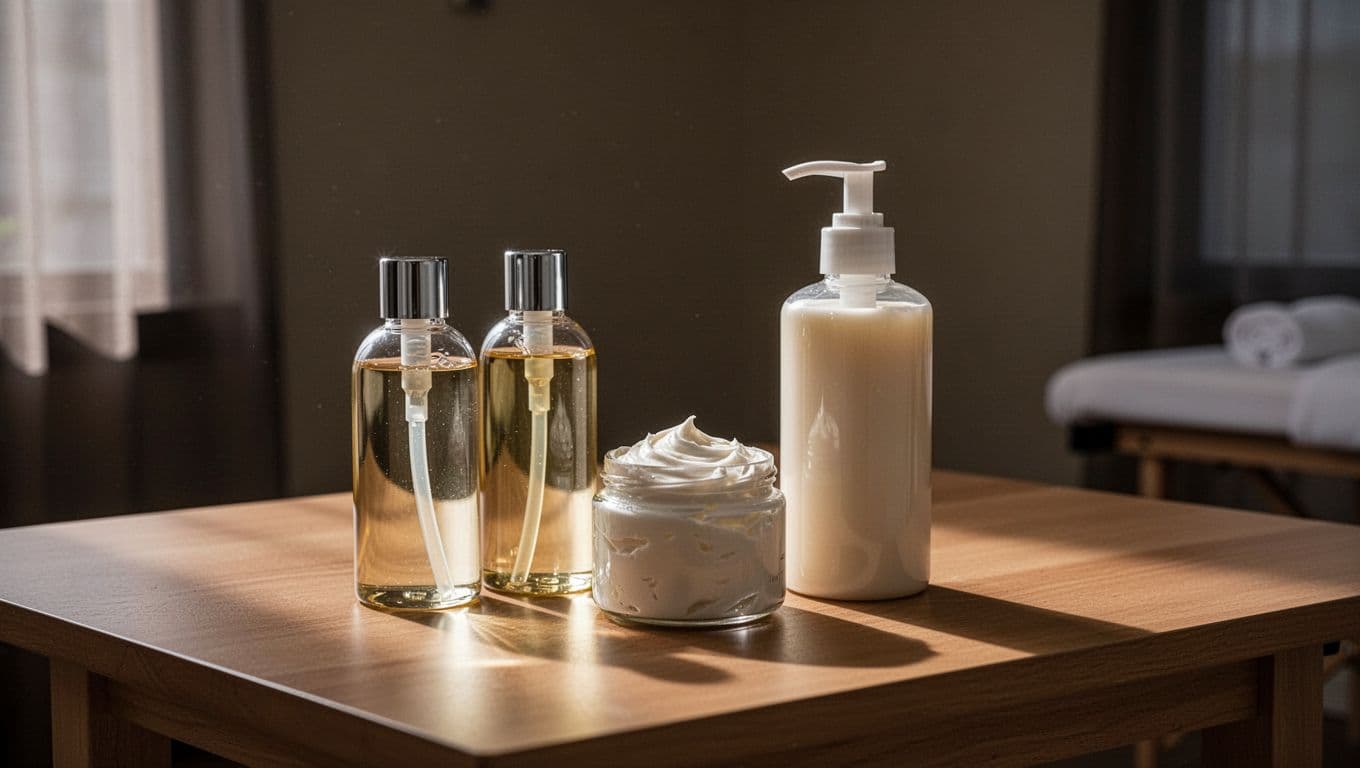
Massage oils give the most glide. They let the therapist move smoothly across the skin, which helps with long strokes, relaxation work, and any session that needs a soft, flowing rhythm. Oils also tend to leave a richer feel on the skin, which many clients enjoy when dryness is part of the problem.
Lotions sit in the middle. They still help the hands move, but they absorb faster and leave more grip, so the therapist can work with better control. That makes them a smart pick for deep tissue, sports massage, or any technique where the hands need to stay connected without slipping too much. For a broader look at professional options, massage therapy services often show how product choice changes by treatment type.
Creams are the thickest of the three. They give the least glide and the most grip, which helps during focused work on tight areas. They also feel less oily on the skin, so clients who dislike residue often prefer them.
A simple way to compare them is this:
| Product | Glide | Grip | Skin feel |
|---|---|---|---|
| Oil | High | Low | Smooth, rich, often more lubricated |
| Lotion | Medium | Medium to high | Light, balanced, absorbs faster |
| Cream | Low | High | Thick, controlled, less greasy |
The right product does more than reduce friction, it changes how accurately the therapist can work.
Why tools and accessories matter too
The full setup matters as much as the product on the skin. A stable massage table helps the client relax, and it helps the therapist keep a steady working height. When the body is aligned well, pressure feels more even and the session flows without awkward stops.
Bolsters support the neck, knees, ankles, and lower back. That small lift can ease tension right away, especially for clients who struggle to lie flat for long periods. Towels add warmth, privacy, and a clean transition between strokes, while also keeping excess product under control.
Stools matter in a treatment room too. A good stool lets the therapist shift position without strain, which keeps the work smooth and protects posture over time. In a home setting, the setup may be simpler, but the same idea still applies, because comfort and support shape the quality of the session.
A few accessories make the biggest difference when the room is prepared with care:
- Bolsters support joints and reduce strain.
- Towels keep clients warm and help manage product.
- Tables create stability and easier body access.
- Stools support the therapist’s posture and movement.
For clients who want to compare session styles and package options, spa treatment plans can help match the setup to the kind of massage they want.
When extra features like heat or scent make a difference
Heat can change the whole feel of a massage. Warm oils spread more easily, hot towels soften the skin, and heating pads can relax tight muscles before hands even begin to work. These extras help most when the goal is comfort, release, and a slower pace.
Scent plays a different role. Essential oils and aromatherapy can make the room feel calmer, fresher, or more uplifting, depending on the blend. Lavender often suits relaxation, while brighter scents can feel cleaner and more energizing. Still, scent should stay in the background. It should support the session, not compete with it. For a closer look at how aroma-based services fit into massage care, professional therapy services offer a useful reference point.
Simple can be better, though. If a client has sensitive skin, headaches, allergies, or strong scent preferences, plain products are often the safer choice. The same goes for focused therapeutic work, where too many extras can distract from the massage itself.
In a spa treatment room, heat and scent can feel polished and intentional. At home, they may feel cozier and more personal. Either way, the best result comes from matching the feature to the client, not adding it for show.
The most useful massage products to know before you buy
The best massage products are the ones that match the job, the skin, and the setting. A deep tissue session, a home recovery routine, and a polished spa treatment room all call for different tools, so buying well starts with knowing what each item actually does.
Some products help hands glide longer. Others add pressure, heat, scent, or support. A few are meant for quick cleanup and simple home use, while others are built for repeated professional sessions and need to hold up under daily wear.
Massage oils, lotions, and balms
Massage oils give the smoothest glide, so they work well for long, flowing sessions and relaxation work. They usually feel richer on the skin, which helps dry areas, but they can leave more residue on sheets and towels.
Lotions absorb faster and leave more grip. That makes them a better fit for deep tissue work, sports massage, or any session where you want control without too much slip. Balms sit at the thicker end of the scale, and they suit dry skin or focused work on tight spots because they stay in place longer.
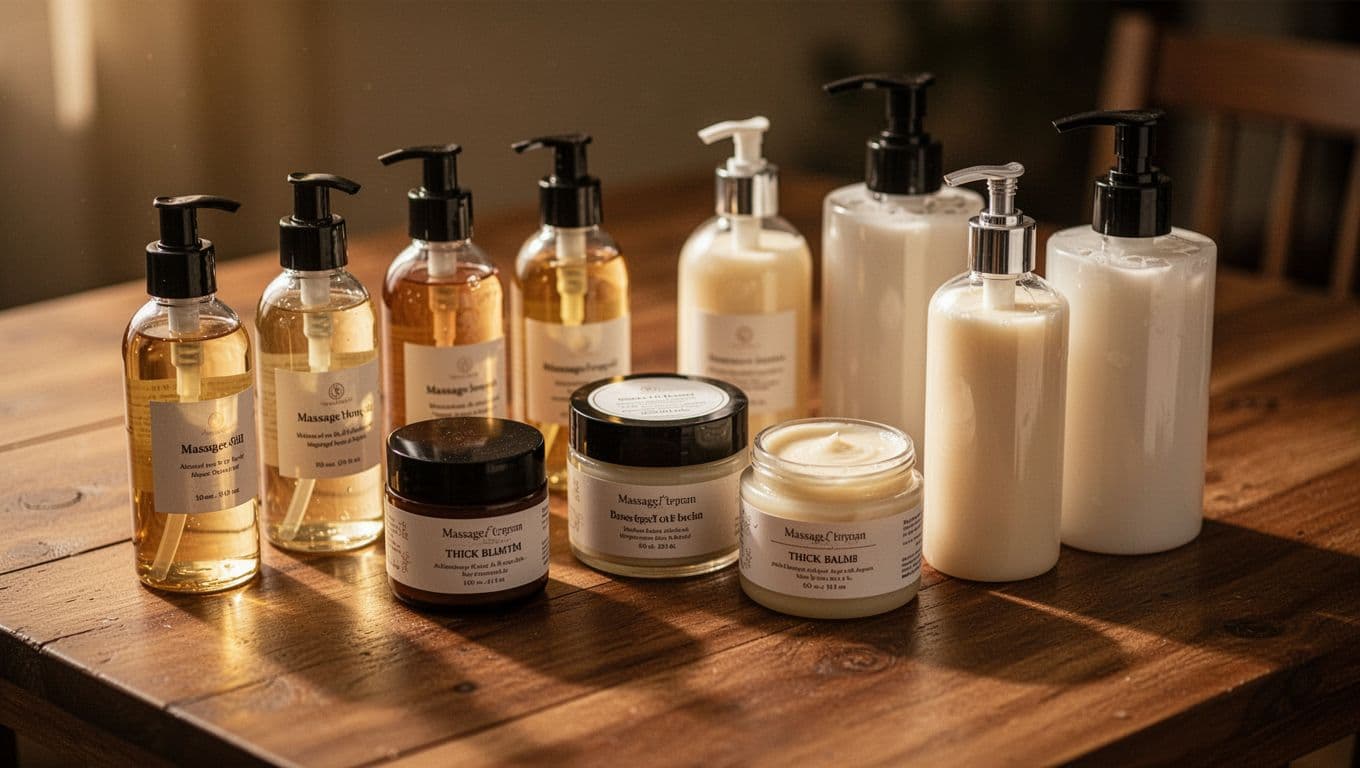 Scent matters too. Unscented products are the safest choice for sensitive skin, scent allergies, or shared treatment rooms. If you want a more spa-like feel, lightly scented blends can set the tone without overpowering the room.
For a closer look at how product choice changes with skin type, this guide to massage oils is useful as a starting point.
Richer products can feel great on dry skin, but they are harder to wipe off and may need more laundry care.
If you want a balanced home setup, keep one product for long, gliding sessions and another for quicker cleanup. That gives you flexibility without filling a cabinet with bottles you rarely use.
Massage tools for pressure, release, and targeted relief
Massage guns are the most obvious tool in this group. They use rapid percussion to target sore muscles, tight shoulders, glutes, and other hard-to-reach spots, which makes them popular for sports recovery and spot work. They can feel intense, so they suit people who want deeper pressure and are comfortable with a stronger sensation.
Foam rollers are simpler and quieter. They cover larger muscle groups like the back, thighs, and calves, so they work well for daily mobility and general release. If you want broad pressure rather than pinpoint treatment, a roller is often the better buy.
Heated tools add another layer. Warm pads, heated massage devices, and similar items help muscles loosen before or during treatment, which can make the work feel less abrupt. Handheld devices can also help with lighter use around the neck, arms, and lower back, especially when you want something easy to hold and control.
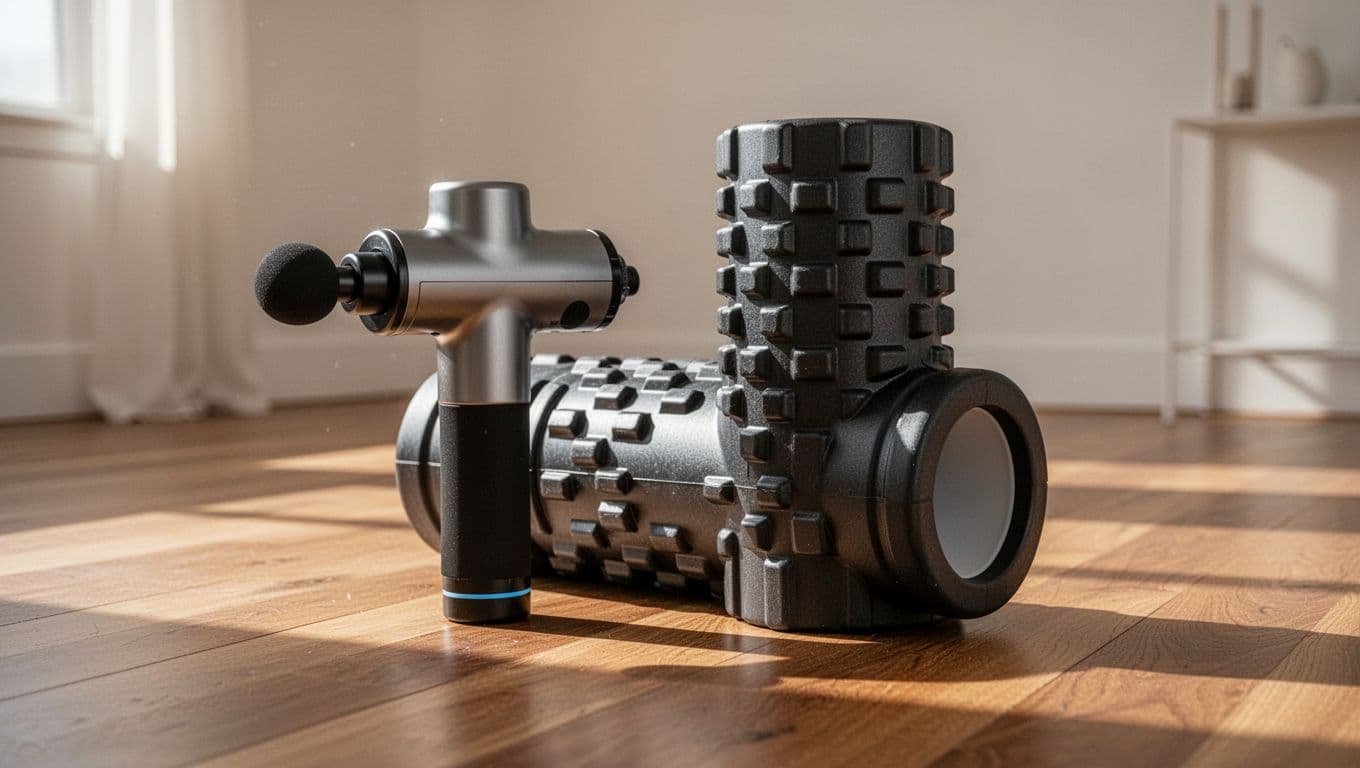 A few quick buying cues help narrow the field:
- Massage guns fit targeted relief, athletic recovery, and deeper pressure.
- Foam rollers work best for larger muscle groups and daily mobility.
- Heated tools help when warmth matters more than speed.
- Light handheld devices suit gentle home use and simple tension relief.
Used the right way, these tools can support the session, not overpower it. If you want to see how product choices connect to professional massage options, the spa’s massage plans give a helpful sense of how different treatments can call for different tools.
Spa and treatment room essentials
A good massage table changes everything. It gives the client a stable surface and helps the therapist work at the right height, which protects comfort on both sides of the table. In a professional setting, table padding, width, and weight capacity all matter because durability affects the feel of every session.
Face cradles and bolsters matter just as much. A face cradle keeps the neck in a more natural position, while a bolster supports the knees, ankles, or lower back. That little lift can turn an uncomfortable position into one that feels easy to hold.
Towels and covers do more than keep things tidy. They add warmth, protect skin, control product, and make the room feel finished. In a busy spa, washable covers and durable linens also save time and money because they hold up better over repeated use.
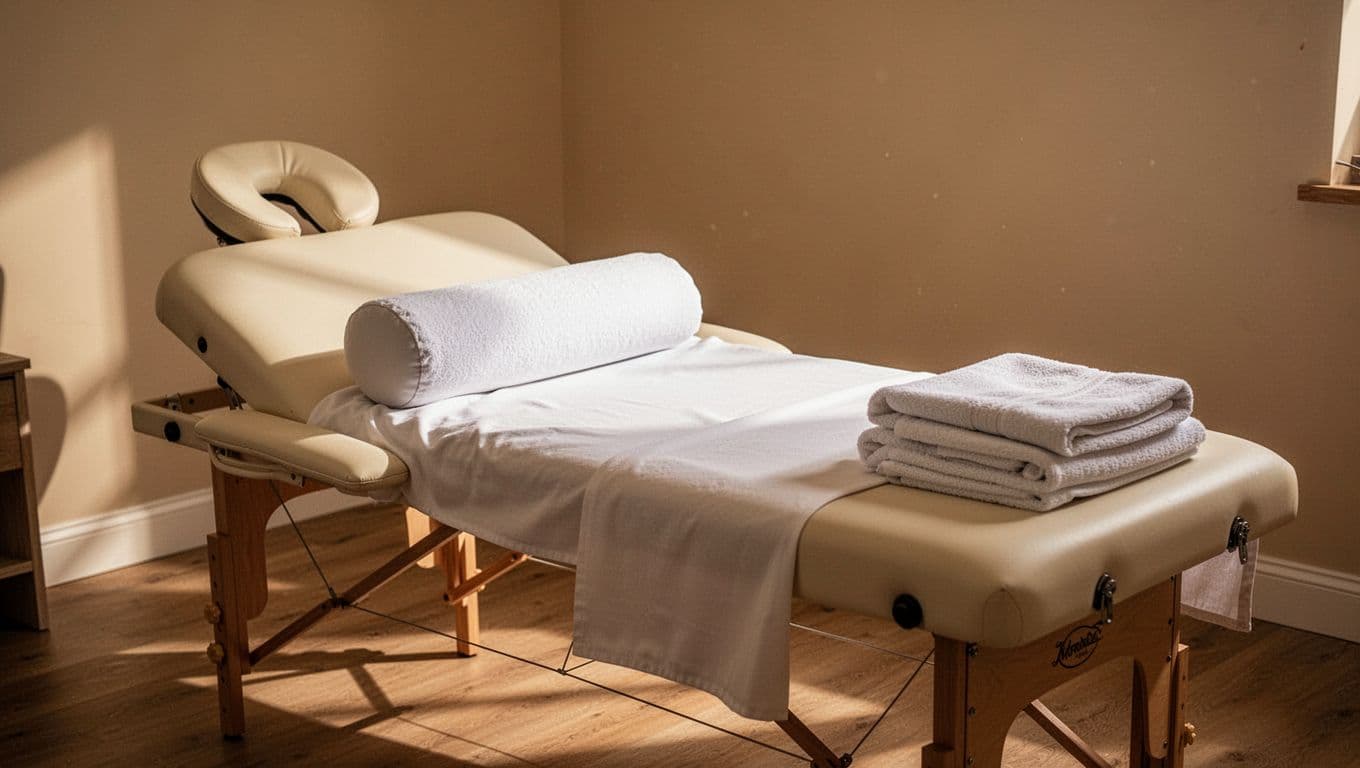 Storage bags are easy to overlook, but they matter for mobile therapists and home users alike. They keep oils upright, protect tools between sessions, and make transport easier when you need to move equipment safely.
When buying these essentials, focus on two things: comfort and durability. Comfortable gear makes the session feel better right away, and durable gear keeps its shape after regular use.
Aromatherapy and specialty add-ons
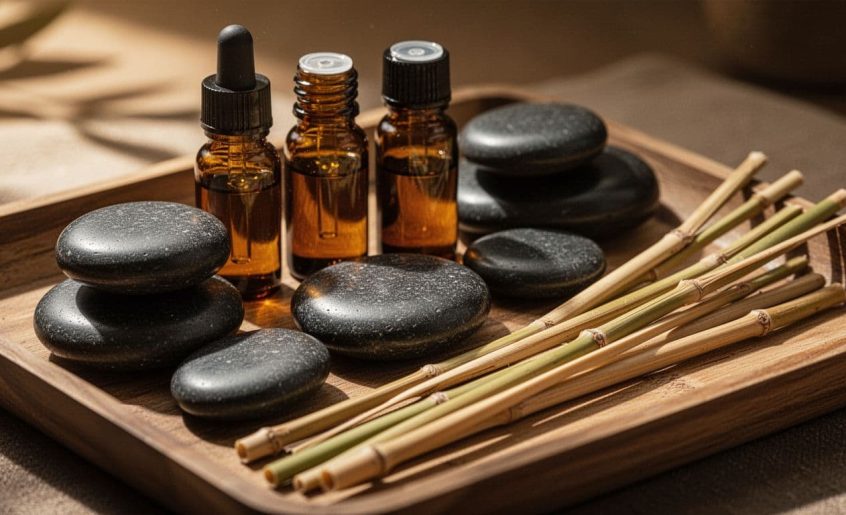
Essential oils can shape the mood of a session in a single breath. Lavender, eucalyptus, and citrus blends are common choices because they can feel calming, clean, or bright, depending on the effect you want. Used carefully, scent can soften the room without taking over it.
Hot stones bring steady warmth to tired muscles. They work well when the goal is gentle release and a more soothing pace, especially during relaxation treatments. Hot bamboo offers a firmer, more focused feel, so it suits sessions that need warmth plus pressure.
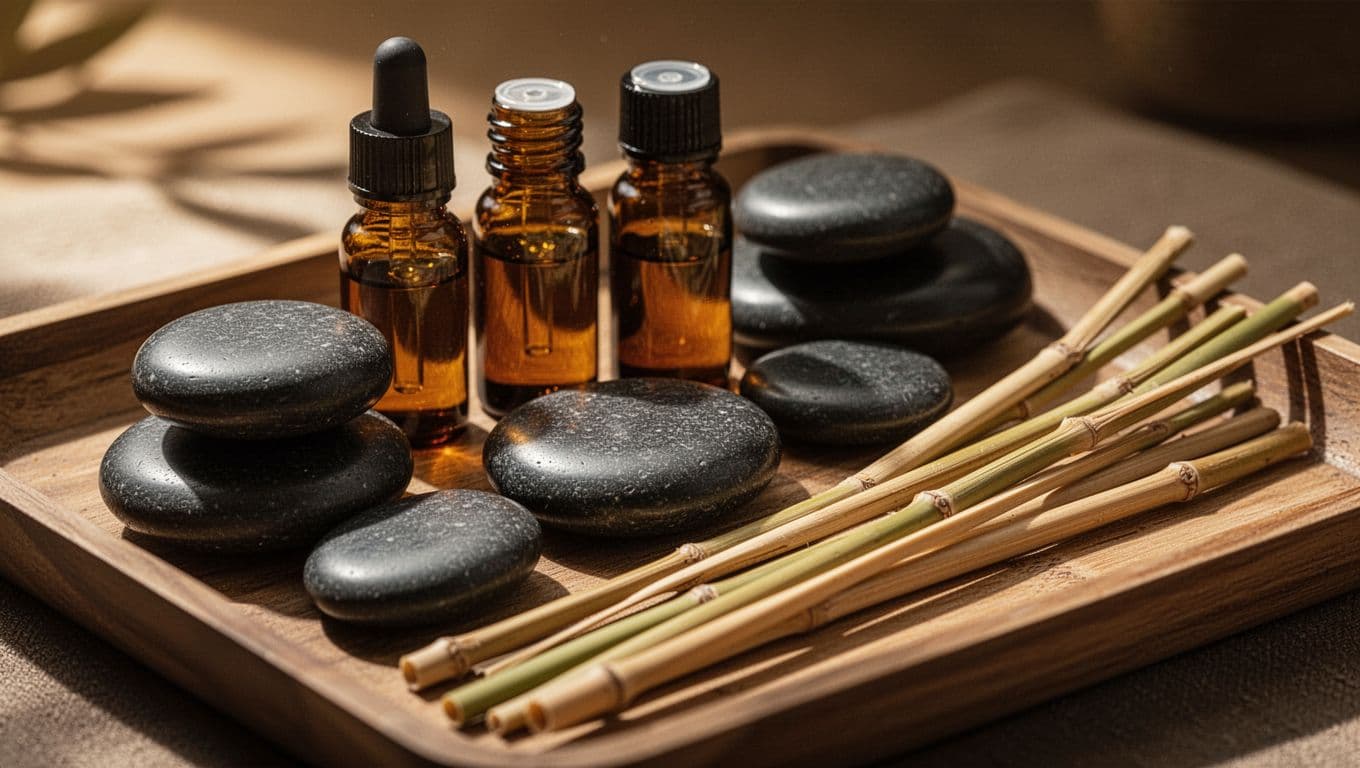 These extras work best when they have a clear purpose. A scented blend can set the tone for relaxation, while stones or bamboo can add warmth and texture that plain handwork can’t match.
Keep the following in mind when choosing specialty add-ons:
- Use light scents for sensitive clients or shared spaces.
- Choose hot stones for soothing warmth and slow, steady release.
- Pick hot bamboo when you want firmer pressure with heat.
- Treat add-ons as support tools, not the main event.
Used with care, these products can turn a basic massage into a more polished session. The key is picking one or two extras that fit the goal instead of loading the table with every option available.
How to choose the right massage products for your needs
Choosing the right massage products gets easier when you start with the session itself. The best bottle, cream, or add-on depends on what you want the massage to do, how your skin reacts, and how often you plan to use it. A product that feels perfect for a spa table may feel clumsy at home, and a product that works for a quick recovery session may not suit a slow relaxation treatment.
A simple buying mindset helps. First, match the product to the massage style. Next, check your skin needs and scent preferences. Then weigh price against how often you will use it. That order keeps the shelf clear and the results better.
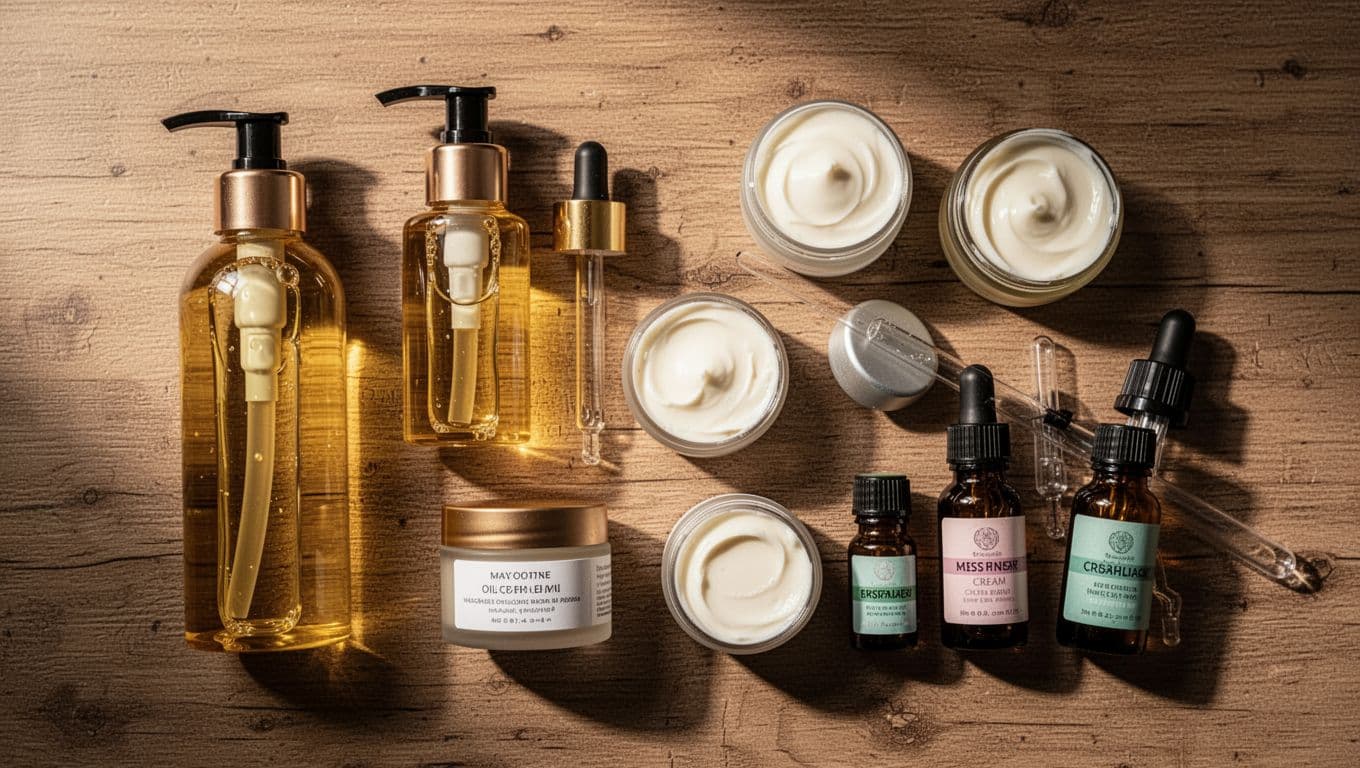 ### Match the product to the type of massage
Different massage styles ask for different textures. Swedish massage usually works best with oil or a lighter lotion because long strokes need smooth glide. Deep tissue often calls for a cream or thicker lotion, since the therapist needs more grip and less slip for focused pressure.
Hot stone sessions need products that can handle warmth without feeling greasy or breaking down too fast. Sports massage often benefits from fast-absorbing lotions or lighter oils, especially when the goal is quick muscle work and easy cleanup. Aromatherapy massage is a different story, because the scent matters almost as much as the texture. Relaxation massage usually leans toward richer oils or blends that make the room feel calmer and the skin feel soft.
A good way to narrow the choice is to ask one question: What should this product help the session do? If the answer is “glide,” buy for slip. If the answer is “control,” buy for grip. If the answer is “calm,” scent and feel matter more.
| Massage type | Product that fits best | Why it works |
|---|---|---|
| Swedish | Oil or light lotion | Smooth glide for flowing strokes |
| Deep tissue | Cream or thicker lotion | More control and less slipping |
| Hot stone | Medium-weight oil or lotion | Handles warmth and keeps the skin comfortable |
| Sports | Light lotion or fast-absorbing oil | Easy movement, less residue, quick cleanup |
| Aromatherapy | Unscented base with added essential oils | Lets scent shape the session without overpowering it |
| Relaxation | Rich oil or soothing lotion | Soft feel and longer-lasting comfort |
For a broader look at treatment styles, the spa and massage options on the site show how different sessions call for different setups.
The best product is the one that supports the goal of the session, not the one with the fanciest label.
Think about skin type, scent, and allergies
Skin type changes everything. Sensitive skin usually does better with fragrance-free, simple formulas that have fewer ingredients. Dry skin may need richer oils or creams, while oily or acne-prone skin often feels better with lighter, non-greasy options.
Ingredient labels matter more than most people think. If you know a client reacts to nuts, essential oils, or strong perfume, skip the guesswork and read the label first. Short ingredient lists are often easier to manage, especially when you want fewer surprises on the skin.
Patch testing is smart for any new product. Put a small amount on a small area of skin, wait, and watch for redness, itching, or irritation. It takes little time and can prevent a bad reaction later. For a simple starting point on oil selection, Healthline’s massage oil guide gives a clear overview of common options.
Balance quality, price, and how often you will use it
A premium product makes sense when you use it often or need professional-level consistency. Better pumps, richer textures, and cleaner ingredients often cost more, but they also tend to feel better on skin and hold up longer. If the product will be part of a regular routine, durability and ease of cleanup can justify the higher price.
A basic option is enough for occasional home use, especially if you only massage once in a while. In that case, look for a formula that works well, rinses clean, and doesn’t leave sheets or towels feeling heavy. That small detail matters more than a fancy scent or a polished bottle.
The real value comes from fit. A cheap product that stains linens or feels sticky can cost more in laundry and frustration. A well-made product that matches your routine often saves money in the long run.
Choose products that fit home use or professional use
Home use is usually about convenience. You want products that are easy to store, easy to pour, and easy to clean up after a session. A compact bottle, a simple lotion, and one or two accessories are often enough.
Professional use asks for a more polished setup. In a client-facing space, product presentation matters, storage needs to stay neat, and everything should feel consistent from session to session. Portability matters too, especially if you move between rooms or offer mobile services.
If the setup is for home, keep it simple and practical. If it’s for clients, think about appearance, refill size, and how the whole table looks when someone walks in. A tidy setup builds confidence before the massage even starts, and the right products make that easier to maintain.
Using massage products safely at home and in a spa
Good massage products should make a session feel smoother, cleaner, and more comfortable. They should not turn the room slick, irritate the skin, or leave you guessing about heat and cleanup. A little care goes a long way here, because the best results usually come from simple habits done well.
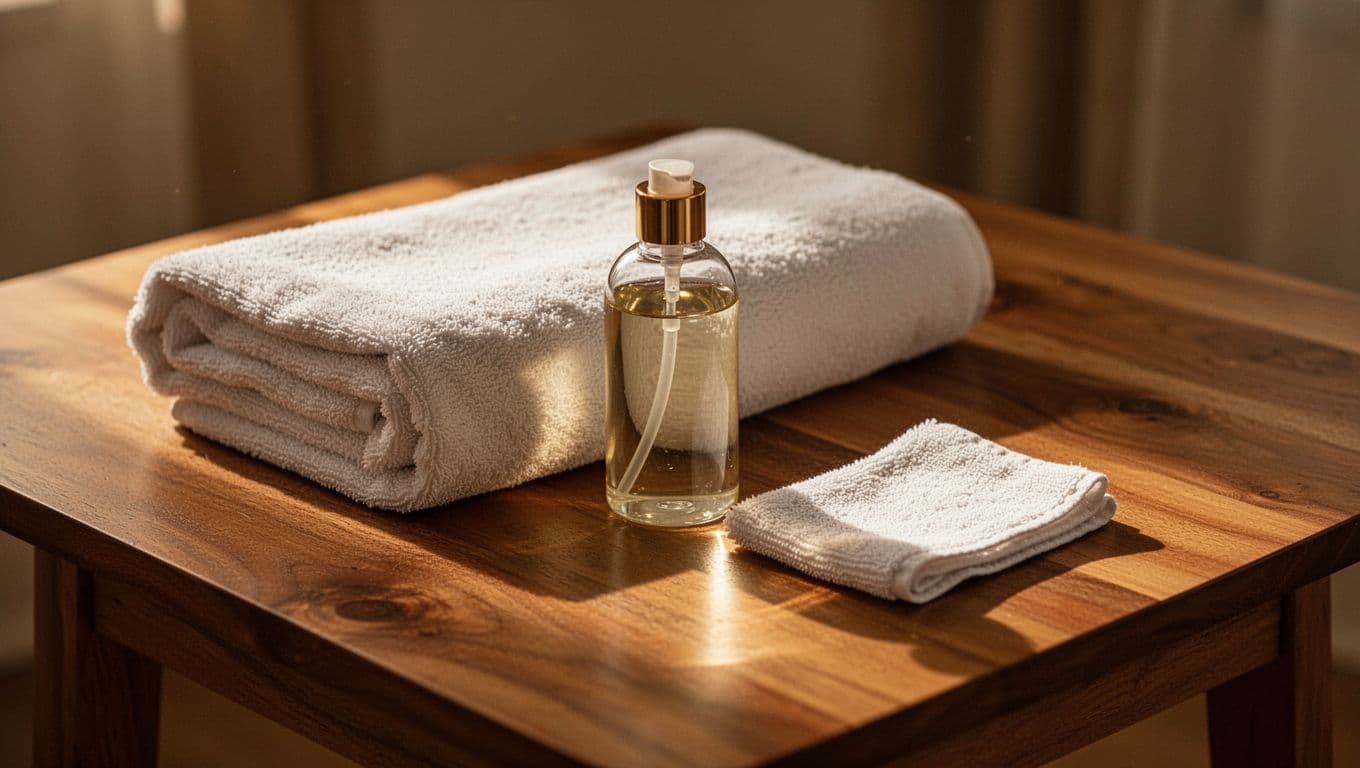 ### Avoid common mistakes with oils, creams, and heat
The easiest mistake is using too much product. A heavy pour can make hands slide around instead of working with control, and it can also leave the skin greasy for too long. Start small, add more only if the skin needs it, and keep the session feeling balanced.
Slippery floors are another problem that shows up fast at home and in busy treatment rooms. Wipe drips right away, keep bottles capped, and place towels where they can catch excess oil. If you are working on a table, a towel under the working area helps protect sheets and gives you a cleaner reset between sessions.
Fragrance needs restraint too. Strong scents can dominate the room, trigger headaches, or irritate sensitive skin. Lightly scented products usually work better than anything heavy, and unscented formulas are the safer choice when you don’t know a person’s reaction history.
Heat should feel comforting, never hot. Warm towels and heated oils can relax tight muscles, but overheated products can burn skin or make a session uncomfortable fast. Test warmth on your wrist or forearm first, then keep checking in if you use heat during a longer massage. For more background on safe session practices, the massage therapy guide covers hygiene and comfort standards in more detail.
If heat feels sharp, too strong, or sticky on the skin, stop and adjust it right away.
A few basic habits keep things under control:
- Use small amounts of oil or cream first.
- Keep floors and tables dry around the work area.
- Choose mild scents or skip fragrance when in doubt.
- Warm products gently, then test before applying them.
Keep tools and fabrics clean and ready to use
Cleanliness affects comfort before the first stroke begins. Fresh towels feel better on the skin, clean linens reduce odor and buildup, and wiped-down tools move more smoothly during the session. In a spa, that polish matters to the client. At home, it keeps the routine simple and pleasant.
Wash towels and covers after each use, especially if they picked up oil or body lotion. Massage tables, bolsters, and face cradles should be wiped down with a product that is safe for the surface, then left dry before the next client or session. Tool handles, bottles, and attachments need the same attention because residue builds up quickly.
Storage matters just as much as cleaning. Keep oils and creams capped, store them in a cool place, and check expiration dates often. Heat and light can change the texture and smell of products, which affects both performance and hygiene. If a product smells off or looks separated in a way it didn’t before, it’s time to replace it.
The cleanest setup is usually the easiest one to maintain. Fold towels in advance, keep your products in one place, and reset the area after every session so the next use feels effortless. That habit protects both comfort and hygiene, which is exactly what massage products should support.
Know when to skip a product and ask for guidance
Some situations call for caution, even when the product itself looks harmless. Sore joints, skin rashes, fresh injuries, and pregnancy can all change how a product feels on the body. A cream, oil, or heated accessory that works well on one person may be the wrong choice for another.
Skin issues need special care. If skin is broken, inflamed, or unusually sensitive, skip scented blends, rough scrubs, and strong heat. The same goes for new products with long ingredient lists, especially if there is a history of allergies. The WebMD guide to essential oils is a useful reminder that irritated or injured skin reacts faster to concentrated products.
Pregnancy calls for extra caution too. Gentle, unscented products are usually the safer path, and heat should stay mild and indirect. Injuries, swelling, or unexplained pain are also good reasons to pause and get advice before using anything new.
When in doubt, keep the session simple. A plain lotion, a clean towel, and light pressure often do more good than a shelf full of extras. If a product feels uncertain, set it aside and choose the option that leaves the body calmer, not busier.
Where Happiness Spa in Kilimani fits into the massage products conversation
A real spa setting shows how massage products work together, not just how they look on a shelf. At Happiness Massage & SPA in Kilimani, the table, towels, oils, and treatment flow all shape the session, so the products feel useful in context rather than random purchases.
That matters if you’re buying for home use. Once you see how a professional room is arranged and how a therapist moves from setup to finish, it becomes easier to spot which products are worth buying and which ones are only nice to have.
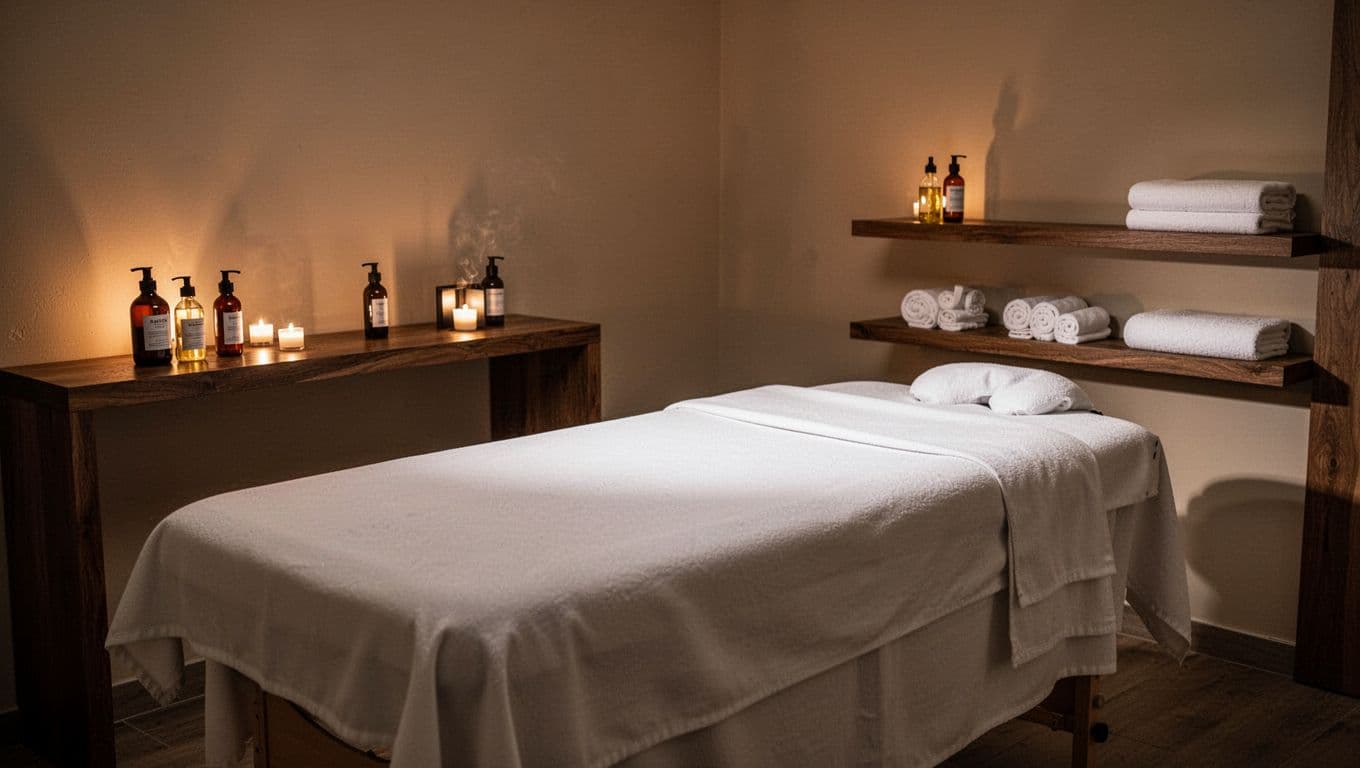 ### What a professional spa setup can teach home users
A spa room makes the basics look simple because every item has a job. The table gives support, the towel controls mess and warmth, and the oil matches the pace of the massage. When those pieces work together, the whole session feels smoother.
Home users can borrow that logic without buying a full spa kit. Start with a stable surface, one good towel set, and a product that matches the kind of massage you want.
A practical home setup often comes down to this:
- A firm surface or table for better body support and easier movement
- One glide product like oil or lotion, chosen for your skin and pressure needs
- Clean towels for warmth, cleanup, and a more polished feel
- A simple treatment order so the session doesn’t feel rushed
For a closer look at how professional and home routines differ, this guide to professional massage and home massage is a helpful reference point.
Massage options available in Kilimani and why product choice matters
Happiness Spa offers a range of massage options, and each one depends on different products and techniques. Swedish massage usually asks for smooth glide, so oils or lighter lotions fit well. Aromatherapy needs a base product that carries scent without overwhelming the room.
Hot stone massage changes the feel again, because warmth matters as much as texture. Hot oil massage leans into comfort and skin softness, while warm bamboo massage needs products that support firmer pressure without making the hands slide too much.
That is why product choice changes the experience so much. The same lotion can feel perfect in one treatment and wrong in another, much like using the right brush for the right paint.
At a professional spa, products are not just added for luxury. They support relaxation, help the therapist control pressure, and make the session feel intentional from start to finish. For readers comparing treatment types, the spa and massage options show how different services call for different setups.
How booking a spa visit can help you compare products in real life
A spa visit gives you a direct way to compare texture, scent, and residue before you buy anything for home use. You can notice whether you prefer a light lotion that absorbs fast, a richer oil that stays on the skin longer, or a cream that gives more grip.
That experience also helps you judge the small things people often miss online. Does the product feel too slick? Does the scent stay soft, or does it take over the room? Does it clean off easily after the session?
Happiness Massage & SPA in Kilimani makes that comparison easier because the setting shows products in action. You see how professional service, proper setup, and the right treatment choice turn ordinary supplies into part of a calm, well-run massage.
Conclusion
The best massage products are the ones that fit the body in front of you, the goal of the session, and the way you plan to use them. A light lotion, a rich oil, or a firm cream can each be the right choice when the texture matches the pressure and the skin responds well.
Start with the basics, then pay attention to comfort, skin type, and cleanup. When the product feels right in the hand and on the skin, the whole massage feels smoother, safer, and more satisfying.
Build slowly from there. A simple setup done well will always do more than a crowded shelf of products that don’t suit the job.