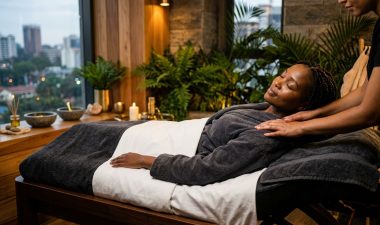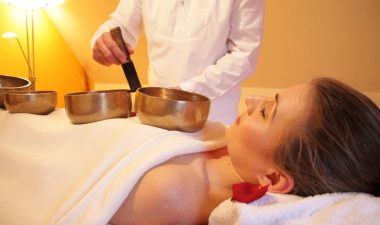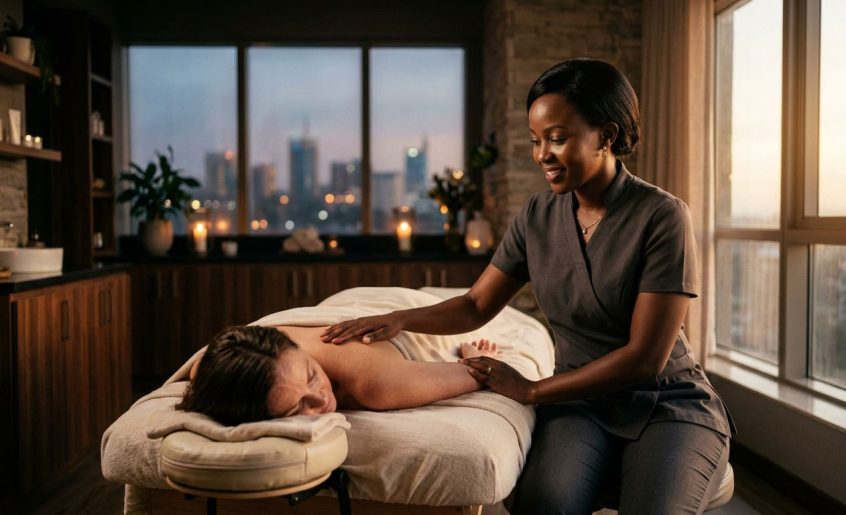
A good massage can loosen a stiff back, settle a busy mind, and make tired feet feel lighter. The right massage therapist adds something important: skill, communication, and a treatment shaped around your body.
Search results can make the choice confusing. You may see phrases such as “massage near me,” “Massage Parlour Near Me,” or “massage spa near me,” but location alone doesn’t tell you whether a therapist is professional or suitable. These practical points can help you choose with confidence.
Key Takeaways
- A professional massage therapist asks about your health, comfort, pressure preference, and treatment goals.
- Swedish, deep tissue, Thai, hot stone, foot, and lymphatic techniques suit different needs.
- Clean facilities, clear prices, proper boundaries, and respectful communication matter as much as technique.
- Nairobi clients should confirm the location, opening hours, therapist availability, and booking details before arriving.
What a Professional Massage Therapist Does
Massage therapy is hands-on bodywork that targets muscles, connective tissue, and soft-tissue tension. A trained practitioner uses pressure, rhythm, stretching, heat, or oils according to the service and your needs.
The first appointment should include a short consultation. Your therapist may ask about pain, injuries, pregnancy, medication, allergies, recent surgery, skin conditions, and your preferred pressure. These questions aren’t a formality. They help the therapist avoid areas that need medical attention and select a safe treatment.
A professional also explains what will happen before the session begins. You should know how long the appointment lasts, what clothing remains on, how draping works, and how to request a change in pressure. You can pause or end a session at any time.
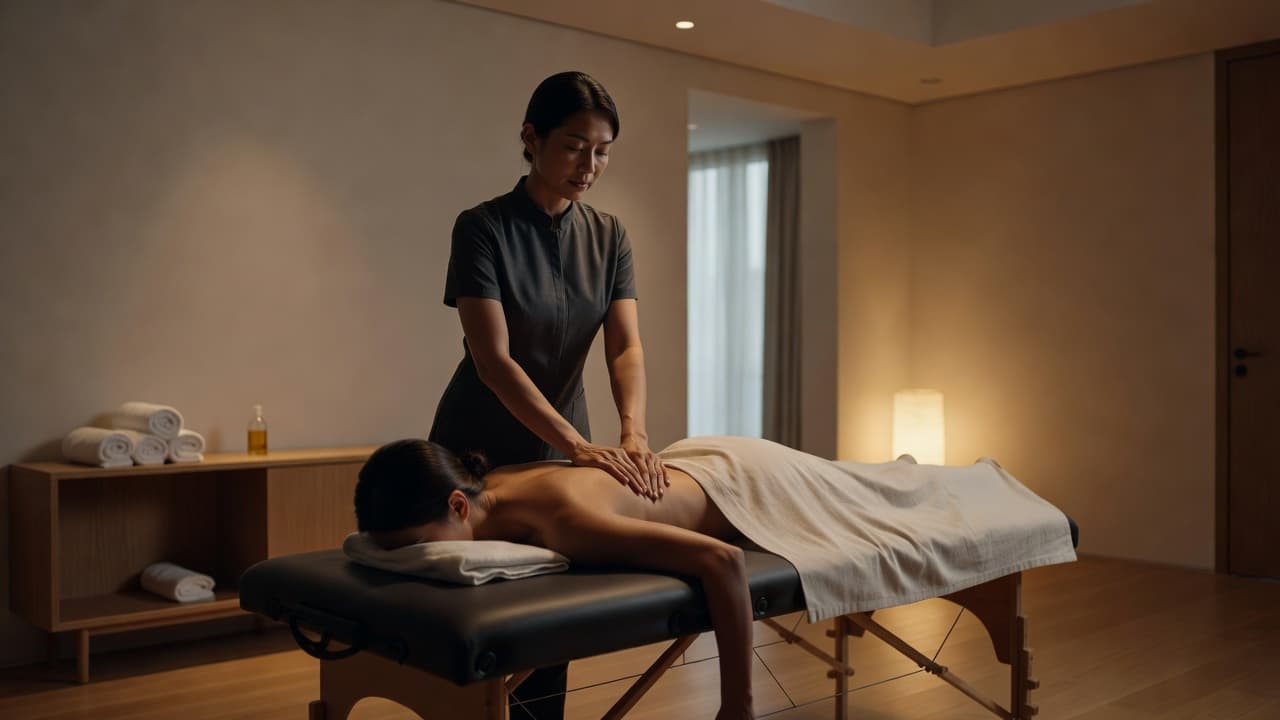
The setting matters, too. A clean room, fresh linens, hand hygiene, quiet communication, and secure storage create a more comfortable experience. Your therapist should maintain professional boundaries throughout the appointment.
Massage may support relaxation, short-term pain relief, and better body awareness, but it doesn’t replace medical care. The Mayo Clinic Health System discusses massage for anxiety, depression, and stress. If you have unexplained pain, numbness, fever, swelling, or a serious injury, speak with a clinician first.
Choosing the Right Massage Style
The best treatment depends on how your body feels and what you want from the appointment. A relaxing session may need lighter pressure, while post-training muscle tightness may respond better to focused work.
Swedish massage uses flowing strokes and gentle to moderate pressure. It’s a practical choice for first-time clients, general relaxation, and people who want a calming full body massage.
Deep tissue massage uses slower, firmer pressure on areas of persistent tightness. It can suit muscular tension, but harder pressure isn’t automatically better. Tell your therapist if the sensation becomes sharp, painful, or uncomfortable.
Thai massage combines pressure with assisted stretches and movement. You usually wear loose clothing, and the session takes place on a mat or suitable table. Ask about a Thai massage near me if you want stretching as well as hands-on pressure.
A foot massage focuses on the feet and lower legs. It works well after long walks, travel, standing shifts, or a day spent in formal shoes. If you search for “foot massage near me,” check whether the service includes calves, reflexology, soaking, or only a short foot treatment.
A lymphatic massage or lymphatic drainage massage uses light, rhythmic movements. It requires a therapist with appropriate training, especially when the treatment relates to surgery, swelling, or a medical condition.
Other options include hot stone, hot oil, aromatherapy, herbal, and relaxing massage. Happiness Massage & SPA lists its massage and spa treatments for clients comparing different forms of body care in Nairobi.
How to Find a Massage Therapist in Nairobi
Start with the area that suits your schedule. Someone searching “Massage spa Kilimani,” “Massage Parlour Kilimani,” or “massage spa Nairobi” may prefer a central appointment near home, work, or a hotel. Meanwhile, clients in other parts of the city may search “massage in Langata,” “Nairobi massage Westlands,” “westlands Nairobi massage,” or “Nairobi massage near yaya centre.”
Search terms can help you find nearby providers, but review the details behind each result. “Nairobi massage therapist,” “Nairobi massage center,” “Nairobi massage parlour,” and “Nairobi massage services” can refer to very different businesses. Look for a clear service menu, location, phone number, booking process, and recent customer feedback.
A phrase such as “massage near me current location” or “massage near me open now” is useful when you need a same-day appointment. However, call first. Business hours may not match the information shown by a search engine.
You may also find “mobile massage Nairobi” providers who travel to homes, offices, or hotels. Confirm transport fees, arrival time, therapist identification, equipment, cancellation terms, and the exact service before booking. For a first visit, many people prefer a registered spa with a reception area and a clear address.
Online listings can be unreliable. Searches for “Nairobi massage ads,” “Nairobi massage spa telegram,” or “Nairobi massage and extras services contact” may lead to vague adverts. Avoid providers who refuse to share prices, pressure you to move conversations to private channels, or advertise sexual services when you want legitimate massage therapy.
What to Ask Before Booking
A short call or message can prevent an uncomfortable appointment. Ask which therapist is available, what technique they recommend, and whether the session is suitable for your concern.
Price is another practical question. A “massage spa near me low price” search may show attractive offers, but the lowest rate may exclude consultation time, oils, facility fees, or the treatment you expected. Confirm the total cost, session length, payment methods, and any promotion.
You can ask:
- Does the therapist have training in the treatment I want?
- Will the session be adapted for an old injury or sensitive area?
- What pressure levels are available?
- Is the room private and the linen changed between clients?
- Can I request a same-gender therapist?
- What happens if I need to reschedule?
Some clients search “Nairobi massage ladies” when looking for female therapists. That’s a reasonable preference, but use a professional booking channel and describe the service clearly. A legitimate provider should discuss therapist availability without making inappropriate promises.
Avoid choosing based only on a massage video or body massage video. Videos can show technique, but they don’t prove training, hygiene, or professional conduct. The same applies to equipment searches such as “massage gun,” “massage chair,” “foot massager,” and “back massager.” These products may help at home, but they don’t replace an assessment from a skilled practitioner.
Red Flags and Safety Limits
Your therapist should welcome feedback. Say “lighter,” “firmer,” “more time on my shoulders,” or “please avoid my knee.” Good communication improves the treatment and protects you from unnecessary discomfort.
Stop the session if you feel sharp pain, dizziness, burning, numbness, shortness of breath, or anything that concerns you. Soreness can occur after firm bodywork, but severe or lasting pain needs medical advice.
Massage may not be appropriate during certain illnesses or situations. Fever, active infection, uncontrolled blood pressure, blood clots, recent fractures, and some skin conditions require medical guidance. Pregnancy also calls for a therapist trained in prenatal care and a treatment adapted to the stage of pregnancy.
Be careful with unclear phrases such as “Nairobi massage body to body” or “Nairobi massage and extras services.” If a listing suggests sexual contact, hidden charges, or services outside your request, leave the conversation. A professional massage spa should state its boundaries and services openly.
Terms such as “Asian massage,” “massage heights,” “massage warehouse,” “massage envy,” “elements massage,” and “hand and stone massage” may describe particular businesses, styles, or brand-related searches in different markets. Don’t assume that a name guarantees a specific standard in Nairobi. Check the actual provider, address, therapist, and service details.
Planning a Relaxing Spa Visit
Arrive a few minutes early so you aren’t rushing into the treatment. Avoid a heavy meal immediately beforehand, drink water as usual, and wear comfortable clothing. Tell the therapist whether you spent the day at a desk, trained at the gym, travelled, or stood for long hours.
Couples can book a couples massage when they want treatment at the same time. Ask whether the spa has a shared room or two separate rooms. Searches such as “couples massage Nairobi,” “full body massage for couples,” and “full body massage for women” can help narrow your options, but confirm the arrangement before paying.
A full body massage doesn’t mean every body area receives equal pressure. Your therapist may spend more time on the shoulders, lower back, hips, or legs after discussing your needs. If you want focused treatment, say so during the consultation.
For visitors comparing “full body massage Nairobi,” “full body massage near me,” or “full body massage Mombasa,” check the treatment duration and location rather than relying on the label alone. A 60-minute appointment and a 90-minute appointment offer different amounts of hands-on time.
Some people use a massage app to book appointments, while others prefer a direct call. Both can work if the provider gives clear confirmation. A written booking should include the date, time, location, service, price, and cancellation policy.
Happiness Spa’s massage techniques guide can help you compare treatments before selecting a session in Kilimani. The right choice depends on your current comfort, pressure preference, and reason for booking.
Massage Therapist or Home Equipment?
Home tools can be useful between appointments. A massage gun may help some people with temporary muscle soreness, while a foot massager can feel pleasant after a long day. Use low settings first, avoid bones and injured areas, and follow the manufacturer’s instructions.
A massage chair offers convenience, but it can’t ask about your symptoms or adjust its technique through conversation. A massage therapist can notice guarding, tenderness, limited movement, or changes in how your muscles respond.
That personal feedback is especially useful when the same area keeps becoming tight. The therapist can suggest rest, gentle movement, posture changes, or medical assessment when appropriate. Massage should support your wellbeing, not encourage you to ignore a recurring problem.
If you have searched “20 types of massage,” you may already know that names vary between spas. Ask what the treatment feels like, how much pressure it uses, and who it suits. Those answers are more helpful than choosing a service because its name sounds impressive.
Conclusion
Finding a massage therapist is about more than choosing the closest listing. Look for clear communication, suitable training, clean facilities, professional boundaries, and a treatment that matches your body today.
Whether you want Swedish relaxation, deep tissue work, a foot massage, Thai stretching, or a full body massage, ask questions before you book. A thoughtful consultation is often the first sign that your session is in capable hands.