
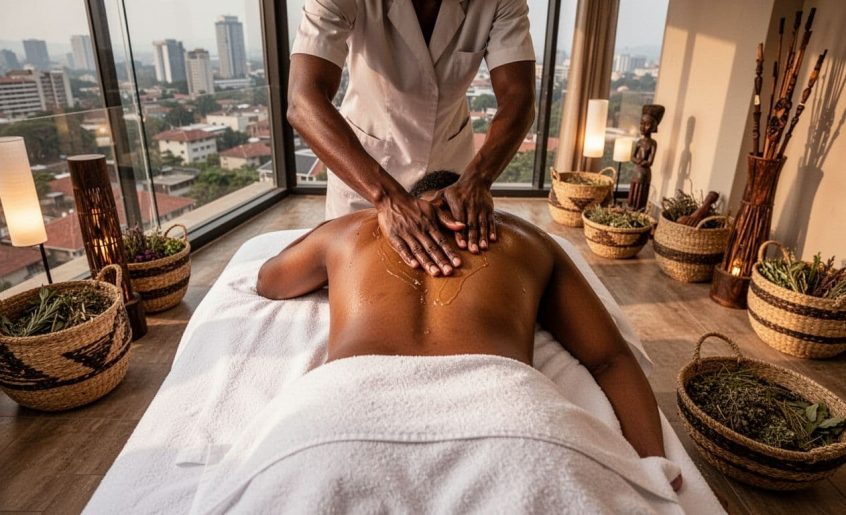
Deep Tissue Massage: Benefits and What to Expect
Deep tissue massage is for the days when your body feels tight, tired, and stuck in place from chronic muscle tension. If long hours at a desk, hard workouts, or an old injury have left you sore and locked up, this is the kind of massage people turn to for real relief.
It uses slow, firm pressure to work into deeper muscle layers, which can help ease chronic pain, improve mobility, and support recovery. At Happiness Spa’s massage and spa services, you can also look at how this treatment fits into a broader wellness routine in Kilimani.
If you are thinking about your first deep tissue massage session, or you are comparing providers, the details matter, including how it feels, who it helps most, and what a skilled therapist should do during the treatment.
Key Takeaways
- Deep Tissue Massage is a focused, intentional treatment designed to reach inner muscle layers and connective tissues, specifically targeting stubborn knots and chronic tension.
- It differs from other styles like Swedish or hot stone massage by using slow, deliberate, and firm pressure rather than light or purely flow-based techniques.
- Communication is crucial throughout the session; the pressure should feel productive and intense, but never sharp or painful, and your therapist should always adjust based on your real-time feedback.
- Post-massage care—including staying hydrated, moving gently, and allowing yourself time to rest—is essential for minimizing typical soreness and maximizing the physical and mental benefits of your session.
- The goal is improved function, as the treatment works to restore mobility, reduce stiffness, and support recovery for those with active lifestyles or desk-bound habits.
Deep tissue massage explained in plain English
Deep tissue massage is a focused, hands-on treatment for muscles that feel stubborn, tight, or overworked. It uses firm pressure to reach the inner layers of muscle and the connective tissues around them, especially the fascia. The goal is relief and better movement, not just a surface-level unwind.
That matters because some tension sits close to the skin and melts away with light touch, while other tension feels buried and packed in. This therapy goes after that second kind. It moves slowly, gives the tissue time to respond, and asks the body to soften instead of rushing it.
### How it is different from other spa treatments
Swedish massage is usually the softest and most flowing option. It uses lighter pressure, longer strokes, and a steady rhythm to help you relax and improve circulation. Deep tissue massage, by contrast, is slower and more targeted, with pressure that stays on problem areas longer.
Hot stone massage feels different again. The warmth does a lot of the work, helping muscles loosen before or during lighter strokes. It is often chosen for comfort, while deep tissue massage is selected when someone wants to address a specific area that feels tight, knotted, or restricted.
A simple way to compare them:
| Treatment | Pressure | Pace | Main goal |
| Swedish massage | Light to medium | Smooth and flowing | Relaxation and general stress relief |
| Hot stone massage | Light, with heat support | Slow and soothing | Warmth, comfort, and relaxation |
| Deep tissue massage | Firm and focused | Slow and deliberate | Releasing tight, overworked tissue |
If your body just needs a gentle reset, a lighter session can be enough. If the tension feels layered and specific, deep tissue massage usually makes more sense. For a broader look at relaxation-focused options, aromatherapy massage therapy can be a softer match.
Understanding the technique and the targets
When performing these massage techniques, therapists look for more than just sore muscles. They pay close attention to fascia, which helps everything slide and move properly. When this tissue becomes restricted, movement feels pulled. Therapists also target trigger points, which are the sensitive knots that stay irritated after long hours at a desk or intense workouts.
They also address adhesions, which are areas where tissue layers stop gliding well. These can manifest as a hard patch or even localized scar tissue that refuses to soften. By applying deliberate, patient pressure, the therapist encourages these areas to release. The aim is to help stuck tissue move again, not to force it into submission. This is why the work feels intense but controlled; the therapist reads the tissue and waits for a response. For a clear medical overview of this process, the Cleveland Clinic explanation of myofascial release therapy is a useful reference.
Why people ask for deep tissue massage in the first place
Most people do not book this treatment because they want a generic spa day. They book it because something in the body feels stuck and keeps getting in the way of daily life.
Common reasons include:
- Chronic neck and shoulder tension that builds from desk work, driving, or stress.
- Lower back tightness that makes sitting, bending, or standing feel harder than it should.
- Sports recovery, especially when training leaves muscles tired, shortened, or uneven.
- Posture problems that pull the body forward and create strain in the upper back, hips, or calves.
- Stress that settles into the body, where the mind feels tense and the muscles hold the same pattern.
The appeal is practical. People want to move more easily, sit with less discomfort, and wake up without feeling pulled in every direction. It works best when the problem is specific, persistent, and rooted in muscle tension rather than simple fatigue. That is why it is a popular choice for people who feel worn down, physically compressed, or stuck in a body that needs a reset.
The benefits people feel after a deep tissue massage
The best part of Deep Tissue Massage is not just the pressure itself, it is what people often feel after the table session ends. Muscles may feel less braced, movement can feel less guarded, and the body usually feels easier to live in for the rest of the day.
Those changes can show up right away, but they often build over time. After a few regular sessions, many people notice that the same tight spots do not seize up as quickly, recovery feels smoother, and everyday movement takes less effort.
### Physical relief, performance, and recovery
Deep tissue work often gives people a clear sense of release in areas where they struggle with persistent pain relief and stubborn stiffness. When neck tension softens and shoulders sit lower, your body moves with more ease. Improving your range of motion is one of the most practical benefits; tasks like reaching overhead or bending to tie your shoes feel far less restricted when your muscles are not trapped in a constant state of contraction.
This type of massage is particularly effective for athletes and those with physically demanding jobs. By encouraging better blood flow, the treatment helps deliver essential nutrients to tired tissues. This increased circulation supports faster recovery after intense activity, helping to soothe muscle pain and minimize the effects of inflammation. Whether you are dealing with the aftermath of a tough training block or just want to feel less heavy in the legs, consistent sessions help the body bounce back with less lingering fatigue. Research indicates that this approach can reduce delayed-onset muscle soreness, allowing you to return to your routine sooner.
Mental wellness and managing chronic conditions
Beyond the physical, deep tissue massage provides stress relief that goes deeper than a surface calm. While the pressure can be intense, it signals your nervous system to stop bracing. As you become more aware of where you carry tension, you can actively let it go, resulting in a calmer mind and a body that feels less reactive. For those who find that stress manifests as a clenched jaw or tight traps, this grounding experience is invaluable.
This technique is also frequently used as supportive care for various musculoskeletal issues. People dealing with chronic pain, such as that associated with fibromyalgia, sciatica, or repetitive strain, often find that targeted work helps manage their symptoms over time. It is important to approach these sessions as a tool for comfort and functional support rather than a medical cure. For conditions like fibromyalgia, the focus remains on gentle, intentional pressure to accommodate sensitivity. By choosing regular sessions, you allow your body to learn how to stay loose, preventing the cycle of locking up and needing urgent intervention.
If you want to compare how different techniques approach these goals, our guide on types of massage therapy available can help you decide which style best suits your needs today.
What to expect during a deep tissue massage session
A deep tissue massage usually starts slower than people expect. The therapist begins by warming the muscles, checking your comfort level, and easing into the areas that hold the most tension. That opening matters, because tight tissue responds better when it has a chance to soften first.
Most first-time clients relax once they realize the session does not begin with heavy force right away. A good massage therapist reads the body in stages, like turning up the volume instead of blasting it. That approach gives your muscles time to adapt, and it gives you space to speak up if something feels off.
### The Session Experience and Feedback
The session often starts with lighter strokes across the back, shoulders, neck, or legs. These first minutes help warm the tissue, improve circulation, and let the massage therapist feel where the body is guarded or sensitive. After that, the pressure usually builds in small steps. The therapist may move from broad strokes to slower, more focused work, then linger on the tighter spots once the muscle has had time to respond.
Communication is essential during this process. If you need more or less pressure, say so early. It is much easier to adjust in the moment than to correct something after your body has tensed up. Deep tissue massage can feel intense, but it should remain controlled. You may notice a strong, stretching sensation or a warm ache, which is often normal. However, sharp pain that feels like stabbing or pinching is a sign that the intensity is too high. A deep tissue session should never feel like something you have to endure just to get through it. If a spot is especially sensitive, your therapist can soften the technique or work around it until you feel comfortable.
Why you may feel sore for a day or two afterward
A little tenderness after deep tissue massage is common. Your muscles have been worked in a focused way, so they may feel as if they did a mild workout. That soreness usually shows up within the first day and should ease over the next day or two.
Proper hydration helps your body recover, so drink water after your session and keep sipping throughout the day. Gentle movement also helps, because a short walk or light stretching can keep the tissue from stiffening. Rest is equally important, as your body performs better when it receives a quiet window to settle. If you notice any post-massage soreness, monitor it to ensure it fades rather than intensifies. If the discomfort gets sharper, spreads, or lasts longer than expected, that is a sign to pay attention. Normal post-massage soreness should always improve with time.
A few things help most people feel better after the session:
- Drink water soon after the massage and continue through the day.
- Move gently, such as with a short walk or light stretching.
- Rest when you can, especially if the treatment was intense.
- Watch the trend, as discomfort should improve, not worsen.
Simple ways to get the most from your appointment
A little preparation makes the whole experience smoother. Arrive a few minutes early so you are not rushing, and use that time to settle in, talk through problem areas, and mention anything that feels especially tight. The more precise you are, the easier it is for the therapist to focus the work where it matters most.
It also helps to avoid a packed schedule right afterward. If you jump straight into errands, a workout, or long periods of sitting, your body has less room to absorb the benefits of the session. Leave some space if you can, even if it is just enough time for water, a slow drive home, and a calm evening.
Before you go in, think about what you want from the massage. Are you after relief in your neck, lower back, hips, or legs? Are you recovering from a workout, or just carrying too much desk tension? Clear answers help the therapist shape the pacing to fit your needs. Most importantly, treat the session like a conversation. When both sides stay honest, deep tissue massage feels less like a test and more like a well-guided release.
Choosing the right deep tissue massage in Kilimani
Picking a provider for deep tissue massage in Kilimani is about more than just price or location. The right therapist knows how to work through stubborn tension without rushing, and the right spa provides a calm, clean environment. For local clients, that combination matters because a session should leave you feeling refreshed rather than second-guessing the experience.
Kilimani offers many options, but the best choice usually comes down to trust, technique, and convenience. If you work long hours in Nairobi, a nearby spa with straightforward booking makes all the difference. Clear communication and a professional who understands your goals can turn a standard appointment into a treatment that truly helps.
### Finding a quality provider at Happiness Spa
What makes a provider worth booking? A skilled massage therapist works with precision rather than just force. You should feel that they understand where your tension sits, how your body responds, and when to back off. A high-quality session starts with a quick conversation about your pain points and continues with pressure that feels firm but controlled.
Happiness Massage and SPA gives Kilimani residents a convenient neighborhood option at Jade Residency, Kindaruma Road, Kilimani, Nairobi. This location is ideal for busy Nairobi clients who want to avoid crossing the city for quality bodywork. You can find current rates and booking options directly on the Happiness Spa website, which helps you plan your visit ahead of time.
Whether you need a deep tissue massage to address muscle knots or prefer a gentler session like Swedish or hot stone therapy, having a flexible service menu allows you to choose what your body needs that day. If you are pregnant or have a specific injury, always consult your doctor before booking to ensure the treatment is safe for your condition.
Questions to ask before your session
A few direct questions can save you from a disappointing appointment. Before you book, ask how much pressure the massage therapist typically uses and confirm they can adjust it if the tissue feels too tender. Session length also matters; a 30-minute visit may suit a single tight area, while a 60-minute session provides enough time to address the back, shoulders, hips, and legs properly.
When comparing your options, keep these practical questions in mind:
- What pressure level do you recommend for my specific concerns?
- How long should the session be to cover my problem areas?
- Can you focus specifically on my neck, shoulders, or lower back?
- Do you adapt your technique for injuries or sensitivity?
- What should I communicate if the pressure feels too strong?
When another massage style might be a better fit
While this technique is a strong choice when tension is stubborn or localized, it is not always the best answer. If you are simply tired after a long week, a gentler modality like Swedish massage often provides more comfort through lighter circulation support. Hot stone therapy can also help if you want warmth to melt away stress before deeper work begins.
The best choice is the one that matches your body in the moment. If your tension is specific and chronic, this treatment is likely the right fit. However, if your primary goal is rest and recovery after a stressful day, a softer approach may serve you better.
Frequently Asked Questions
Is deep tissue massage supposed to be painful?
It should feel intense and firm, but it should never be sharp, stinging, or unbearable. If you feel pain that makes you want to tense up or hold your breath, communicate this to your therapist immediately so they can adjust the pressure to a level that is productive yet comfortable.
How often should I get a deep tissue massage?
Frequency depends on your individual tension levels and physical goals. Many clients find that coming in once or twice a month helps maintain mobility and prevents chronic knots from returning, but you should discuss a personalized schedule with your therapist based on your specific needs.
Can I work out after my session?
It is generally recommended to avoid high-intensity exercise immediately following a deep tissue massage. Your muscles have just undergone significant work, so opting for light movement, such as a gentle walk, and giving your body time to hydrate and recover is much better for your results.
Will I be sore the next day?
It is quite common to feel a mild, “post-workout” style soreness for 24 to 48 hours after a session. This is a normal reaction as your muscles adjust to the release of tension, but drinking plenty of water and staying active with light movement can help this sensation pass quickly.
Conclusion
Deep tissue massage works best when the goal is physical relief, easier movement, and a steadier recovery. It is an effective solution for muscle tension, whether you are dealing with the aftermath of sports injuries, long hours at a desk, or the physical toll of hard training. Beyond simply addressing pain, this treatment can also foster a profound sense of relaxation by releasing deep seated knots that hold onto daily stress.
The strongest results come from a skilled therapist who knows when to press, when to pause, and when to ease off. Speak openly about pressure during your appointment, because the right session should feel firm and productive rather than punishing. If you want a fuller look at the treatment itself, the comprehensive deep tissue massage guide is a helpful next step.
When your body feels tight and tired, booking a session is a practical choice, not a luxury. Happiness Spa in Kilimani is a convenient place to explore the treatment and see how targeted bodywork can help your body feel more open and restored again.